Sulawesi
Four peninsulas, Toraja Country at the center and coral walls to the north: Sulawesi is explored in 12 to 14 days, via segments connected by short domestic flights.
Sulawesi, formerly Celebes, traces an orchid-like silhouette with four branches across the map. This fragmented geography explains everything: no road crosses the island from end to end, and each peninsula has developed its own culture, language, and techniques for fishing or rice cultivation. From our agency, we organize itineraries as a succession of segments connected by short domestic flights, between Makassar in the south, Palu in the center, Kendari in the southeast, and Manado in the north.
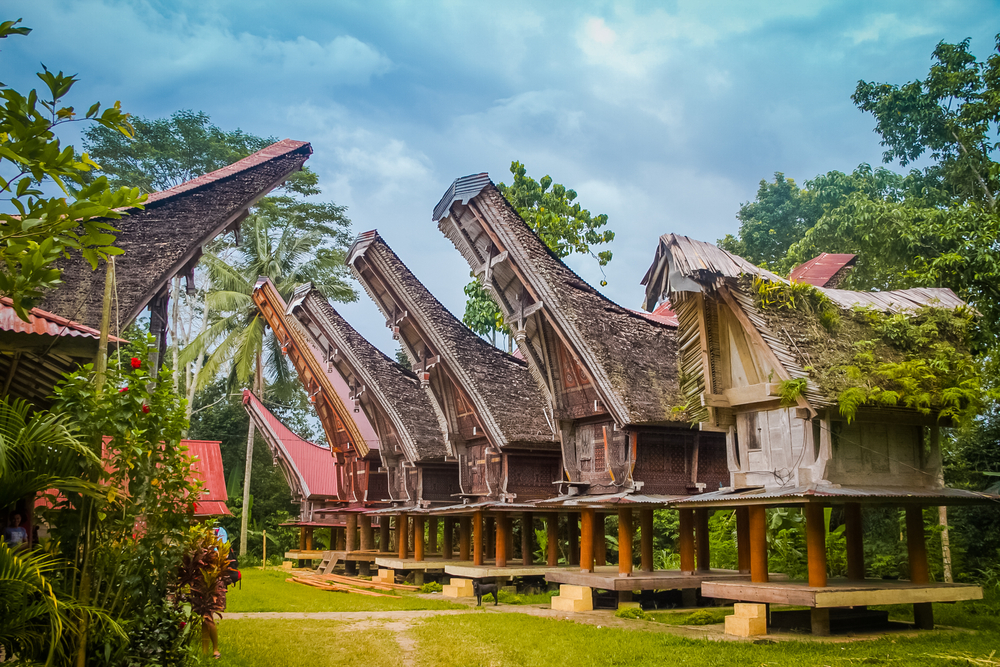
The cultural heart of the island remains Toraja Country, 8 hours by road from Makassar via the way-station of Pare-Pare. The Toraja, about one million people, live in highland valleys between 700 and 1,500 meters in elevation, around Rantepao and Makale. Their tongkonan houses, with roofs curved like the prow of a ship, are aligned facing north with rice granaries opposite them. The funeral ceremony, the rambu solo, can mobilize an entire village for five to seven days, with buffalo sacrifices, ma'badong dances, and the welcoming of hundreds of guests. We arrange attendance at these ceremonies only with a Toraja guide who negotiates in advance the traveler's presence with the bereaved family. The burial sites can be visited at Lemo, where wooden effigies called tau-tau keep watch from niches carved into the cliff face, and at Kete Kesu, where suspended coffins slowly deteriorate above the trail.
To the north, the Minahasa peninsula around Manado offers a completely different character. The cuisine here is spiced, based on chili and lemongrass, with dishes such as tinutuan (morning vegetable porridge) or woku ikan (fish with fresh turmeric). Bunaken Marine Park, created in 1991, protects a wall that descends to more than 1,000 meters just meters from the shore. The dive sites of Lekuan, Mandolin, and Fukui concentrate green sea turtles, schools of barracudas, and soft corals. Further east, the Lembeh Strait is one of the world's premier muck diving destinations, over black volcanic sand, in search of frogfish and mimetic octopuses.
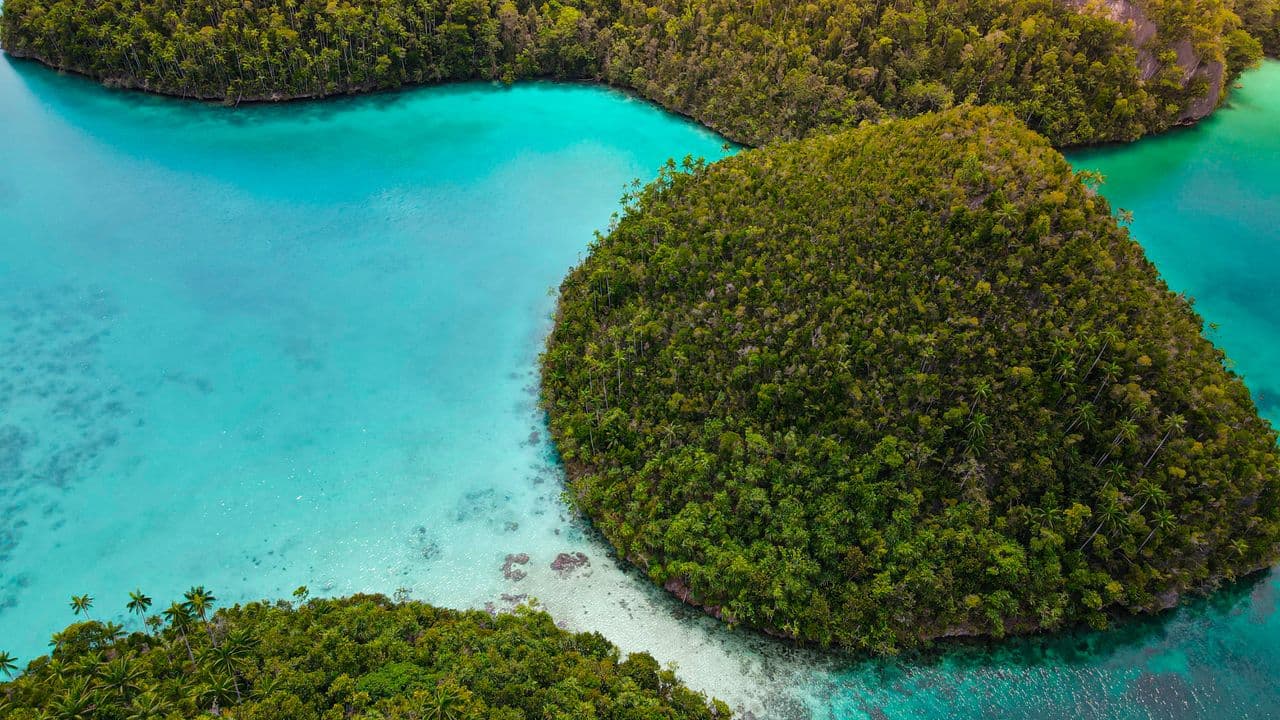
The Gulf of Tomini, which cuts the island at the waist, harbors the Togian Islands. They are reached by boat from Ampana, after a winding 12-hour drive from Palu, or more simply from Gorontalo via an overnight crossing. The archipelago counts some fifty islands inhabited by the Bajau, a semi-nomadic seafaring people whose stilt villages rise above the water with no solid ground nearby. Accommodation structures remain simple, in wooden bungalows, and electricity often runs on scheduled intervals.
The southeast, around Kendari and the Wakatobi Islands, remains very little frequented. Wakatobi National Park, declared a UNESCO Biosphere Reserve in 2012, protects one of the highest concentrations of hard corals in the Indo-Pacific region. The Bajau of Sampela still partly live on their perahu. Finally, to the west, along the coast between Makassar and Bira, are the shipyards of Tana Beru where phinisi are still hand-built—teak sailing vessels that later become the pride of the Indonesian fleet.
The island remains largely Christian in the center (the Toraja converted to Protestantism in the early twentieth century), Muslim in the south and southeast, and blends Balinese Hinduism and animism in the most remote villages. This religious mosaic can be read in festival calendars, funerary architecture, and cuisine.
To Discover
Funeral ceremony in Toraja Country. Attend a rambu solo in a village around Rantepao, with reception by the family, sharing of meals, and observation of ma'badong dances. Possible mainly between June and September, after harvests.
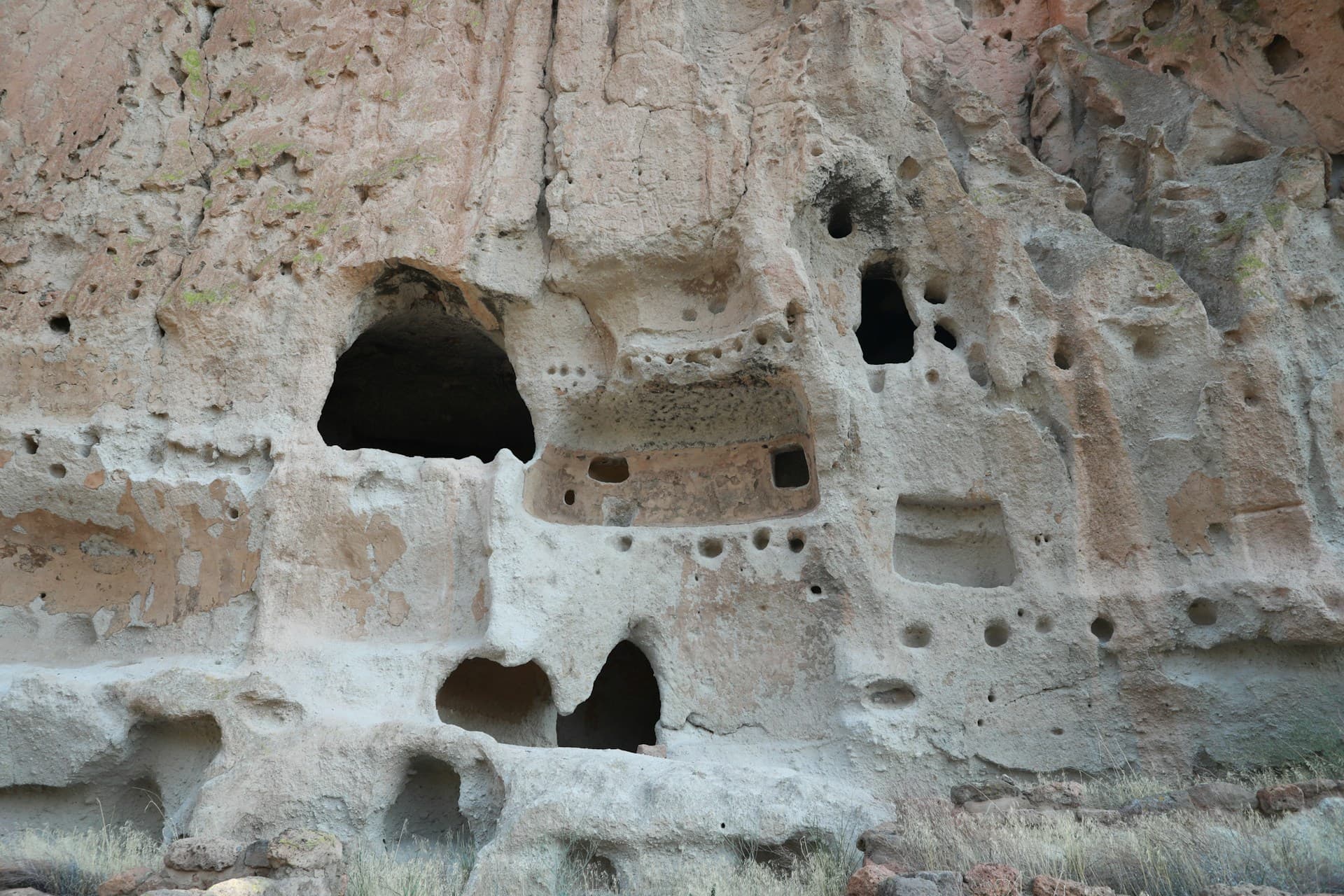
Troglodytic tombs of Lemo and Kete Kesu. Cliffs pierced with funeral niches where tau-tau effigies keep watch, and alignment of suspended coffins on the heights of Kete Kesu. One-hour walk between the two sites.
Bunaken wall. Vertical coral wall descending to more than 1,000 meters just a few strokes from shore, frequented by green sea turtles and schools of jacks. Scuba diving or snorkeling depending on level.
Togian Islands in the Gulf of Tomini. Volcanic and coral archipelago inhabited by the Bajau in stilt villages. Accommodation in simple bungalows on Kadidiri or Malenge, enclosed lagoons and mangrove forests.
Shipyards of Tana Beru. On the south coast near Bira, open-air construction of phinisi, teak sailing vessels assembled without plans, in memory of Bugis carpenters.
When to Go
The best period to explore Sulawesi is from May to October, during the dry season. Temperatures in Rantepao, at altitude, fluctuate between 18°C at night and 28°C during the day, with dry air that makes village-to-village hikes very pleasant. On the coast (Makassar, Manado, Bira), it is 26 to 32°C year-round, with more pronounced humidity. Toraja funeral ceremonies concentrate between June and September, after rice harvests, making this the culturally richest window.
From November to April, the monsoon brings heavy but short rains, especially at the end of the day. Bunaken and the Togian remain practicable until December, with rougher seas in January-February. The north (Manado, Lembeh) experiences a slightly offset climate, with rain possible year-round but optimal underwater visibility from March to June. We avoid scheduling the Togian in February, a swell period that complicates inter-island transfers.
Practical Advice
A representative loop of Sulawesi requires a minimum of 12 to 14 days: 2 days in Makassar and on the south coast, 4 to 5 days in Toraja Country (including the drive from Makassar), a domestic flight Makassar-Manado, then 4 to 5 days between Bunaken and Lembeh. To include the Togian, add 4 days due to maritime transfers. Our team in Makassar coordinates English-speaking drivers for the Toraja section and certified dive guides in the north.
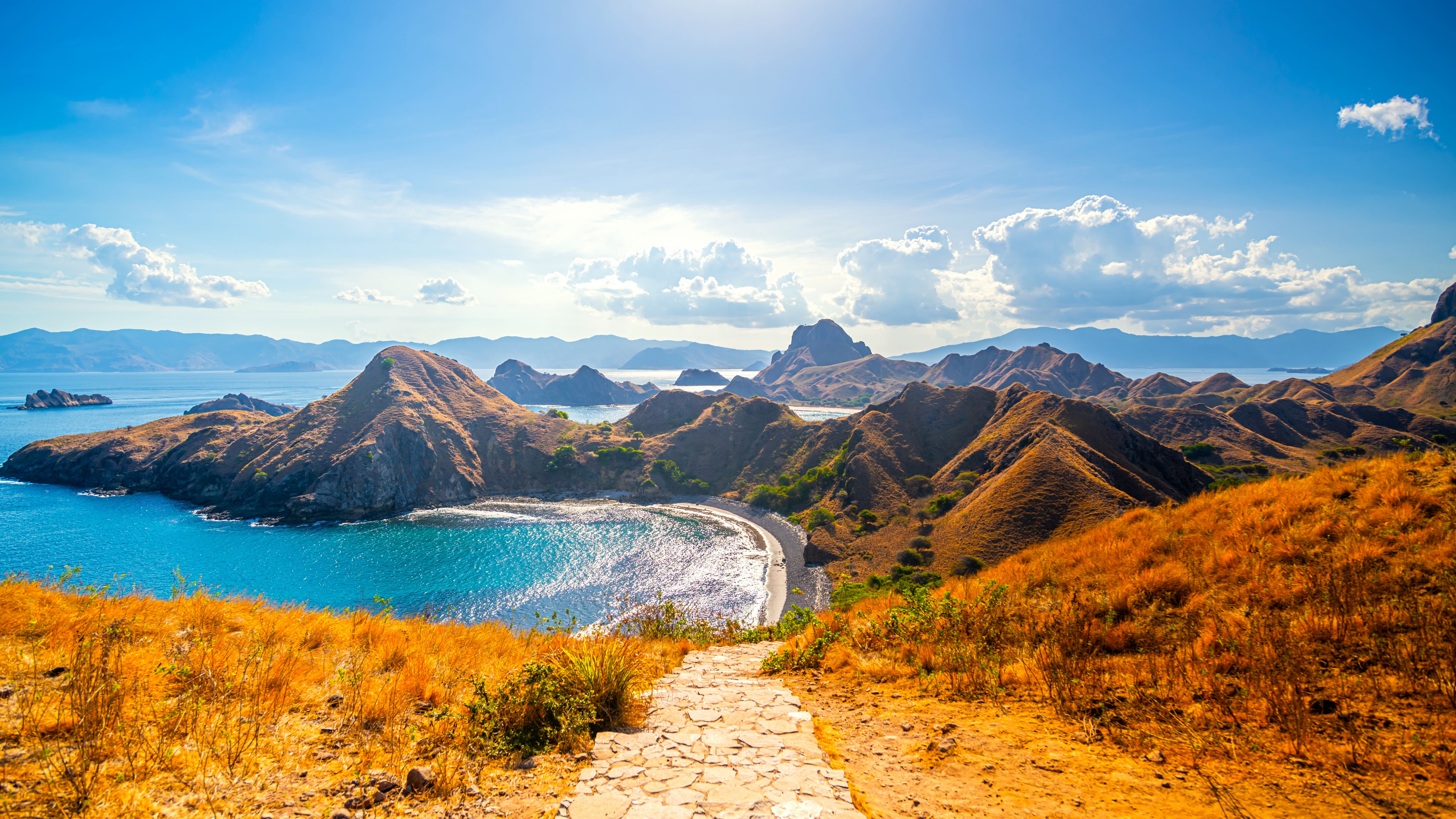
Sulawesi combines naturally with Komodo and Flores, accessible by flight from Makassar via Labuan Bajo, for further exploration of the Banda Sea. A connection with Bali also works very well, starting or ending in Denpasar. Comfort is good but uneven: well-standard hotels in Makassar, Rantepao, and Manado, rustic accommodations in the Togian and certain islands of the southeast. The destination is particularly suited to travelers curious about living cultures, to divers, and to those who accept long driving days to reach remote areas. Less suitable for young children due to distances.