Komodo and Flores
Komodo National Park and the volcanic crossing of Flores, from Komodo dragons at Rinca to the three colored lakes of Kelimutu, in a minimum of 7 days.
Komodo and Flores form the eastern tip of the Lesser Sunda Islands, two hours by plane from Bali via Labuan Bajo. Our team organizes two types of complementary stays here: sailing in Komodo National Park, a UNESCO World Heritage Site since 1991, and an overland crossing of Flores, 670 kilometers long between Labuan Bajo in the west and Maumere in the east.
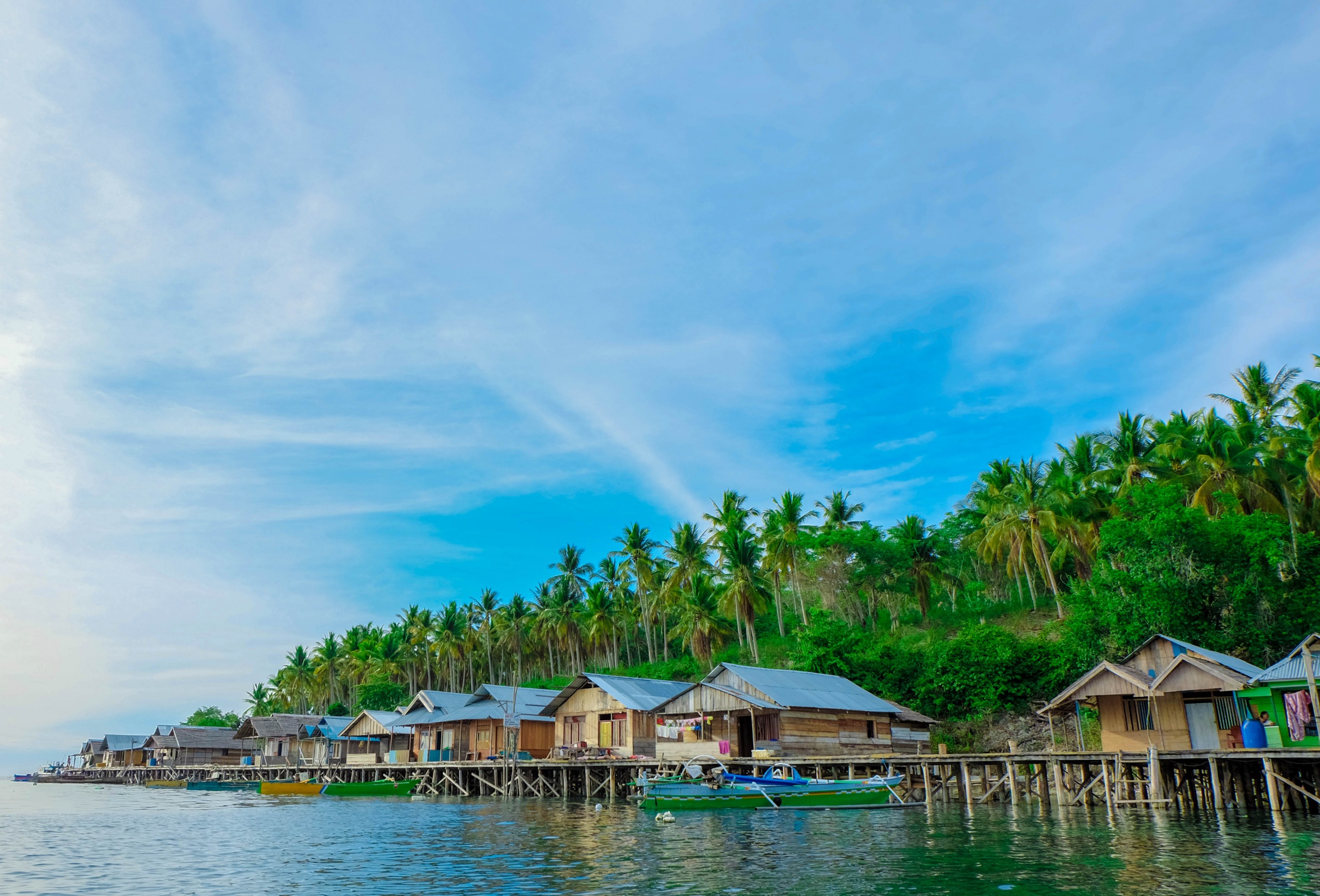
The national park covers 1,733 km² between the islands of Komodo, Rinca, Padar and a cluster of limestone islets. The Komodo dragons, endemic to these few islands, reach 2 to 3 meters in length and weigh 70 to 90 kilos. We work exclusively with local rangers, mandatory for any walk through their natural habitats: at Rinca, the short Loh Buaya trail takes an hour, the longer circuit two to three hours. Komodo Village, on the island itself, is home to around 1,800 Bajo and Manggarai people who have cohabited with dragons for generations.
Flores, meanwhile, is volcanic and Catholic, a legacy of four centuries of Portuguese and then Dutch colonial presence. The island is lined with fourteen volcanoes, several of which remain active. Kelimutu, at 1,639 meters, reveals three crater lakes that change color according to mineral oxidation: turquoise, olive green, black, sometimes brick red. The approach hike from Moni takes 30 minutes before sunrise, departing at 5 a.m. Further west, the Manggarai region is home to the spiderweb rice paddies of Cancar, near Ruteng—circular plots arranged according to clan ties.
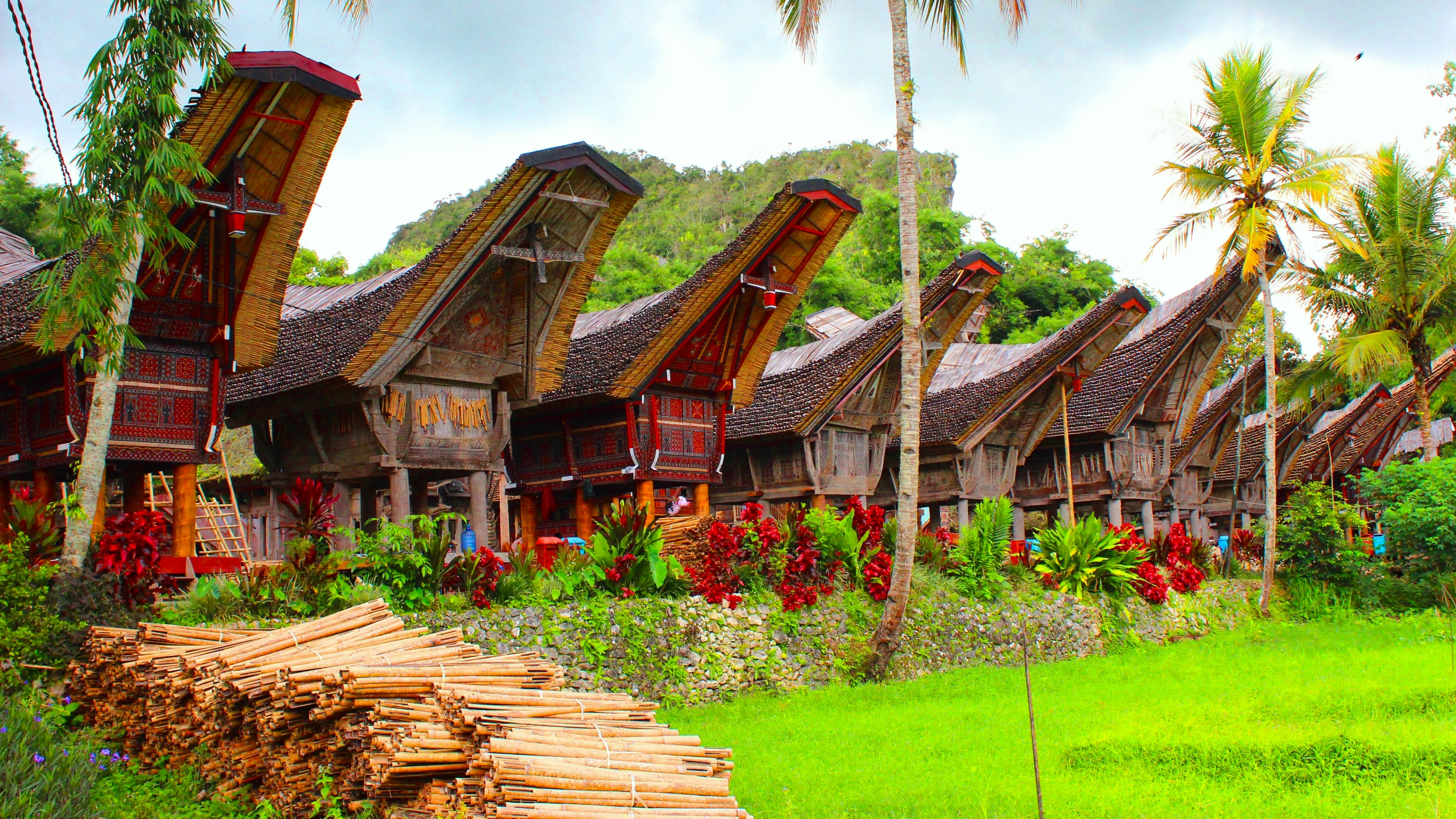
Local cuisine centers on grilled fish, rice and pounded corn. In Bajawa, Flores arabica coffee is grown between 1,000 and 1,500 meters on the slopes of Mount Inerie. We regularly stop our guests in the Ngada villages of Bena and Wogo, whose tall houses and megaliths still structure ceremonial life. Further east, around Maumere, the population is predominantly Sikka, and ikat weaving remains a domestic economy: a sarong takes two to six months of work depending on its fineness.
Economically, Labuan Bajo shifted in fifteen years from a Bugis fishing port to a tourism hub with 7,000 beds. The rest of Flores remains rural, with a single transversal road, the Trans-Flores, in good condition but winding: plan for 10 to 12 hours from Labuan Bajo to Bajawa, even though the distance is only 280 kilometers. This slowness is precisely why it pays to take your time.
The climate sharply divides two seasons. The dry season, April to November, reveals the hills of Padar and Komodo in their ochre tones. The wet season, December to March, returns lush greenery to interior Flores but makes the sea rough and certain secondary tracks impassable. We concentrate our sailing departures from May to October.
To discover
3-day pinisi sailing cruise. Navigation on a traditional Bugis sailing vessel between Padar, Komodo and Kanawa, with overnight anchorage. Sunrise over Padar's three bays requires 20 minutes of steep climbing from the landing point.
Komodo dragons at Rinca with ranger. Guided walk lasting one to three hours through the dry savanna of Loh Buaya, where dragons congregate around water sources late in the dry season, August through October.
Kelimutu lakes at daybreak. Departure at 4:30 a.m. from Moni to reach the platform at 1,639 meters before first light. The three craters line up side by side, separated by simple ridges.
Ngada villages around Bajawa. Stilt architecture and megalithic alignments at Bena and Wogo, at 1,100 meters altitude, where ngadhu and bhaga monuments materialize the male and female ancestors of each clan.
Snorkeling with manta rays. Manta Point, between Komodo and Rinca, gathers rays of 3 to 5 meters wingspan that feed in currents. The densest viewing window runs December through February, but observation remains possible year-round.
When to go
We recommend the period from April to November for the Komodo and Flores combination. The sea remains manageable for pinisi sailing, with moderate swell and air temperatures between 27 and 32 °C in Labuan Bajo. The hills of Komodo and Padar shift from green to ochre yellow between May and September, which provides the most photogenic landscapes. On Flores, nights in Moni and Bajawa, at altitude, drop to 15-17 °C: bring a fleece for sunrise at Kelimutu.
From December to March, the monsoon concentrates 250 to 350 mm of rainfall per month over the island's center, especially around Ruteng. Cruises become uncomfortable, and several operators suspend outings in January-February. We advise against this period except for divers specifically targeting manta rays, which remain observable at Manta Point.
Practical advice
Plan a minimum of 7 days on location to avoid rushing through the region: 3 days cruising in the national park from Labuan Bajo, then 4 days of travel across Flores to Ende or Maumere, passing through Bajawa and Moni. A shorter 4- to 5-day version, limited to Komodo and a round trip from Labuan Bajo, remains worthwhile for travelers focused on the sea. Labuan Bajo Airport (LBJ) is served daily from Bali (1h10) and Jakarta (2h30); departures are via Maumere or Ende airports to Bali or Jakarta.
The most natural combination is with Bali and Lombok, which Komodo logically extends eastward. For travelers interested in ethnology and volcanoes, the sequence with Sulawesi also works via a flight through Makassar. Comfort aboard the pinisi varies widely: we select vessels with air-conditioned cabins and private bathrooms. On Flores, accommodations remain simple beyond Labuan Bajo, except in Bajawa and Moni where we work with two decent lodges. The region suits contemplative travelers, sailing enthusiasts and walkers ready for days of travel. For families with young children, we recommend sticking to the cruising section.