Sulawesi or the Celebes
Sulawesi or the Celebes
Sulawesi, Indonesia's giant orchid: Tana Toraja, diving at Bunaken, Togian Islands and endemic wildlife. Your complete guide to planning an unforgettable journey.
The island of Sulawesi is absolutely worth the detour on your next getaway to northern Indonésie. Diving, snorkeling, discovery, relaxation by the beach and much more await you here.
Sulawesi represents a true paradise at the end of the world, distinguished by its unusual shape and diverse ecosystems. As a land of contrasts and surprises, spectacular landscapes, rich culture and ancestral traditions converge here. Plan your few-day escape to this dreamlike destination nestled in northern Indonésie.
Chronicles of the Past
Sulawesi was discovered by Europeans in 1512, with the arrival of the Portuguese. Later, it became part of the Dutch colonies until Indonésie's independence in 1949.
The island has a long human history, as evidenced by significant archaeological discoveries. Paintings in the caves of Maros and Pangkep, dating back more than 45,000 years, are among the oldest known. Stone tools found near Talepu suggest human presence dating back some 200,000 years. Other artifacts, including animal drawings and hand prints dating back more than 22,000 years, underscore the antiquity and continuity of civilization on Sulawesi.
Discovering Sulawesi
A Brief Geography
Sulawesi or the Celebes is an island between Borneo to the west, the Moluccas to the east, Java to the south and the Philippines to the north. It measures 189,035 km² with approximately 17 million inhabitants. Its name means "iron island."
It is divided into six main provinces: North Sulawesi, Central, West, South and Southeast Sulawesi, and Gorontalo. Makassar, or Ujung Padang, is recognized as the central city of Sulawesi.
It is the second largest island in Indonésie and the 11th largest in the world. Its unique shape evokes a giant orchid and creates several bays with its four peninsulas. The island has three major bays: Boni, Tolo, and Tomini, and is dominated by mountains, including Mount Rantemario, the highest at 3,478 m. Surrounded by the Celebes Sea, the Banda Sea and the Makassar Strait, Sulawesi offers an exceptional geographical and natural landscape.
Unlike other Indonesian regions, volcanic massifs are found only at the extremities of Sulawesi.
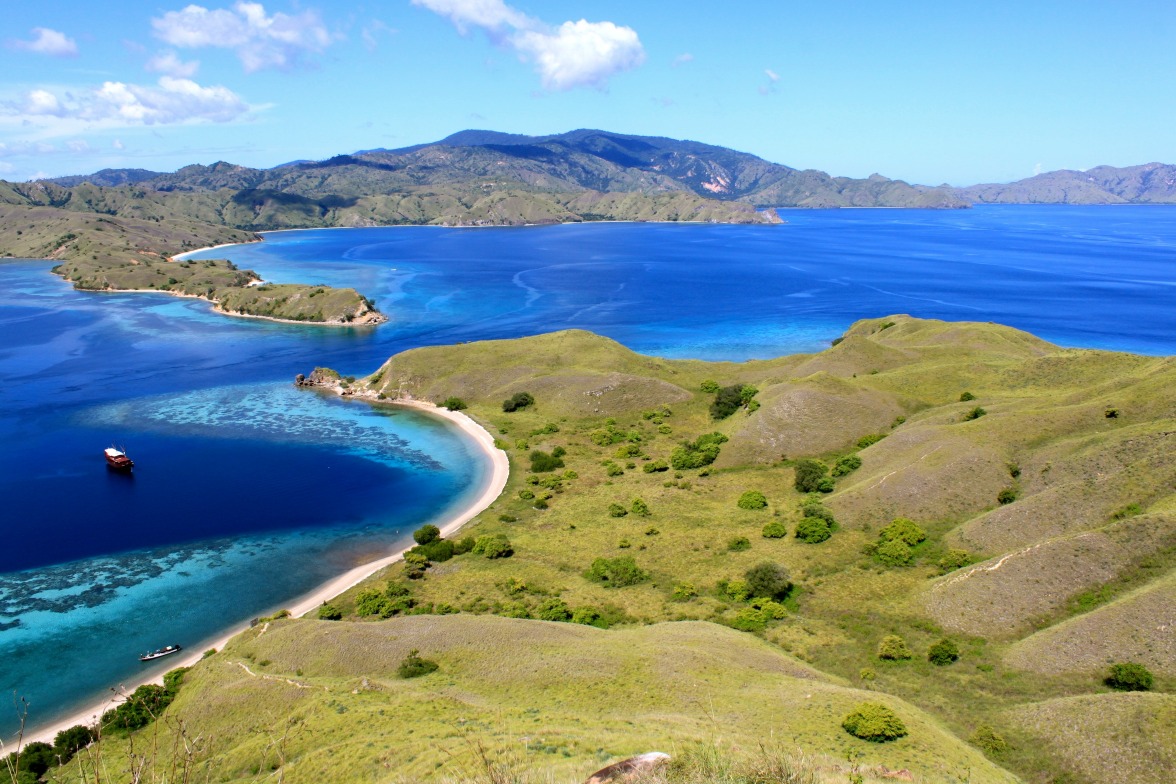
Surrounded by magnificent white-sand beaches and remarkable coral reefs, the island hides breathtaking landscapes inland, blending mountains, rice paddies and jungles. In any case, it remains largely untouched by mass tourism.
Where is the Celebes Island Located?
The Celebes Island is part of the northern islands of Indonésie. It is located approximately 240 km east of Borneo, 430 km south of Mindanao (Philippines), 360 km west of Buru Island (Moluccas archipelago in Indonésie), 290 km north of Flores, and 600 km east-northeast of Java.
Sulawesi, an Island of Incredible Biodiversity
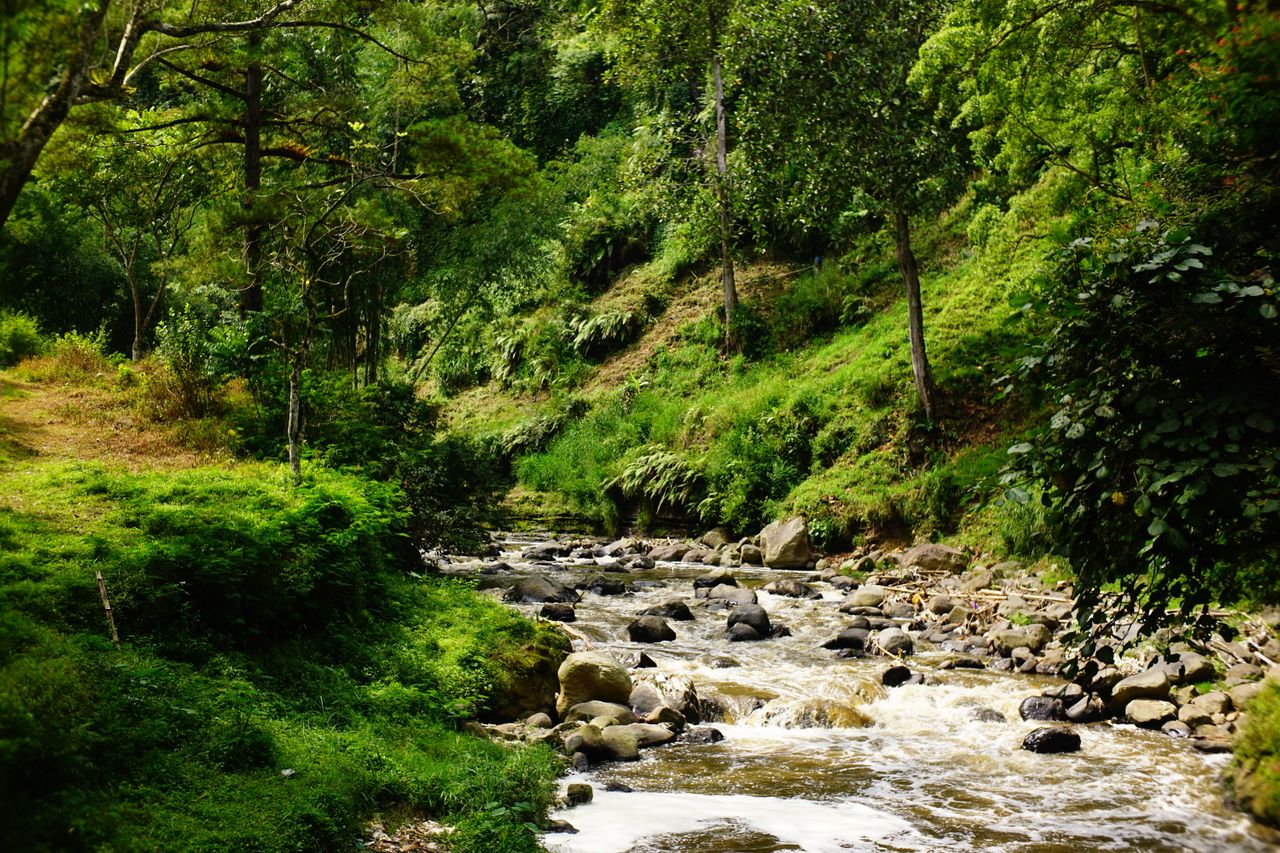
The island's landscape is primarily shaped by reliefs and mountains, complemented by jungles, forests and high-altitude lakes. White-sand beaches and coral reefs give Sulawesi a paradise-like image. The island is home to four major national parks, including the Bantimurung Reserve, Lore Lindu National Park, Bogani Nani Wartabone Park, and the Bunaken Marine Park.
Fauna
The island is a refuge for unique and sometimes rare species. Indeed, many animal species coexist on Sulawesi such as tropical butterflies, crested macaques, anoas, a bovine species native to the Celebes. Lovers of marine life will find their happiness on this island. It is also a refuge for the babiroussa, characterized by its impressive teeth and its habit of wallowing in muddy expanses to escape the heat. The plains anoa, an endemic buffalo, has also made its home here. The Maleo bird sees its eggs hunted for their accessibility. The Celebes cuscus, a marsupial resembling a small bear, is going through a critical period due to deforestation and hunting.
The Different Ethnic Groups of Sulawesi
Sulawesi stands out for its vast ethnic diversity, with approximately one hundred and fourteen languages recorded. The main ethnic groups on the island include the Minahasa and Gorontalos in the north, as well as the Bugis, Makassar and Toraja in the south. These communities proudly preserve their distinct culture and their own language.
Discovering Toraja country allows you to explore their unique funeral rites. Traditional houses, called tongkonan, are equally fascinating. Moreover, the Bugis sailors are known as excellent ship builders, surrounded by many legends.
Religion
In Sulawesi, Christianity and Islam dominate. The majority of Muslims are Sunni. Christians form a minority of the population, accounting for approximately 17% Protestants and less than 2% Catholics. They are concentrated mainly around Manado, where the majority of the Minahasa practice Protestantism, and on the Sangir and Talaud islands to the north. The Toraja in the south adopted Christianity following Indonésie's independence, and a Christian community is present around Lake Poso and near Mamasa. You will also find small Buddhist and Hindu communities, mainly among Chinese, Balinese and Indian communities.
What to Do?
- Discover the city of Manado
- Total escape on Lembeh Island
- Diving and snorkeling in Sulawesi's waters
- Visit to the Tangkoko Nature Reserve
- Shopping at Tomohon market to buy fruits, vegetables, exotic flowers and a variety of grilled animals
- Hiking in the Mahawu and Lokon volcanoes
- Relaxation on Bunaken Island
- Whale shark observation from Gorontalo
- Stroll along the beaches
Practical Information
How Many Days to Visit Sulawesi?
For a total immersion in the splendor of Sulawesi, opt for a longer stay. Three weeks or more will open the doors to exploration at a perfect pace, as the island is full of exceptional sites, paradisiacal corners, and sometimes entirely unique places.
The Climate
Sulawesi enjoys a humid tropical climate in the south and humid equatorial climate in the north.
In the north, including the city of Manado, the climate is equatorial with no dry season. The rainy season extends from November to June, with a decrease in rainfall between July and October. This region receives less than 3,200 mm of rainfall annually, and temperatures remain stable. Maximum temperatures vary between 31°C and 35°C, while minimums oscillate between 20°C and 24°C.
In the southern part of Sulawesi, the climate is humid tropical with two well-defined seasons. Monsoon rains are present from November to April, followed by a dry season from May to October. In Makassar, approximately 3,000 mm of rain falls each year. Temperatures remain high with little variation throughout the year.
When to Visit Sulawesi?
The best time to visit Sulawesi, minimizing the risk of rain, is between early May and late October. During these months, rainfall is less frequent and conditions are more favorable for exploring the island, whether in the mountains, jungle or on the beaches.
If you are passionate about scuba diving and snorkeling, the optimal period is between early July and mid-September. This period guarantees the best conditions for exploring the waters around Bunaken and the Togian Islands.
To reach Sulawesi, you have two airport options:
To Manado International Airport
Located in the north of the island, Manado International Airport offers a direct link from Singapore in 3 hours 40 minutes, as well as connecting flights. It is also connected to Denpasar, Bali, in a 2-hour flight covering a distance of 1,586 km.
To Makassar International Airport
Located in the south, Makassar International Airport offers a direct link from Singapore in 3 hours, as well as connecting flights. There is also a one-hour flight from Denpasar, Bali.
By Bus
You can get around town by taking Bémo (or mikrolet). These are economical sky-blue minibuses that follow a fixed route.
Public buses, though sometimes old, are affordable for short and medium trips. They offer an immersion into local life, with flexible stops.
By Boat
Slow boats or public boats are slower public boats used between the Togian Islands and to reach Bunaken from Manado.
Ferries for longer journeys require careful planning due to their variable schedules.
Speed boats are faster but more expensive. They are ideal for quicker travel between specific destinations.
By Taxi
Private taxis are faster and more flexible, especially for destinations not served by buses. Don't hesitate to share costs with other travelers to save money.
By Plane
Local flights with companies like Garuda, Lion Air and Sriwijaya Air are convenient and affordable.
Photos
Attractions in Sulawesi or the Celebes
Accommodation in Sulawesi or the Celebes
See all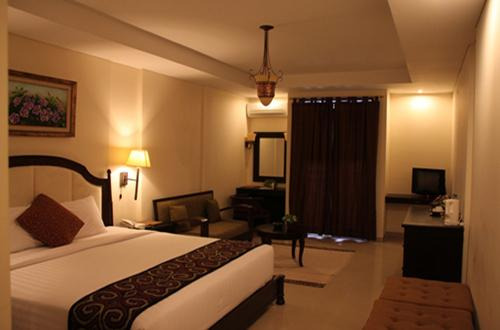
Luta Resort
À Rantepao, le Luta Resort sert de base confortable pour explorer le Pays Toraja, ses villages traditionnels et ses sites funéraires perchés.
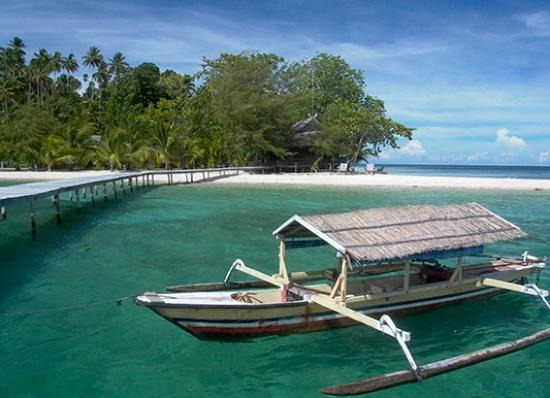
Fadhila Cottages
18 bungalows en bord de plage à Katupat, dans l'archipel des Togean : une adresse familiale tournée vers la plongée et la déconnexion à Sulawesi.
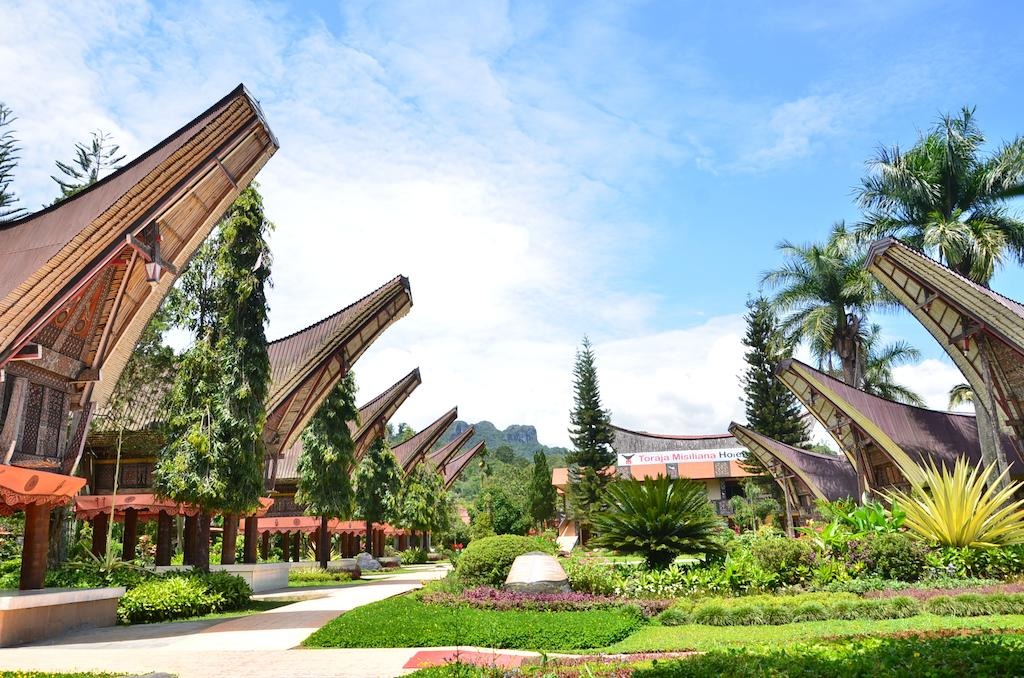
Toraja Misiliana Hotel
À Rantepao, un hôtel familial toraja avec restaurant local, spa et piscine, point de départ pour explorer le pays Toraja et ses villages traditionnels.
Also discover
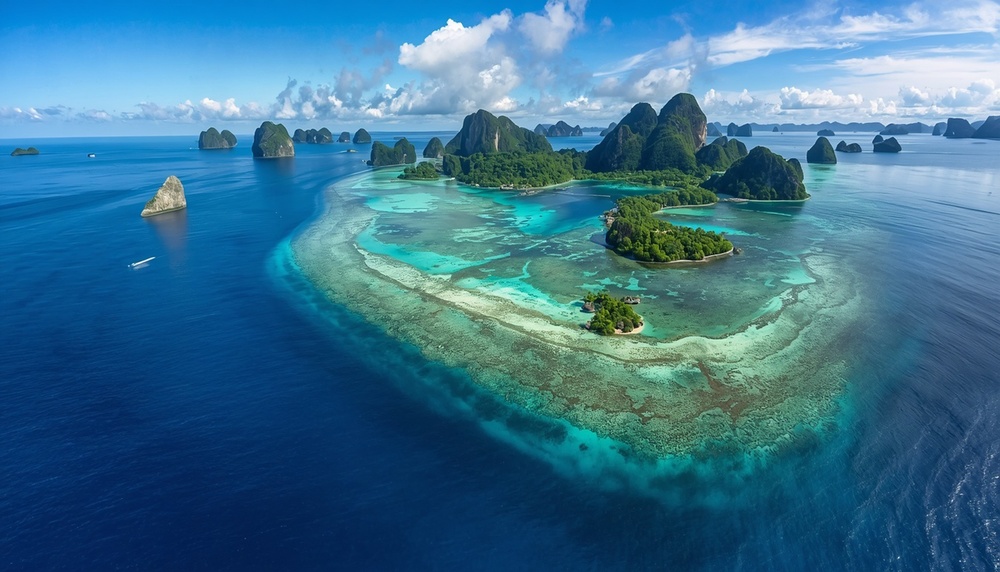
Raja Ampat
1,500 islands, 75% of the world's coral species, Papuan stilt homestays: Raja Ampat remains one of Indonesia's last unspoiled treasures.
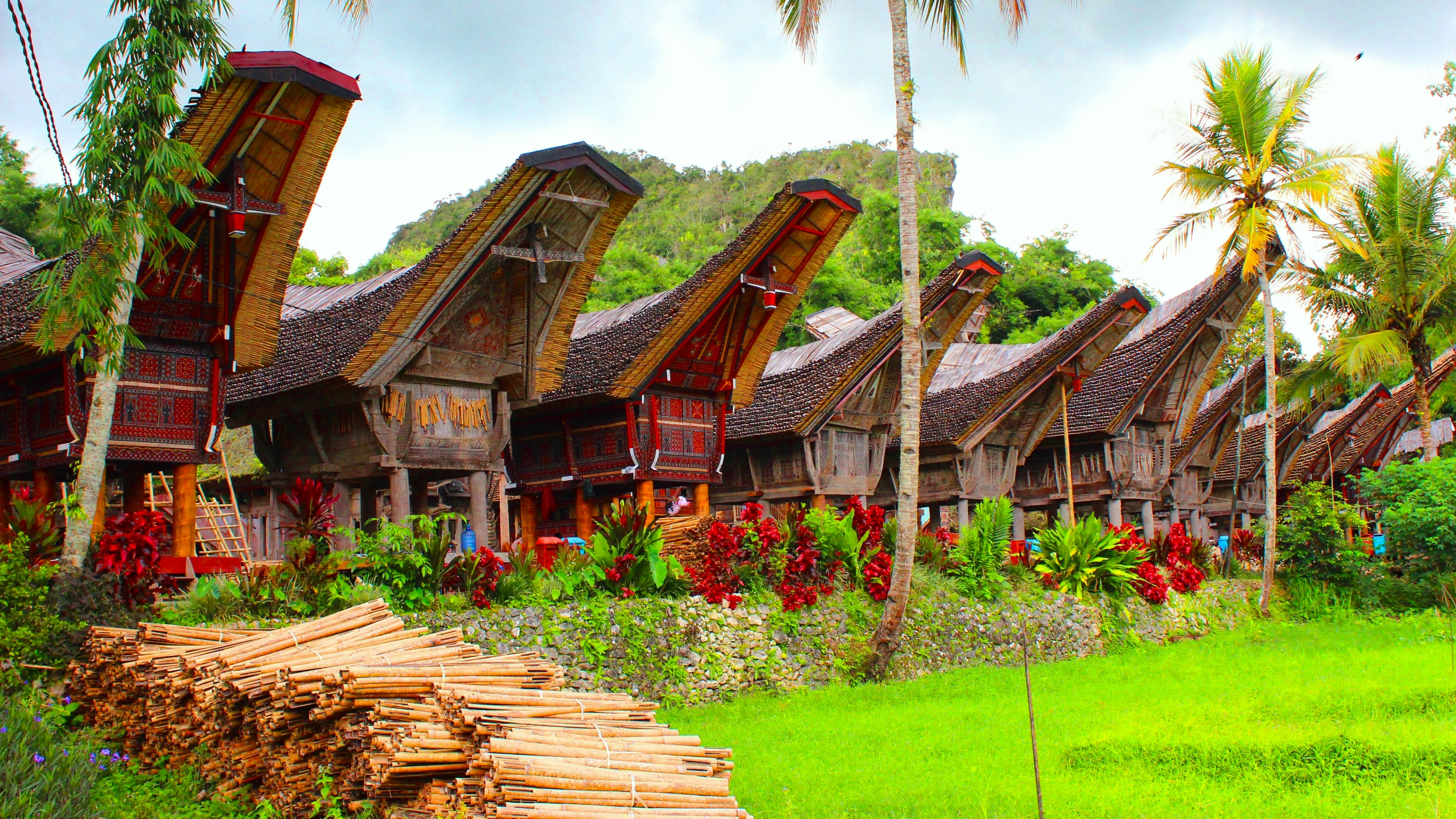
Sulawesi
Four peninsulas, Toraja Country at the center and coral walls to the north: Sulawesi is explored in 12 to 14 days, via segments connected by short domestic flights.
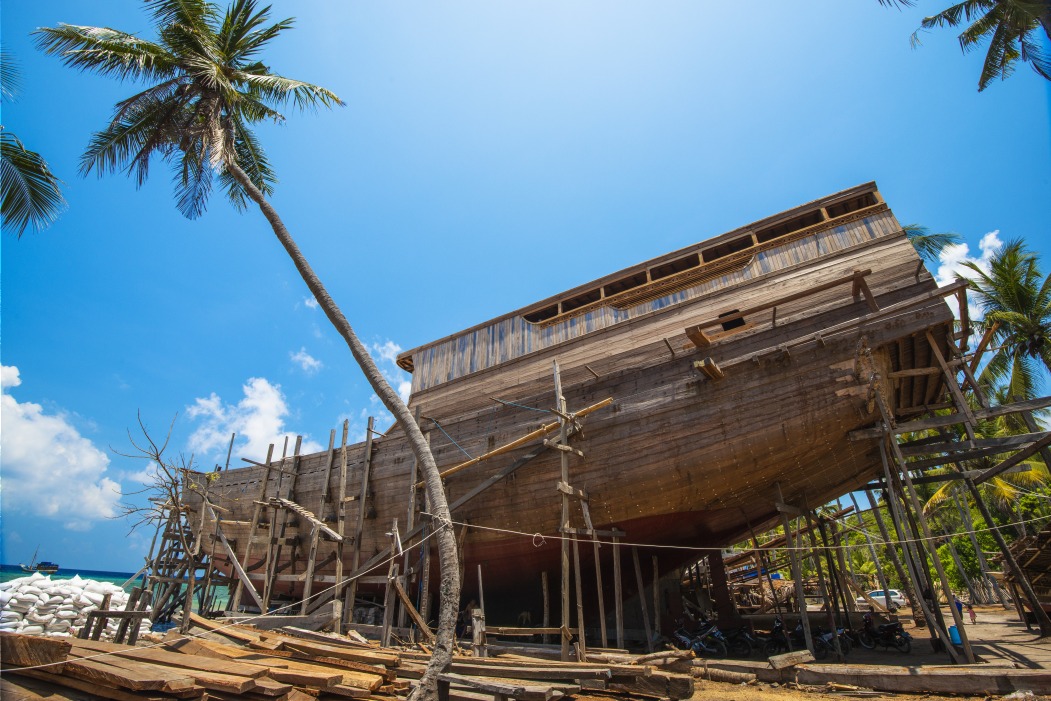
Tanaberu
Located 176 km from Makassar, the village of Tana Beru is home to the largest traditional shipyard in Sulawesi, where UNESCO-listed Pinisi vessels are born.
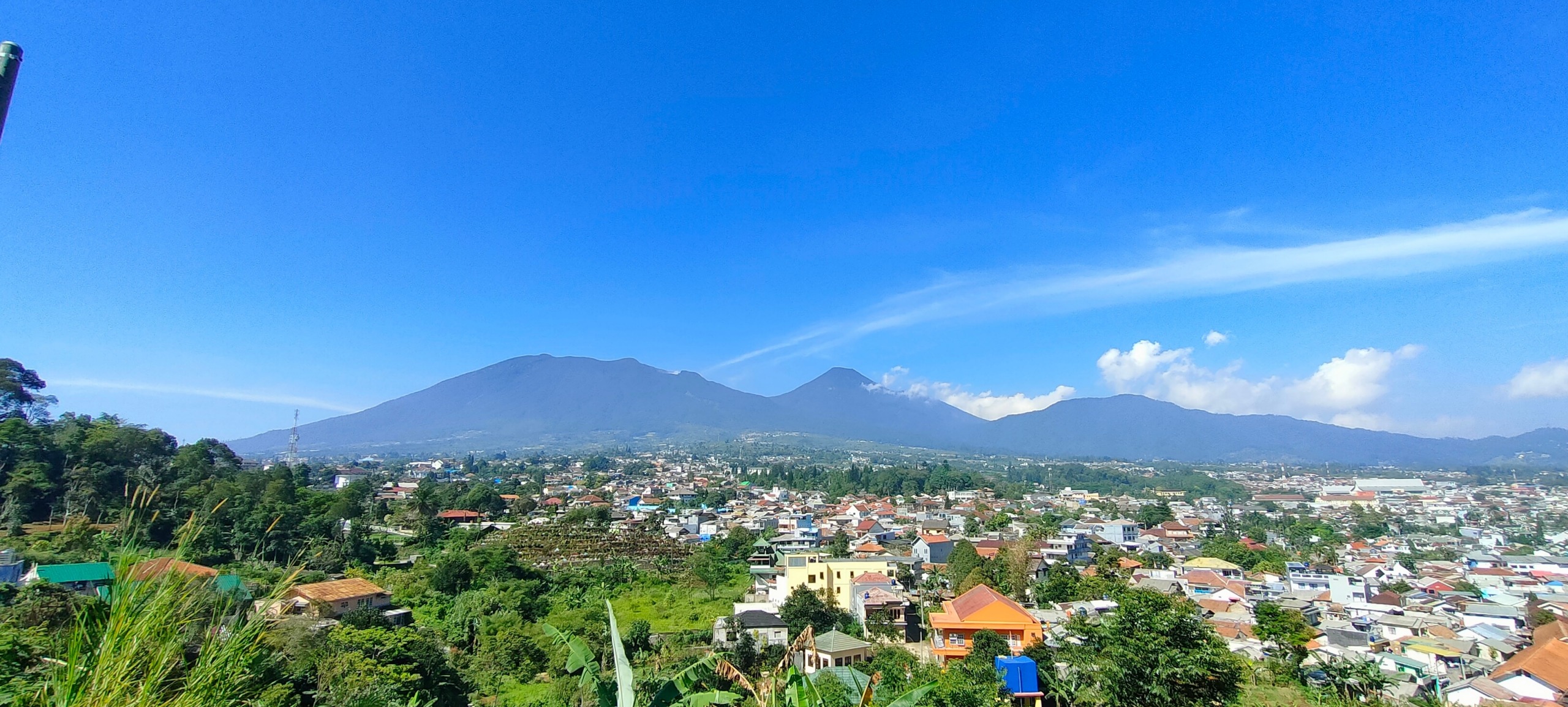
Cipanas
Just 86 km from Jakarta, Cipanas combines sulfurous hot springs, a presidential palace and the pristine nature of Gunung Gede Pangrango National Park.
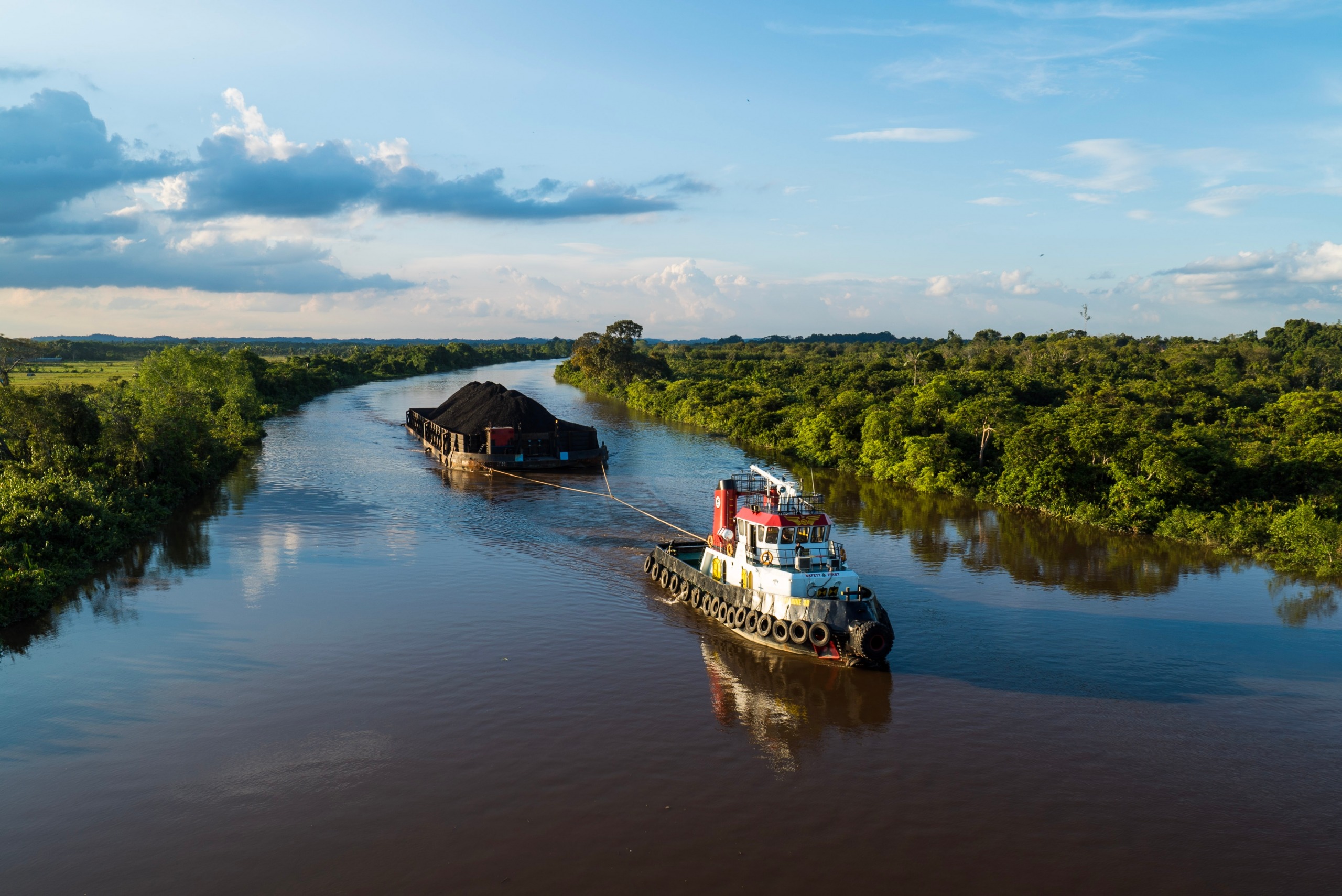
The Mahakam River
Indonesia's largest river located entirely within a single province, the Mahakam connects Samarinda to Dayak villages in central Borneo through lakes and forests.
Want to discover this destination?
Our local advisors design your tailor-made trip.