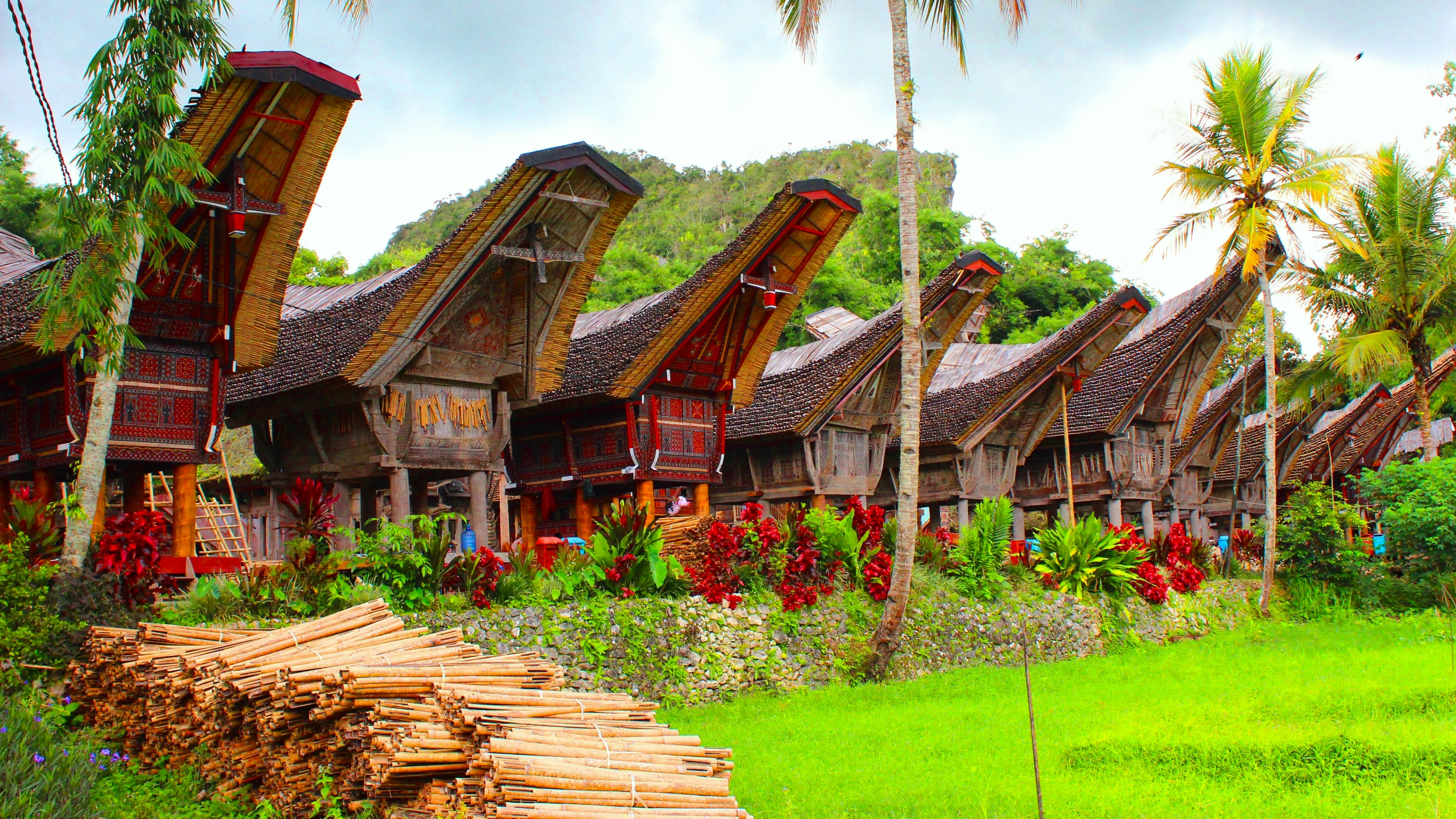
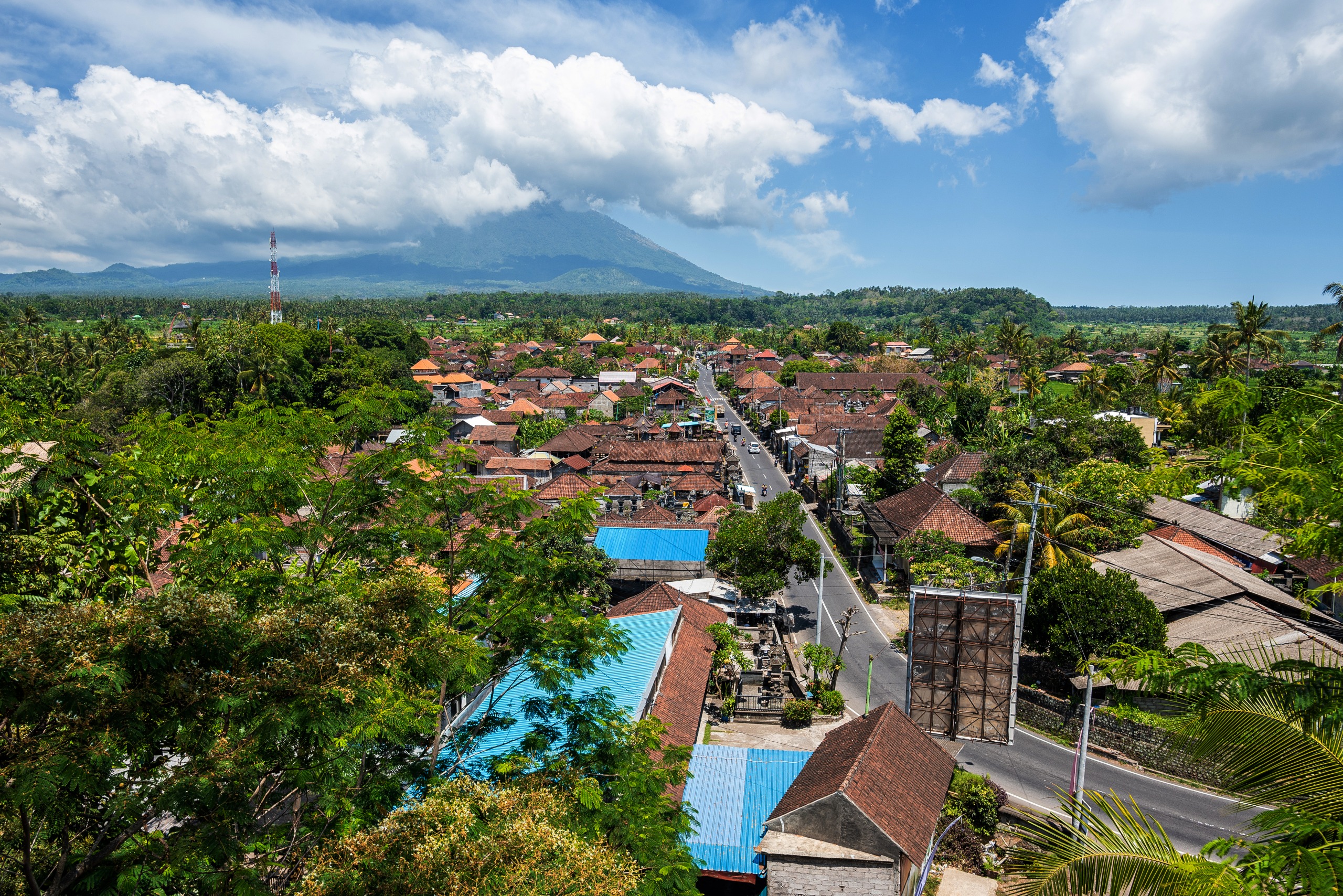
Raja Ampat and Papua
At the far east of the archipelago, Raja Ampat concentrates 75% of known corals and Papua is home to the Dani peoples of the Baliem Valley, at 1,600 meters altitude.
Raja Ampat and West Papua form the eastern extremity of the Indonesian archipelago, more than 2,500 kilometers from Jakarta. Our team has been organizing trips to this region from the capital, in coordination with our correspondents in Sorong and Wamena. It is an area we treat separately: the logistics, budget and pace are nothing like Bali or Java, and the traveler must accept an element of unpredictability inherent to Papuan air connections.
The Raja Ampat archipelago spans approximately 50,000 km² northwest of the Vogelkop peninsula, around four main islands: Waigeo, Batanta, Salawati and Misool. Scientists from Conservation International have recorded nearly 1,400 species of reef fish and 75% of known hard coral species to date, making it the richest zone in the Coral Triangle. In practice, when diving at sites like Cape Kri or Blue Magic, it is not uncommon to observe 200 different species in a single dive. The topography is equally striking: hundreds of limestone karsts covered in vegetation emerge from turquoise waters, forming the landscapes of Wayag to the north and Piaynemo, whose viewpoint remains the most photographed vantage point in the region.
Continental Papua, which extends east to the border with Papua New Guinea, shifts completely in character. The central mountains peak at 4,884 meters at Puncak Jaya, the archipelago's glacial summit. It is in the Baliem Valley, at 1,600 meters altitude around the town of Wamena, that the Dani, Lani and Yali peoples live. Their slash-and-burn agriculture, their round wooden houses (the honai), the markets of Wamena where sweet potatoes, taro and pork are still exchanged, testify to a way of life distinct from the rest of Indonesia. The Baliem Valley festival, in early August, gathers clans around mock battles and ritual dances: it is a staged production for visitors, certainly, but rooted in actual practices.
On a human level, Raja Ampat remains a territory of fishing villages, primarily Mayalibit, Arborek, Sawinggrai or Yenbuba. Homestays are run by Papuan families who rent a stilt cabin, generally between 350,000 and 500,000 IDR per person per night with full board. Grilled fish, rice and green vegetables (kangkung) make up daily fare. At the opposite end of the spectrum, 7 to 11-night liveaboard cruises, operated on traditional wooden phinisi, start from 350 euros per day per person, with three daily dives included.
The local economy is based on artisanal fishing, copra and, for the past fifteen years, strictly regulated ecotourism: every visitor to Raja Ampat must pay an environmental tax of 1,000,000 IDR (the Marine Park Entry Permit), valid for one year, with funds partly returning to villages. This local governance, supported by NGOs like The Nature Conservancy, has allowed the return of manta rays and sharks to no-take zones since 2007. It is a detail we systematically explain to our travelers: Raja Ampat is not a beach destination, it is an inhabited marine park whose visitor numbers are deliberately capped.
What to discover
Piaynemo viewpoint. Twenty minutes' walk on wooden boardwalk from the anchorage, then a plunging view over some thirty vegetation-covered karsts. Accessible by speedboat from Waisai in 2.5 hours.
Diving at Cape Kri and Blue Magic. Two sites in Dampier Strait known for their schools of barracudas, oceanic manta rays from December to March, and blacktip reef sharks patrolling the reef.
Baliem Valley with the Dani. Trek of 4 to 6 days between the villages of Wosilimo, Kurima and Kilise, at 1,600 m altitude. Nights with local families in honai, weekly markets in Wamena on Wednesday and Saturday.
Birds of paradise at Sawinggrai. One-hour walk before dawn in Waigeo forest to observe the courtship display of the Red Bird of Paradise (Paradisaea rubra), endemic to Raja Ampat.
South Misool lagoons. The least visited archipelago of Raja Ampat, 5 hours by speedboat from Sorong. Ochre rock paintings over 3,000 years old on the limestone cliffs of Tomolol.
When to go
The best period for Raja Ampat runs from October to April, with waters at 28-29°C, underwater visibility of 20 to 30 meters, and generally calm seas allowing transfers to Wayag and Misool. The oceanic manta ray season at Manta Sandy sites peaks from December to March. From May to September, the southeast wind strengthens, swell complicates connections to remote areas, and some liveaboard cruises suspend operations. Temperatures remain stable year-round between 26°C and 32°C, humidity hovers around 85%.
The Baliem Valley operates on a reversed calendar: the dry season, more pleasant for trekking, runs from May to September, with cool nights at 12-15°C at altitude and days at 22-25°C. The Baliem Valley festival is traditionally held in the first week of August. From December to March, rains make trails muddy and slippery, and Jayapura-Wamena flights are regularly canceled due to low cloud ceiling.
Practical advice
We recommend a minimum of 10 days in this region, ideally 12 to 14. Logistics alone consume time: Jakarta-Sorong represents 8 to 10 hours of travel with a stopover in Makassar, and Sorong-Waisai adds 2 hours by ferry. To combine Raja Ampat and the Baliem Valley, factor in two additional domestic flights via Jayapura, meaning 3 days just for transfers. Budget starts around 2,500 euros per person excluding international flights for 10 days in homestay, and quickly climbs beyond 5,000 euros on liveaboard cruise.
This region suits certified divers (a minimum of 30 dives is advised for Raja Ampat given the currents), birdwatchers, contemplative travelers prepared to accept modest comfort in homestays, and self-reliant walkers for continental Papua. We advise against it as a first Indonesian experience, for families with young children, and for budget-conscious travelers. The most coherent combination we offer from our agency is Raja Ampat as the finale of an itinerary through Sulawesi (direct Makassar-Sorong flights), or as an extension after Komodo and Flores for travelers prioritizing the marine world. Java and Bali, at the other end of the country, integrate less naturally into the same journey.