Practical information Indonesia
This section brings together practical information that we update from Jakarta throughout the seasons and regulatory changes. Tourist visas are obtained on arrival at Soekarno-Hatta or Ngurah Rai for 35 USD (Visa on Arrival, valid for 30 days, renewable once), or as an e-VOA online before departure. Your passport must be valid for 6 months after your entry date. Health-wise, no vaccines are mandatory except yellow fever if arriving from an endemic zone, but we recommend hepatitis A and B, typhoid, and updated DTP. Malaria remains present in Papua, rural Sumatra, and certain areas of Flores: a travel medicine consultation 4 to 6 weeks before departure is useful. Dengue circulates year-round, especially during the rainy season. Daily budget on the ground ranges between 60 and 120 euros per person on a comfortable circuit with driver, excluding domestic flights. The Indonesian rupiah (IDR) exchanges easily, and ATMs are frequent in cities. Transport combines domestic flights with Garuda or Citilink (essential between islands), car with driver on Java and Bali, and ferries or private boats to Komodo and the Gili Islands. As for etiquette, remove your shoes when entering a home or temple, cover shoulders and knees in religious places, and avoid using your left hand to give or receive. Dominic answers all your specific questions before departure.
Plan your trip by theme
Explore our practical guides organized by category to quickly find the information you need.

Before You Go
Visa on Arrival at 35 USD or online e-VOA, passport valid for 6 months, travel insurance and formalities to plan ahead.
3 articles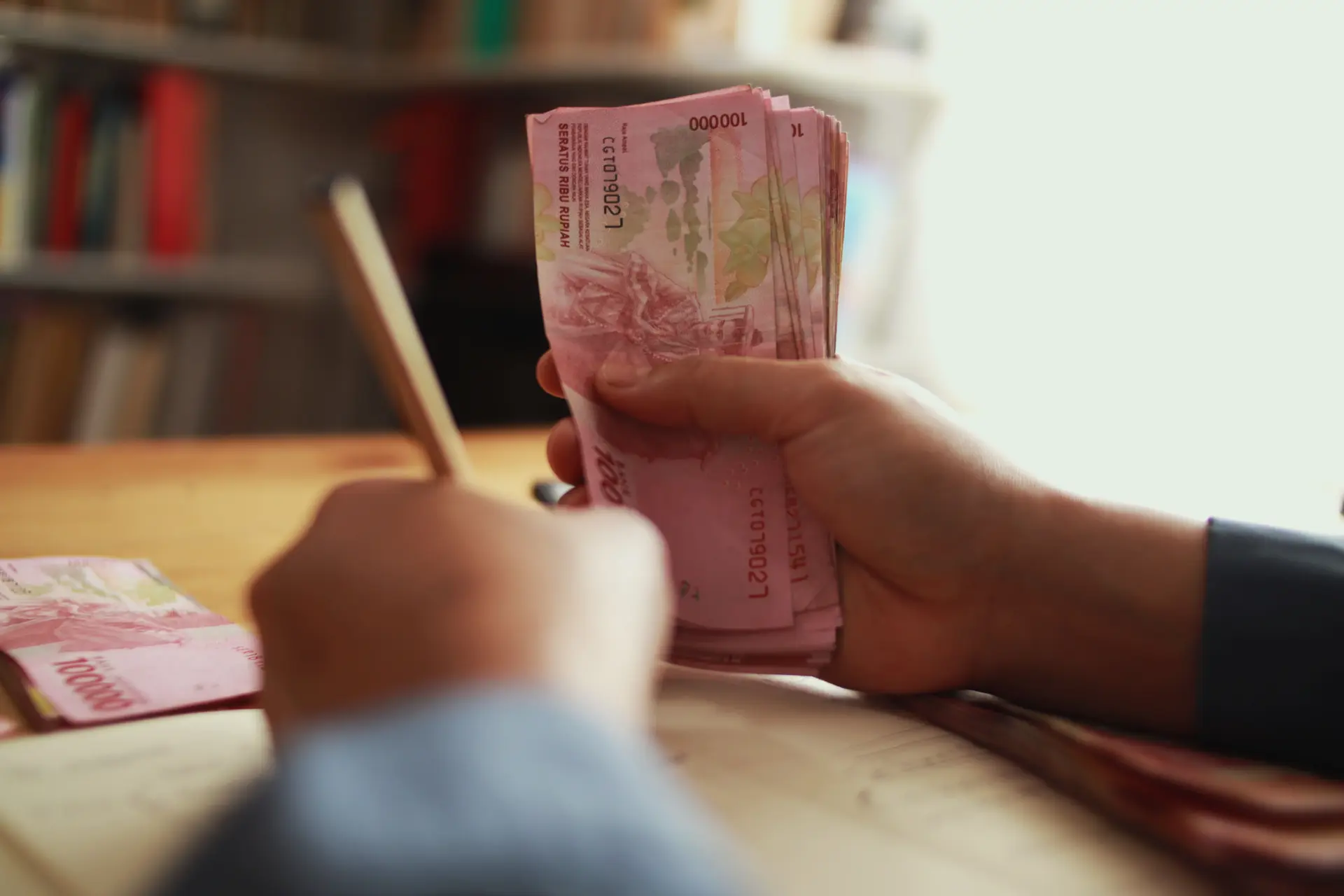
Money Budget
Indonesian rupiah, indicative rate 17,000 IDR to 1 EUR, budget 60 to 120 EUR per day, cards and tips.
1 article
Climate & Season
Dry season from April to October, rainfall from November to March, temperatures between 26 and 32 °C, variations depending on the islands.
2 articles
Transports
Domestic Garuda and Citilink flights between islands, driver-assisted car on Java and Bali, ferries and private boats.
2 articles
Culture
Shoes removed in homes and temples, modest clothing in sacred places, local greetings and customs.
31 articles
Useful Tips
Overall good security, bottled water, type C and F sockets, decent 4G connectivity, our team's advice.
4 articlesAll practical guides
Search and filter among 43 articles


18 of 43 results
Frequently asked questions
The answers to the most frequently asked questions from our travellers.
A tourist visa is required for most nationalities. Visa requirements and eligibility depend on your nationality and should be verified with the embassy or consulate of Indonesia in your country of residence, as well as with the relevant authorities in your own country. Two options are generally available: a Visa on Arrival (VOA) issued at major international airports (Jakarta, Bali, Surabaya, Yogyakarta, Medan), or an e-VOA to be requested online before departure. Both typically allow for a stay of 30 days, with the possibility of extension. Your passport must be valid for at least 6 months from your date of entry and contain at least 2 blank pages. A return or onward ticket may be requested upon arrival.
No vaccination is mandatory to enter Indonesia, except yellow fever if you are arriving from a country where it is endemic. We strongly recommend updating your DTP (diphtheria, tetanus, poliomyelitis), hepatitis A, hepatitis B, and typhoid vaccinations. Rabies vaccination is advised for long stays or rural visits, particularly in Bali where stray dogs are numerous. Malaria remains present in Papua, rural areas of Sumatra, Flores and Sulawesi: prophylactic treatment should be discussed with your doctor. Dengue circulates year-round, with no systematic vaccine available: anti-mosquito protection is needed day and night. Consult a travel medicine center 4 to 6 weeks before departure.
Budget between 60 and 120 euros per day and per person for a comfortable land circuit, excluding international flights. This covers accommodation in 3 or 4-star hotels, meals, driver-guide, site entrance fees and transfers. As an indication: a meal at a local warung costs 3 to 5 euros, a restaurant dinner 10 to 20 euros, a night in a boutique hotel in Ubud 60 to 90 euros, a 3-day cruise to Komodo on a pinisi 400 to 700 euros per person. Domestic flights add 50 to 150 euros per segment. Raja Ampat and Papua require a significantly higher budget, around 200 to 300 euros per day.
The dry season extends from April to October across most of the country (Java, Bali, Lombok, Komodo, Sulawesi), with peak visitor numbers in July-August. Temperatures remain stable around 26 to 32°C in lowland areas, cooler at higher altitudes. The rainy season runs from November to March: brief but intense showers, mainly in late afternoon. Sumatra experiences rainfall distributed throughout the year, more pronounced from October to April. For Raja Ampat, the ideal window is October to April, with calm seas. Avoid the Nyepi period in Bali (March, a day of silence when the airport closes for 24 hours) and book flights in advance for the high season.
With 17,000 islands spread across 5,000 kilometres, flying becomes essential for long distances. Airlines including Garuda Indonesia, Citilink, Batik Air and Lion Air operate daily services connecting major cities. On Java and Bali, car hire with a driver is recommended: flexible, air-conditioned, and well-suited to short distances, though traffic can be heavy. Public ferries connect nearby islands (Bali–Lombok, Java–Bali), while private boats and traditional phinisi vessels serve Komodo, the Gili Islands and the Togian Islands. Train services operate effectively on Java between Jakarta, Yogyakarta and Surabaya. Self-driving is not advisable due to unpredictable traffic conditions and road patterns.
Overall, Indonesia is a safe destination for travelers. Petty crime exists in Jakarta, Kuta, and tourist areas (pickpocketing, taxi scams): take standard precautions, keep your bag closed, and use Bluebird taxis or Grab and Gojek apps. Central Papua and certain parts of the Moluccas experience occasional political tensions: we avoid these areas. Seismic and volcanic risks are part of daily life, with clear guidelines in place locally. Scooter driving causes numerous accidents among travelers, particularly in Bali: we advise against it unless you have confirmed experience. Our team in Jakarta monitors current events daily and adjusts itineraries if necessary.
Ready to travel to Indonesia?
Discover our tailor-made itineraries, designed by our local team. Each route adapts to your pace, your preferences and your travel season.
See our toursWe use cookies to improve your experience and measure our site's audience. You can choose what you accept. Learn more.