Tomohon Volcanic Region
Tomohon Volcanic Region
Active volcanoes, sulfurous lakes with shifting colours, forest waterfalls and a traditional market: the Tomohon region in northern Sulawesi, explained.
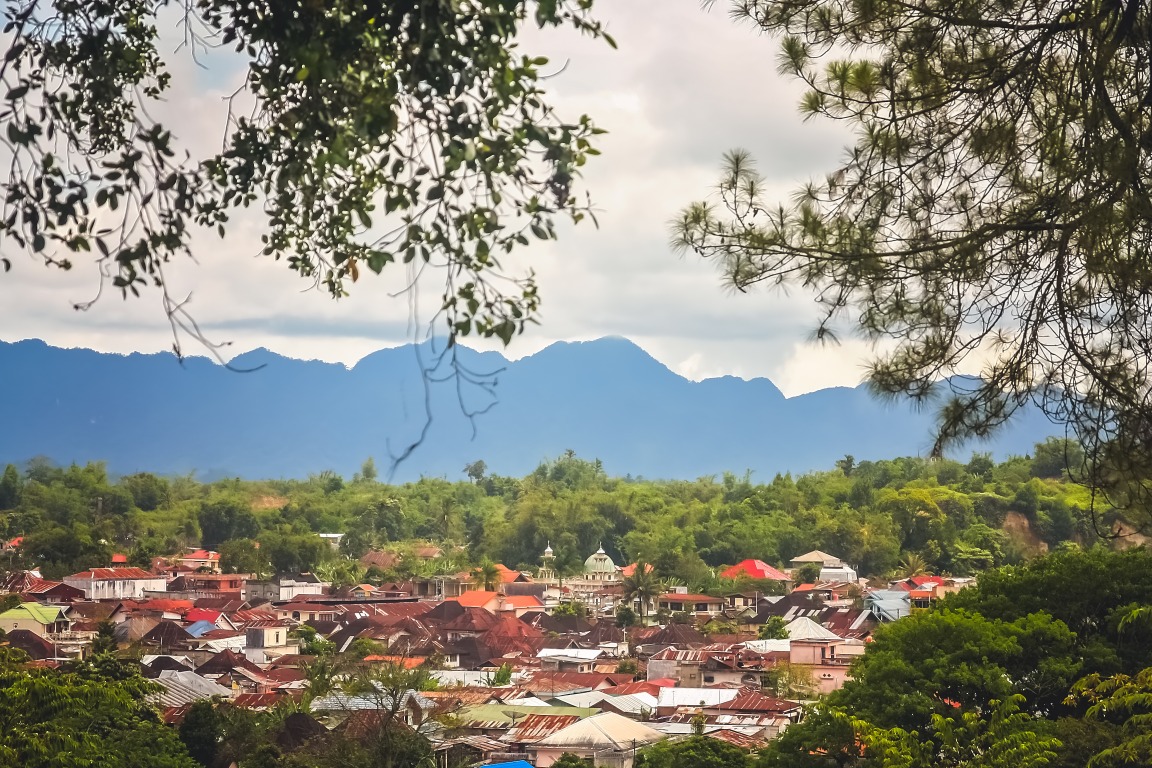
In northern Sulawesi, Tomohon is a small mountain town surrounded by active volcanoes, volcanic lakes and waterfalls deep in the forest. Known for its controversial market, the region also concentrates several natural and historical sites accessible in one to two days from Manado.
Why visit the Tomohon region
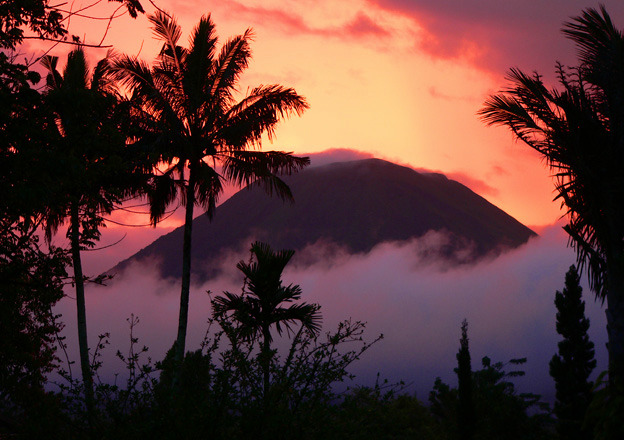
Tomohon sits on a high plateau bordered by the Lokon, Empung and Mahawu volcanoes. The climate here is cooler than in Manado, and the landscape alternates between flower fields, tropical forests and fumaroles. The region attracts visitors for three main reasons: active volcanism (accessible craters, sulfurous lakes, hot springs), a Minahasa cultural heritage marked by colonisation and the Second World War, and a traditional market that candidly reflects local culinary culture.
August hosts the Tomohon International Flower Festival, the most visible event on the local calendar, featuring flower-decorated float parades and entertainment in the city centre.
What to see and do
Pasar Beriman Market
Tomohon's traditional market, or Pasar Beriman, is known for selling meats considered exotic by foreign visitors: bats, wild rats, snakes, and historically dog meat. The sale of canine meat has been subject to regulations since 2023 and tends to diminish, but the practice remains visible. The market also offers fresh fruit, vegetables and fish. A visit is interesting for understanding Minahasa culinary culture, but may disturb sensitive visitors. Prefer the morning for activity, and keep in mind that images can be distressing.
Lokon and Empung Volcanoes
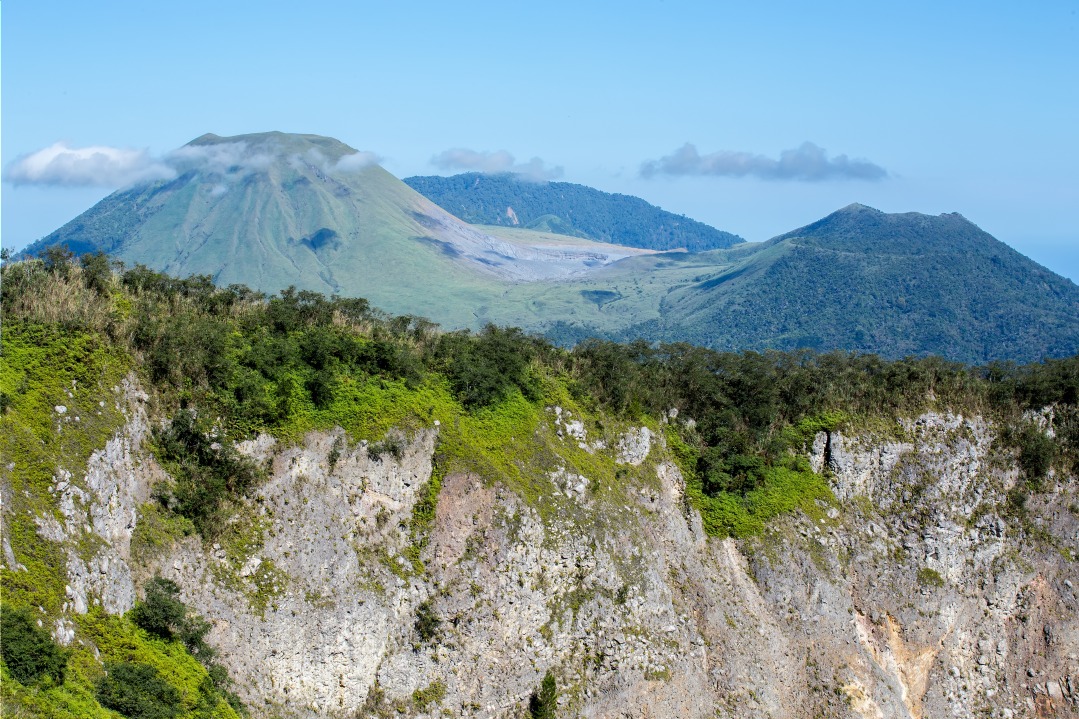
These twin volcanoes rank among Sulawesi's most active. Lokon peaks at around 1,580 m and Empung is slightly lower, their summits separated by a pass at roughly 800 m elevation. Empung harbours a crater 150 m deep and 400 m wide, its last eruption dating back to the 18th century. Between the two summits, a second crater measuring 150 m by 200 m contains an acidic lake that continuously vents volcanic gases. Today this is the most active zone of the entire complex. Ascent requires a local guide due to eruptive activity and occasional access restrictions.
Mount Mahawu
East of Lokon-Empung, Mahawu (1,324 m) offers more accessible hiking. Its last active phase dates to 1994 (mud pools, fumaroles, geysers along the crater lake). The crater measures 180 m wide by 140 m deep, and two pyroclastic cones rise on the northern flanks. Established steps ease ascent from the car park, and a trail allows you to complete a full crater circuit in roughly an hour. Clear views across the Tomohon plateau and neighbouring volcanoes.
Linow Lake
Three kilometres west of Tomohon, Linow Lake is of volcanic origin. It is bordered and fed by hydrothermal springs that spew hot gas at the surface and in the depths. Its distinctive feature is its colour-shifting nature — from red to dark green via blue — caused by variations in water chemistry depending on light angle. Swimming is impossible: sulphur content is too high and the site releases a characteristic rotten-egg smell. Several cafés offer clear views across the lake with volcanoes in the background.
Kali Waterfall
The Kali Waterfall plunges 60 metres into a narrow gorge, deep in the forest. Flow remains strong even during the dry season, and tropical vegetation (moss, ferns) maintains a humid atmosphere. Access takes approximately two hours of hiking through forest on an uneven trail — bring closed shoes and water.
Tumimperas Waterfall
More accessible, Tumimperas Waterfall is reached in 15 minutes of walking from the car park. A good option for a relaxed half-day, or to complement a Linow Lake visit.
Tetetana Hill
Located in the village of Kumelembuai, Tetetana Hill serves as a viewpoint over Bitung Mountain, Mount Klabat and Tondano Lake. A basic hut offers shelter. A site frequented at day's end for lake light.
Kawangkoan Japanese Cave
Between the town of Kawangkoan and Kiawa village, the Kawangkoan Japanese Cave was excavated in 1943 by forced Minahasa labourers during the Japanese occupation. Its construction took over a year. The cave features four entrances and a network of corridors connecting chambers used to store weapons, ammunition and food. It served until the final phase of the Second World War. A short visit (30 to 45 minutes) with a torch being useful.
Tondano Lake
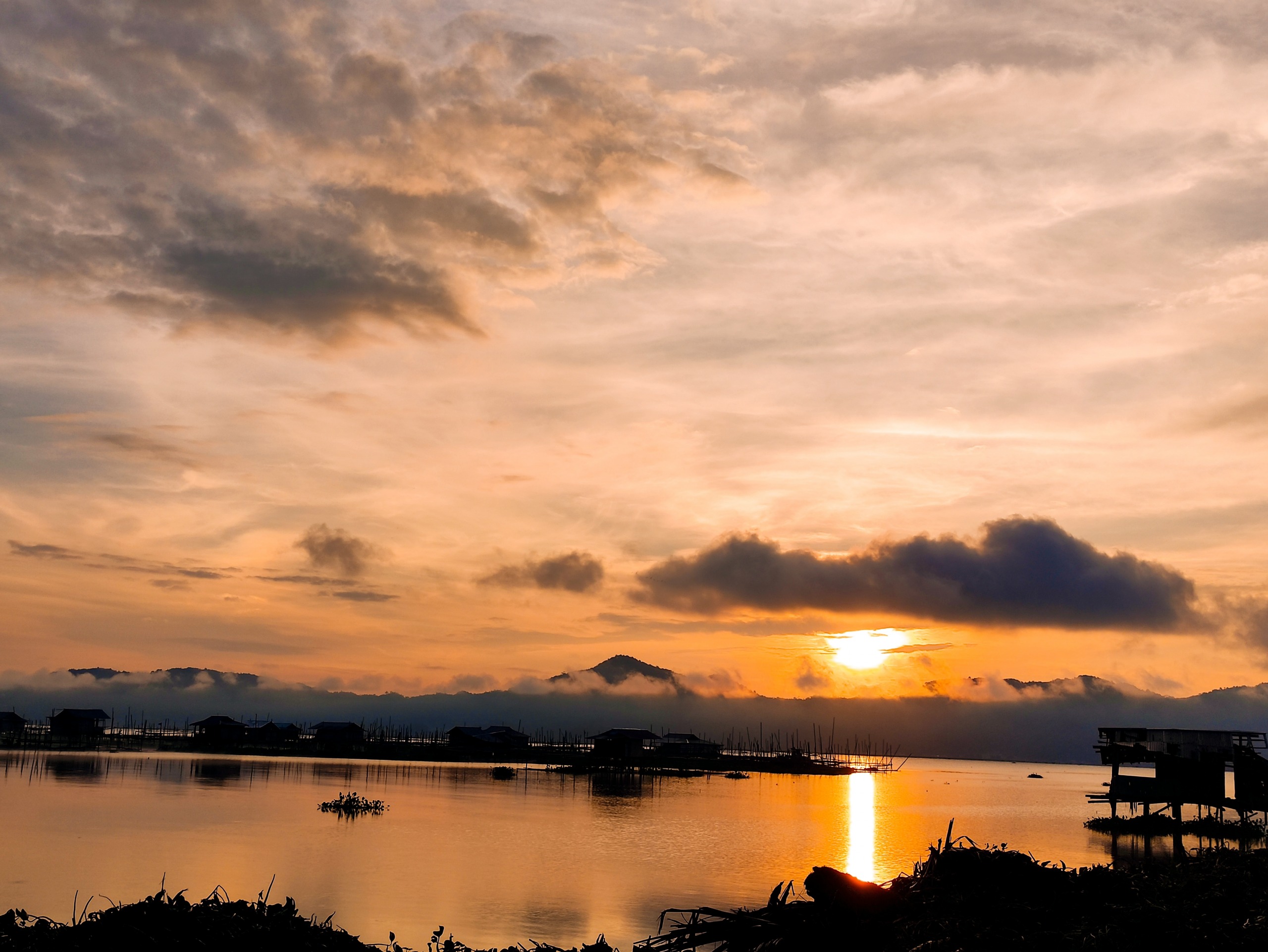
Tondano Lake is northern Sulawesi's largest freshwater lake. Framed by mountains and hills, it is lined with several restaurants specialising in freshwater fish. A lake circuit by car is possible in two to three hours with stops.
Practical information
- Recommended duration: 2 to 3 days to cover volcanoes, lakes and cave without rain.
- Guide: essential for Lokon-Empung volcanoes due to eruptive activity; optional but recommended for Mahawu.
- Equipment: hiking shoes, warm clothing (altitude cools mornings), windbreaker, torch for the cave.
- Accommodation: guesthouses and ecolodges around Tomohon, more economical than Manado.
- Entry fees: moderate at most sites, payable in cash (Indonesian rupiah).
When to go
The dry season, May to September, offers the best conditions for volcanic hikes and viewpoints. Trails are less slippery and skies clearer. August coincides with the flower festival: wonderful atmosphere but book accommodation well ahead. The rainy season (November to March) remains viable for market and cave visits, with more impressive waterfall flow.
How to get there
Tomohon lies 25 km south of Manado, roughly 1 hour's drive. Standard options are private car with driver, taxi, or scooter rental for independent travellers. Manado is the gateway to northern Sulawesi: its Sam Ratulangi Airport connects to several Indonesian cities as well as Singapore and Davao (Philippines).
In the surroundings
Manado, on the coast, serves as a logistics base and provides access to the Bunaken Marine Park, one of Indonesia's premier diving destinations. Further south, the Sangihe-Talaud archipelago and Tangkoko Reserve (tarsiers, black macaques) complete a northern Sulawesi itinerary. To extend an Indonesia trip, you can combine Sulawesi with other volcanic or island regions such as Komodo Island, Rinca Island, or with Sumatra landscapes around Sipiso-piso Waterfall.
Frequently asked questions
Frequently asked questions
Plan your trip
The Tomohon region naturally fits into a northern Sulawesi circuit combining volcanoes, diving at Bunaken and endemic fauna at Tangkoko. To build a bespoke itinerary, consult our Indonesia travel suggestions.
Nearby
Interested in this visit?
We can include it in your personalised itinerary.