Bima
Bima
On the island of Sumbawa, Bima reveals a deep bay, tranquil beaches and little-known sultanic heritage, midway between Lombok and Komodo.
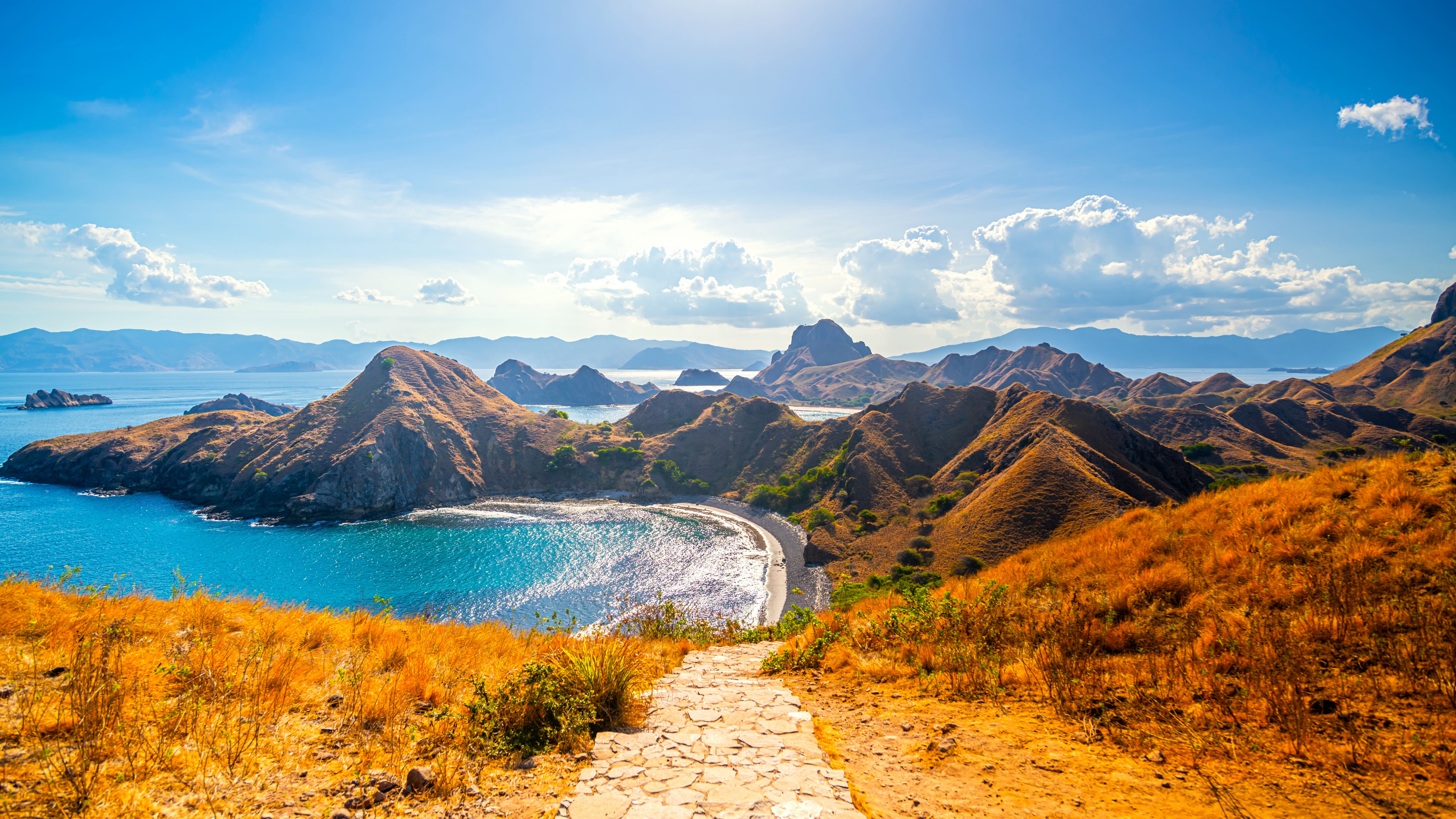
Located in the eastern part of Sumbawa island, Bima is a charming coastal town that blends natural beauty with modern comfort. Renowned for its magnificent bay and impressive coral reef, it stands out as a prime destination to enjoy seaside pleasures in tranquility, far from the bustle of major cities.
History
The region of Bima was established in the 15th century when the 5 Ncuhi (small groups) united to form a single entity, under the leadership of Sultan Abdul Kahir. Yet long before this period, the region was home to a thriving civilization inhabited by Malays, as evidenced by prehistoric remains and documents discovered throughout the area. Moreover, thanks to its position on a major maritime route, Bima ranked among the most prosperous port cities and maintained commercial ties with several towns in eastern Indonésie including Makassar, Ternate, Lombok, Bali, and Java. As for the town's name, it derives from the name of the region's first sovereign, "Bima."
Today
Today, the city of Bima ranks among the most important towns in eastern Sumbawa. Its population comprises various migrants from different regions of Indonésie such as Java, Lombok, and Bali. From a tourism perspective, the city offers diverse natural and cultural attractions allowing visitors to spend pleasant moments in a picturesque setting.
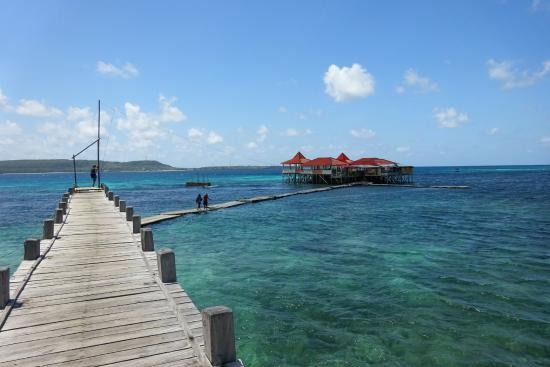
Among the attractions that have earned the town its reputation, beaches top the list. Additionally, blessed with a tropical climate and very low precipitation throughout the year, Bima is the premier beach destination in eastern Sumbawa. The must-see spot in the region is Kalaki Beach, known for its calm, shallow waters offering excellent visibility for diving enthusiasts. Other locations such as Lawata Beach, Amahami, Ule, and Kolo beaches are equally worth exploring.
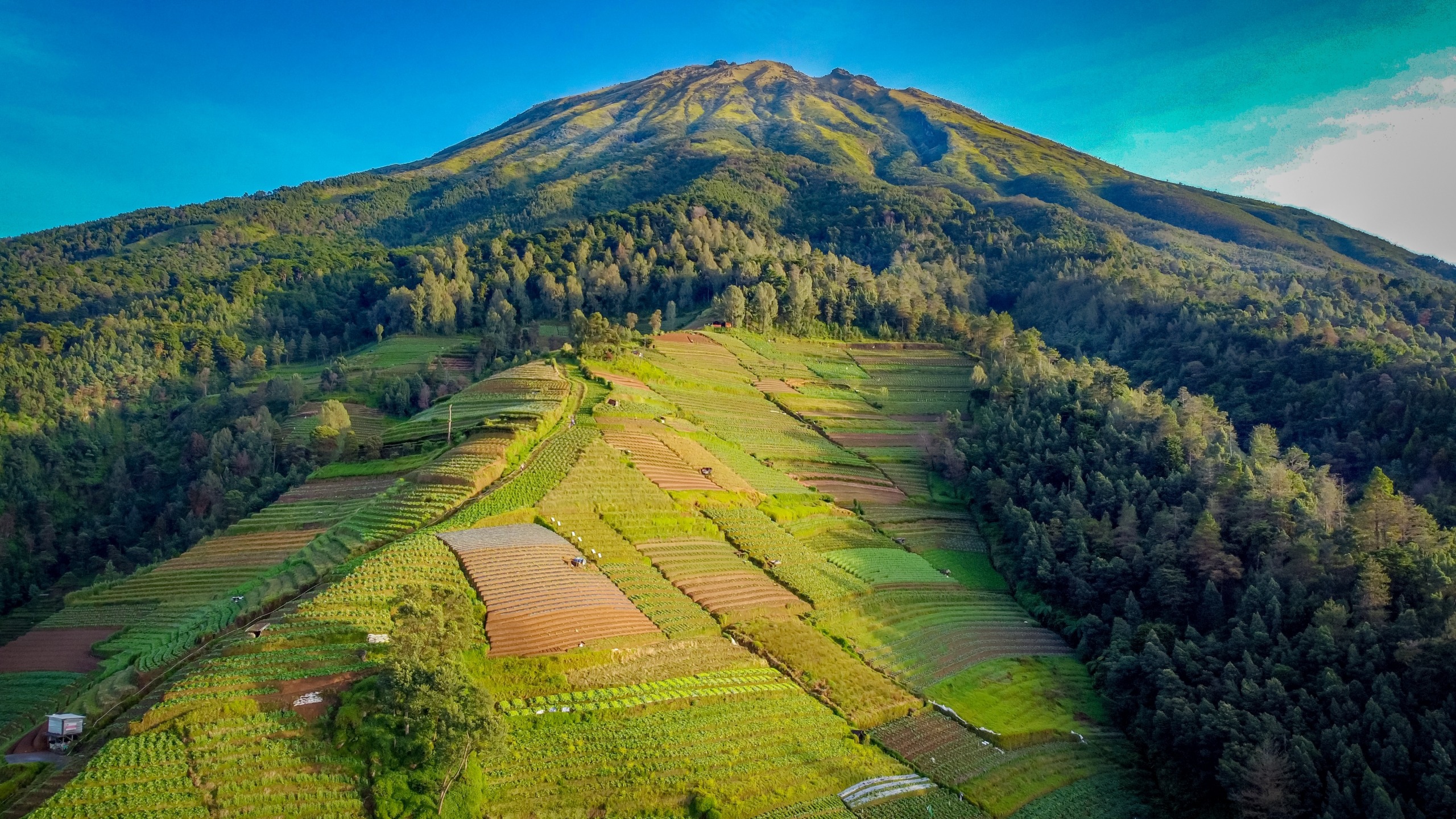
Beyond beach pleasures, the city of Bima also offers sporting activities such as hiking, notably the ascent of Mount Pendu Nence, the town's highest point. At 1,050 meters in elevation, this mountain offers breathtaking views of the city and its surroundings. For those passionate about climbing and speleology, Ringi Ncanga Cave awaits, where you can admire networks of underground rivers and the impressive waterfall within.
Climate
The Bima region features a tropical climate with very low precipitation throughout the year. Indeed, average annual rainfall measures just 58.75 mm, placing the region among the most arid areas of Sumbawa island.
The city of Bima is accessible by air, sea, and land.
By Air
The sole airport in the Bima region is M. Salahuddin. Airlines such as Tans Nusa and Wings Air operate connections between the island and major archipelago cities including Mataram, Denpasar, Surabaya, and Jakarta.
By Sea
Visitors opting for maritime transport can dock directly at Bima's port.
By Land
The city of Bima has three terminals serving connections to the city and surrounding areas. Dara Terminal handles interurban and interprovincial transport. Kumbe Terminal links Bima with the eastern part of the island. Jatibaru Terminal, in turn, connects the city to the northern part of the island.
Want to discover this destination?
Our local advisors design your tailor-made trip.