Kraton
Kraton
Royal palace of Yogyakarta established in 1755 by Sultan Hamengku Buwono I, the Kraton combines an active court, dynastic collections and Javanese performances.
Residence of the Sultan of Yogyakarta and living seat of Javanese culture, the Kraton occupies the southern end of Malioboro Avenue. Built in the eighteenth century, this palace combines political function, court life and heritage open to the public. A visit here illuminates how Javanese royalty survived Dutch colonisation and Indonesian independence while remaining an active cultural force today.
Why visit the Kraton
The Kraton is far more than a museum: it is an active royal court, where servants in traditional dress (the abdi dalem) maintain the pavilions and perpetuate ritual practices. A visit allows you to understand the Indo-Javanese cosmology inscribed in the architecture, to witness gamelan concerts or dance demonstrations, and to grasp the unique political role of the Yogyakarta Sultanate, the only monarchy recognised within the Indonesian Republic.
The site lends itself to a half-day visit, best combined with the historic quarters nearby. It appeals to travellers interested in dynastic history, Javanese performing arts and courtly craftsmanship.
History of the palace
The Kraton was constructed by Prince Mangkubumi in 1755, following the signing of the Treaty of Giyanti. This accord, negotiated with the Dutch East India Company, marked the division of the Javanese kingdom between the House of Hadiningrat, established in Yogyakarta, and the House of Paku Bowono, based in Surakarta. Mangkubumi then took the title of Sultan Hamengku Buwono I and fixed his court in Yogyakarta.
The entire complex was designed in accordance with the precepts of Indo-Javanese cosmology: a north-south axis linking the Merapi volcano to the Indian Ocean, a series of concentric courts, and the symbolic orientation of gates and pavilions. This cosmological logic still structures the Kraton's space today.
On 21 June 1812, Thomas Stamford Bingley Raffles, then British Lieutenant-Governor of Java, led an attack on Yogyakarta. The city fell in a day, the palace was ransacked and burned, and a portion of the royal archives and treasures was carried away. The Kraton was subsequently rebuilt, but this episode remains one of the great traumas in the sultanate's history.
What to see
The Bangsal Kencana, golden pavilion
The centrepiece of the complex, this pavilion houses the royal gamelan musical instruments. Its stained glass and carved columns are among the palace's most remarkable architectural features.
The sultanate's collections
Several rooms display court furniture, porcelain, vintage photographs and detailed genealogical trees of the Hamengku Buwono sultans. Part of the collection documents the daily life and court ceremonies of the nineteenth and twentieth centuries.
Live performances
Javanese dance performances and gamelan concerts are regularly organised within the palace grounds. The programme varies according to the day of the week; enquire at the entrance for scheduled performances.
The abdi dalem
You will encounter the sultan's servants in sarong and traditional dress, who maintain and welcome visitors. Their presence gives the place its character as a living court rather than a static museum.
Practical information
- Visit duration : allow 1.5 to 2.5 hours depending on your interest in the collections and performances.
- Admission : entrance at modest cost, moderate surcharge for photography. Rates and hours vary; check on site or with your accommodation the day before your visit.
- Opening hours : open in the morning and early afternoon, closing earlier on Friday.
- Dress code : smart casual recommended (shoulders and knees covered), as for any Javanese ceremonial site.
- Guide : English-speaking guides are available at the entrance. Their commentary is useful for decoding the palace's iconography and cosmology.
How to get there
The Kraton is located at the southern end of Malioboro Avenue, in Yogyakarta's historic centre. From most central hotels, access is by foot in 15 to 30 minutes, by becak (traditional cycle-rickshaw) or local taxi. Drivers are familiar with the site under its Indonesian name Keraton Ngayogyakarta Hadiningrat.
Nearby attractions
Several sites naturally complement a visit to the Kraton:
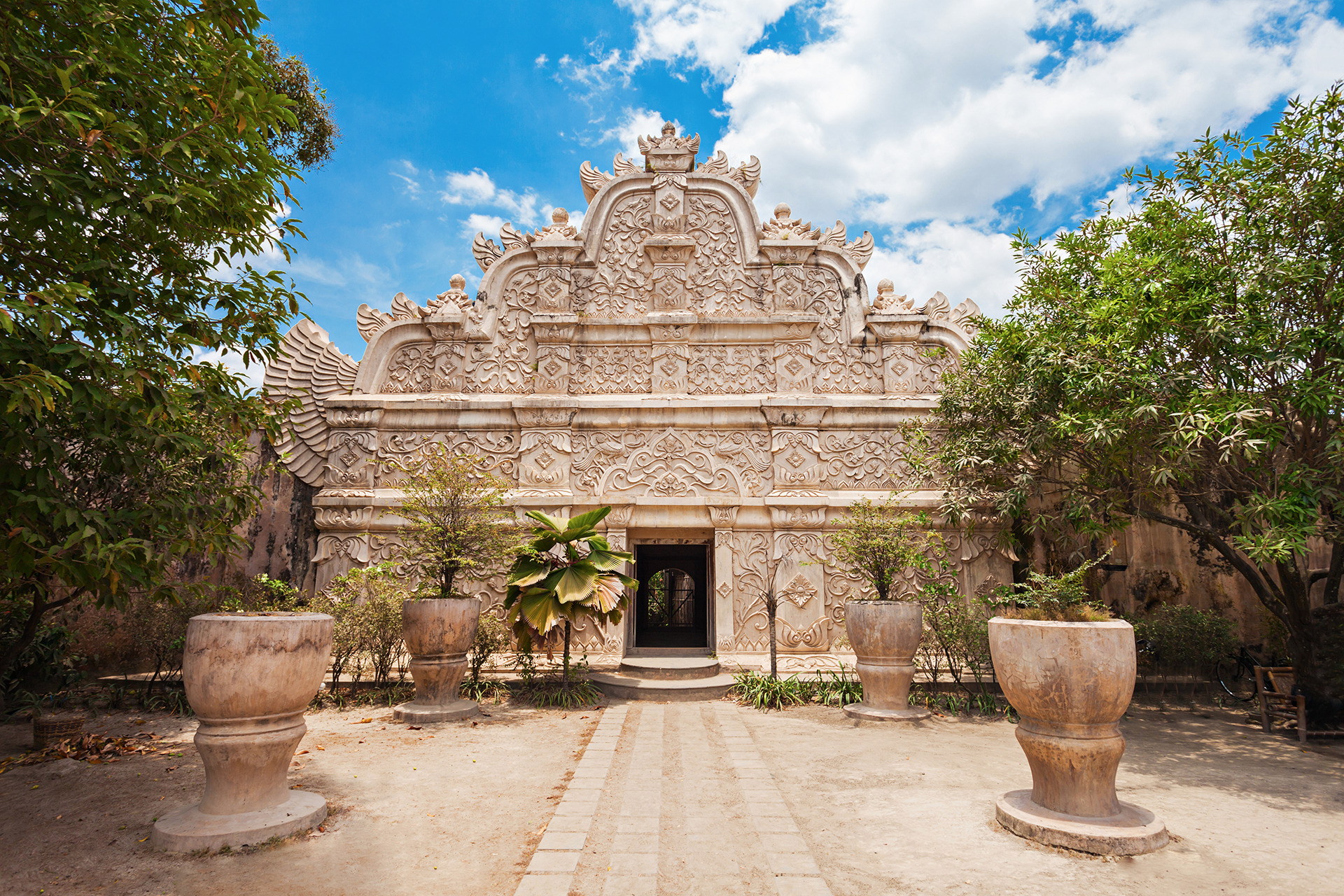
- Taman Sari (Water Castle) : former royal water garden just a few minutes' walk away, with its pools and underground tunnels.
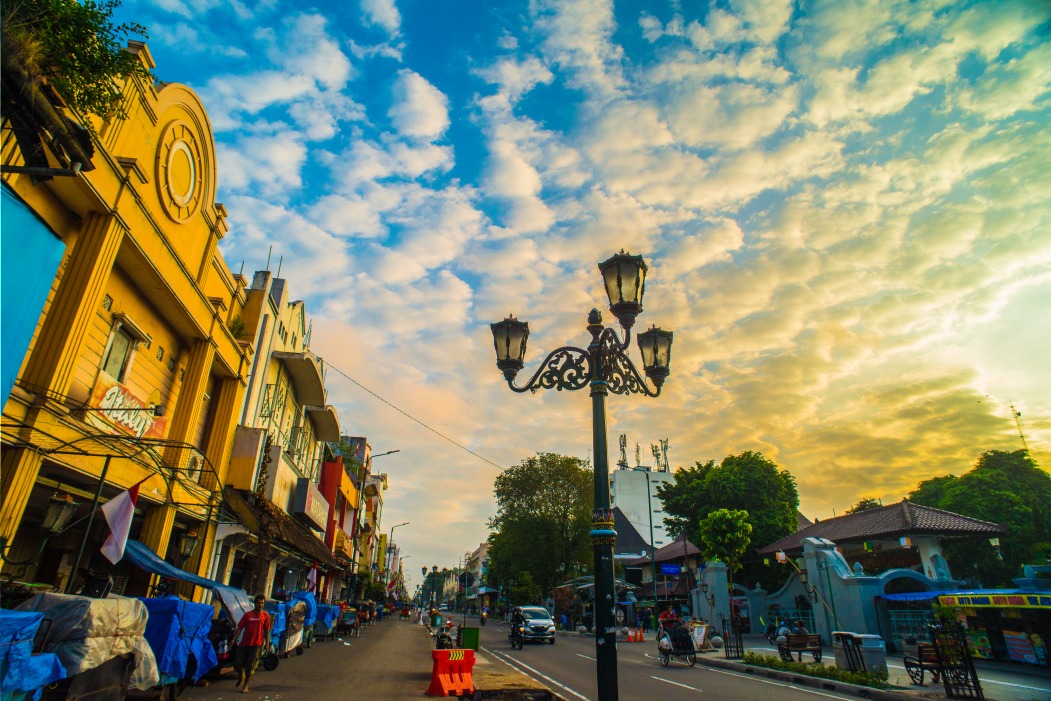
- Malioboro Avenue : historic commercial thoroughfare linking the palace to the Tugu monument, ideal for an evening stroll.
- Alun-Alun Kidul : large square south of the Kraton, lively in the evening, with its sacred banyan trees.
Further afield in the archipelago, Indonésie offers very different facets: the volcanic observation post at Babadan on the slopes of Merapi, or the landscapes of the Galunggung volcano in West Java. For nature enthusiasts, Komodo Island and Rinca Island are home to the famous dragons.
Frequently asked questions
Frequently asked questions
Allow 1.5 to 2.5 hours to tour the pavilions, view the collections and catch a fragment of a performance if the programme permits.
Clothing covering shoulders and knees is recommended. The Kraton remains an active ceremonial site, and certain pavilions require respectful behaviour similar to that expected in a temple.
Without a guide, many objects and symbols remain obscure. Guides available at the entrance offer commentary in English at a modest rate and add real value to the experience.
The Kraton is open most days, with earlier closing on Friday and occasional closures during royal ceremonies. Check on the day itself with your accommodation.
Gamelan concerts and Javanese dance demonstrations are scheduled according to the day of the week. The palace reception displays the weekly calendar.
Incorporate the Kraton into your journey
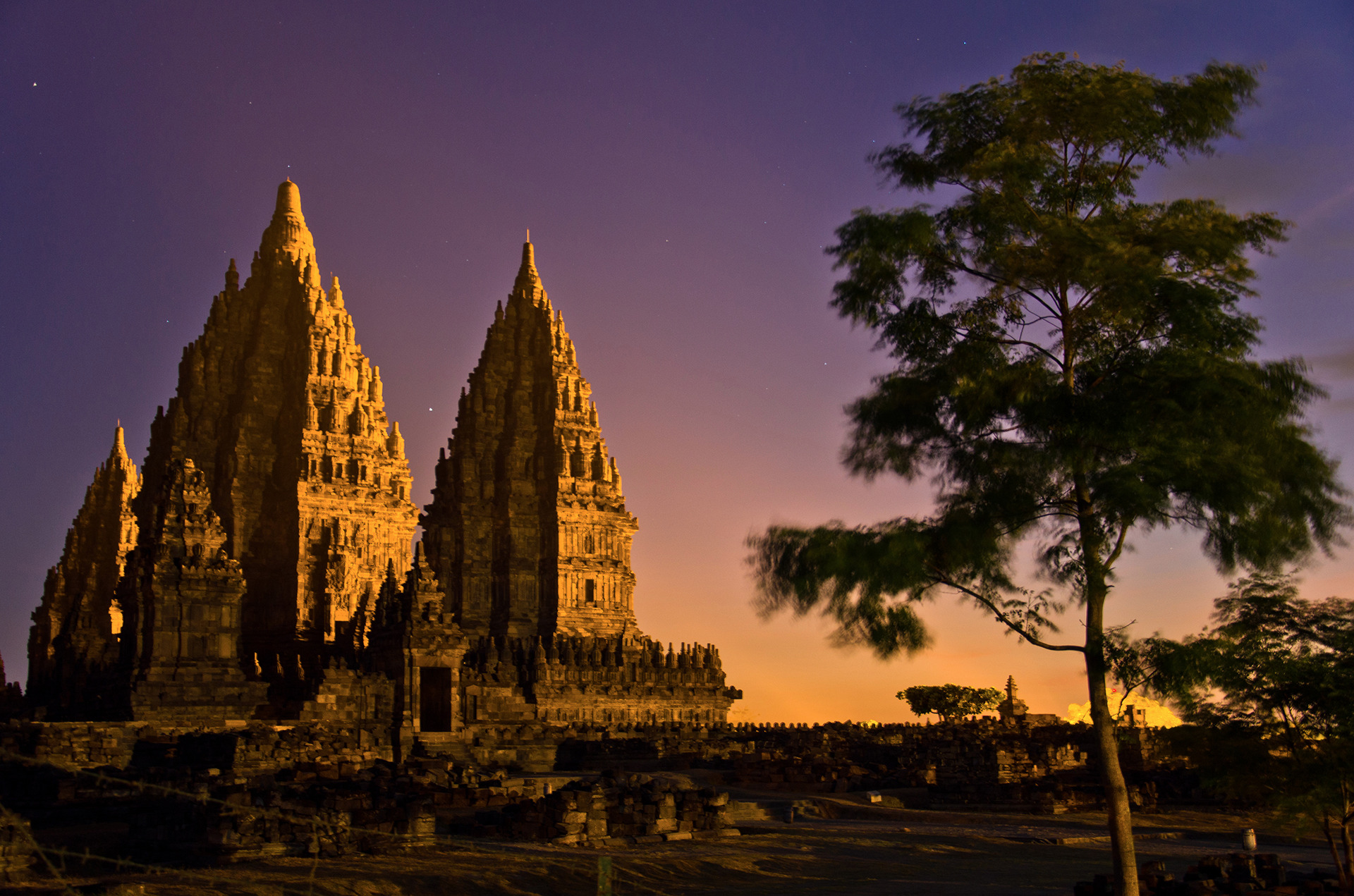
The Kraton fits naturally into a cultural itinerary in Yogyakarta, between the temples of Borobudur and Prambanan, the Taman Sari district and batik and silver artisan villages. To build a bespoke trip incorporating the sultanate, Java's volcanoes and possibly Bali or the Lesser Sunda Islands, explore our journeys in Indonésie.
Nearby
Interested in this visit?
We can include it in your personalised itinerary.