Malioboro Avenue
Malioboro Avenue
An emblematic thoroughfare of Yogyakarta, Malioboro blends Dutch colonial heritage, Javanese craftsmanship and street food along 2.5 km in central Java.
Malioboro Avenue, or Jalan Malioboro in Indonesian, runs through the center of Yogyakarta on a north-south axis, in the heart of Java. Stretching 2.5 km, this one-way street connects the railway intersection to the north with Fort Vredeburg to the south. It concentrates shops, colonial remnants, artistic scenes and street food, making it one of the city's most visited destinations.
Why visit Malioboro Avenue
Malioboro functions as a microcosm of Yogyakarta. In a single stroll, you traverse multiple layers of the city's history: the Sultan's ceremonial axis, Dutch colonial urban planning, and the memory of Indonesian independence in 1945. The avenue retains its role as a vital hub today: it is where local musicians and painters gather, where batiks and Javanese crafts are sold, and where evening warung (food stands) typical of central Java establish themselves.
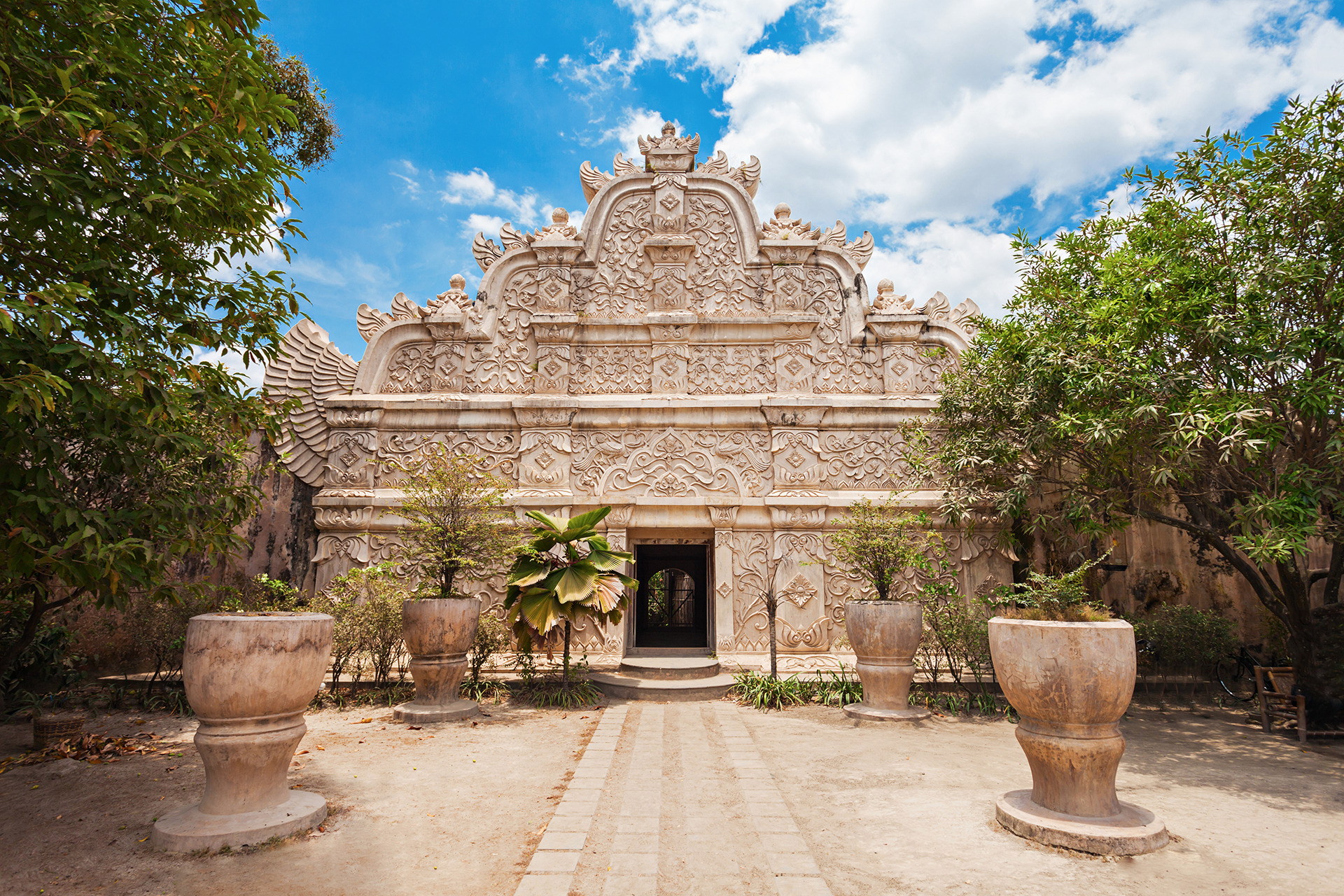
Its immediate proximity to the Keraton (the Sultan's palace), Fort Vredeburg, and the Taman Sari district allows you to easily integrate it into a day of cultural exploration.
History of Jalan Malioboro
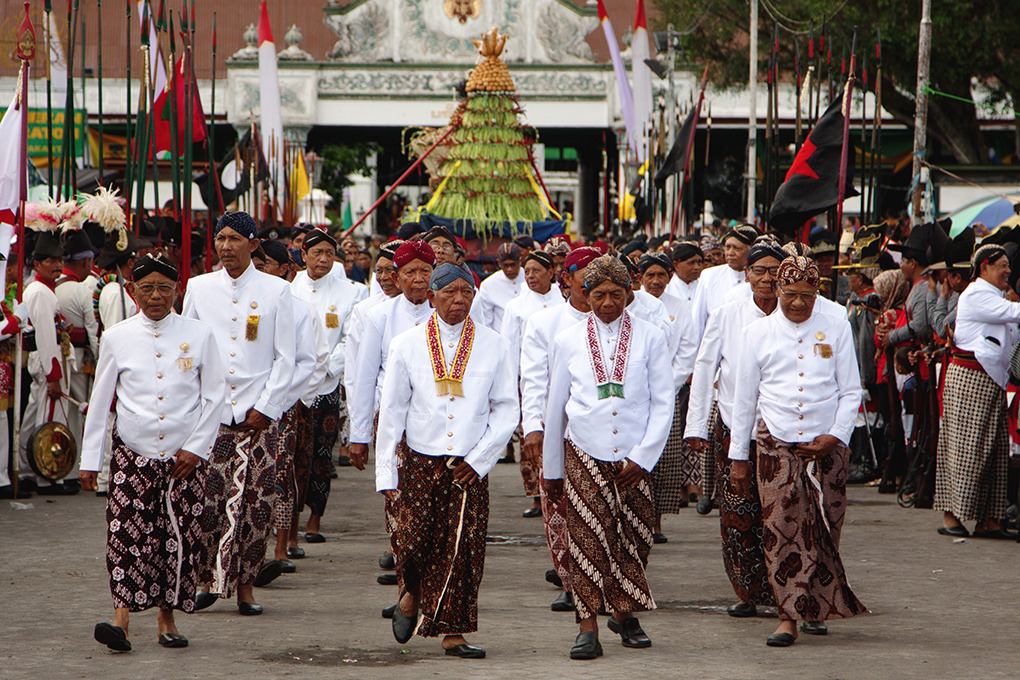
Before the arrival of the Dutch, Malioboro was a ceremonial street used by the Sultan from the Keraton during processions toward the north of the city. The name "Malioboro" is generally attributed to the English Duke of Marlborough, who resided in Yogyakarta between 1811 and 1816 during the British interlude in Java. Another hypothesis suggests a Sanskrit origin, malyabhara, meaning "bearer of flower garlands,
Nearby



Interested in this visit?
We can include it in your personalised itinerary.