Raja Ampat
Raja Ampat
1,500 islands, 75% of the world's coral species, Papuan stilt homestays: Raja Ampat remains one of Indonesia's last unspoiled treasures.
A true paradise for diving enthusiasts and marine nature lovers, Raja Ampat may well be one of Indonesia's last destinations still preserved from mass tourism. Rich in incredible fauna and flora, the archipelago offers immense biodiversity that continues to reveal its secrets!
The Raja Ampat Archipelago
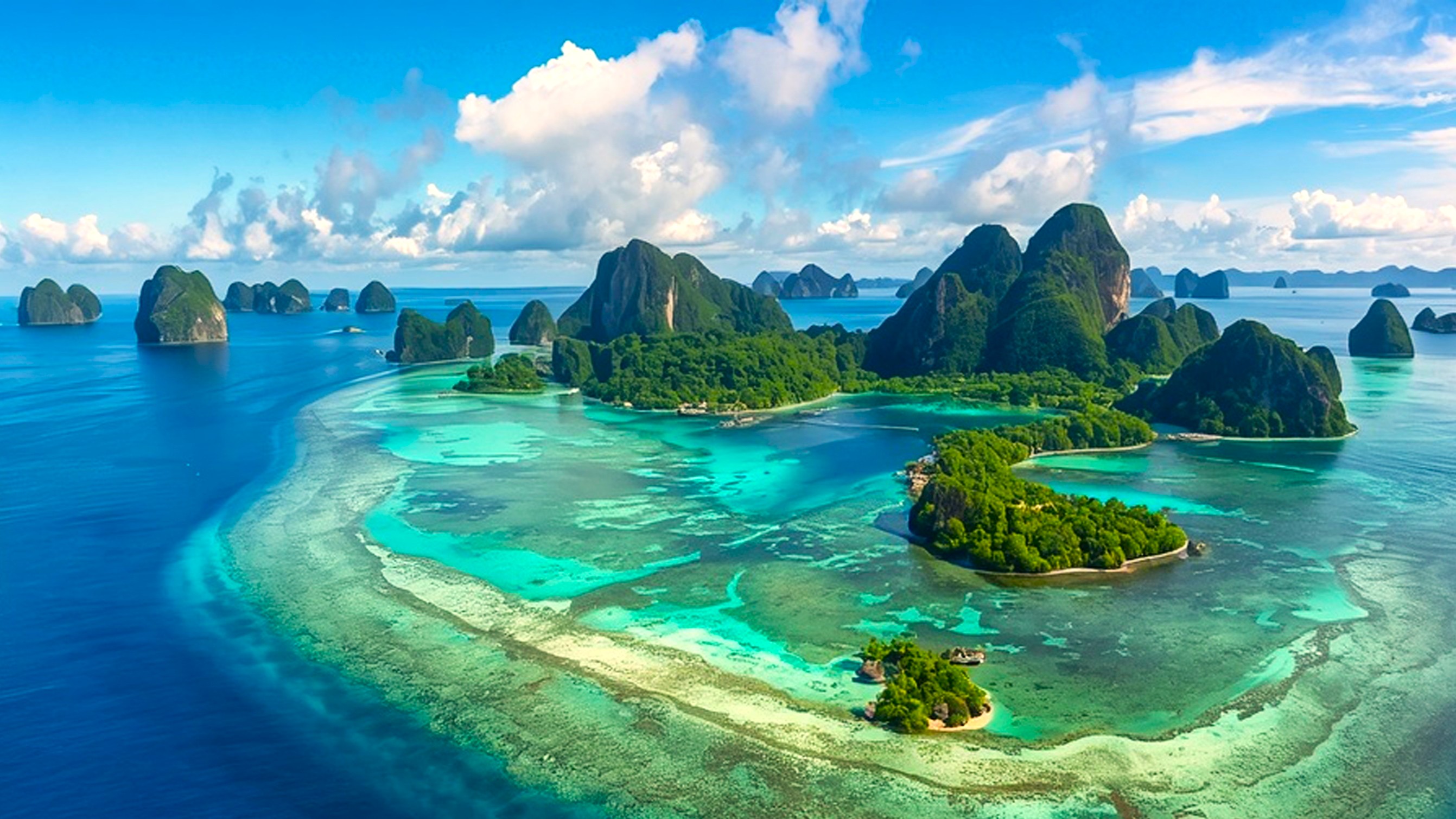
Covering a total area of approximately 46,000 km2, Raja Ampat comprises 1,500 islands located off the Northeast coast of New Guinea. The archipelago is thus a kabupaten in the Indonesian region of Eastern Papua, whose administrative capital remains Sorong.
Its name means "four kings" and comes from a local legend. According to this tale, a woman discovered seven eggs. Four men emerged from them, and each became king of one of the archipelago's four main islands: Waigeo, Salawati, Misool, and Batanga. From the three remaining eggs came a ghost, a stone, and a woman.
Because of the archipelago's remoteness from other Indonesian islands, Raja Ampat remains a destination with preserved biodiversity. Sea turtles, manta rays, tropical birds… it hosts approximately 75% of the world's species. For example, you'll find 540 species of coral and over 1,000 species of fish. The archipelago is notably part of the Coral Triangle zone, which shelters the greatest marine treasures in the world.
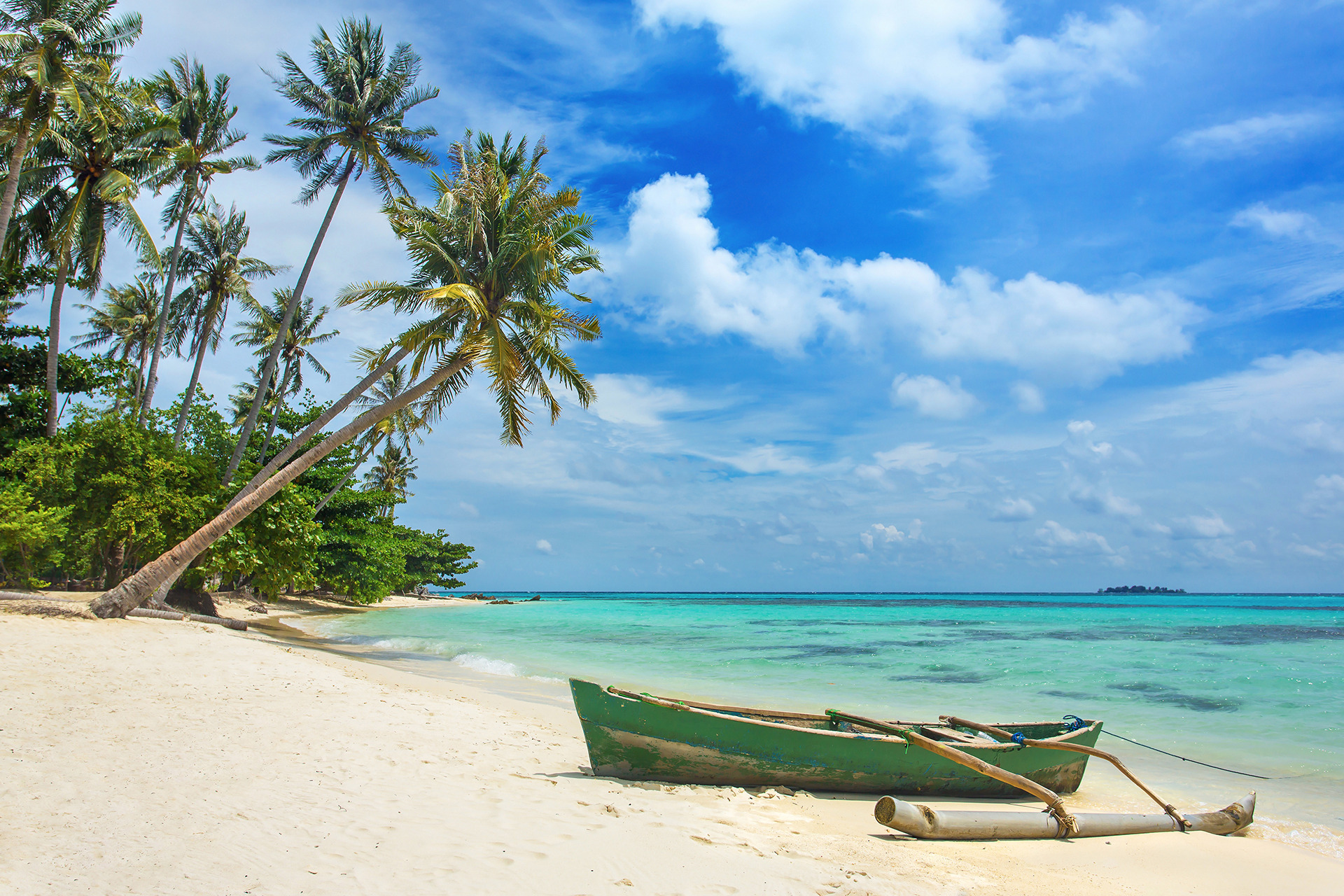
It is therefore a privileged destination for diving and snorkeling enthusiasts. The archipelago features mountainous geography in certain areas. Jungles and tropical beaches add a paradisiacal touch to the region.
Travelers also discover the Papuan culture of local populations, who remain primarily Muslim and Christian. Renowned for their warmth and hospitality, the inhabitants are always eager to offer their help and expertise.
It is always challenging for visitors to reach Western Papua. Indeed, this special province of Indonesia continues to face independence movements from Papuan populations and presents security concerns. Consequently, the Indonesian government allows access to this region only to travelers who have received special residence authorization, which is rarely granted.
However, it is relatively easy to reach Raja Ampat. There are currently two airports on the archipelago: in Sorong and Wasai. Local airlines offer flights from Jakarta, Manado in Sulawesi, and Bali. The journey to the archipelago remains quite long though. For example, it takes approximately six hours to travel from Jakarta to Sorong. From there, travelers can take the ferry to reach their chosen islands.
It is possible to visit Raja Ampat year-round; however, we recommend going between November and March. During this period, the sea is less rough and diving conditions are therefore ideal.
Ecological Challenges and Conservation
In recent years, Raja Ampat has seen an increase in the number of tourists, a fact that concerns scientists. To protect the islands' biodiversity, visitors must now obtain an entry permit to enter the park. This permit is valid for one year and costs 1 million Indonesian rupiah, equivalent to approximately 60 €. The collected funds are dedicated to the national park's conservation.
Several scandals have erupted in the region following destruction of the natural environment, such as in March 2017, when the cruise ship Caledonian Sky navigated in a zone unsuitable for this type of vessel. Ultimately, it damaged a coral reef at a snorkeling spot beloved by both travelers and locals.
Following this incident, the perimeter became even more closely monitored by authorities. The ultimate goal remains to preserve the Raja Ampat archipelago to the greatest extent possible.
It would be a shame to damage such a natural wonder, wouldn't it?
Photos
Want to discover this destination?
Our local advisors design your tailor-made trip.