Java
A journey of 6 to 8 days between active volcanoes, 9th-century Buddhist temples, and living royal courts in Yogyakarta and Solo.
Java holds 56% of Indonesia's population on just 7% of the nation's land. This density, coupled with a volcanic spine of 38 active cones, shapes everything: terraced rice paddies climbing to 1,500 metres, cities stretched along the northern coast, and travel logistics that demand patience. From our office in Jakarta, we organize itineraries that typically follow a west-east axis, from the capital to Banyuwangi, drawing from three major sequences: the volcanoes, the central Javanese temples, and the cultural cities.
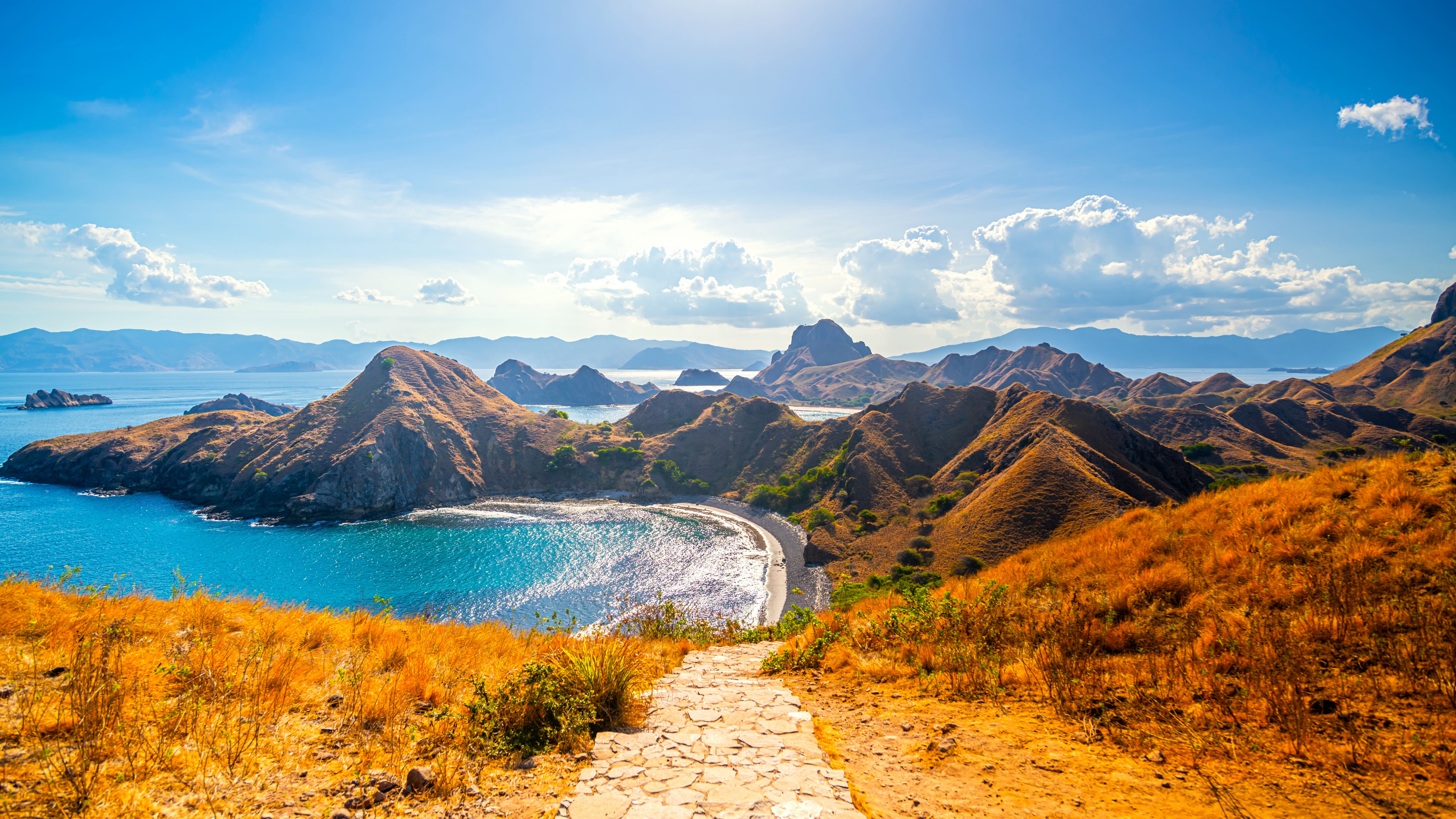
The island's geography hinges on a single line: a central volcanic chain peaking at Mount Semeru (3,676 metres), bordered to the north by fertile alluvial plains and to the south by a steeper coast opening onto the Indian Ocean. The climate is tropical monsoon, with a well-marked dry season from May to September. Volcanic soil sustains intensive agriculture: rice around Cianjur, tea on the heights of Puncak, tobacco near Temanggung, arabica coffee on the slopes of Ijen. This fertility also explains why Java concentrated the great Hindu-Buddhist then Muslim kingdoms that left Borobudur, Prambanan, and the kratons (palaces) of Yogyakarta and Surakarta.
Culturally, Java is not homogeneous. In the west, Sundanese territory speaks Sundanese, eats karedok (raw vegetables in raw peanut sauce) and maintains an airier gamelan music tradition. The centre, around Yogyakarta and Solo, is the heart of classical Javanese culture: court dance, batik, wayang kulit shadow theatre, codified etiquette. The east, starting from Surabaya, is rougher, more mercantile, and home to the Tenggerese, a Hindu people living around Bromo, descendants of the last followers of the Majapahit kingdom who refused conversion to Islam in the 15th century. Tasting rawon (beef soup with keluak) in Surabaya or gudeg (jackfruit braised in coconut milk) in Yogyakarta immediately tells you where you are.
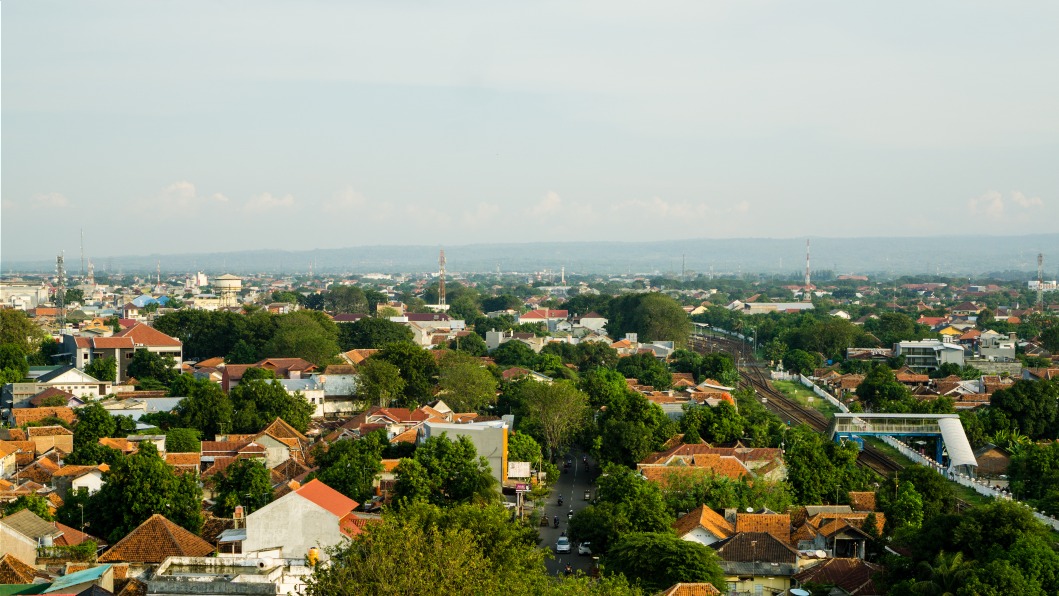
Cities pose a genuine logistical challenge. Jakarta, with 11 million inhabitants within city limits and 33 million in its metropolitan area, is riddled with traffic congestion that makes journeys unpredictable. Yogyakarta, at human scale (400,000 inhabitants), remains the best cultural anchor: Borobudur is 1 hour 15 minutes away by road, Prambanan 40 minutes, and the Dieng plateau 3 hours. Surabaya mainly serves as the gateway to Bromo (4 hours' drive to Cemoro Lawang, the perched village at 2,200 metres). To connect these points, we combine trains, particularly efficient on the Jakarta-Yogyakarta-Surabaya route (the executive class covers Jakarta-Yogya in 6.5 hours), and chauffeur-driven cars for the volcanic sections.
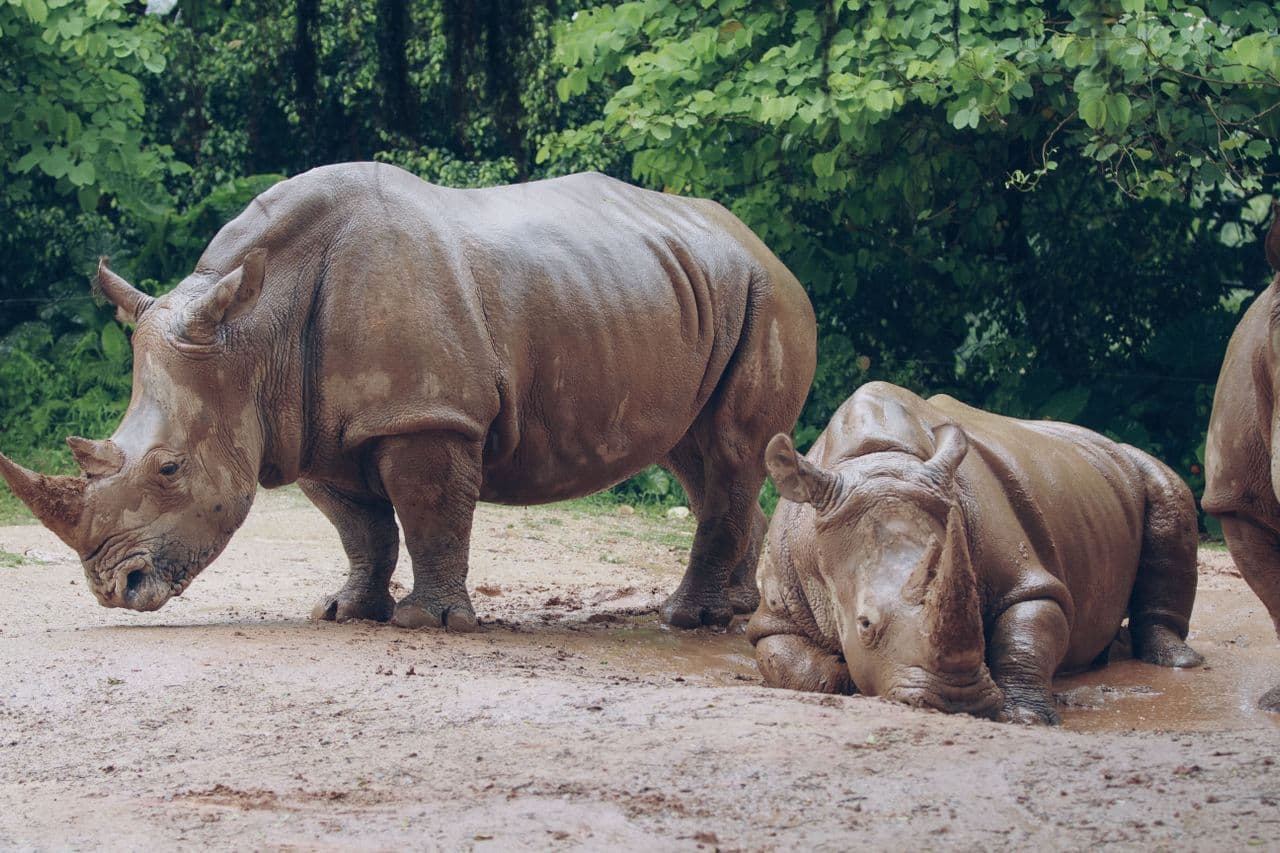
Beyond the flagship volcanoes, Java retains interesting pockets of nature: Ujung Kulon National Park at the far west, refuge of the last Javanese rhinoceros (fewer than 80 individuals), Kiluan Bay south of Lampung for dolphins, or the terraced rice paddies of Magelang seen from Punthuk Setumbu at dawn, when Borobudur emerges from the mist. Primary forests have nearly vanished in the lowlands but survive at altitude, notably on the slopes of Halimun-Salak and Bromo-Tengger-Semeru.
Java is not an island to rush through. It's a territory where each day combines a major site (a temple, a crater, a palace) and often longer driving time than anticipated. Our role is to balance: sufficient depth at each stop, but without overwhelming the itinerary with transfers. For most of our travellers, the island is discovered as a loop or in transit to Bali, with two or three carefully chosen anchors.
Must-See Experiences
Sunrise over Bromo from Penanjakan. Departure at 3:30 AM from Cemoro Lawang, 30 minutes by 4x4 on the caldera track to the viewpoint at 2,770 metres. Around 5:15 AM, Bromo, Batok and Semeru in the background emerge from the sand sea, in 5 to 10°C temperatures during the dry season.
Blue flames of Kawah Ijen at night. Climb starting at 1 AM from Paltuding, 3 km of steep trail, then descent into the crater to observe sulphur combustion. At sunrise, the turquoise acid lake (pH below 0.5, 200 metres deep) reveals itself from the rim.
Borobudur at dawn. The world's largest Buddhist monument, 504 Buddha statues and 2,672 carved panels across three levels symbolizing the passage from desire to enlightenment. Access from the Manohara hotel at sunrise allows you to arrive before the crowds.
Yogyakarta, palace and batik. The still-active sultan's palace, the tulis batik workshops in the Tirtodipuran district, and wayang kulit shadow theatre performances that can last all night. The city remains the living epicentre of classical Javanese culture.
Dieng plateau and Arjuna temples. At 2,000 metres altitude in the island's centre, an agricultural caldera where potatoes grow. The 8th-century Hindu temples, among Java's oldest, sit beside active solfataras and the coloured lake Telaga Warna.
When to Go
The most reliable window extends from May to September: clear skies at sunrise over the volcanoes, trails on Bromo and Ijen passable without mud, temperatures of 25 to 30°C in the lowlands. On the peaks, expect 5 to 10°C in early morning, sometimes 0°C on Ijen in July-August. June to August are the busiest months, notably with regional travellers during South-East Asian school holidays.
From November to March, the humid monsoon brings heavy afternoon rainfall, often 200 to 400 mm monthly on the northern coast. Roads to Bromo remain passable but sunrise visibility becomes unpredictable (frequent cloud cover). January and February concentrate the most intense episodes, with occasional trail closures on Ijen. April and October make good transitions: fewer crowds, moderate rainfall, green vegetation on the rice paddies of Magelang and around Borobudur.
Practical Information
We recommend 6 to 8 days to cross Java from west to east without sacrificing either the cultural centre or the volcanoes. A typical itinerary: 2 nights in Yogyakarta (Borobudur, Prambanan, palace), one night in Cemoro Lawang for Bromo, one night in Bondowoso or Banyuwangi for Ijen, then ferry crossing to Bali (45 minutes from Ketapang). Entry points are Jakarta (Soekarno-Hatta) for a journey starting in the west, or a direct domestic flight to Yogyakarta to save two days. Exit via Banyuwangi to Bali avoids any backtracking.
Java logically combines with Bali and Lombok as an eastward extension—the smoothest combination. With Sumatra, the journey becomes longer (plan at least 3 weeks minimum) and focused on wildlife and forests. The island suits travellers curious about history and living cultures, moderate hikers (volcanic ascents remain short but early morning affairs), and families with children from 8-10 years old capable of handling nocturnal starts. Hotel comfort is good to very good in Yogyakarta and around Borobudur, more rustic in Cemoro Lawang where cold nights demand simple but heated accommodation.