Tasikmalaya
Tasikmalaya
At the foot of Mount Galunggung, Tasikmalaya conceals traditional villages, waterfalls and batik workshops. An authentic stopover 196 km from Jakarta.
Located in West Java province, 196 km from the capital Jakarta, Tasikmalaya is a dynamic city despite being of recent creation (2001). Renowned for its magnificent natural landscape inspiring both calm and tranquility, it makes for a pleasant stop during a trip to Indonesia.
History
Originally, Tasikmalaya designated the Sukapura district, founded by Sultan Agung. But from October 17, 2001 onwards, it became the name of the main city in this district. As for the origin of its name, two hypotheses are plausible. The first is that "Tasikmalaya" is derived from the words "tasik jeung laya," which means expanse of sand following the eruption of Mount Galunggung in 1822. The second hypothesis is a combination of the words tasik (lake, sea or body of water) and malaya (mountain ranges).
The commonly accepted hypothesis is that the word Tasikmalaya began to be used after the eruption of Mount Galunggung in 1822. However, documents prove that this name was already being used by the Dutch East Indies administration in 1820.
The birth of Tasikmalaya city happened at an incredible pace. Its location at the border between West Java and Central Java provinces greatly contributed to its economic growth. From a sociopolitical standpoint, the transfer of the district capital from Manonjaya to Tasikmalaya had considerable impact on the city's development, both in terms of infrastructure and population growth. Indeed, Tasikmalaya was among the first cities to have an extensive railway network. Added to this, the construction of government buildings, road infrastructure, markets and more quickly followed.
Today
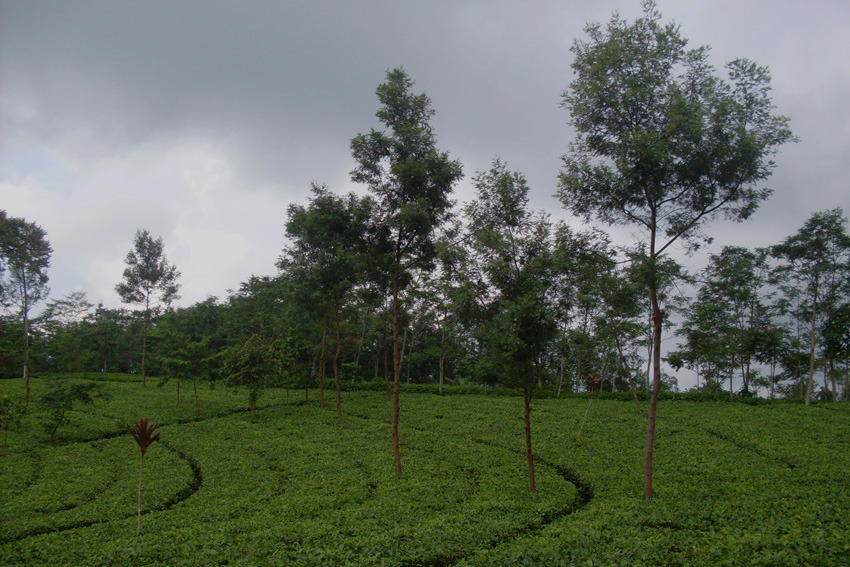
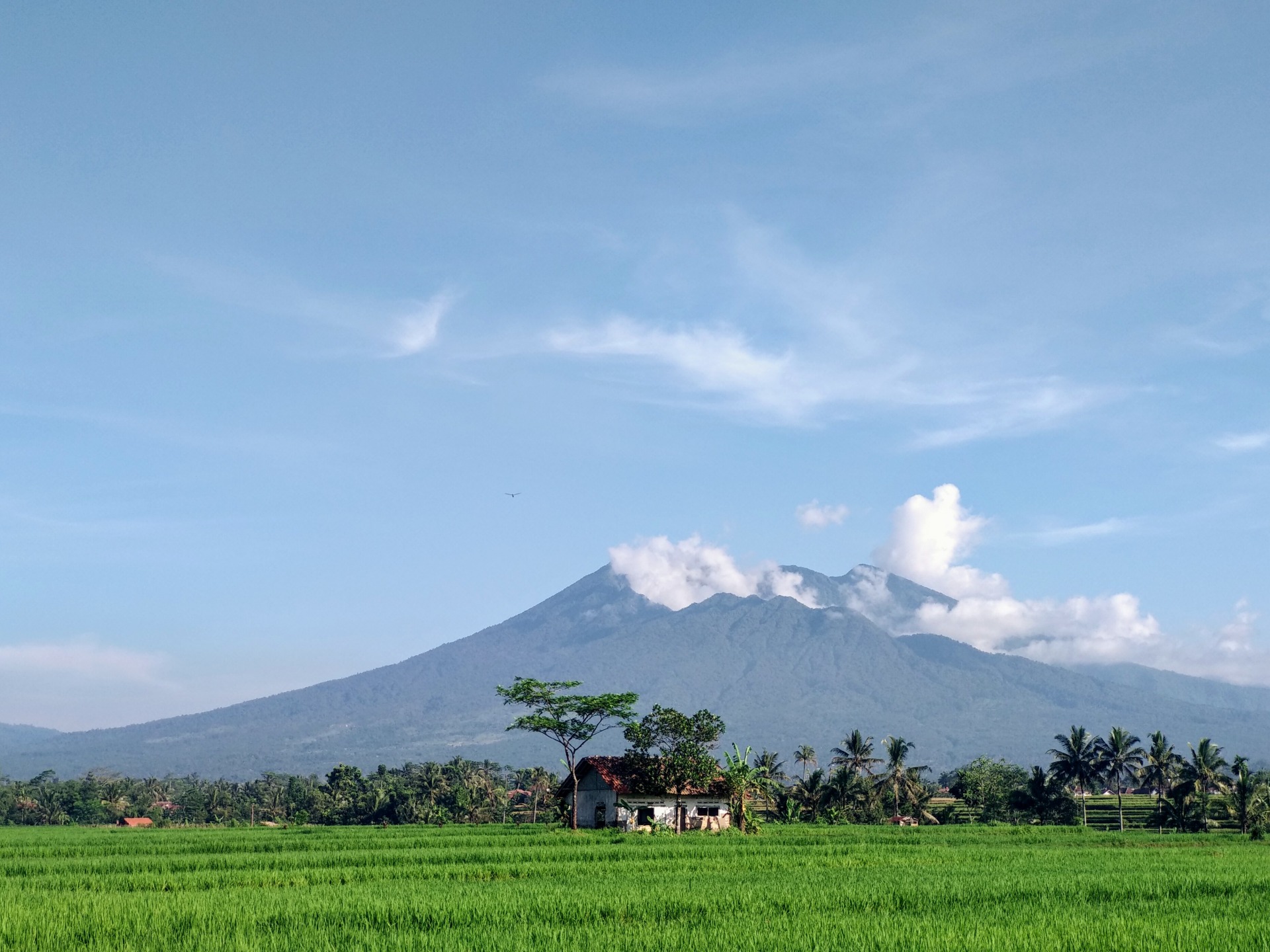
Tasikmalaya ranks among the most beautiful tourist destinations in West Java province. Surrounded by mountains, the city offers a magnificent natural landscape that inspires calm and tranquility, where visitors can enjoy both seaside pleasures and those of mainland and mountain areas.
Here are some of the activities most popular with visitors:
Visiting an authentic traditional village
This is Kampung Naga, a village whose inhabitants remain strongly attached to ancient traditions and refuse any influence from the outside, whether education, customs, etc. Indeed, upon arriving in this village, the difference is immediately felt compared to other communities living in the region. One of the first things that catches the eye upon arrival is the resemblance of all houses with roofs of palm leaves and walls made of woven bamboo.
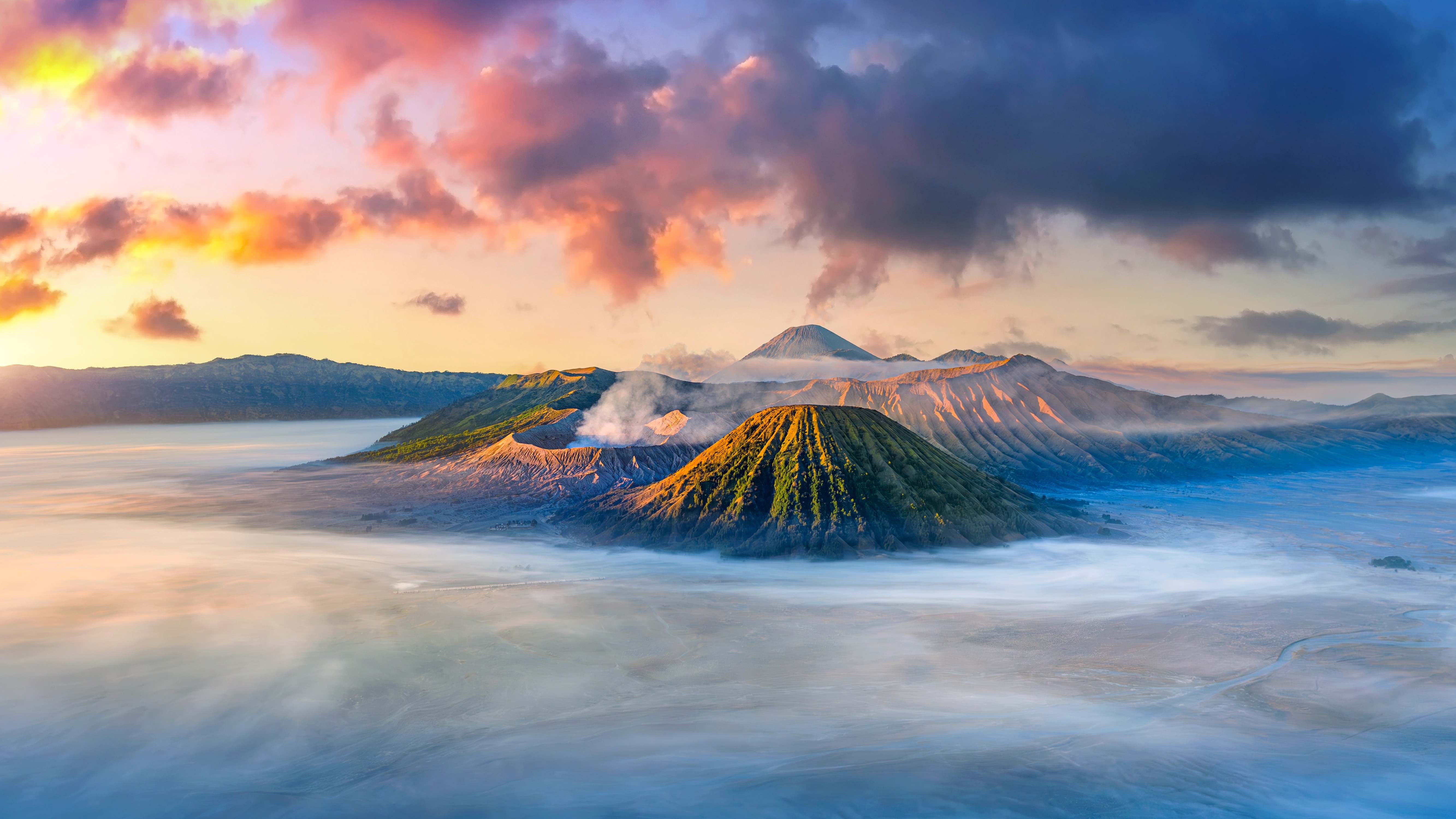
Climbing Mount Galunggung
This hike is also on the list of must-do activities in Tasikmalaya city. The particularity of this climb is that once you reach the summit, in addition to the breathtaking view, you can enjoy a bath in a hot spring. You will also find other facilities such as a swimming pool, bathrooms, and a hot tub.
Water parks for the whole family
Tasikmalaya is home to two major renowned water parks, namely Mangkubumi and TeeJay. While the first is larger (spanning 6 hectares) and set in a rural setting, the second is located in a more urban environment. But both offer modern facilities and equipment to ensure pleasure and comfort for all ages.
Waterfalls
West Java province is also renowned for its impressive waterfalls, most of which are found in the surroundings of Tasikmalaya. Among the must-sees, you have Cimanintin Falls, Ciwatin Falls, Cihanjuang Curug Falls, Deng-Deng Falls, Ciparay Falls and Cileutak Falls.
Climate
The climate of the region that is home to Tasikmalaya is tropical in type with abundant rainfall even during the dry season. The best time to visit is during September, the hottest month of the year.
Reaching Tasikmalaya from the capital Jakarta is relatively easy, as the two destinations are connected by buses (private and public) and by train.
Want to discover this destination?
Our local advisors design your tailor-made trip.