Goa Gajah Temple
Goa Gajah Temple
Just 4 km from Ubud, Goa Gajah temple combines a rock-cut cave, purification pools and archaeological remains inscribed as a UNESCO World Heritage site since 1995.
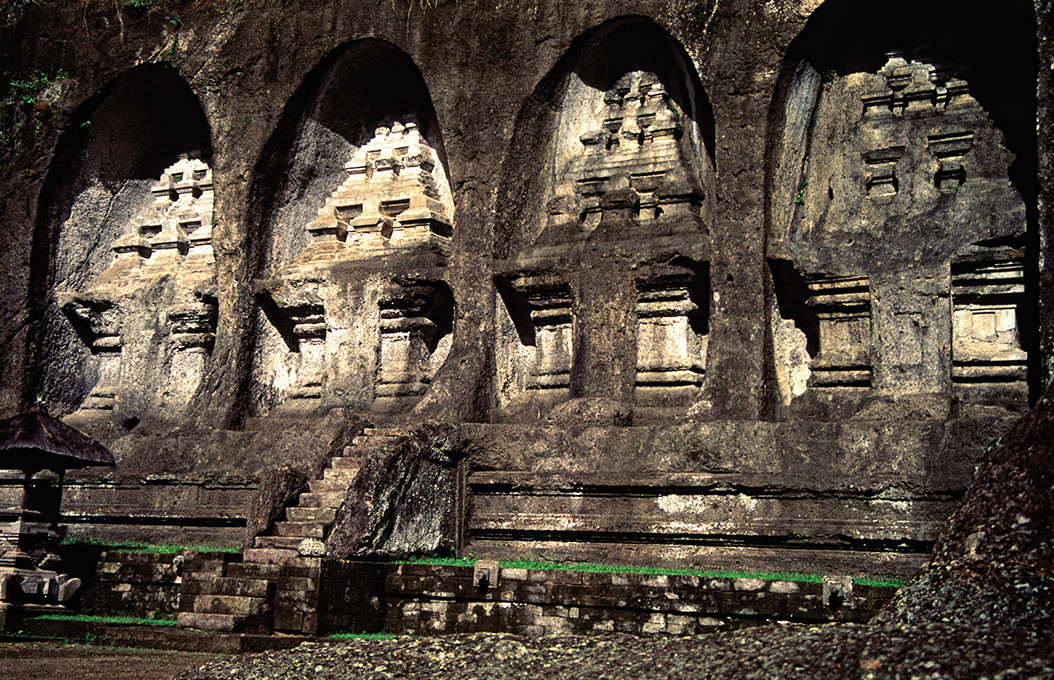
Four kilometres west of Ubud, near the village of Bedulu, the Goa Gajah temple brings together a carved cave, purification pools and archaeological remains scattered throughout tropical vegetation. Its name means "the elephant's cave". The site has been inscribed on the UNESCO World Heritage list since 1995 and combines Hindu and Buddhist references, bearing witness to Bali's religious history between the 10th and 14th centuries.
Why visit Goa Gajah
- A rock-cut cave whose entrance is guarded by a demonic head carved directly into the rock.
- An archaeological complex blending Hindu lingams, a Ganesh statue and purification pools.
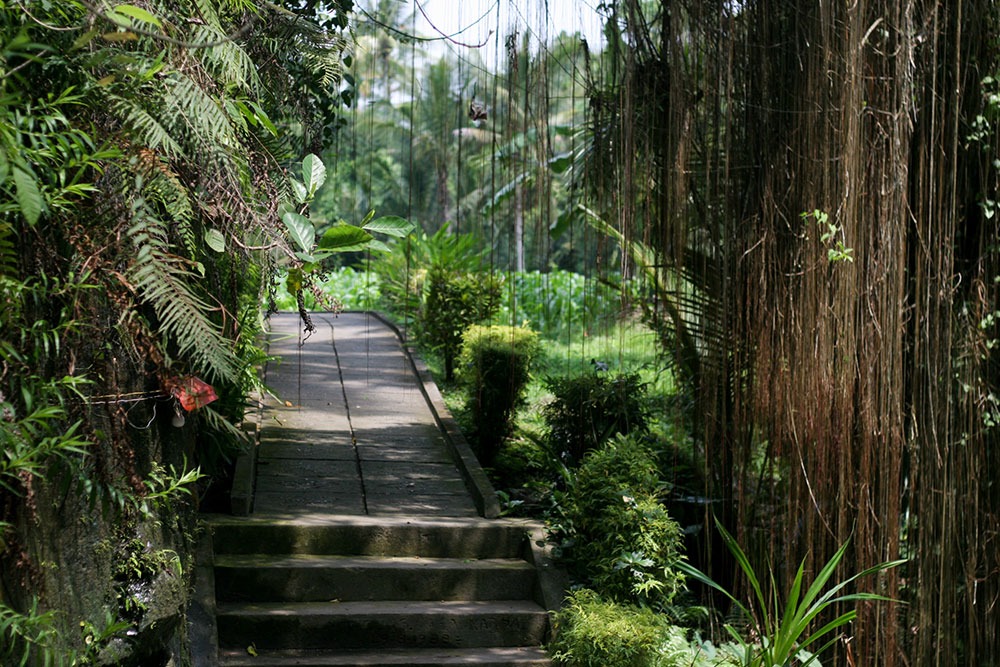
- A tree-shaded setting of banyans, palms and kapok trees, crisscrossed by stone pathways.
- A short visit (allow 1 to 1.5 hours) that fits easily into a day around Ubud.
History and origins of the site
The cave's origins remain debated. Local mythology attributes it to the giant Kebo Iwo, who allegedly carved it with his fingernails in a single night. Oral tradition also identifies it as a hermitage for a Buddhist monk, which would explain the coexistence of symbols from both religions on the site. The complex is mentioned in the Nagarakertagama, a 14th-century Javanese epic poem.
The stones composing the site are dated between the 10th and 14th centuries. The first archaeological excavations were conducted in 1923 by the Dutch. The purification pools, long buried underground, were only uncovered in 1954, revealing the site's complete ritual dimension.
What to see on site
The cave and its sculptures
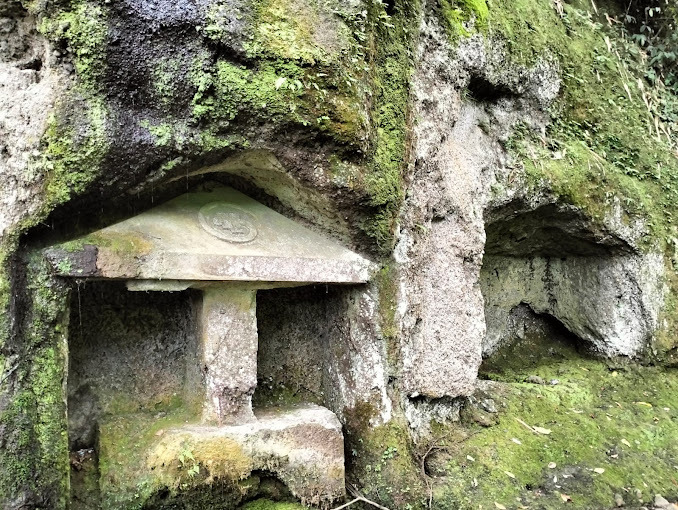
The cave entrance is dominated by a demonic head, nicknamed Boma. According to locals, this menacing visage is not intended to frighten worshippers: it serves to ward off evil spirits. Inside, a corridor of approximately 13 metres splits into a T-shape at the far end.
- On one side, an altar houses three lingams, phallic stones associated with fertility and representing the Hindu trinity: Shiva, Brahma and Vishnu.
- On the other, an alcove holds a statue of Ganesh, the deity of wisdom. Worshippers leave flowers, incense and small offerings here.
The Patirtaan pools
Below the cave, accessible via a stone staircase, the Patirtaan pools are lined with statues of women holding vessels from which water flows. Local tradition attributes healing properties to these sacred waters, and Balinese visitors still splash their faces with them during their visits. This is a ritual belief, not a tourist promise.
The park and pathways
The site has no traditional place of worship: the focus is on open-air remains. Several stone pathways wind between banyans, palms and kapok trees, one of them leading to a small waterfall that likely feeds the pools. The descent to the stream reveals other carved fragments scattered throughout the vegetation.
Practical information
- Visiting time: 1 to 1.5 hours, taking time to descend to the waterfall.
- Opening hours: open daily during daylight hours. Check locally for exact times before departure.
- Entrance fee: moderate admission, with reduced rates for children. Small additional charge for parking.
- Dress code: a sarong is mandatory to enter the sacred precinct; both men and women must cover shoulders and legs. Rental available on-site at the entrance.
- Best time: early morning to avoid heat and tour groups; the dry season (April to October) offers more comfortable conditions for the staircases.
Around Ubud
Goa Gajah fits into a hinterland rich in cultural and natural sites. Several stops complement your visit:
- The Bali Botanic Garden, at Bedugul, for its plant collections.
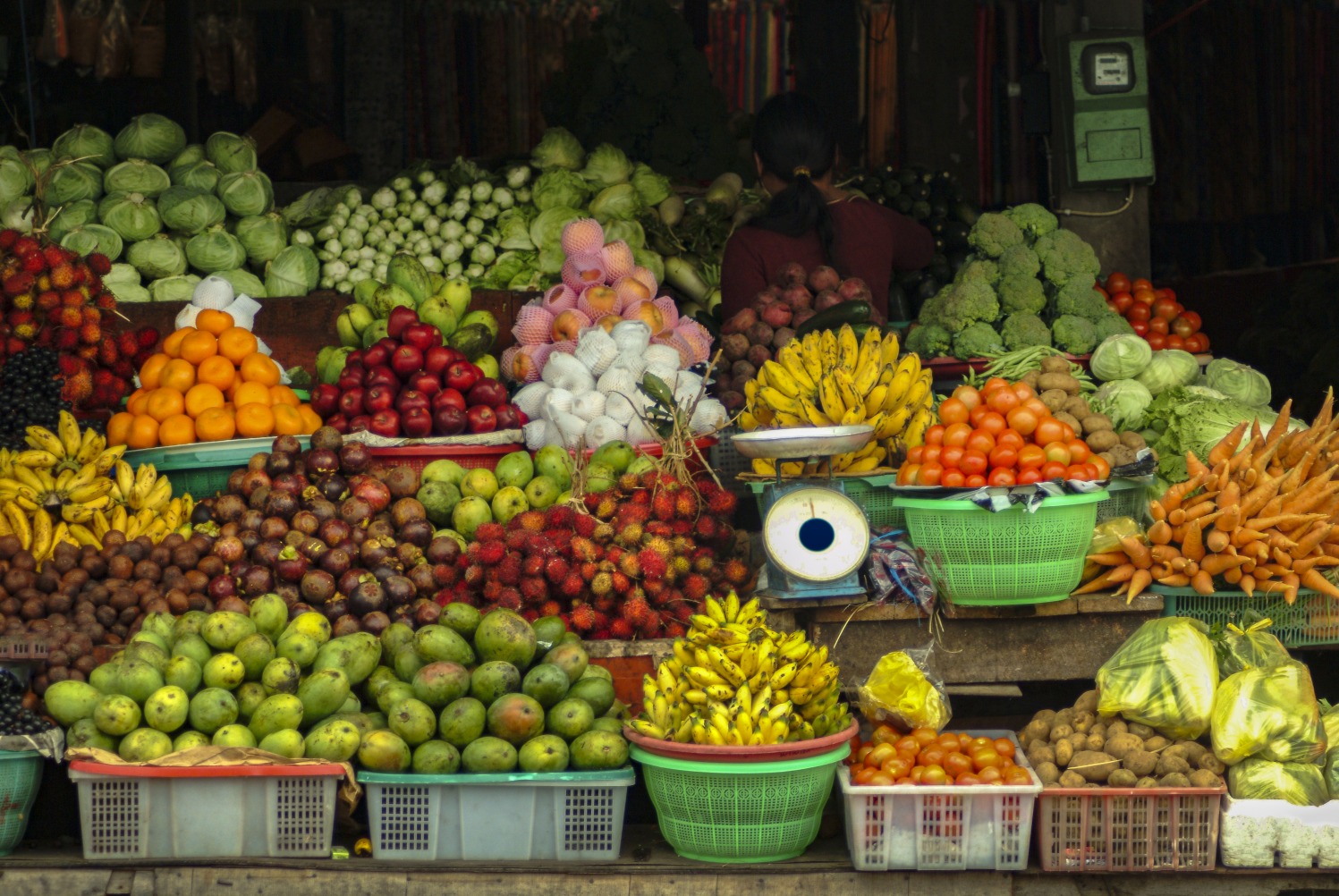
- The Bedugul market, a colourful stop for fruit and crafts.
- Balangan Beach, south of Bali, to end the day by the sea.
How to get there
The temple is located west of Bedulu village, approximately 4 km from Ubud, making it one of the most accessible sites from the town centre. Several options:
- Scooter: 10 to 15 minutes from Ubud, ideal for flexibility.
- Taxi or car with driver: convenient for combining Goa Gajah with other day-trip sites.
- Rental car: parking is available at the entrance for a small fee.
Frequently asked questions
Frequently asked questions
Include Goa Gajah in your trip
Goa Gajah fits naturally into a stay around Ubud, between temples, rice fields and archaeological sites. To build an itinerary combining Balinese culture, nature and more off-the-beaten-path stops, explore our Indonesia travel ideas.
Nearby
Interested in this visit?
We can include it in your personalised itinerary.