Yeh Pulu Archaeological Site
Yeh Pulu Archaeological Site
Just a few kilometres from Ubud, Yeh Pulu unfolds a 25-metre carved frieze in stone: hunting scenes, riders, Ganesh and a sacred well.
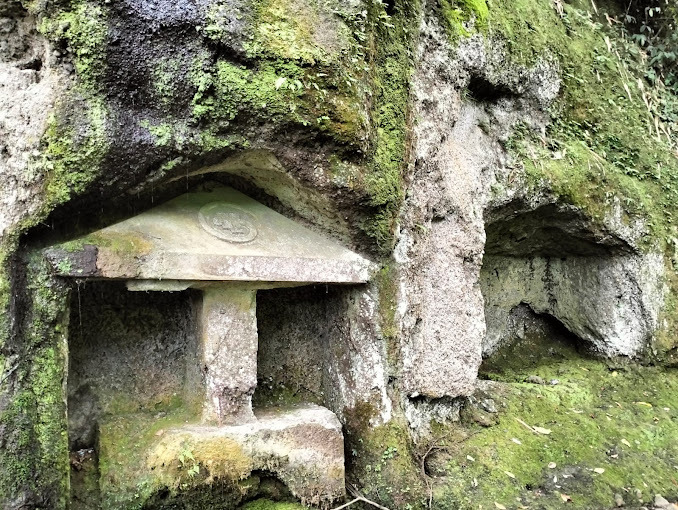
The Yeh Pulu archaeological site brings together a series of bas-reliefs carved into a sandstone cliff, just a few kilometres south-east of Goa Gajah cave, in the Ubud region. Over nearly 25 metres in length, the wall unfolds a frieze of scenes from medieval Balinese daily life, punctuated by mythological figures. The site remains discreet, away from major tourist crowds, and is reached on foot along a trail crossing rice paddies and copses.
Why visit Yeh Pulu
Yeh Pulu stands out for its rarity: in Bali, stone-carved remains are scarce, and this 25-metre frieze ranks among the island's most continuous ensembles. The site offers several complementary interests:
- identifiable and legible iconography (riders, hunting scenes, Ganesh, wayangs);
- a preserved rural setting, accessible only on foot;
- a sacred well still frequented for purification rites;
- moderate visitor numbers, a contrast with neighbouring Goa Gajah.
Allow roughly an hour for your visit, longer if you combine the walk from Goa Gajah across the rice paddies.
History and Legends
The bas-reliefs of Yeh Pulu only became widely known to the public after the 1920s. Their official discovery is credited to Dutch colonial authorities in 1929, in the context of the island's earliest archaeological inventories. Dating the frescoes remains contested: most scholars attribute them to the 14th century, a period of Majapahit kingdom influence over Bali, though this chronology is not definitively settled.
The Legend of Kebo Iwo
Local tradition attributes the sculptures to Kebo Iwo, a giant featured in Balinese tales, who is said to have carved the entire cliff with the nail of his thumb. This orally transmitted account still accompanies visits today and illustrates the site's quasi-mythical status in local imagination.
A Contested Iconographic Programme
Archaeologists have not arrived at a single reading of the reliefs. Some scholars see a cycle devoted to Krishna or his various manifestations; others favour a secular reading, centred on the daily life and hunting activities of the medieval Balinese court. This ambiguity is part of the site's appeal.
What You Will See On Site
The frieze runs left to right along the cliff face. Among the best-preserved and most documented scenes:
- a representation of Ganesh, the elephant-headed Hindu deity, at the end of the path;
- riders and figures in motion;
- hunting scenes, including a frequently cited wild boar chase;
- silhouettes evoking wayangs, traditional Balinese puppet theatre;
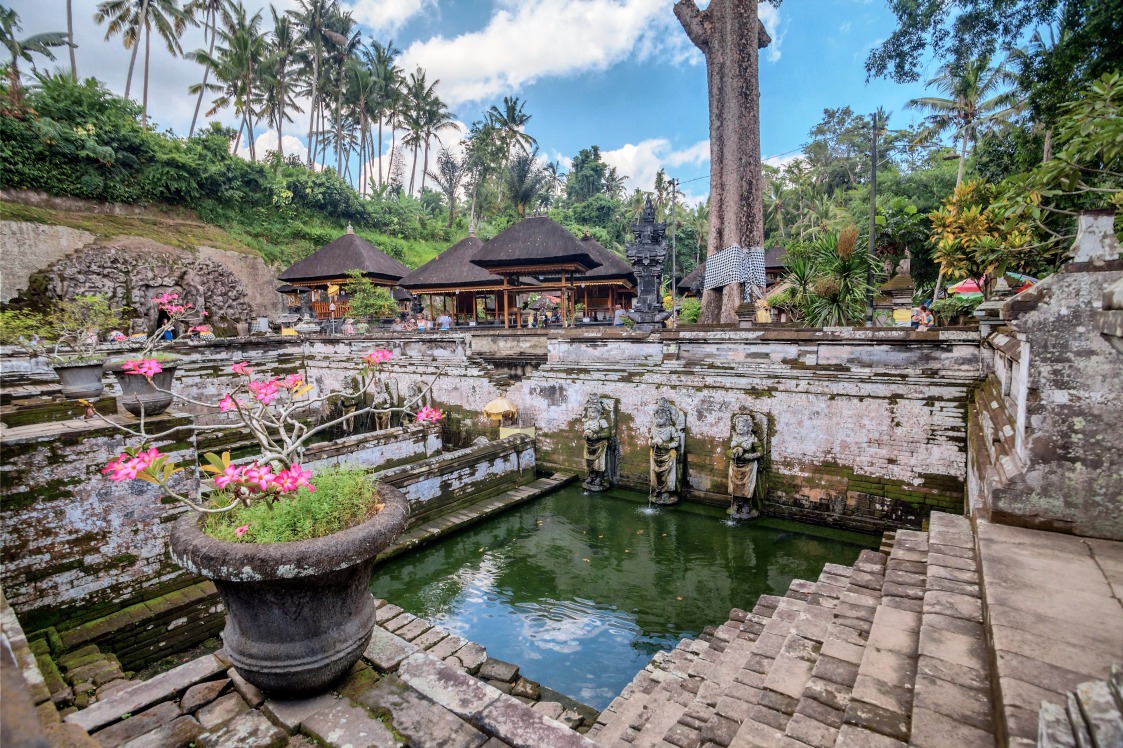
- in the northern part of the site, a sacred well serving as a place for ritual bathing, where a guardian sprinkles visitors with blessed water and relates the site's history.
Practical Information
- Admission: modest entrance fee, payable in cash (Indonesian rupiah) upon arrival. Reduced rates for children. A donation to the sacred well guardian is customary.
- Opening hours: open during daylight hours, generally from late morning through mid-afternoon. Check locally before departure.
- Visit duration: 45 minutes to 1 hour on the site itself.
- Dress code: a sarong is required within the sacred well precinct; one is usually provided at the entrance.
When to Go
Bali enjoys a tropical climate with two seasons. The dry season, from April to October, is most comfortable for the approach walk and viewing the open-air reliefs. The rainy season (November to March) makes the trail slippery and the cliff damper, but surrounding rice paddies are an intense green. Prefer mornings to benefit from raking light that reveals the relief of the sculptures and to avoid midday heat.
How to Get There
Yeh Pulu is located less than 30 minutes by car from central Ubud. Several options:
- By car or taxi from Ubud, to the access car park, then a few minutes on foot via a marked trail;
- On foot from Goa Gajah, taking a country path through rice paddies: allow roughly 45 minutes. This is the most immersive option;
- By scooter, frequently used in the Ubud region.
Final access to the site is exclusively on foot.
Things to Combine Nearby
The Ubud region concentrates several sites compatible with a half-day or full-day visit:
- Goa Gajah (the "Elephant Cave"), less than a kilometre as the crow flies, a natural archaeological extension to Yeh Pulu;
- the Bali Botanical Garden, for an approach to the island's tropical flora;
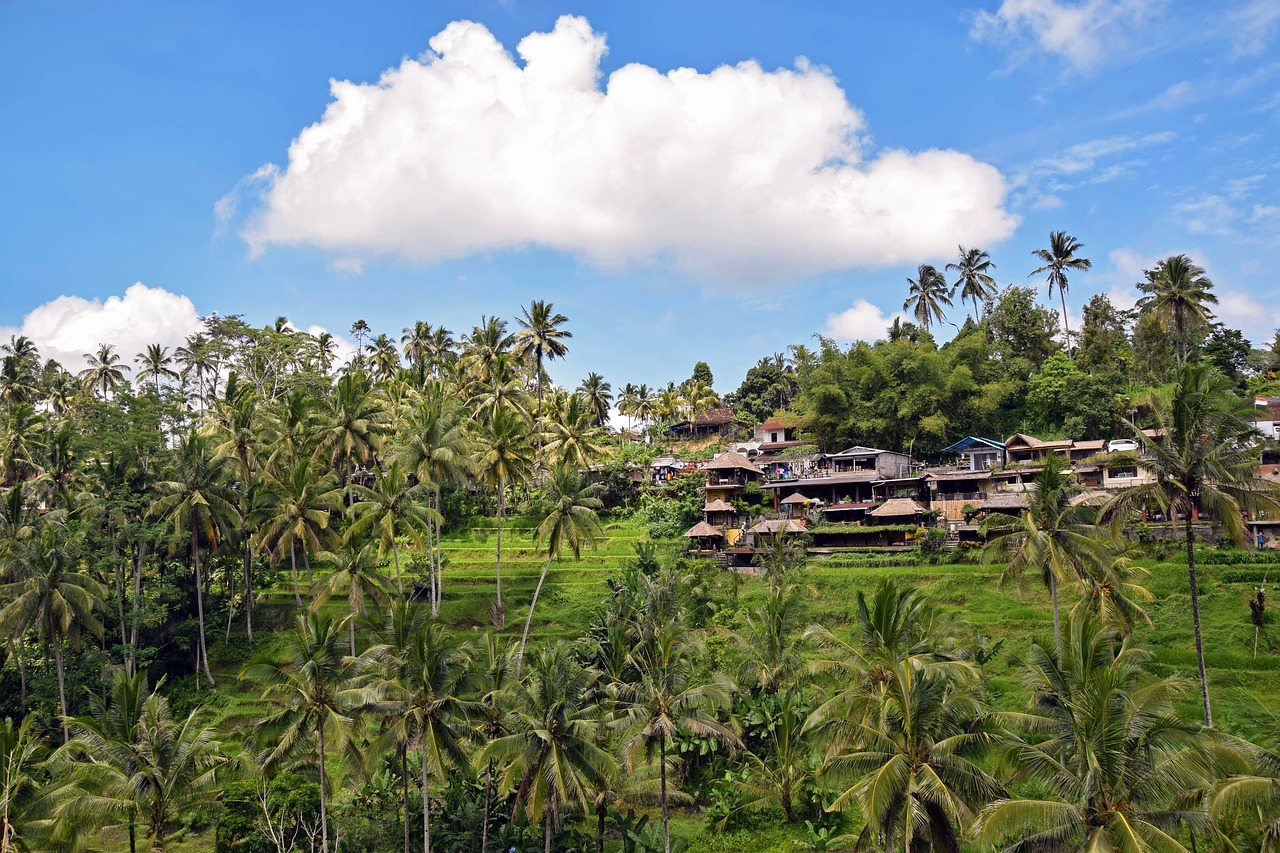
- the terraced rice paddies of Tegallalang, north of Ubud;
- central Ubud and its craft workshops.
Frequently Asked Questions
Frequently asked questions
Include Yeh Pulu in Your Journey
Yeh Pulu fits naturally into an itinerary centred on Ubud and Balinese culture, among temples, rice paddies and crafts. To build a bespoke journey combining this site, the Ubud region and the rest of the archipelago, consult our Indonesia travel suggestions.
Nearby
Interested in this visit?
We can include it in your personalised itinerary.