Ubud
Ubud
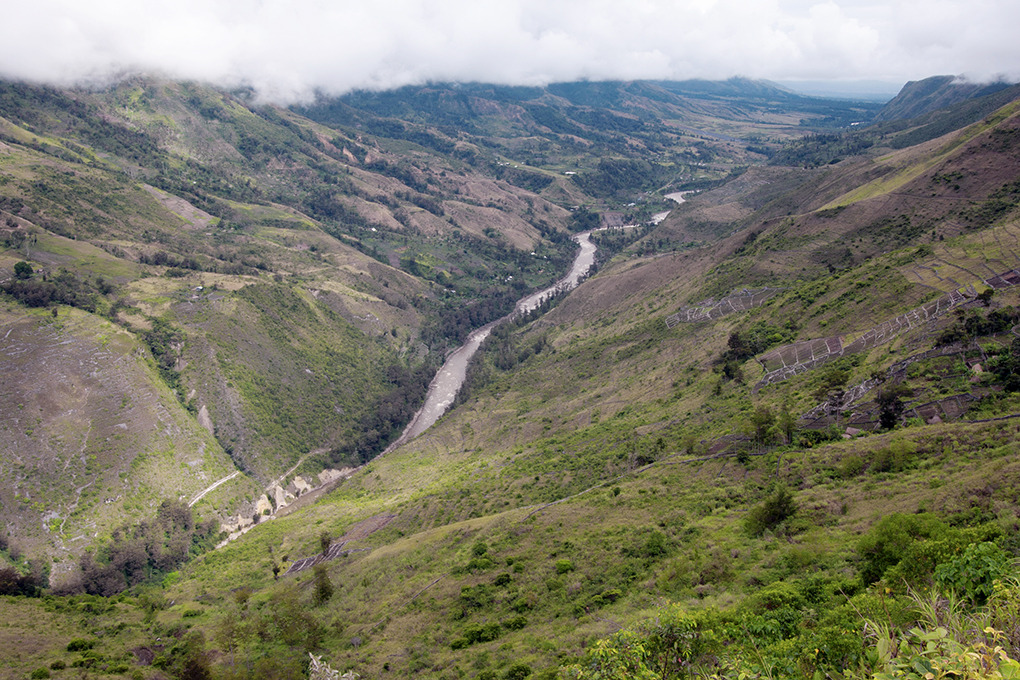
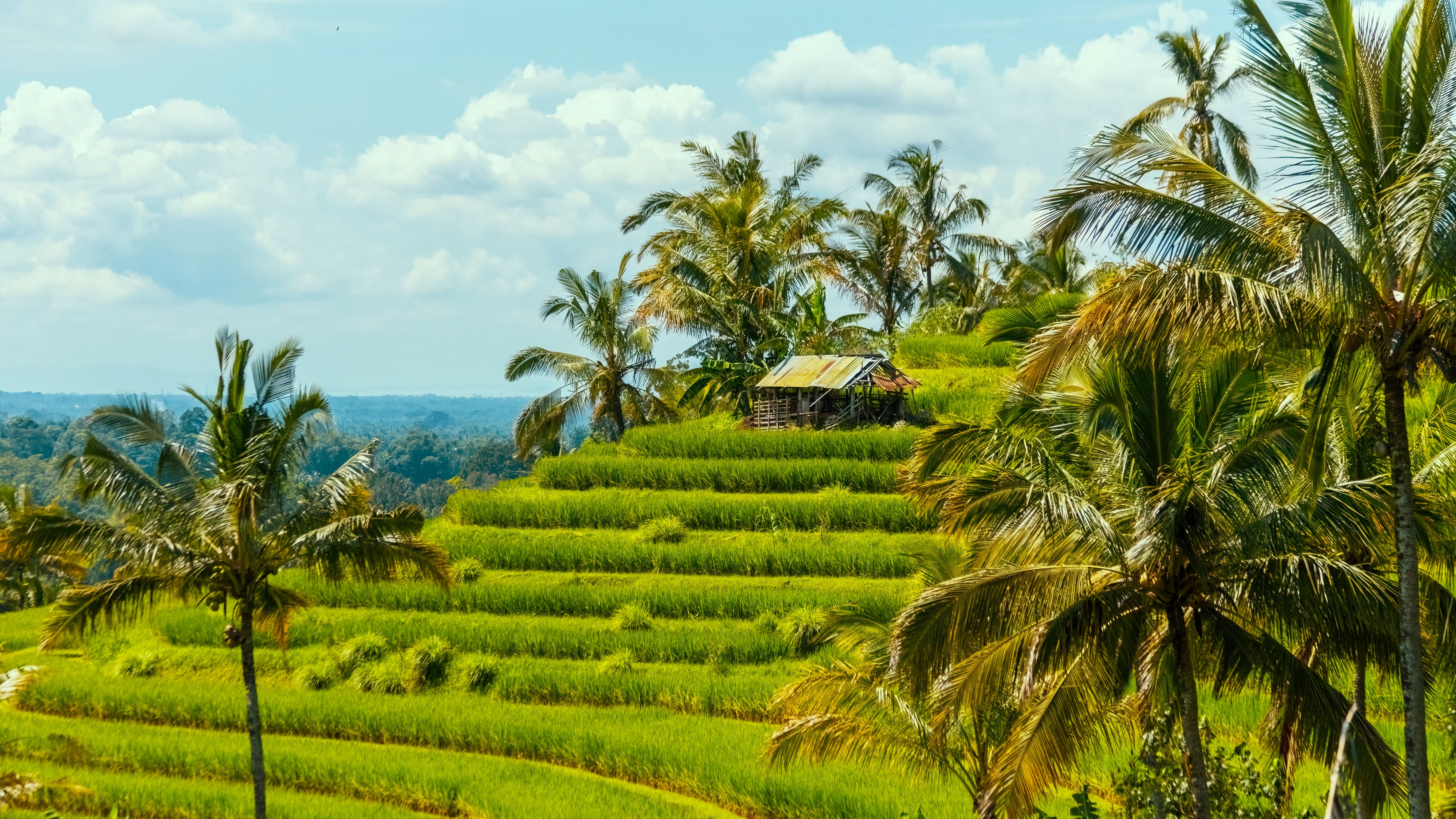
In central Bali, Ubud blends terraced rice paddies, ancient temples, artisan workshops and yoga retreats within a lush tropical valley.
In Ubud, prepare yourself for a journey to the heart of Balinese culture! From craftsmanship to music, through to gastronomy, traditions flourish here while embracing creative influences from international artistic movements. A city of endless discoveries, Ubud stands as an unmissable stop on any Bali voyage.
History
Ubud's history traces back to the 8th century. According to legend, a Javanese priest named Rsi Markendya would regularly settle at the confluence of two rivers flowing through the Campuhan area to meditate. At his behest, the Gunung Lebah temple was founded at the valley's heart.
As fertile ground for medicinal plants, the city earned the name "Ubud," derived from the Indonesian word ubad, meaning medicine. Towards the late 19th century, feudal lords from the ksatriya Sukawati family gradually settled there. They championed the city's growth, which had steadily built a reputation around its artistry.
In the 1920s, the arrival of German painter and musician Walter Spies sparked a renaissance in Ubud's artistic disciplines. The artist taught the local population painting, music and dance. His work and influence echoed internationally, capturing the attention of numerous celebrities including Charlie Chaplin, Barbara Hutton and Margaret Mead. During the 1960s, the emergence of the Young Artists Movement and the arrival of Dutch painter Arie Smit infused fresh energy into local creativity. Ubud became Bali's cultural center.
Today
A showcase of Balinese culture, Ubud brims with art galleries displaying sculptors and painters of every style. At the Puri Lukisan Museum or the Neka Museum, collections of work by local and foreign artists bear witness to the historical evolution of local art. Dotting the main avenue (Jalan Raya), jewellery and accessory boutiques offer authentic pieces to align yourself with Balinese fashion. The city's restaurants and bars welcome you to punctuate your stay with culinary pauses rich in taste and flavour.
Of course, cultural events are never in short supply in this exceptional region. While some hotels regularly host evening performances, temple festivities prove far more enchanting.
A land of escape, Ubud reveals itself in countless ways. On foot or by bicycle, don that explorer's hat and venture into the valley's treasures. Lose yourself amidst the rice paddies, verdant hills and traditional villages!
While Ubud may seem relatively small, the city encompasses fourteen villages, each with its own governing committee called a Banjar. As for accommodation, Ubud's hotel landscape will perfectly meet your needs for comfort, tranquility and authenticity. From beautiful villas perched on valley slopes, bamboo dwellings dotting the rice fields to well-appointed rooms in town, lodgings come in countless varieties to suit every preference.
Climate
Year-round, Ubud enjoys a relatively cool climate. You're never entirely safe from showers, so best bring an umbrella or rain jacket on your outings. During the day, temperatures hover around 30°C, while nights settle around 20°C.
Bali has an international airport: Denpasar's Ngurah Rai Airport, located less than an hour from Ubud. To make the journey, you can choose between scooter, bus, car or taxi. From Kuta (40 km), the trip takes roughly ninety minutes by road.
Two-wheeled vehicles prove most convenient for getting around Ubud. Otherwise, you can always opt for walking, as the region offers a true playground for hiking enthusiasts.
What to Do in Ubud?
- Stroll on foot, by bicycle or scooter
- Trek through the rice paddies
- Try your hand at rafting on the Ayung River
- Watch traditional dance and music performances
- Visit museums, galleries and temples
- Savour local cuisine in the city's restaurants
Attractions in Ubud
See all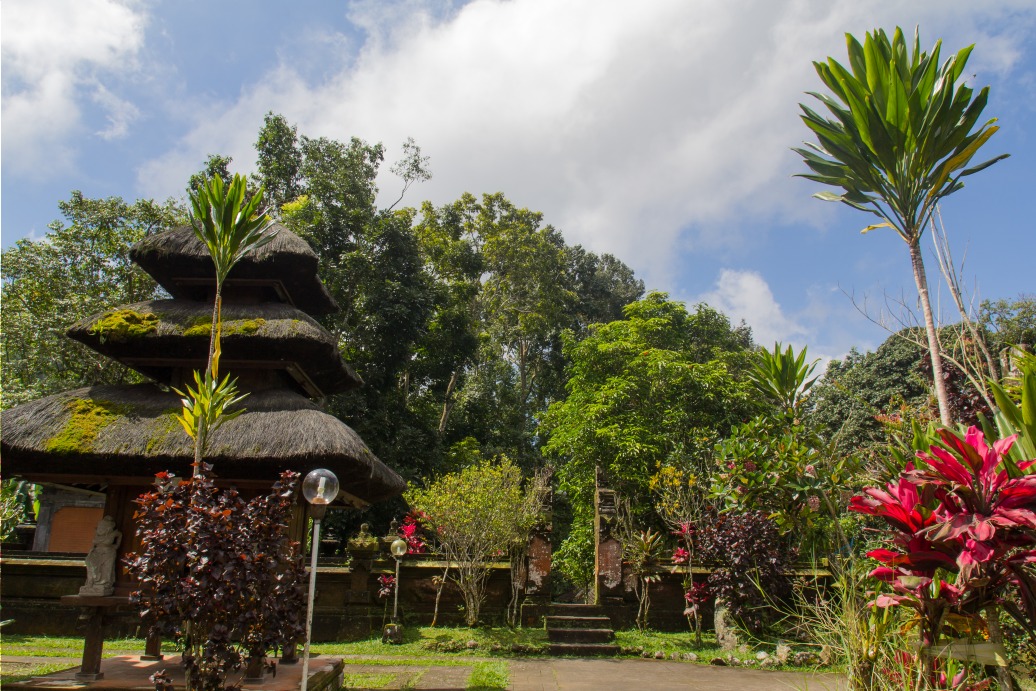
Temple de Luhur Batukaru
Le temple de Luhur Batukaru se dresse sur les pentes du mont Batukaru, à Tabanan, dans l'ouest de Bali. Son nom signifie littéralement « le rocher en forme d'écale de noix de coco ».
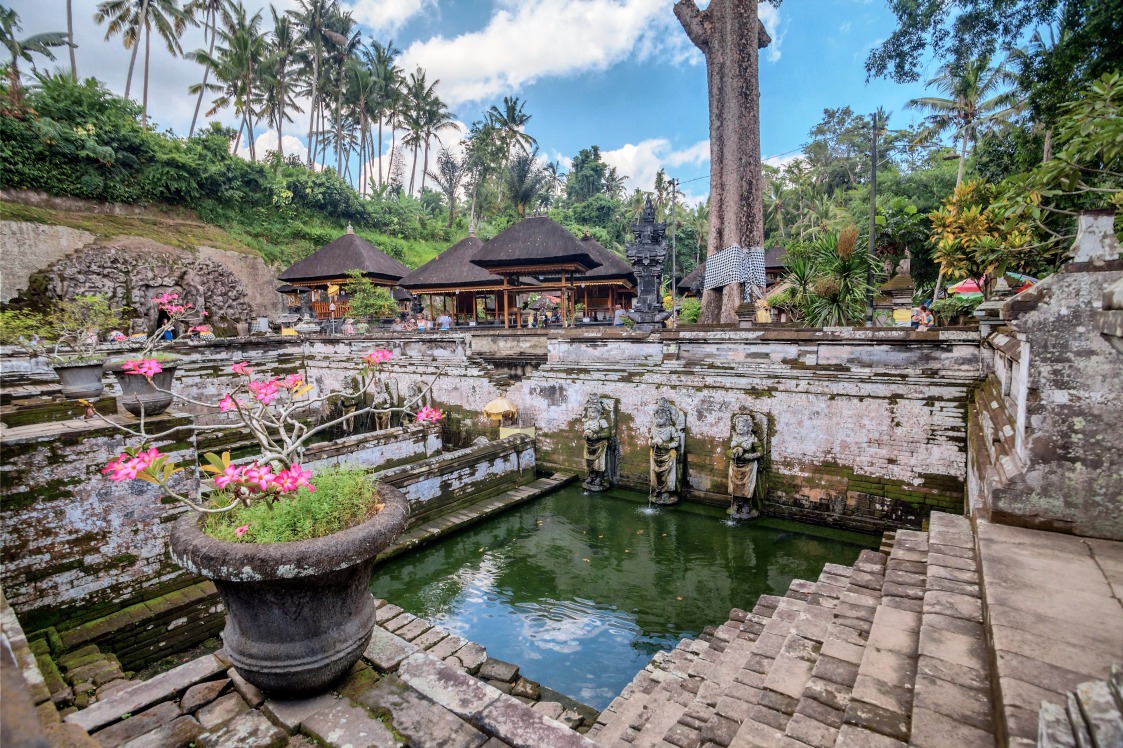
Temple Goa Gajah
À 4 km à l'ouest d'Ubud, près du village de Bedulu, le temple de Goa Gajah rassemble une grotte sculptée, des bassins de purification et des vestiges archéologiques
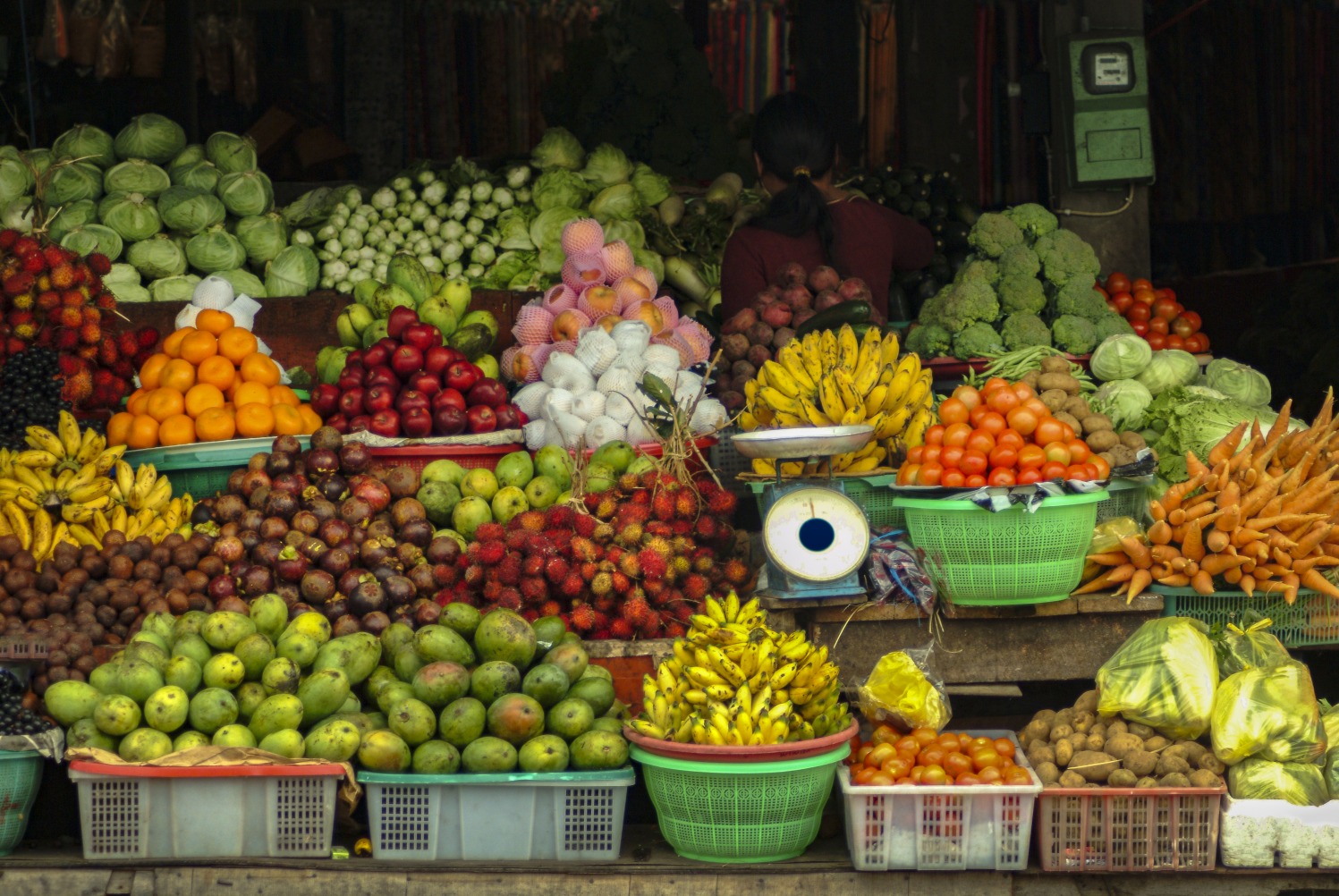
Marché central d'Ubud
Le marché central d'Ubud occupe une position stratégique au cœur de la ville, sur Jalan Raya Ubud, juste en face du Palais Royal Puri Saren.
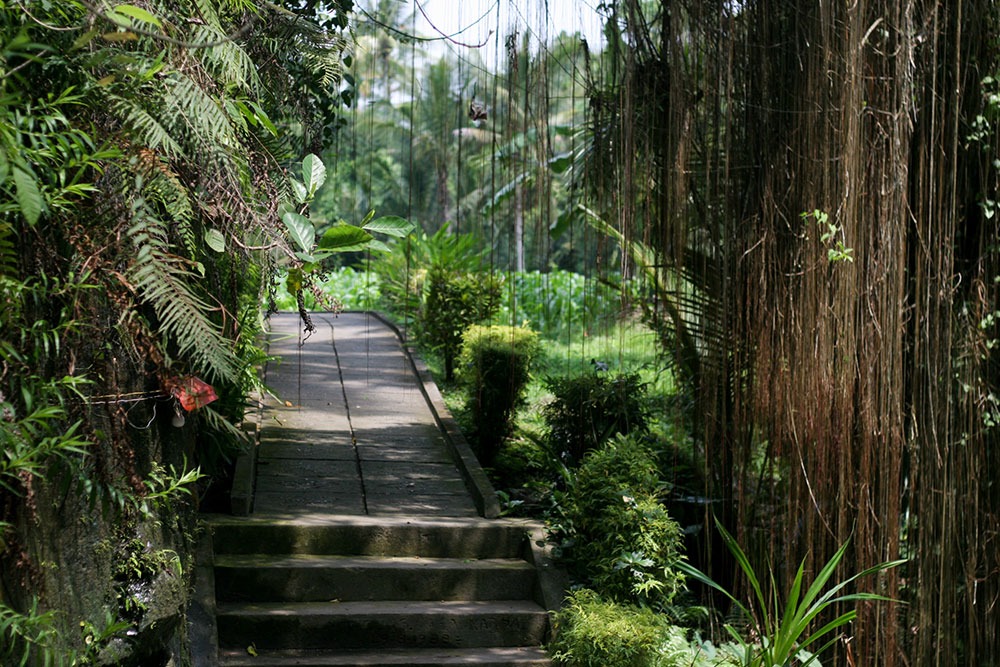
Site archéologique de Yeh Pulu
Le site archéologique de Yeh Pulu rassemble un ensemble de bas-reliefs sculptés dans une falaise de grès, à quelques kilomètres au sud-est de la grotte Goa Gajah, dans la région d'Ubud.
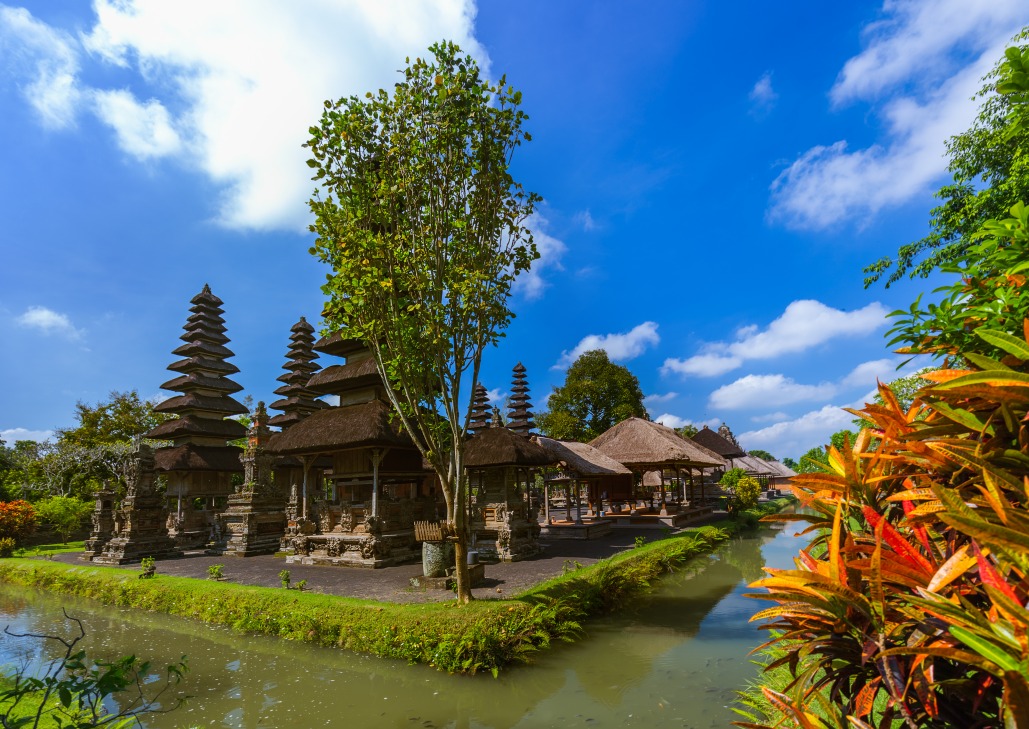
Temple Taman Ayun
À une quinzaine de kilomètres au nord-ouest de Denpasar, le temple Taman Ayun dresse ses pagodes au milieu d'un vaste fossé d'eau et de jardins ordonnés.
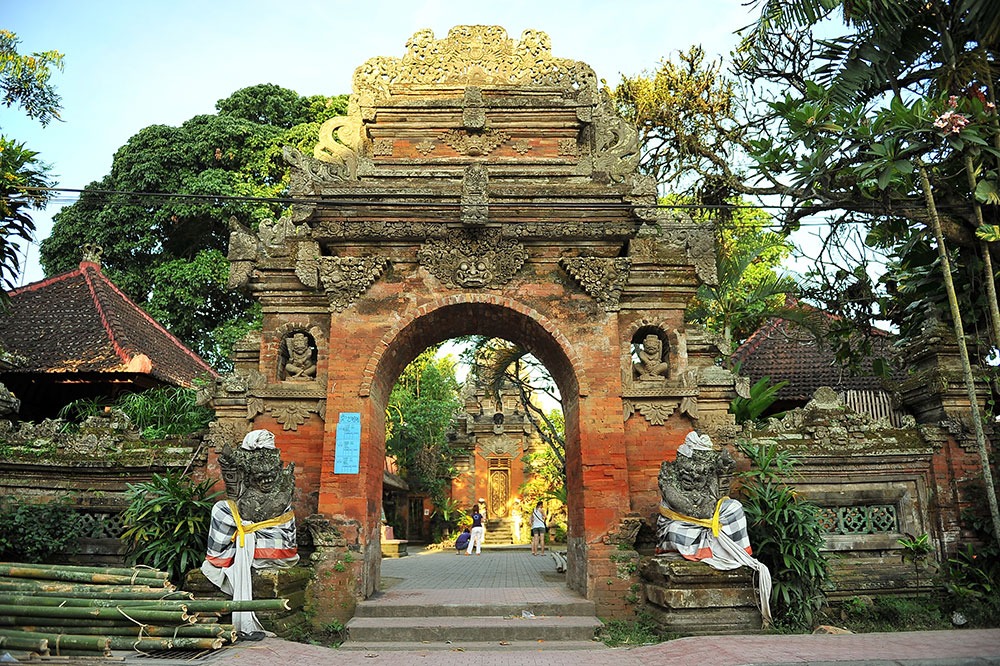
Palais d'Ubud
Aussi connu sous le nom de Puri Saren Agung, le palais d'Ubud est un complexe royal situé au centre-ville d'Ubud, à l'intersection de la route Jalan Raya Ubud.
Accommodation in Ubud
See all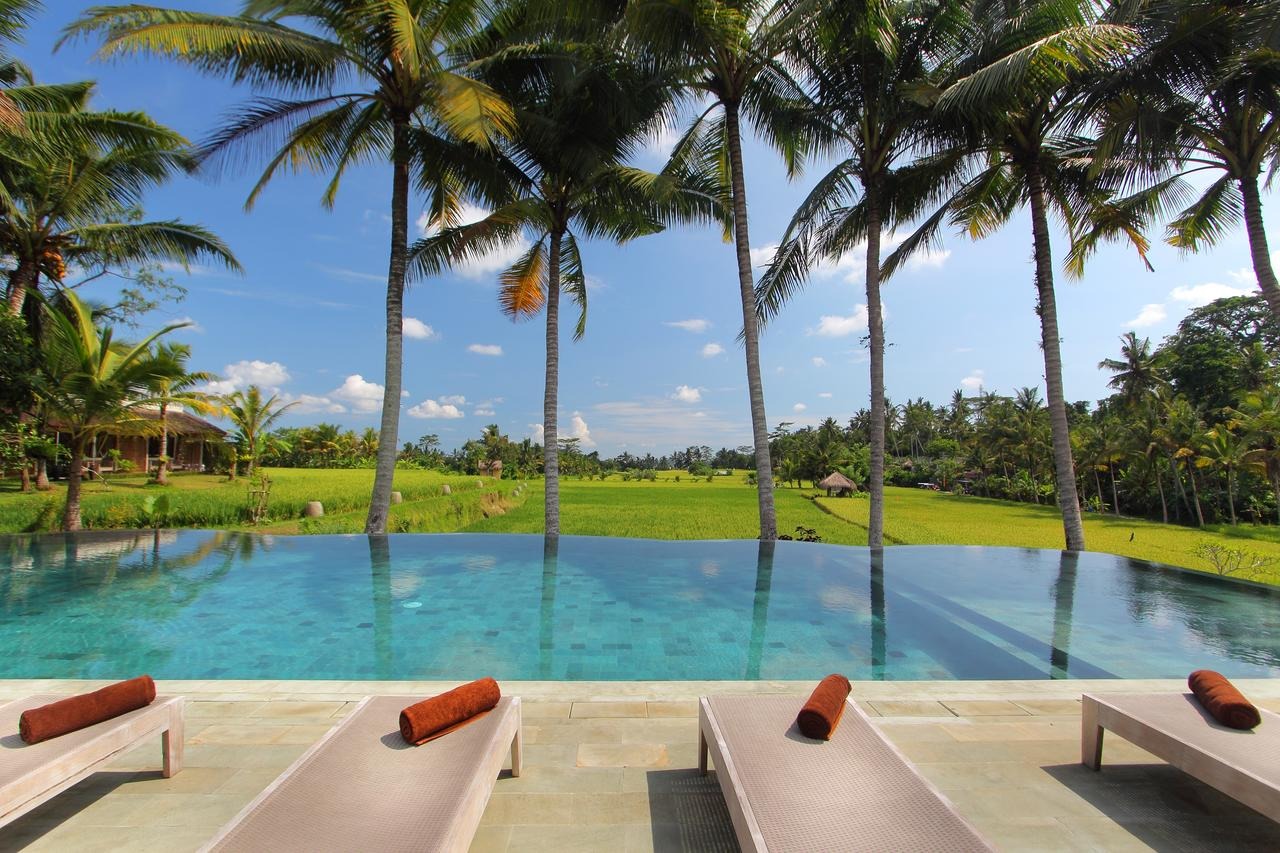
Mathis Retreat
Boutique-hôtel installé à Kedewatan, sur les hauteurs d'Ubud, Mathis Retreat propose un cadre intimiste pour explorer le centre culturel de Bali.
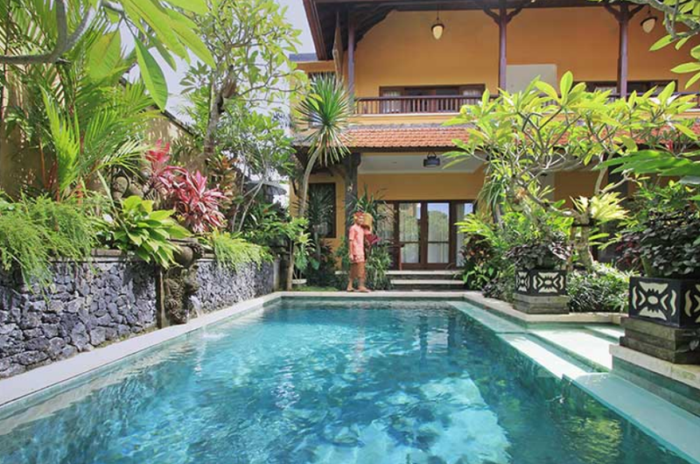
Mawa House Ubud
Guesthouse balinaise à Nyuh Kuning, en lisière sud d'Ubud, à quelques minutes à pied de la Monkey Forest et du centre culturel.
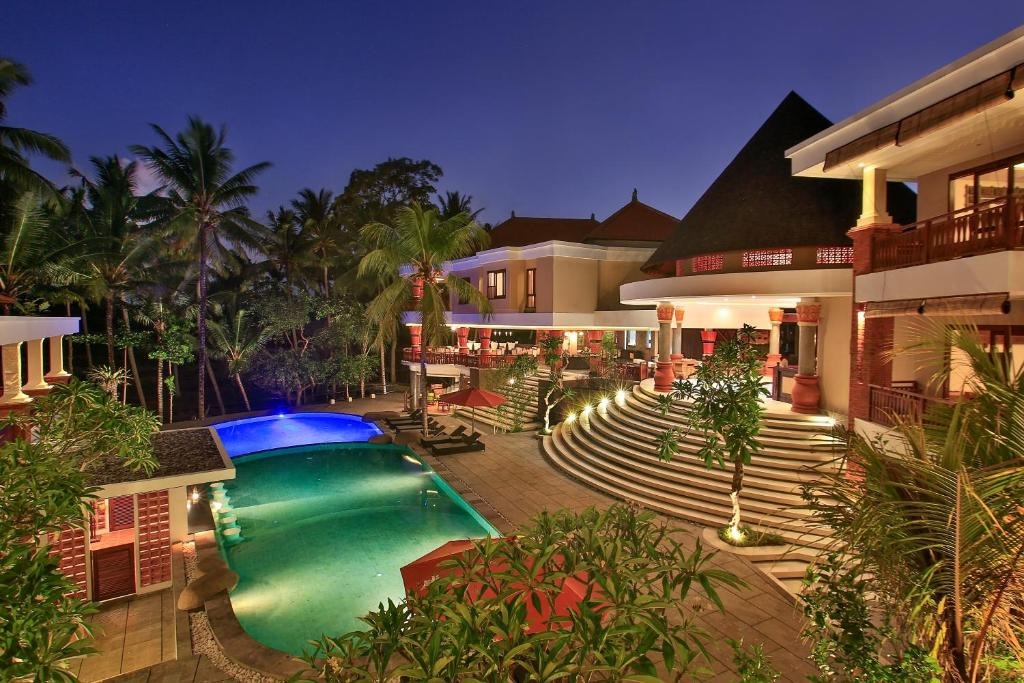
Green Field Resort
Sur une colline verdoyante d'Ubud, le Green Field Resort réunit architecture balinaise traditionnelle, spa, restaurant et activités culturelles dans un cadre de rizières.
Want to discover this destination?
Our local advisors design your tailor-made trip.