Lore Lindu National Park
Lore Lindu National Park
A UNESCO biosphere reserve on the island of Sulawesi, Lore Lindu brings together 400 megaliths, remarkable endemic fauna and four layers of tropical forests.
The Lore Lindu National Park extends over approximately 2,290 km² in the province of Central Sulawesi, on the island of Sulawesi. Designated a UNESCO biosphere reserve since 1977, it combines exceptional biodiversity, multiple forest layers and a unique megalithic archaeological heritage in Indonésie. The village of Tentena serves as the usual starting point for visitors.
Why visit Lore Lindu National Park
Lore Lindu brings together three centers of interest rarely found on the same site. First and foremost, it is a key area for bird conservation at the scale of Sulawesi, with a significant concentration of endemic species. It is also a sanctuary for mammals found nowhere else, such as the babirusa or the pygmy tarsier. Finally, it is an archaeological territory: over 400 granite megaliths have been recorded here, whose function remains partially enigmatic.
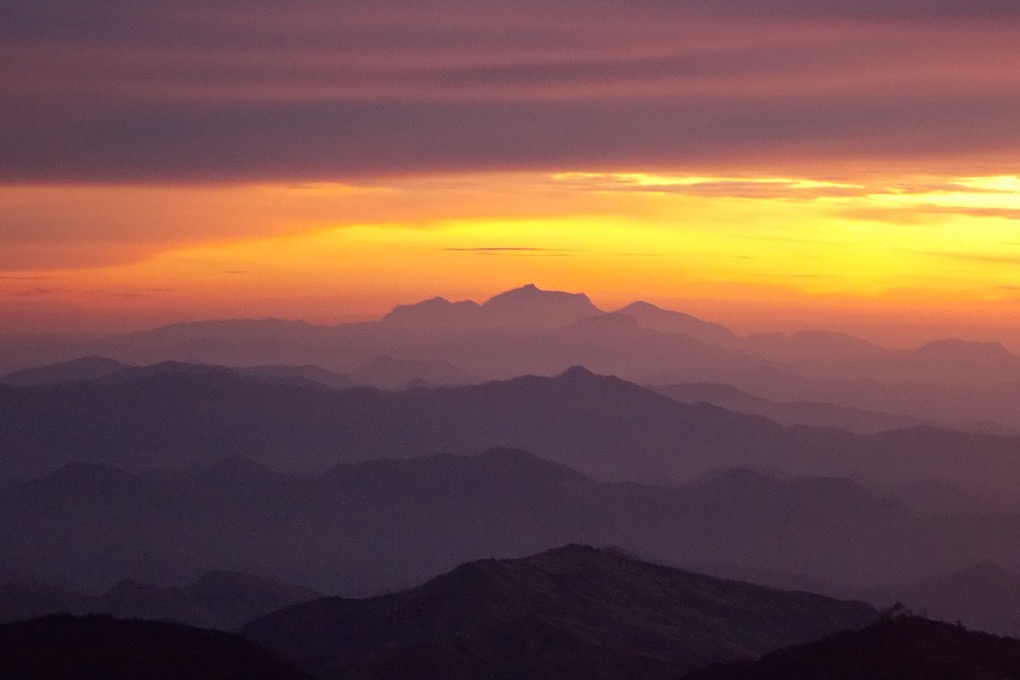
The park appeals to ornithologists and hikers interested in humid tropical forests alike, as well as to travelers curious about archaeology. The trails cross four levels of vegetation, from the lowlands to subalpine zones beyond 2,000 m.
History and megaliths
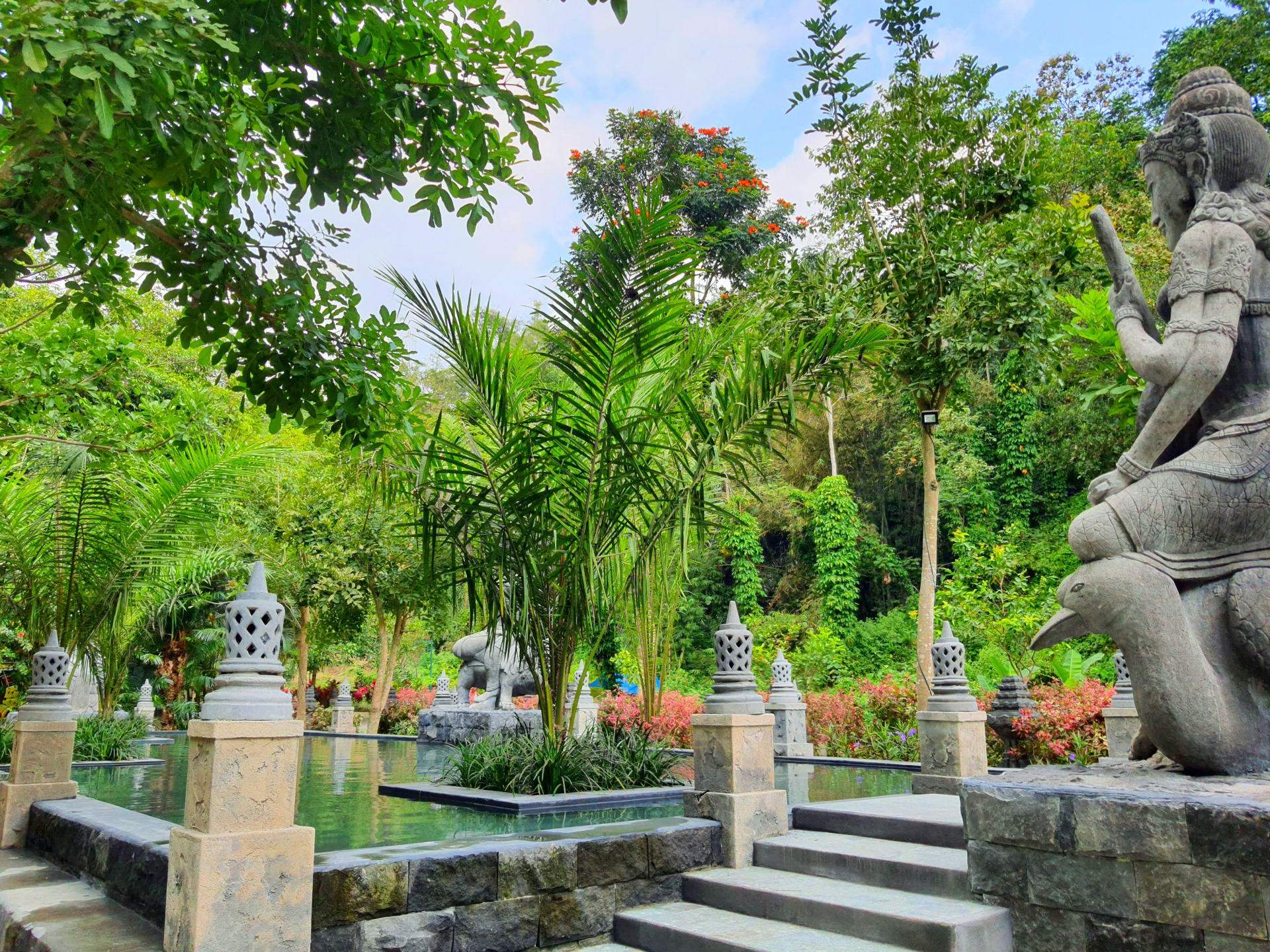
The interior valleys of Lore Lindu contain one of Indonésie's most important megalithic complexes. The granite statues represent primarily human forms with large heads, simple features and lacking legs. Their dating spans a wide period: between 3,000 BCE and 1,300 CE, and their meaning remains debated among researchers.
The Behoa valley concentrates one of the most remarkable sites, Pokekea, where more than twenty statues are visible. Large megalithic urns are also observed there, presumably used as sarcophagi. The park's megaliths do not form a single site but are scattered in small groups throughout several valleys.
Local residents recount that these blocks served ancestral cults. A local myth attributes a punitive origin to certain statues: the statue known as "Tokala'ea" is said to represent a rapist turned to stone, the notches visible on the rock representing the lacerations he supposedly suffered. Another, called "Tadulako," is believed to be a village chief petrified for having committed theft.
What to see and do
Endemic Sulawesi fauna
More than 227 bird species have been recorded in the park, of which over 70 are endemic to Sulawesi. Ornithologists particularly seek the maleo, an emblematic bird of the island, and the Sulawesi thrush. On the mammal side, the trails sometimes allow for observations of the Tonkean macaque, the pygmy tarsier, the Sulawesi palm civet, the striped-faced bat, the Sulawesi cuscus and the babirusa. The park is also home to 29 reptile species and 19 amphibian species.
Four forest layers
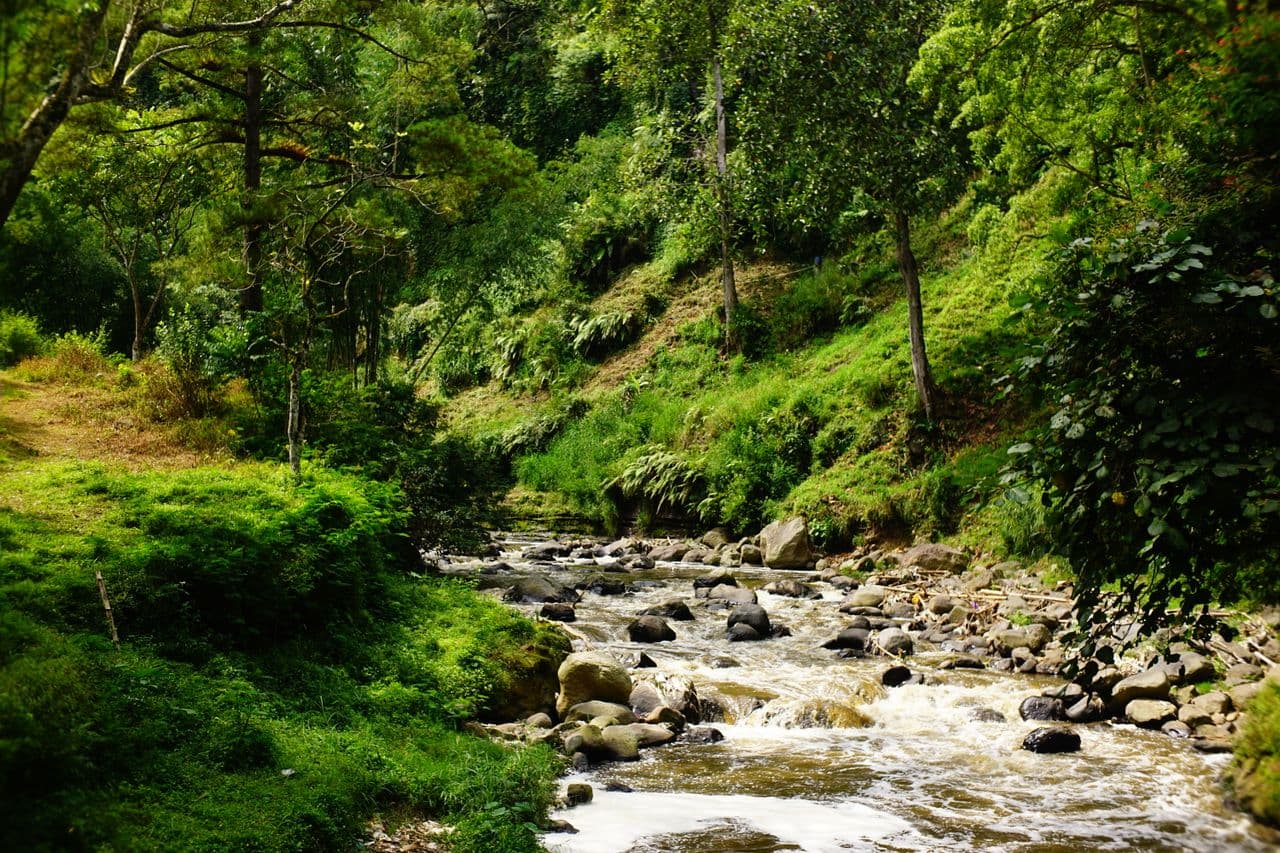
The park's ecosystem is structured in four types of forests:
- tropical lowland forests;
- submontane forests;
- mountain forests;
- subalpine forests, beyond 2,000 m elevation.
Among the identified plant species are Agathis philippinensis, Pterospermum celebium, rattan, Gnetum gnemon, Eucalyptus deglupta, Castanopsis argentea, Cananga odorata and Phyllocladus hypophyllus. Deforestation practiced by certain neighboring villages to expand arable land constitutes significant pressure on this ecosystem.
Megalithic sites
The Behoa, Bada and Napu valleys concentrate most of the statues. Plan for several days if you wish to visit multiple valleys, as distances between archaeological sites are considerable and trails sometimes slow.
When to visit
The park is subject to a humid tropical climate, with average annual temperatures between 26 and 32 °C in the lowlands. The dry season, from May to September, is the most favorable period for hiking and wildlife observation: the trails are passable and viewpoints clear. The wet season makes certain valleys difficult to access, notably those harboring the megaliths.
Practical information
Lore Lindu is visited essentially on foot, over several days. The use of a local guide is strongly recommended, both for safety reasons in dense forests and to identify endemic fauna and megalithic sites. Classic treks last from 2 to 5 days depending on chosen itineraries (Bada, Behoa, Napu valleys).
Plan equipment suited to humidity, hiking shoes, protection against leeches and sufficient water. Accommodations within the park are basic: nights with local families or bivouacs in traversed villages.
How to get there
The village of Tentena, on the shores of Lake Poso, is the most commonly used starting point for trekkers. You can also access the park from the city of Poso, located further north. Tentena and Poso are connected by road to Palu, the capital of Central Sulawesi, which has an airport served from Makassar and Jakarta. Allow several hours of driving between Palu and the park entrance.
What to see in the region
Central Sulawesi remains little visited. To extend an itinerary in Indonésie, several sites complement a visit to Lore Lindu well:
- Komodo Island, to observe the famous monitor lizard;
- Rinca Island, another habitat of Komodo dragons;
- the Sipiso-Piso waterfall, in Sumatra;
- the Bali botanical garden, for a gentler approach to Indonesian flora.
Frequently asked questions
Frequently asked questions
A local guide is strongly recommended. Trails are not always marked, the forest is dense, and an accompanying guide allows for identification of endemic fauna and megalithic sites scattered throughout the valleys.
The dry season, approximately May to September, offers the best conditions for hiking and observation. The wet season complicates access to interior valleys.
Plan a minimum of 2 to 3 days for one valley, and 4 to 5 days if you wish to combine wildlife observation with visits to the megalithic sites of Behoa or Bada.
The granite megaliths with human forms, of which over 400 have been recorded, and the endemic fauna of Sulawesi, particularly the maleo, babirusa and pygmy tarsier.
Access requires logistics: flight to Palu, then road to Tentena or Poso, and finally transfer to the park's valleys. It is a site that must be earned and is generally visited as part of a longer Sulawesi itinerary.
Preparing your trip
Lore Lindu naturally fits into a circuit dedicated to Sulawesi, complementing the Toraja region or the Togian Islands. To build a customized itinerary integrating this park and other regions of the archipelago, consult our Indonésie travel suggestions.
Interested in this visit?
We can include it in your personalised itinerary.