Mount Ranakah Volcano
Mount Ranakah Volcano
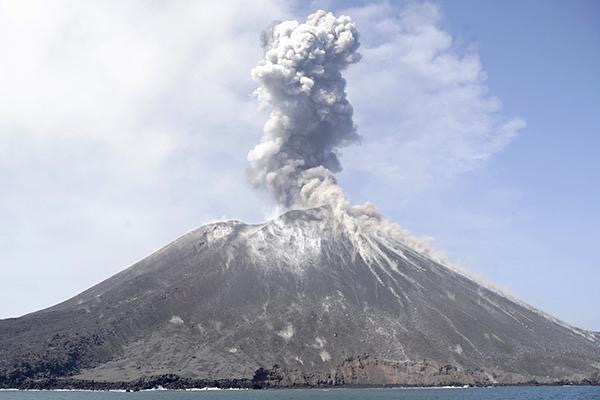
In western Flores, Mount Ranakah and its young dome Anak Ranakah, born in 1987, offer a peaceful climb from Ruteng with views over the hinterland peaks.
Mount Ranakah, Gunung Ranak in Indonesian, is one of many volcanoes on the island of Flores, in the Lesser Sunda Islands. This volcanic massif in the western part of the island comprises a cluster of lava domes, the highest of which is Gunung Mandasawun, reaching 2,350 meters in altitude. Its reputation rests above all on Anak Ranakah — "the child of Ranakah" — a young dome born in 1987 after several months of intense volcanic activity. For travelers heading between Labuan Bajo and eastern Flores, the climb from the town of Ruteng offers a nature-filled respite in a region still rarely visited.
Why visit Mount Ranakah?
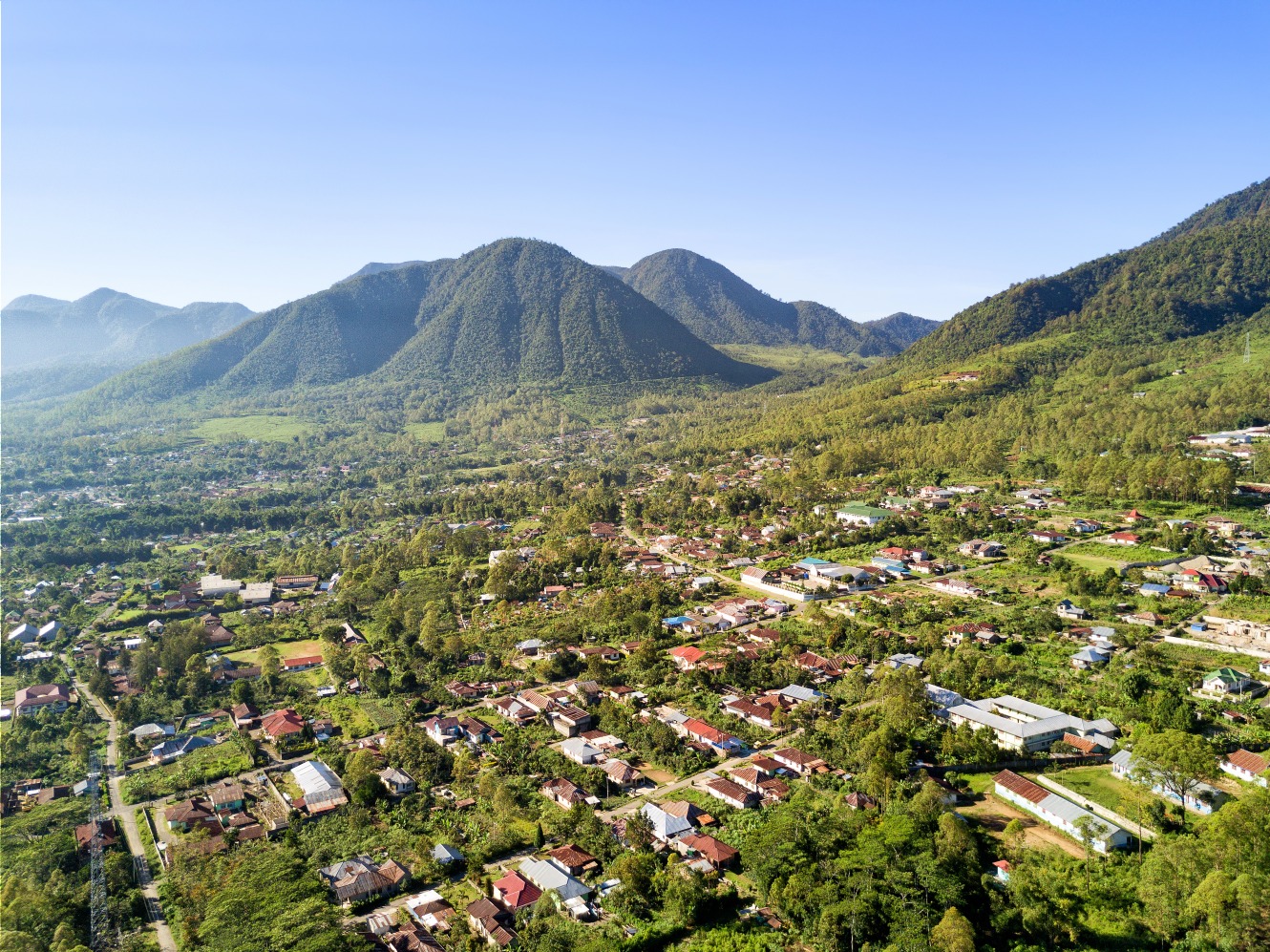
Ranakah holds three main attractions. First, it's a young and well-documented volcano: its awakening in 1987-1988 remains vivid in local memory and allows visitors today to observe a recently formed lava dome. Second, it's an exceptionally peaceful place, frequented by only a handful of hikers, far removed from the tourism buzz of Komodo National Park. Third, it's a vantage point over Flores' mountainous interior, with its interlocking peaks and traditional Manggarai villages.
A recent eruptive history
The first recorded eruption of Ranakah dates to December 28, 1987. A pre-existing crater exploded and hurled ash more than 2,000 meters skyward. Days later, nearly 20,000 people were evacuated within a 5 km radius of the crater.
Explosions continued until January 9, 1988, with ash columns reaching 6,000 meters above the crater. A lava flow traveled roughly 5 km northward down the Wai Reno valley, burning a band of jungle about 1 km wide before halting 700 m from the main road. On January 26, 1988, a further 4,200 residents north of the volcano fled to safety in Ruteng.
Lava emissions weakened in February, gradually losing force and ceasing by summer 1988. By the end of the eruption, a lava dome 150 meters high had formed: Anak Ranakah. The volcano stirred briefly in March 1991, then for the last time in December 2010, when small white plumes were observed at its summit.
What you'll see at the summit
The ascent trail from Desa Robo spans roughly 9 km. The finest views of Anak Ranakah open up after 6 km of climbing, around 1,943 meters altitude: from here you can take in the young dome and the Wai Reno valley, marked by the old lava flow.
The true summit, crowned by a cement pillar, offers more limited but clear views toward Poco Ngandonalu and the surrounding peaks. You'll also find abandoned buildings and religious artifacts, remnants of an older installation at the summit.
The region remains remarkably serene. You'll encounter very few people on the trail, making it a pleasant spot for landscape photography and nature observation.
Practical information
- Starting point: Desa Robo, at 1,238 m altitude, 9 km east of Ruteng.
- Distance to summit: 9 km, motorable for those preferring not to walk.
- Panorama altitude: around 1,943 m after 6 km of climbing.
- Difficulty: moderate, steady gradient on a drivable track.
- Equipment: hiking shoes, water, warm clothing (dawn temperatures are cool at altitude).
No formal entrance fee is usually required, though a local contribution may be requested at Desa Robo. Check in Ruteng before setting out.
When to go?
The best season to climb Ranakah spans the dry season, from April to October. Conditions are more stable, trails less slippery, and visibility better from the viewpoint. During the rainy season (November-March), earth paths quickly turn muddy and clouds often obscure the peaks.
An early morning ascent is recommended: light is softer, air clearer, and afternoon clouds haven't yet veiled the ridges.
How to get there
The gateway to Ranakah is the town of Ruteng. It's accessible by:
- Air from Labuan Bajo, with regional connections (frequency to be confirmed with local carriers before departure);
- Car from Labuan Bajo, allowing a full day's drive across Flores' main road, scenery included.
Once in Ruteng, head east for 9 km to Desa Robo. A sign marks the start of the 9 km trail to the summit.
Nearby attractions
Ranakah fits naturally into an itinerary across Flores and the Indonesian archipelago:
- Ruteng and its Manggarai villages with traditional spider-web-shaped houses;
- Komodo Island and its dragons, accessible from Labuan Bajo;
- Rinca Island, second sanctuary for monitor lizards in Komodo National Park;
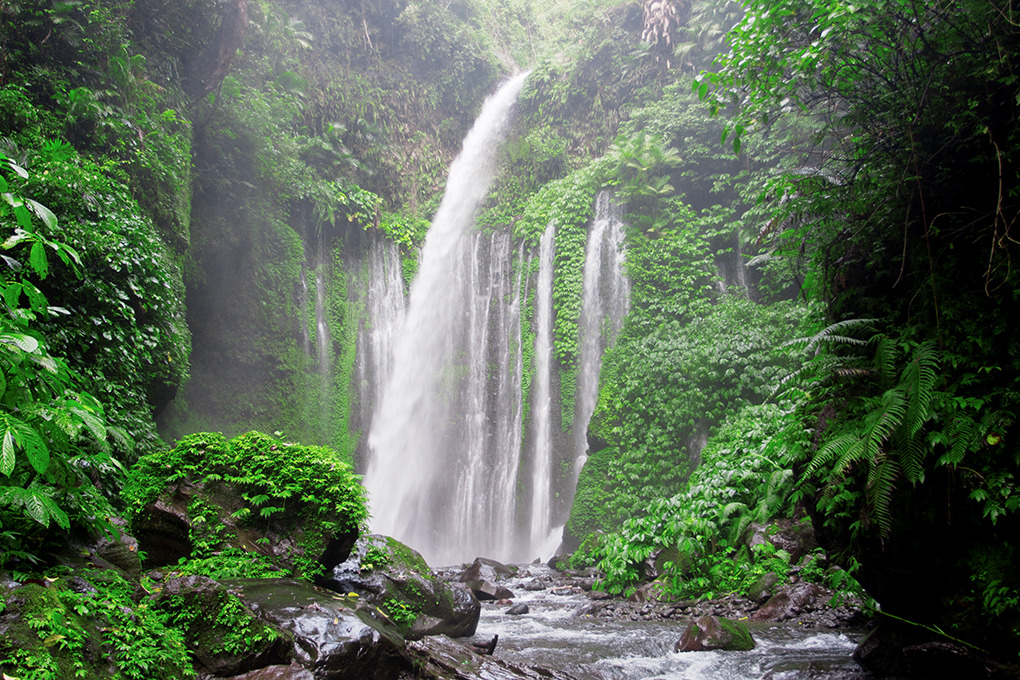
- Sipiso-Piso Waterfall, to extend your nature experience in Indonesia.
Frequently asked questions
Frequently asked questions
Including Ranakah in your journey
Mount Ranakah fits naturally into a crossing of Flores, between Labuan Bajo and the traditional villages of the Manggarai interior. To build a bespoke itinerary blending volcanoes, Komodo dragons, and local culture, explore our Indonesia travel ideas.
Interested in this visit?
We can include it in your personalised itinerary.