Mount Tambora
Mount Tambora
Iconic volcano of Sumbawa (2,857 m), famous for its 1815 eruption. 3 to 5-day trek departing from Pancasila to a 6 km caldera.
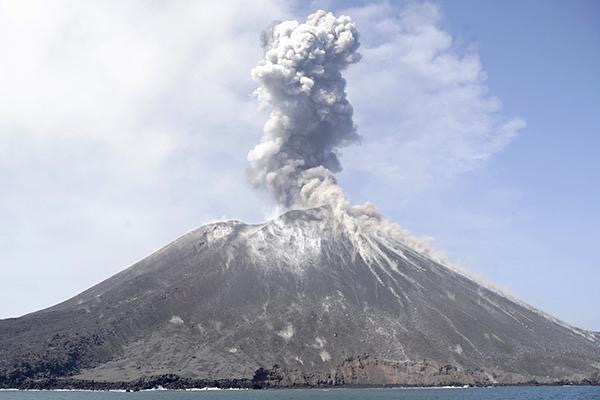
Mount Tambora dominates the Sanggar Peninsula on the island of Sumbawa, east of Lombok. Reaching a height of 2,857 m today—compared to roughly 4,000 m before 1815—it bears the scars of the most powerful eruption in the last two centuries. Climbing it, challenging yet accessible to well-prepared trekkers, begins in the village of Pancasila and leads to the edge of a caldera 6 km in diameter.
Why climb Tambora
Few volcanoes combine such historical weight with such varied trekking terrain. Tambora is one of the rare stratovolcanoes rated level 7 on the VEI scale (out of 8). Its 1815 eruption altered Earth's climate for more than a year. Today, the ascent passes through rainforest, highland savanna, and ancient lava flows before reaching the rim of a crater deeper than 1,100 m. The site remains relatively untouched compared to nearby Rinjani, making it an appealing option for trekkers seeking an Indonesian volcano off the beaten path.
An eruption that changed world history
In April 1815, Tambora's eruption claimed more than 92,000 direct and indirect victims through projectiles, tsunamis on nearby islands, famine, and epidemics. The volume of material expelled is estimated at more than 150 km³ of ash and debris, placing the event among the most powerful documented. The detonation was reportedly heard up to about 2,000 km from the island, according to contemporary sources.
The volcano's summit, then close to 4,000 m, collapsed, leaving behind the caldera roughly 6 km across visible today. Ash injected into the stratosphere circled the globe and triggered the "Year Without a Summer" in 1816: summer freezes swept Europe and North America, rice crops failed in China, and famines ravaged several regions. Some historians argue this climate disruption influenced Napoleon's defeat at Waterloo in June 1815, as persistent rains hindered French maneuvers—a debated but often cited hypothesis.
The climb: itinerary and scenery
The typical departure is from the village of Pancasila on the northwestern flank. Depending on your chosen route and group pace, plan for 3 to 5 days round-trip to reach the caldera rim and descend.
Typical stages
- Rainforest: the first day traverses dense, humid jungle. Leeches abound on low foliage and near water sources; bring gaiters or long socks.
- Intermediate camps: several waypoints ("Pos 1" through "Pos 5") allow for high-altitude camping.
- Summit zone: sparse vegetation, ash, and volcanic rock. The caldera rim offers a plunging view of a crater more than 1,100 m deep.
Required level
The trek presents no technical difficulty but demands good stamina, experience with long days of hiking, and tolerance for humid heat at lower elevations, then dry cold near the summit.
Practical information
- Guide required: climbing is done with a local guide, typically hired in Pancasila. Agencies also arrange porters and a cook for multi-day treks.
- Permit: Tambora sits within a national park; an entrance fee is collected at registration (modest fee, payable on-site).
- Gear: sturdy hiking boots, warm clothing for high-altitude nights, rain gear, headlamp, water bottle of at least 2 liters, leech gaiters.
- Water and food: porters handle provisions and water for camps. Bring energy bars as backup.
- Accommodation: tent camping provided by the agency; a few simple homestays in Pancasila before and after the trek.
When to go
Sumbawa enjoys a tropical climate with an average annual temperature around 27 °C. The best trekking season runs from May through October, the dry period: trails are passable, skies clearer over the caldera, and reduced risk of mudslides. The rainy season (November–April) makes access difficult, and several agencies halt departures.
How to get there
Access is via the Sanggar Peninsula in northeastern Sumbawa. From Bima, the main city and eastern island airport, allow roughly 6 hours of driving to Pancasila. The final track is rough: a 4x4 vehicle is advised. Most agencies arrange transfers as part of the trek package.
To reach Sumbawa, two options: domestic flight to Bima from Bali or Lombok, or ferry from Lombok via Poto Tano port, then drive east-west across the island.
Nearby
Sumbawa and the Indonesian archipelago offer several natural extensions after Tambora:
- The Komodo National Park, accessible from Sumbawa via Sape, to see the famous varans.
- Rinca Island, another site for Komodo dragon viewing, quieter than its neighbor.
- The Sipiso-Piso Waterfall on Sumatra, for travelers continuing a longer Indonesian itinerary.
- The Bali Botanical Garden, a refreshing stop before or after trekking effort.
Frequently asked questions
Frequently asked questions
Plan your trip
Tambora fits well into an itinerary covering Lombok, Sumbawa, and Komodo. To craft a custom trip including the climb, contact our advisors via our Indonesia page.
Interested in this visit?
We can include it in your personalised itinerary.