Merapi Museum
Merapi Museum
Just 30 minutes from Yogyakarta, the Merapi Museum documents the 2010 eruption and the volcano's history via exhibitions, simulators and a short film.
The Merapi Museum is an information, research and education center dedicated to Mount Merapi, located on the southern slope of the volcano approximately 30 minutes by car from Yogyakarta. The building, with its angular architecture evoking the silhouette of a volcano, houses exhibitions, simulators and collections that trace the eruptive history of Merapi and other major volcanoes around the world.
Why visit the Merapi Museum
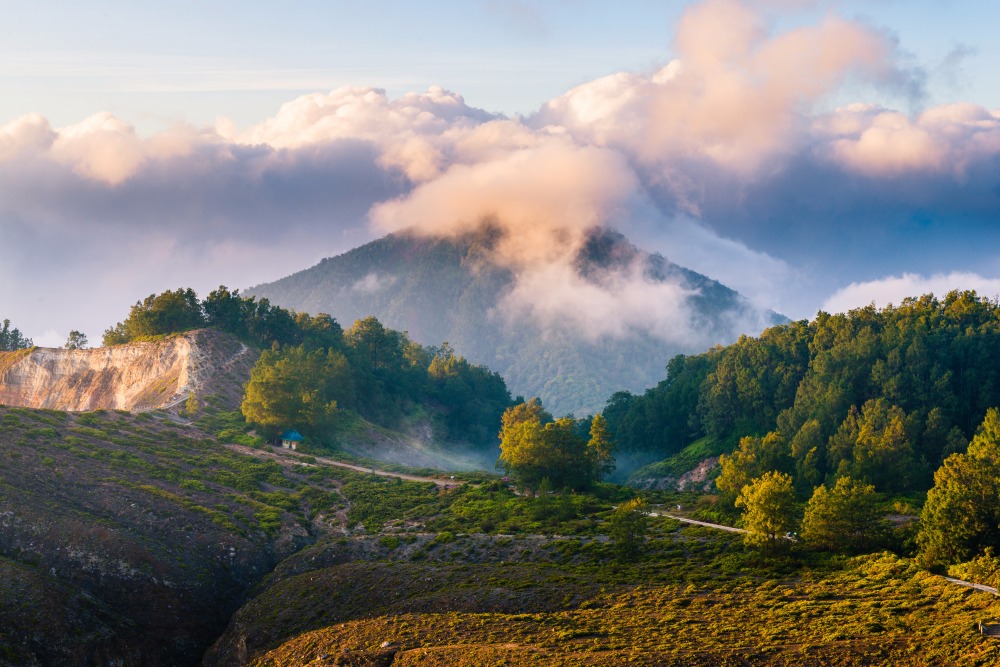
The museum serves as a logical introduction before an excursion on Mount Merapi, one of Indonésie's most closely monitored active volcanoes. A visit allows you to understand eruption dynamics, observe objects rescued from the 2010 disaster, and grasp the human and environmental impact of volcanic activity on the Yogyakarta region. From the parking lot, you can already see the summit of Merapi, grounding your visit in its natural setting.
History and creation of the museum
The Merapi Museum was built and officially inaugurated on October 1, 2010. Its purpose: to document and preserve traces of the volcano's eruptions, particularly the 2010 event, considered the most significant since 1930.
This eruption ejected thick ash plumes, generated pyroclastic flows and lahars that devastated several villages on the southern slope. Over 350,000 people were evacuated from the area. The human and material losses prompted authorities to establish a dedicated place to commemorate the event and prevent future volcanic hazards.
What to see inside
The building covers 4,470 m² across a 30,000 m² property, spread over two floors.
The main hall (atrium)
At the center, a scale model of Mount Merapi in eruption continuously produces simulated smoke and magma. It's the centerpiece of the tour, visible from the moment you enter.
The first floor: thematic zones
Four spaces structure the permanent exhibition:
- Volcano World: overview of the planet's major volcanoes
- On the Merapi volcanic trail: local geology and chronology
- Humans and Merapi Volcano: relationships between populations and eruptive activity
- Earthquakes and Tsunami: associated hazards
Photographs, documents and objects accompany each theme. Among the striking pieces, a "volcanic bomb": a lava sample whose temperature at the moment of ejection reached around 1,200°C, collected after the 2010 eruption.
The second floor: simulators and projection
A small theater shows Mahaguru Merapi, a short film of approximately 24 minutes that traces the volcano's eruptions from 1969 to 2010, alternating between the mountain's life-giving and destructive aspects. A simulator lets you experience, at the push of a button, earthquake tremors and the sound and visual effects of an eruption inspired by that of 2010.
A global perspective
The exhibitions also highlight other major events: the 1883 Krakatoa eruption, volcanoes in Chile, the Philippines and Hawaii, illustrated with large-format photographs.
Practical information
- Visit duration: plan for 1 to 2 hours to explore both floors
- Admission: affordable entry fee (a few thousand Indonesian rupiah), to be confirmed on-site
- Opening days: Tuesday to Sunday, during daytime hours
- Closure: Mondays for facility maintenance
- Languages: signage mainly in Indonesian and English
When to go
The museum is open year-round. The dry season, from May to September, offers better visibility of the Merapi summit from the site. During the rainy season (November to March), late afternoon showers can complicate the road from Yogyakarta: plan a morning visit. If volcanic activity increases, access may be restricted: check the site's status with local authorities before departing.
How to get there
The museum is about 30 minutes by car from Yogyakarta. Renting a private vehicle with a driver remains the most practical option, as few public transport services serve the site directly. From the city center, head toward Kaliurang, then take the western entrance via Boyong Street. Local drivers and ride-sharing services know the address as "Museum Gunung Merapi."
Nearby and other sites in Indonésie
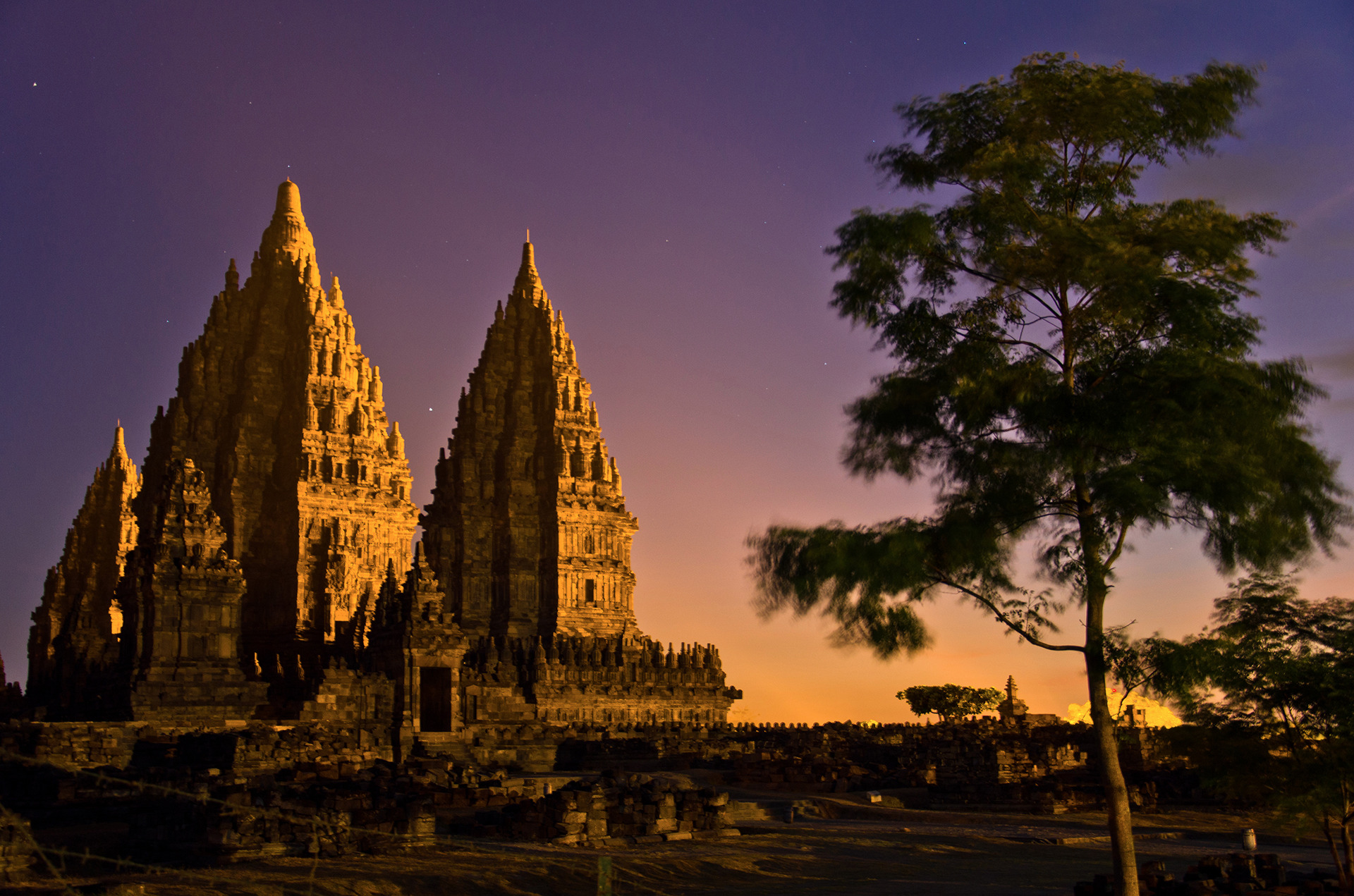
The museum naturally fits into a circuit around Mount Merapi: sunrise volcano trek, jeep tour through villages rebuilt after 2010, or visits to the Borobudur and Prambanan temples accessible from Yogyakarta.
To continue exploring elsewhere in Indonésie, you can visit our Bali botanical garden, the Sipiso-Piso waterfall in Sumatra, or the Komodo Island and Rinca Island to observe dragons.
Frequently asked questions
Frequently asked questions
Include the museum in an Indonésie trip
The Merapi Museum naturally fits into a stay around Yogyakarta, between temples, volcanoes and rebuilt villages. To plan a tailor-made itinerary blending Javanese culture and volcanic nature, consult our Indonésie travel packages.
Interested in this visit?
We can include it in your personalised itinerary.