Komodo National Park
Komodo National Park
Endemic dragons, turquoise lagoons and sculpted savannas: Komodo National Park concentrates within a few islands some of Asia's rarest biodiversity.
Komodo National Park ranks among Indonesia's most visited and well-known protected sites. Located in the Lesser Sunda Islands, it encompasses several volcanic islands, with 3 principal ones: Padar, Rinca and Komodo. It is an excellent destination to discover the wealth of fauna and flora across the territory.
History
Komodo National Park was primarily established for the protection of the Komodo dragon, a reptile endemic to Indonesia. Later, all the biodiversity existing within the islands and surrounding areas (including marine zones) became the focus of this protection initiative. Notably, 1991 marked a significant year for the park, as it officially joined the UNESCO World Heritage List.
Observing Komodo Dragons
Since time immemorial, observing the famous Komodo dragon (Varanus Komodoensis) has remained the park's primary attraction. Rinca Island, for instance, is home to approximately 1,700 of them.
This giant lizard averages 3 meters in length and weighs around 70 kg. It is a formidable predator with a varied diet that includes imposing animals such as deer, water buffalo, wild boar, and macaques. To pursue its prey, it relies on two preferred weapons: a dislocating jaw and razor-sharp claws. Once it spots its victim, it pursues and bites it. Notably, its saliva contains a potent enzyme capable of killing large mammals in a short time. Once the venom takes effect, the Komodo dragon begins its feast, leaving no trace of its victim—nothing is spared, not even bones.
It goes without saying that it is essential to avoid approaching these reptiles too closely. Keep in mind that these are wild animals and can pose a danger to humans if the safety guidelines your guide provides are not followed.
A Paradise for Wildlife Enthusiasts
Komodo National Park is recognized not only for its famous dragon but also for its numerous other wild animals. Across the terrestrial portions of the site, many mammal and bird species have been recorded.
For ornithology enthusiasts, the park represents a true paradise. You may observe splendid sulphur-crested cockatoos, Reinwardt's megapodes, red junglefowl, helmeted hornbills, crested terns, and more.
As for mammals, notably recorded species include banteng buffalo, crab-eating macaques, and Javan deer.
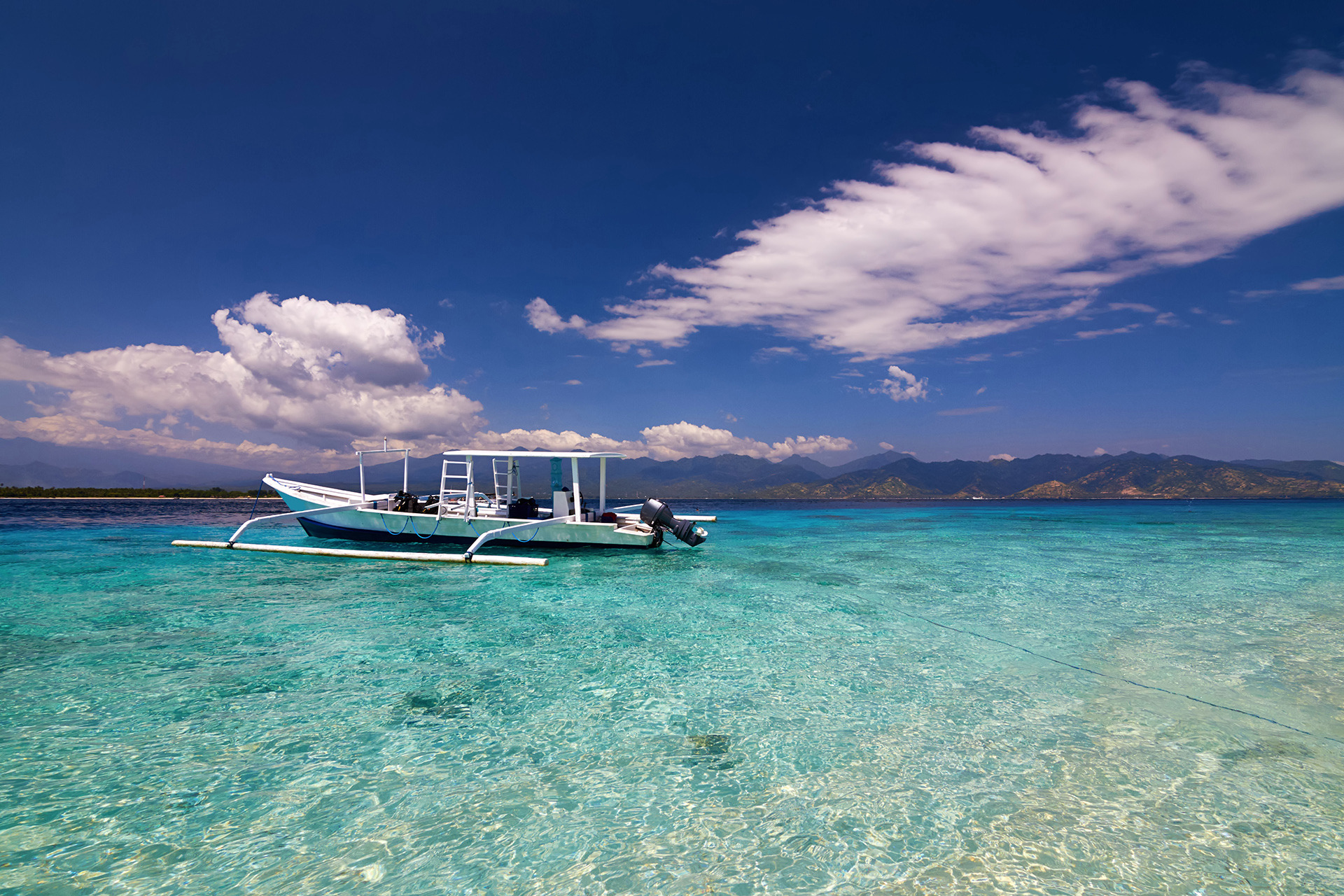
The marine section of the park, meanwhile, harbors an impressive array of aquatic species such as reef sharks, pelagic species, tuna, rays, dolphins, dugongs, sea turtles, and flying fish—all of which divers, both amateur and professional, eagerly observe during scuba diving expeditions.
Komodo: Breathtaking Landscapes
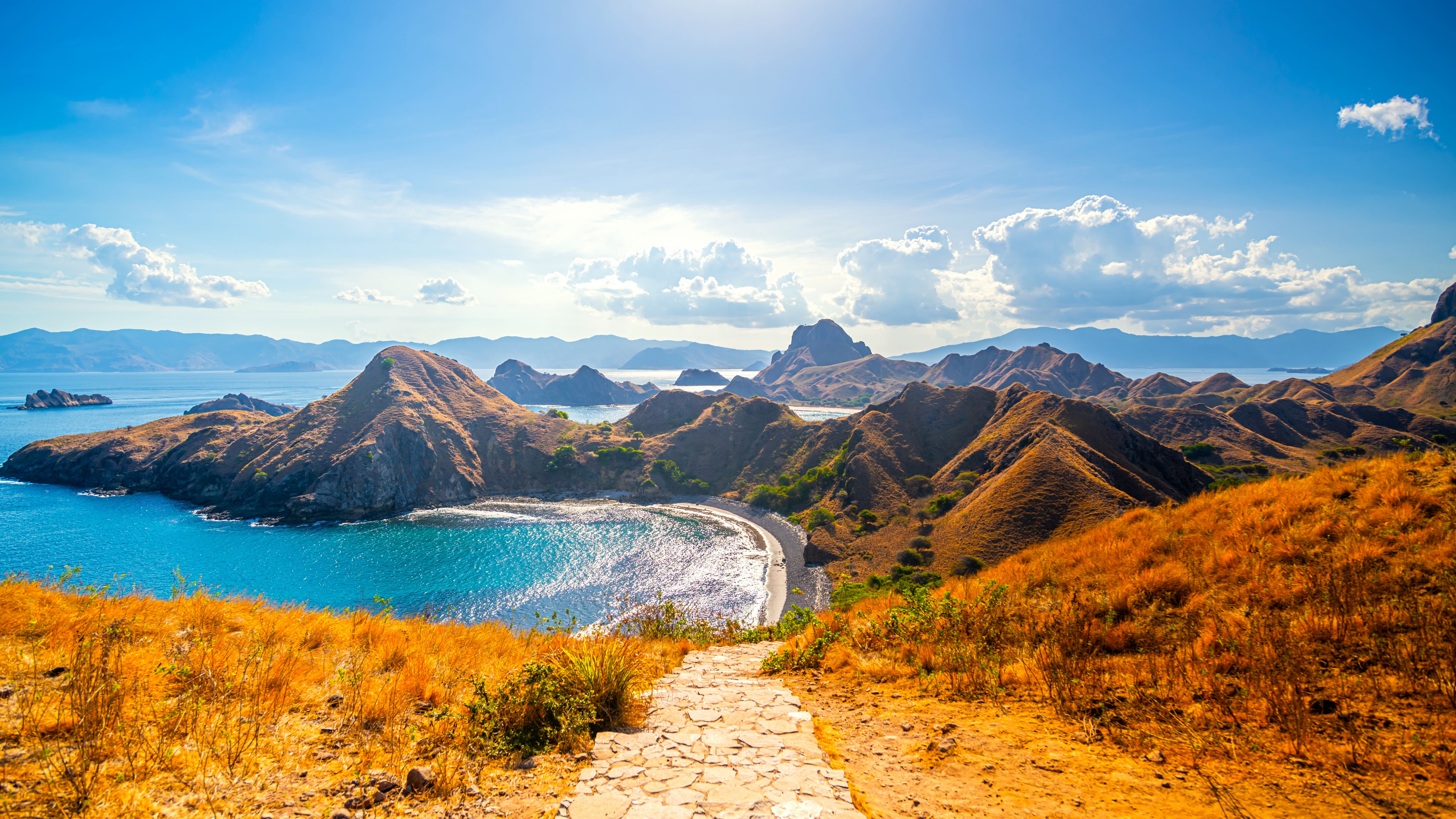
Beyond the exceptional biodiversity observable throughout, Komodo National Park attracts visitors for its magnificent natural scenery. Rocky hills, grassy savannas, steep cliffs, white-sand beaches, and turquoise lagoons interweave to create a unique landscape that will leave you spellbound.
An Exceptional Human Adventure with the "Bajau"
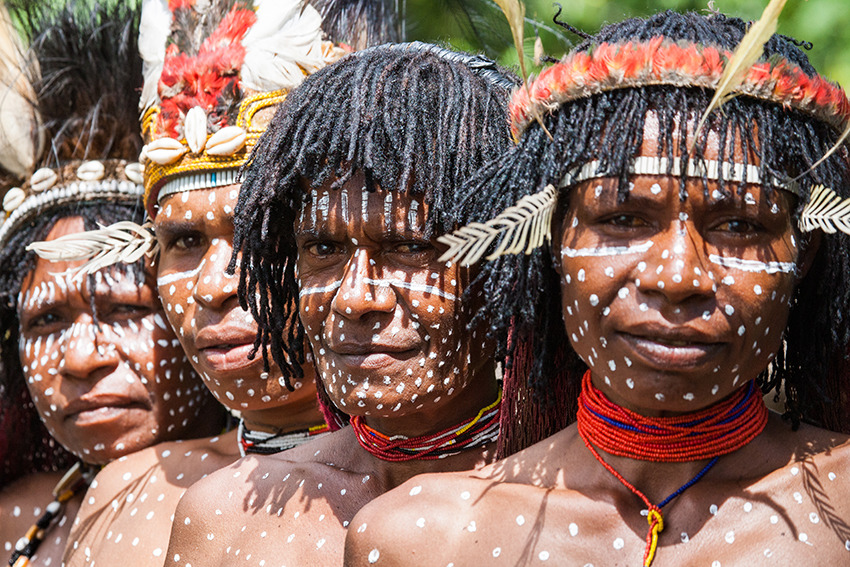
Given that Komodo National Park spans several islands, some are inhabited, notably Mesa Island, which hosts a coastal village. The economy of this small settlement, home to approximately 1,500 residents, revolves primarily around fishing. The local population, the Bajau, are welcoming and warm people who will share their daily lives and traditions with you. They will show you, for example, their sea cucumber drying process, the transformation of shells, and more.
Climate
Benefiting from a dry climate, Komodo National Park experiences minimal rainfall annually. However, tropical downpours occur between December and March, sometimes intense but short-lived. As for local temperatures, these range between 27°C and 30°C, with a peak of 37°C in August. Additionally, tropical cyclones affect the region between January and mid-April, typically forming in the Timor Sea. The best time to visit this protected site is during the dry season (April through December), when temperatures are more bearable.
To reach Komodo National Park quickly, you can charter or rent a boat from the coastal city of Labuan Bajo. From Bali, you also have the option to fly, though you should book tickets in advance, as local airlines operate small aircraft that fill quickly.
Want to discover this destination?
Our local advisors design your tailor-made trip.