Leuser National Park
Leuser National Park
A UNESCO World Heritage Site accessible from Bukit Lawang, Leuser National Park is home to 5,000 to 6,000 wild orangutans across 9,500 km² of tropical rainforest.
Leuser National Park, located in the north of Sumatra, covers 9,500 km² of humid tropical forests. It is home to one of the two remaining wild orangutan populations in the world, the other being found in Borneo. Inscribed as a UNESCO World Heritage Site as part of the Tropical Rainforests Heritage of Sumatra, this vast sanctuary is explored primarily from the village of Bukit Lawang, 80 km from Medan.
Why visit Leuser National Park
Gunung Leuser concentrates a biodiversity rare in Southeast Asia: between 5,000 and 6,000 Sumatran orangutans still live in the wild there, alongside more than 100 species of mammals, including elephants, Sumatran tigers, Temminck's cat and sun bears. Flora is equally impressive with approximately 8,000 plant species recorded, 92 of which are endemic to the park. It is also one of the sites where you can observe the Amorphophallus titanum, which produces one of the largest inflorescences in the world.
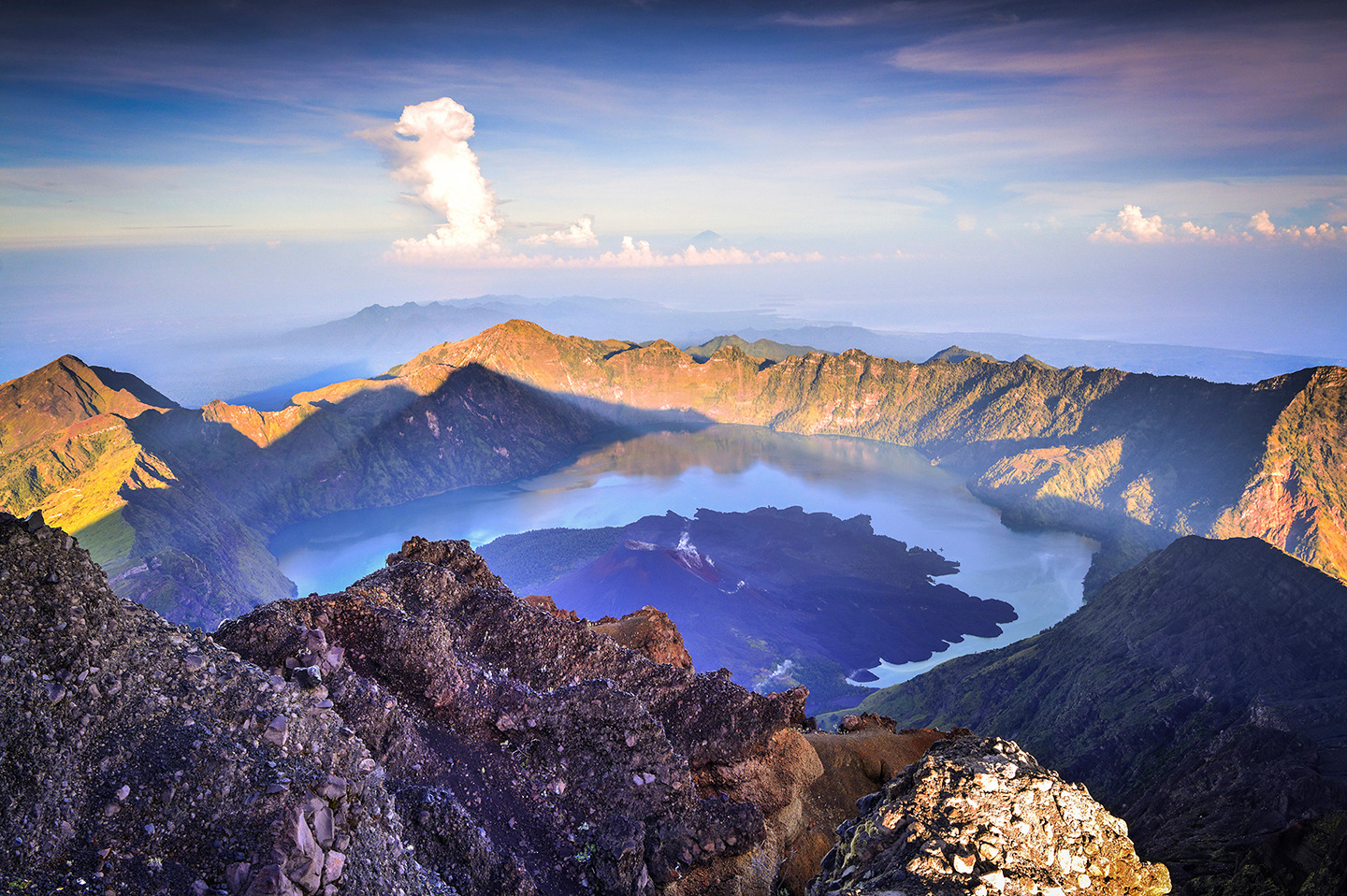
The park takes its name from Mount Leuser, which reaches 3,381 m. Its joint inscription with the Bukit Barisan Selatan and Kerinci Seblat parks on the World Heritage List recognizes the exceptional ecological value of this Sumatran forest complex.
A protected area since 1934
The history of Leuser's protection dates back to the 1920s. The Dutch colonial government then commissioned a geologist, F.C. Van Heurn, to survey for oils and minerals in Aceh province. After several months of research, he concluded that the area contained none. The authorities then asked him to classify the massifs according to their forest coverage rate. It was thus that he identified Mount Leuser and, struck by the richness of its fauna, proposed making it a conservation area. The proposal came to fruition in 1934, when protected area status was officially granted.
In 1973, a Swiss organization established a rehabilitation center at Bukit Lawang for formerly captive orangutans, to help them readapt to wild life. The sanctuary later became one of the main access points to the park for visitors.
What to see and do in the park
Observing orangutans
Orangutan watching is the main draw for visitors. One to two-day treks depart from Bukit Lawang and follow primary forest trails. It is not uncommon to encounter a female accompanied by her young, as the species reproduces slowly but is relatively present around the sanctuary.
Observation takes place in strict respect of the animal: no contact, no feeding, safety distance maintained. Even when accustomed to human presence, orangutans remain extremely powerful wild animals, which justifies professional guidance.
Other possible encounters
- Mammals: Sumatran elephants, tigers (rarely sighted), Temminck's cat, sun bears, gibbons and macaques.
- Various reptiles and amphibians linked to the humid environment.
- Flora: 8,000 plant species recorded, 92 of which are endemic, and the famous Amorphophallus titanum.
Trekking and hiking
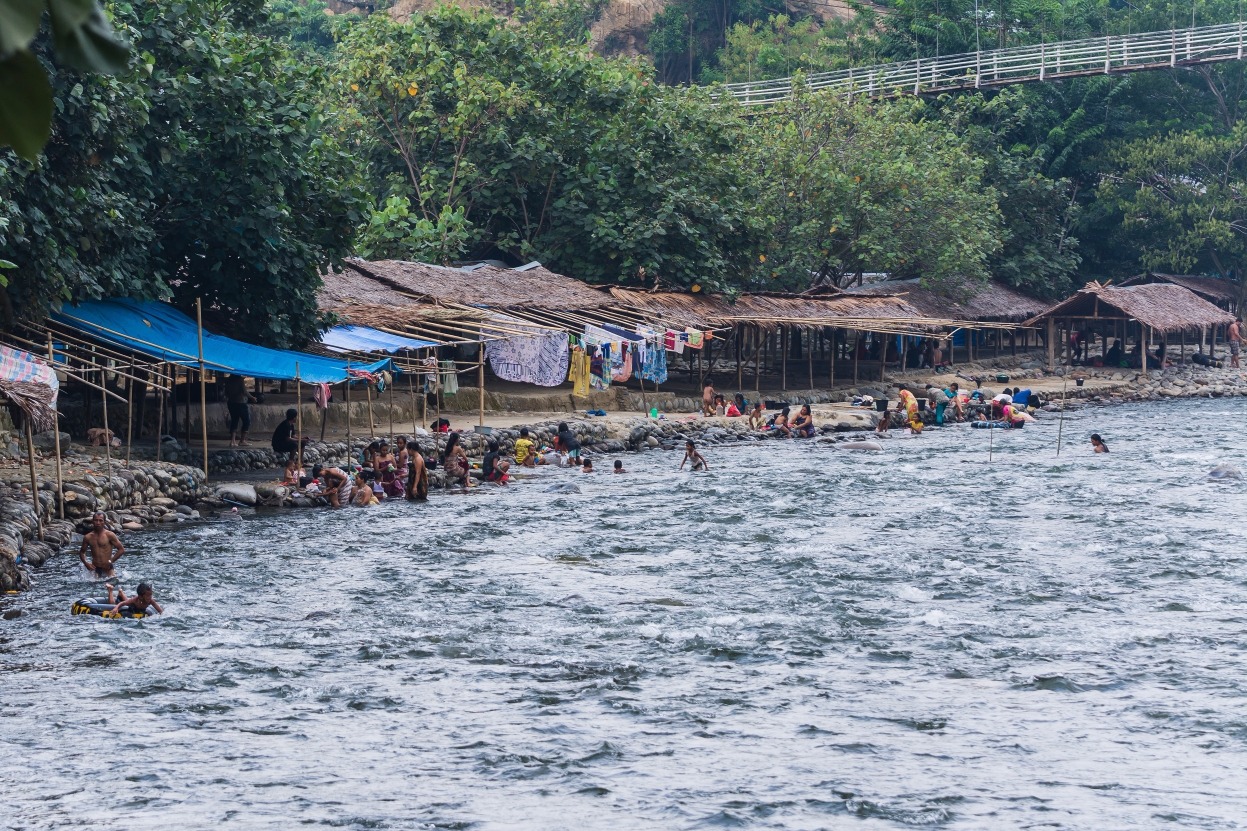
Several formats are available: half-day walks for a first experience, two-day treks with jungle camping, or longer itineraries for experienced hikers. The return to Bukit Lawang is often made by descending the Bohorok River on inflated inner tubes.
When to go
Northern Sumatra experiences a humid equatorial climate. It rains about 9 months out of 12, sometimes year-round. May and June are generally the driest months and therefore the most favorable for trekking, with trails being less slippery and the canopy more accessible. Whatever the season, bring closed hiking shoes, a rain cape and quick-drying clothes.
How to get there
The park is accessed primarily through Bukit Lawang, a name meaning "gateway to the Mountain". The village is located 80 km northwest of Medan, capital of North Sumatra province, served by an international airport.
- From Medan, expect approximately 3 to 4 hours by private car or shared minibus.
- Public bus is the most economical option but also the slowest.
- Other entrances exist on the Aceh side (Ketambe, Kutacane), more remote and frequented by experienced trekkers.
Practical information
- Mandatory guide: visiting the park requires hiring a certified licensed guide. Verify their identity and certification before any commitment: many rangers offer services without official accreditation.
- Permit: park entry fees are required, generally included in the trekking package.
- Equipment: hiking boots, lightweight covering clothes, rain cape, mosquito repellent, water bottle.
- Conduct: do not touch, do not feed and do not approach orangutans; follow your guide's instructions.
- Recommended duration: plan for at least 2 to 3 days on site to enjoy a trek and visit the village.
Nearby attractions
The northern region of Sumatra offers several natural extensions to your stay at Bukit Lawang:
- Sipiso-Piso Waterfall, in the Lake Toba region, a few hours' drive away.
- Lake Toba itself, the world's largest volcanic lake.
- To extend your journey to the eastern archipelago, Komodo Island and Rinca Island are home to the famous dragons.
Frequently asked questions
Frequently asked questions
No. Visiting requires hiring a certified licensed guide, for safety and conservation reasons. Verify official certification before any commitment.
May and June are generally the driest and most favorable months. The rest of the year remains very rainy, which doesn't prevent trekking but makes trails more slippery.
The population is estimated between 5,000 and 6,000 individuals, making it one of the two last wild refuges for the species alongside Borneo.
Expect 3 to 4 hours of driving over 80 km, by private car, shared minibus or public bus. Private car remains the most comfortable option.
Two to three days allow you to combine a one or two-day jungle trek with some time in the village. Experienced trekkers may consider longer itineraries on the Aceh side.
Travel to Mount Leuser with Nomadays
Leuser Park integrates into a larger circuit across Sumatra and the Indonesian archipelago. To plan a bespoke itinerary including Bukit Lawang, Lake Toba and other stops, consult our Indonesia travel ideas.
Interested in this visit?
We can include it in your personalised itinerary.