Marobo
Marobo
An isolated village at the border of Ermera and Bobonaro, Marobo is home to hot springs at 49°C and the remains of a thermal complex of disputed colonial origin.
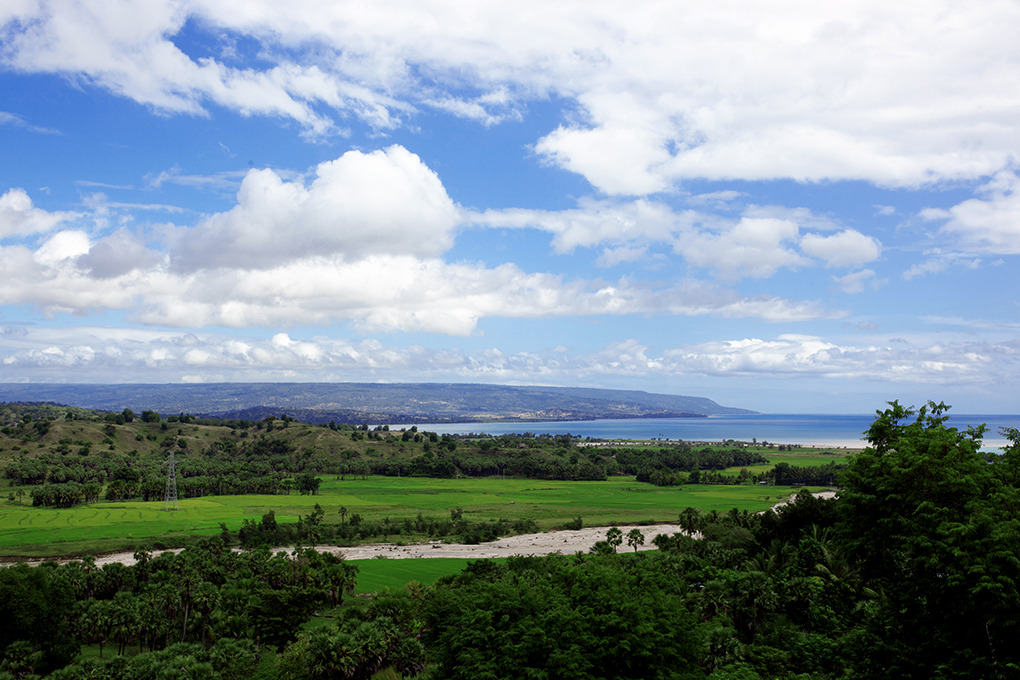
Marobo is an isolated village in Timor-Leste, located at the border of Ermera and Bobonaro provinces. It is known for its natural hot springs and the remnants of an ancient thermal complex of disputed colonial origin. The site combines historical interest, volcanic geology, and a lush mountainous tropical setting.
Why visit Marobo
Marobo appeals primarily to two types of travellers: those interested in Timor-Leste's colonial and ethnographic history, and those seeking little-visited natural sites. The hot springs, at approximately 49°C, emerge at the heart of a stone thermal complex whose origins remain debated. The site lies well off the beaten tourist trail, and accessing it requires genuine logistical effort.
History of Marobo
A small Kemak kingdom
The region was historically inhabited by the Kemak people, organised in a small kingdom under the authority of the kingdom of Atsabe. Positioned on the periphery of this realm, Marobo developed its own identity, shaped by interactions with the neighbouring Bunak people. This border location generated notable cultural distinctions between the Kemak of Marobo and those of Atsabe.
The Portuguese campaign of 1895
In March 1895, Governor José Celestino da Silva launched a military campaign against Marobo and the neighbouring village of Obulo, aimed at strengthening Portuguese control over Timor's interior. The operation marked a turning point in the region's integration into colonial administration.
An interrupted ethnography
Between 1966 and 1970, French anthropologist Brigitte Clamagirand conducted an in-depth study at Marobo focused on Kemak traditions, particularly weaving. Her fieldwork was interrupted by the Indonesian invasion of 1975, which profoundly disrupted the region and its inhabitants.
What to see
The hot springs
Marobo's springs emerge at approximately 49°C (48.89°C, or 120°F near the small waterfalls) with an estimated flow rate of 530 gallons per minute. The water, rich in sodium and calcium, releases a characteristic strong sulphurous odour. Locally, it is credited with beneficial properties:
- relief from muscle pain;
- improved blood circulation;
- relaxing effect.
The ruined thermal complex
The remains comprise a stone building, terraces, and pools arranged on the mountainside. The complex's origins are debated: some sources attribute it to the Japanese during World War II, others to the Portuguese during the colonial period. Several accounts mention the use of forced labour in its construction, a sensitive point in local memory. The complex has gradually been absorbed into the surrounding mountainous landscape.
Kemak culture
The village maintains living traditions: religious ceremonies, festivals, and textile craftsmanship passed down through generations. The weaving documented by Clamagirand continues to be practised in the region.
Practical information
Marobo is not a structured tourist destination. There are no visitor facilities on site: no formal ticketing, no posted opening hours. Visits are conducted freely, but guidance from a local guide is strongly recommended for safety and navigation. Plan for half a day to a full day on site, depending on travel time from your starting point.
When to visit
The climate is tropical, with average temperatures between 25 and 27°C. The dry season runs from July to November and the rainy season from December to June. The most favourable period falls during the dry season: the dirt tracks leading to the village are then passable, and the hike to the springs is easier. In the rainy season, some sections become impassable, even by 4x4.
How to get there
Access to Marobo is via dirt roads from Bobonaro or Ermera. The final stretch is travelled by 4x4 or on foot, depending on track conditions. From the nearest town, allow several hours for the journey and arrange your transport in advance—options on the ground are limited. Hiring a vehicle with driver or joining a guided excursion are the most practical solutions. To reach the springs themselves from the village, a local guide is strongly recommended.
What to see nearby
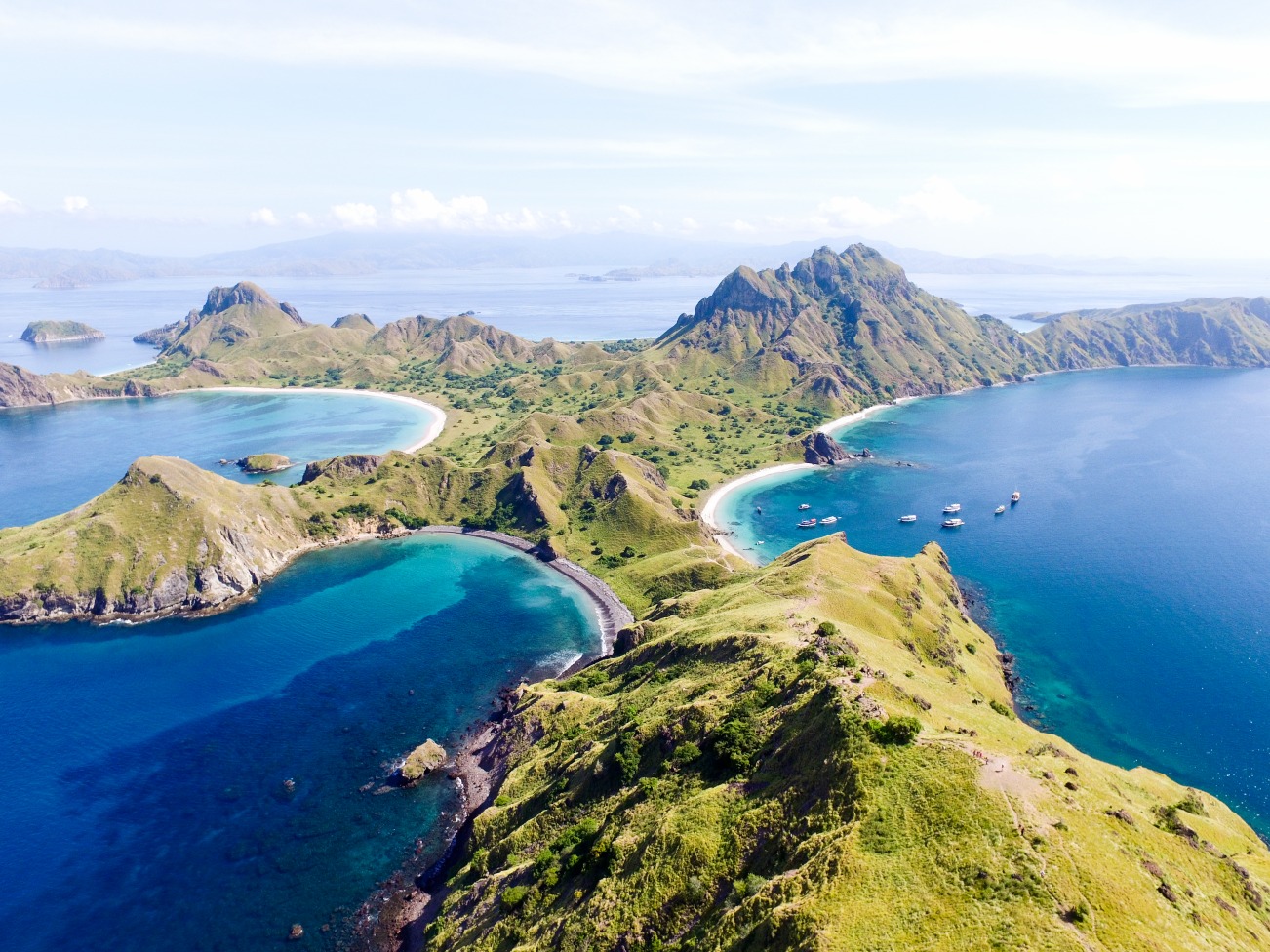
Marobo lends itself to broader exploration of Timor's highlands and remote sites in the region. To extend your journey, you might consider Jaco Island, at the far eastern tip of Timor, or expand your itinerary towards the neighbouring Indonesian archipelago with Rinca Island and its Komodo dragons, or visit Bali Botanical Garden.
Frequently asked questions
Frequently asked questions
Marobo is a village in Timor-Leste located at the border of Ermera and Bobonaro provinces, in a mountainous interior area of the country.
Yes, the thermal complex's pools are accessible. The water reaches approximately 49°C near the waterfalls, so you should test the temperature before immersing yourself and prefer the pools further downstream, where the water has cooled.
The origins remain debated. Two hypotheses coexist: Japanese construction during World War II or a Portuguese creation during the colonial period. Several accounts mention the use of forced labour in its construction.
It is not mandatory, but strongly recommended. The tracks are poorly marked, accessing the springs requires good knowledge of the terrain, and a local guide also facilitates interaction with residents.
The dry season, from July to November, offers the best conditions for access. In the rainy season (December to June), dirt tracks become difficult to navigate.
To integrate Marobo into a broader itinerary across the archipelago, explore our journeys in Indonésie and Timor.
Interested in this visit?
We can include it in your personalised itinerary.