Timor
Timor
Between mountains, coral beaches and Portuguese villages, Timor-Leste reveals itself slowly. Our guide to preparing your off-the-beaten-path adventure.
Nestled at the far eastern tip of the island of Timor, Timor-Leste, or East Timor, remains an unspoiled destination, ideal for travellers seeking authenticity. Independent since 2002, this young nation shares the island of Timor with Indonésie and also encompasses several small islands such as Atauro and Jaco, as well as the enclave of Oecusse. Between spectacular mountains, paradisiacal beaches and sandalwood forests, its landscapes offer a true cradle of wild nature. A journey to Timor-Leste is an adventure off the beaten path, where every encounter and discovery leaves an unforgettable memory.
History
The history of Timor-Leste is marked by centuries of foreign domination and a fierce struggle for sovereignty. Colonized by the Portuguese in 1520 for nearly 400 years, the territory of Timor experienced various influences—Spanish, Dutch and British—before Portuguese sovereignty was officially recognised in 1914. During World War II, the island was briefly occupied by the Japanese before returning to Portuguese control. In November 1975, following the Carnation Revolution in Portugal, Timor-Leste proclaimed its independence, but this proved short-lived. Less than a month later, Indonésie invaded the territory on 7 December, annexing it in 1976 as a province.
This marked the beginning of a dark period, spanning more than two decades of resistance, violence and suffering. Nearly 200,000 Timorese perished under Indonesian occupation, victims of conflict, famine and repression. Under international pressure, a self-determination referendum was held on 30 August 1999, with nearly 80% of voters choosing independence. The transition was chaotic, punctuated by violence orchestrated by pro-Indonesian militias, causing destruction and mass exodus to the western part of Timor.
Finally, in 2002, Timor-Leste achieved full sovereignty, with Xanana Gusmão elected as the first president. Since then, the country has pursued its development, despite persistent political tensions and economic challenges. In 2011, it sought membership in ASEAN, but this remains pending.
Geographic Characteristics and Biodiversity
Timor-Leste shares the island of Timor with Western Timor, which is under Indonesian sovereignty. It lies approximately 500 km from Australia and 750 km from Papua. This island nation boasts a coastline rich in mangroves, beaches and coral reefs that play a major ecological role.
With an area of around 15,000 km², Timor-Leste is primarily mountainous, with hills and mountains covering much of its territory. Its highest peak, Mount Tatamailau (or Ramelau), rises to approximately 2,963 metres, dominating a high plateau covered in tropical forests. The country is characterised by vegetation ranging from sandalwood forests at altitude to coconut palms, eucalyptus and scrubland in the lowlands.
The country's coastal waters, notably those of the Banda Sea and Timor Sea, teem with biodiversity. Coral reefs, sea turtles, dolphins, tropical fish and even whales find refuge here, making these areas a paradise for diving, snorkelling and marine life enthusiasts. Terrestrial fauna is equally fascinating, with monkeys, deer, civets, birds, snakes and crocodiles, not to mention the cuscus, a marsupial endemic to the region.
Languages and Religions
Timor-Leste is a true cultural crossroads where local, Portuguese and Indonesian influences intertwine, shaped by centuries of history and cultural blending. The population, primarily of Papuan, Malay and Polynesian descent, is divided into several ethnic groups, each with its own customs and dialects. Nearly 40 languages and dialects are still spoken today, testifying to the country's linguistic richness.
Tetum and Portuguese are the official languages, though Portuguese, forbidden during the Indonesian occupation, is mastered by only a minority. Indonesian and English are considered working languages, while several local languages, such as Fataluku, Mambai and Bunak, are also recognised by the constitution. This linguistic diversity reflects historical influences and the central role of Tetum and Portuguese in the country's resistance and national identity.
Moreover, religiously speaking, Timor-Leste is, along with the Philippines, one of only two Catholic countries in Southeast Asia. The vast majority of the population is Roman Catholic, though Protestant and Muslim minorities still exist. Traditional animist beliefs continue to be practised alongside Christianity, particularly in rural areas where approximately 70% of the population lives.
Timor-Leste Today
Timor-Leste's economy rests largely on the extraction of its natural resources, particularly offshore natural gas deposits for hydrocarbon production. Marble exploitation for export also represents a key sector.
Agriculture, although no longer the primary engine of the country's economy, remains essential, still employing the majority of the active population. Among the most widespread crops, largely destined for local consumption, are:
- Coconuts
- Dried beans
- Sweet potatoes
- Cassava
- Rice
Coffee, cultivated in the mountains, is the country's flagship agricultural product. Renowned for its exceptional quality, it constitutes one of the main export goods and plays a central role in the rural economy.
The handicraft sector is also an economic pillar, showcasing traditional craftsmanship through:
- Pottery
- Wood and ivory carving
- Weaving
- Coconut fibre production
- Basketry
Furthermore, the manufacture of textiles, clothing and processed coffee contribute to the development of local commerce.
Moreover, despite these resources, Timor-Leste faces numerous economic challenges, including unemployment, poverty and lack of infrastructure. The government is working to modernise the country and improve living conditions for the population, while developing new sectors to ensure more sustainable economic growth.
Attractions and Activities
Still little explored, Timor-Leste is an authentic destination offering diverse landscapes—from idyllic beaches to imposing mountains and traditional villages. Here are some must-see places to discover during a visit:
Dili
An ideal starting point for exploring the country, Dili is a coastal city with rich heritage. Dominated by the famous Cristo Rei statue (a giant Christ statue), accessible after climbing 500 steps, it offers stunning views over the ocean. To understand Timor-Leste's turbulent history, a visit to the Resistance Museum is essential.
Nino Konis Santana National Park and Jaco Island
At the far east of the country, Nino Konis Santana National Park protects diverse wildlife and flora, ideal for birdwatching and trekking. Jaco Island, a sacred sanctuary with immaculate beaches, seduces with its turquoise waters and spectacular seabeds.
Heritage and Historic Cities
The cities of Baucau and Balibo, former Portuguese colonies, reveal remarkable architectural heritage. Further inland, the Lene Hara caves house ancestral rock paintings, witnesses to a rich past.
Trekking and Mountain Exploration
Trekking enthusiasts can climb Mount Ramelau or Mount Matebian, offering breathtaking panoramas. In Ossu, ascending Mount Mundo Perdido is a unique experience.
Furthermore, other interesting activities are also available to discover more of Timor-Leste's wonders, such as:
- Mountain biking
- Whale watching during migration season (September)
- Relaxation in Marobo's hot springs
- Discovering the coastal landscapes of Tutuala and Atauro Island
Timor-Leste, though relatively isolated, is accessible by air or overland from Indonésie. The country's main gateway is Nicolau Lobato International Airport in Dili, which receives flights from several neighbouring major cities.
By Air
The most convenient option to reach Timor-Leste is to take an international flight. Several airlines operate regular connections to Dili, including:
- From Bali (Indonésie): Flights of approximately 2 hours
- From Darwin (Australia): Flights of approximately 1.5 hours
- From Singapore: Occasional flights
For travellers coming from Europe or America, a stopover in a major Asian city such as Bali or Singapore is generally necessary before arriving in Dili.
By Bus or Car
Timor-Leste shares a land border with Indonésie, allowing entry by road. The main crossing point is Mora'ain, located between Atambua (Indonésie) and Batugade (Timor-Leste). To access it:
- Regular buses connect Kupang (Indonésie) and Dili, with a journey of approximately 12 hours, including border crossing.
- It is also possible to rent a car or take a taxi for more flexible travel.
When to Visit?
Timor-Leste benefits from a dry tropical climate. The best time to visit the country is May to November, during the dry season, with pleasant temperatures between 25 to 30 °C. This season allows you to fully enjoy outdoor activities. Conversely, the rainy season from December to April brings frequent showers, making some roads difficult, but it offers lush vegetation and abundant waterfalls.
Attractions in Timor
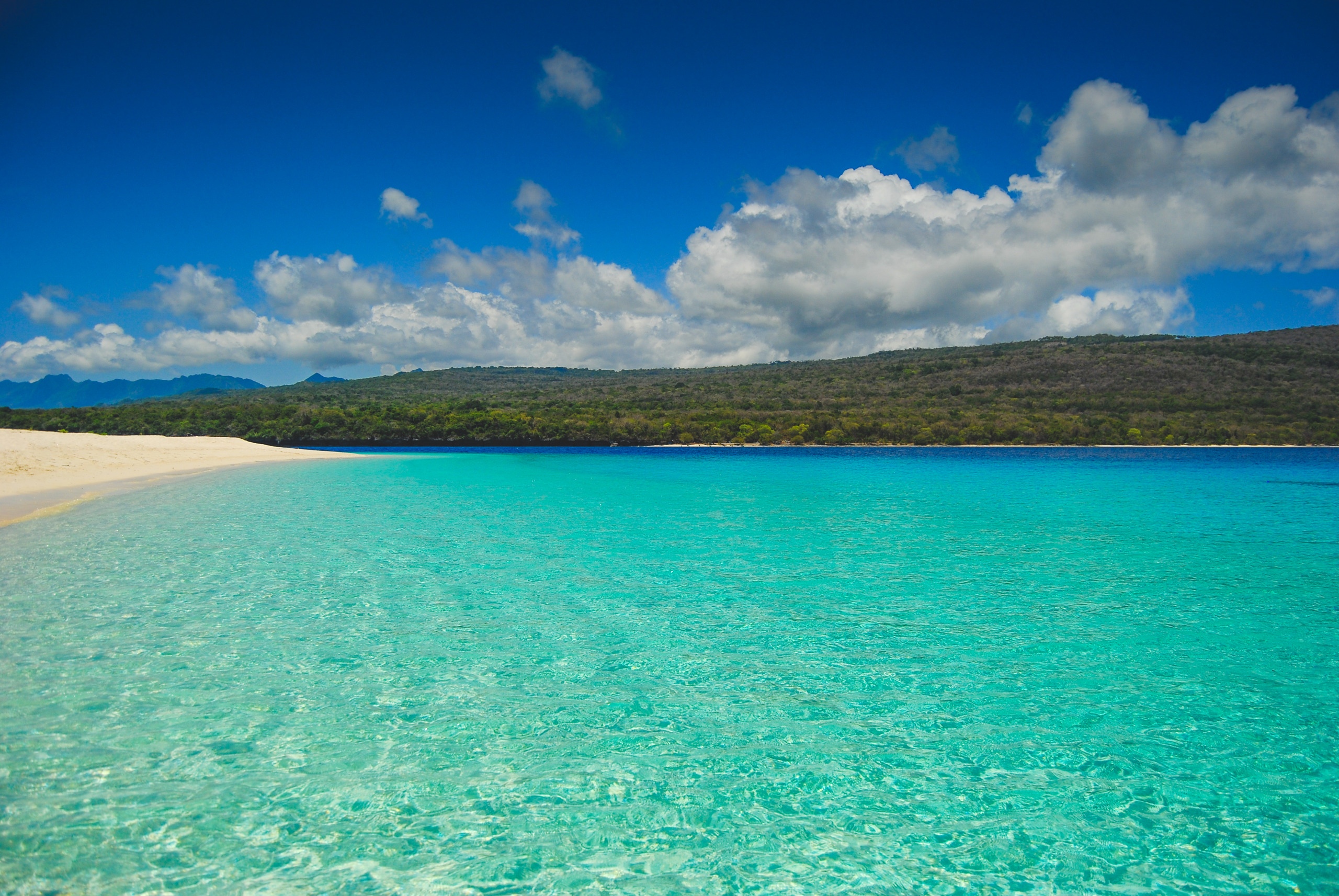
Île de Jaco
À l'extrémité orientale du Timor-Leste, séparée du continent par un détroit de 600 mètres, l'île de Jaco reste l'un des territoires les plus discrets de l'archipel des Petites îles de la Sonde.
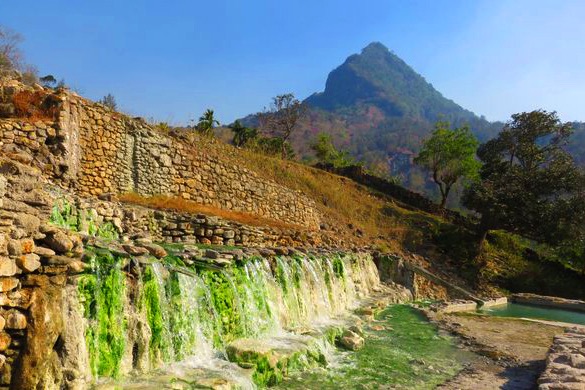
Marobo
Marobo est un village isolé du Timor-Leste, situé à la frontière des provinces d'Ermera et de Bobonaro. Il est connu pour ses sources thermales naturelles et ses vestiges d'un ancien complexe thermal
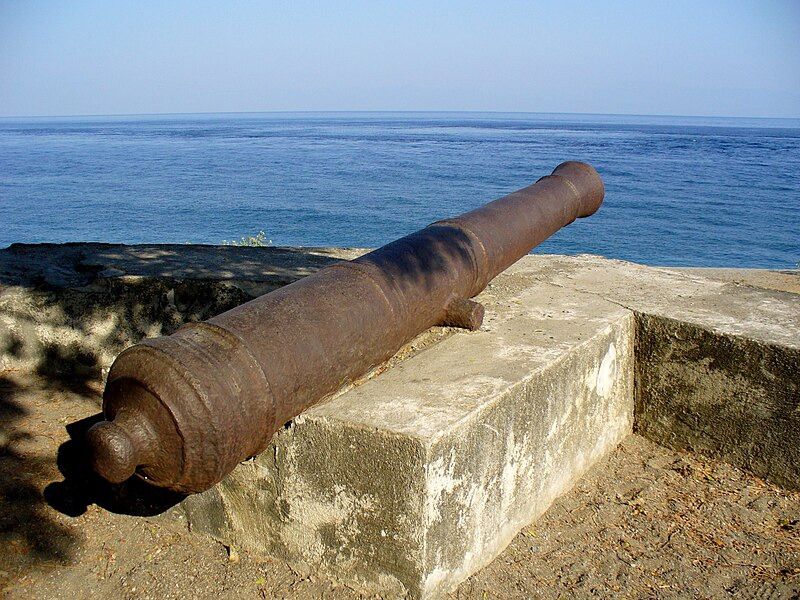
Fort de Maubara
Le Fort de Maubara est une forteresse coloniale néerlandaise du XVIIIe siècle, plantée en bord de mer sur la côte nord de l'île de Timor.
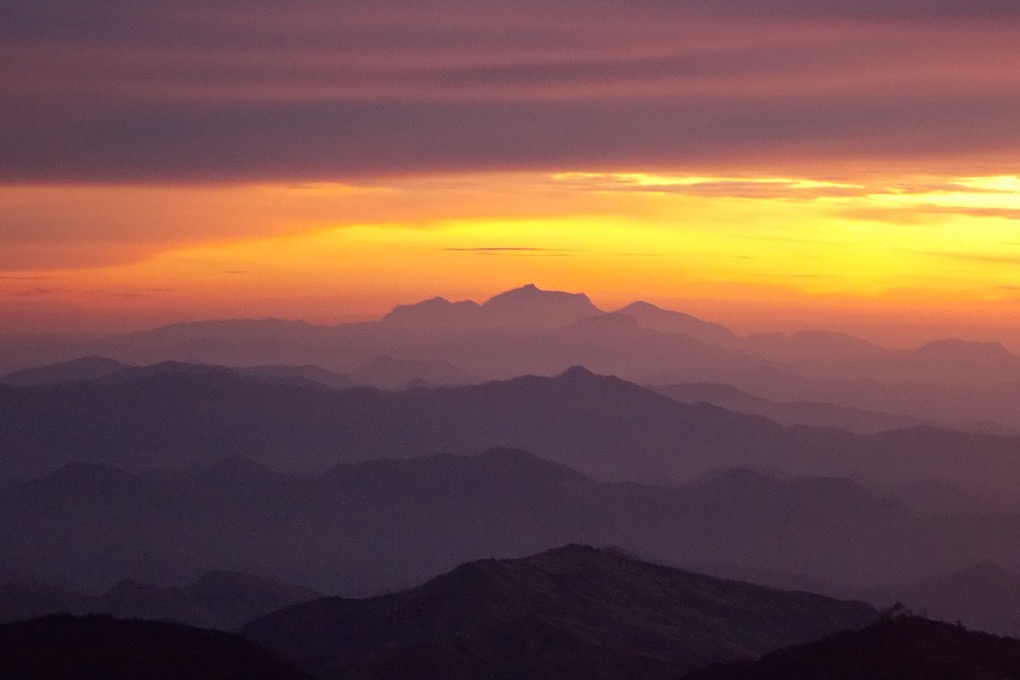
Mont Ramelau
Le mont Ramelau, aussi appelé Tatamailau ou Foho Tatamailau en tétoum, culmine à environ 2963-2986 mètres d'altitude.
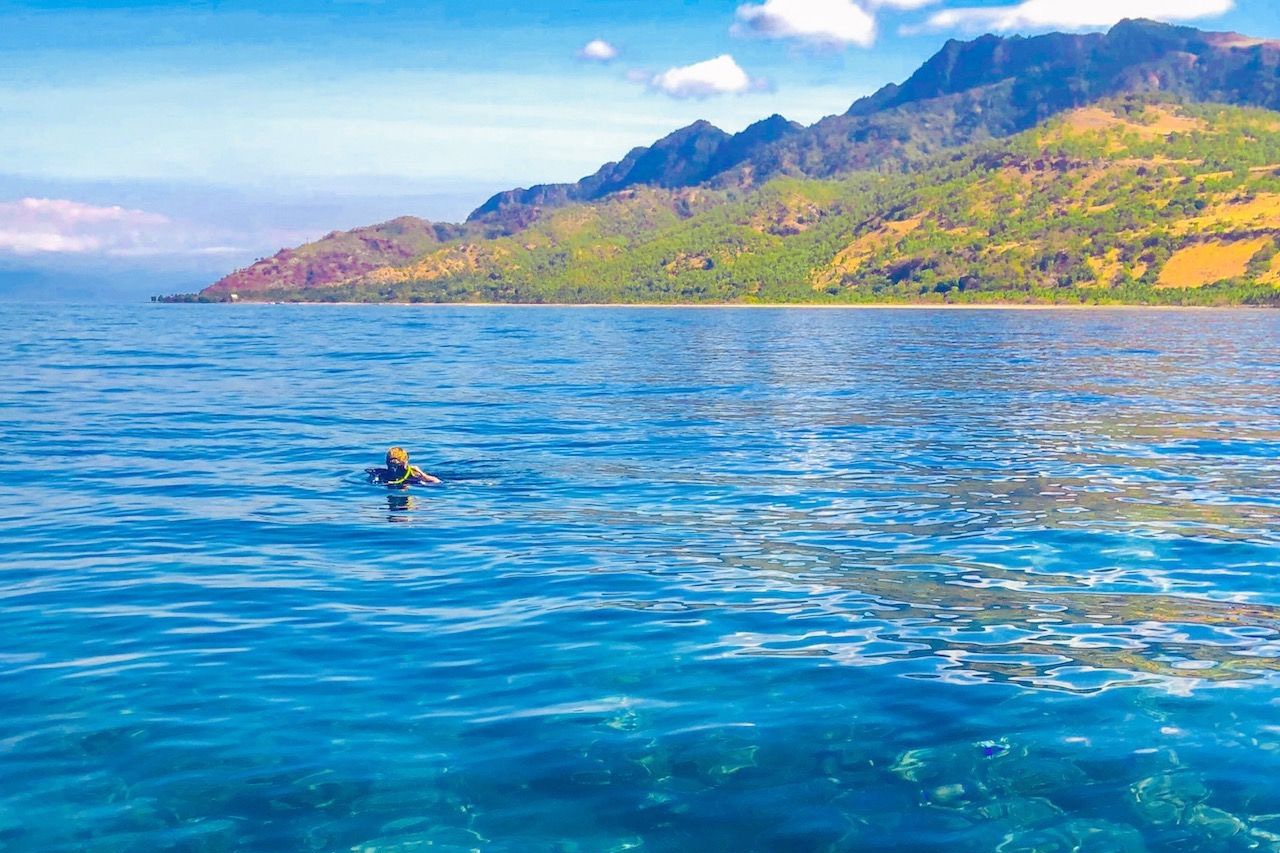
Île d'Atauro
Île montagneuse située à environ 25 km au nord de Dili, capitale du Timor oriental, Atauro est un territoire volcanique aux récifs coralliens exceptionnels.
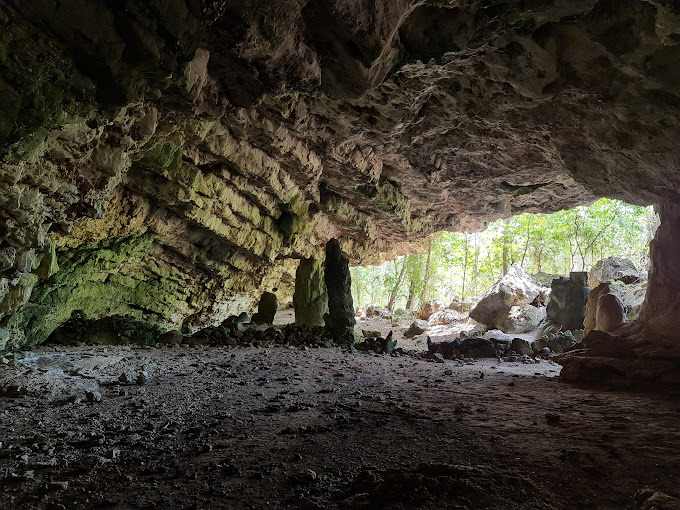
Grotte Lene Hara
La grotte de Lene Hara, située près de Lospalos à l'extrémité orientale du Timor-Leste, est l'un des sites archéologiques les plus importants de l'Asie du Sud-Est insulaire.
Want to discover this destination?
Our local advisors design your tailor-made trip.