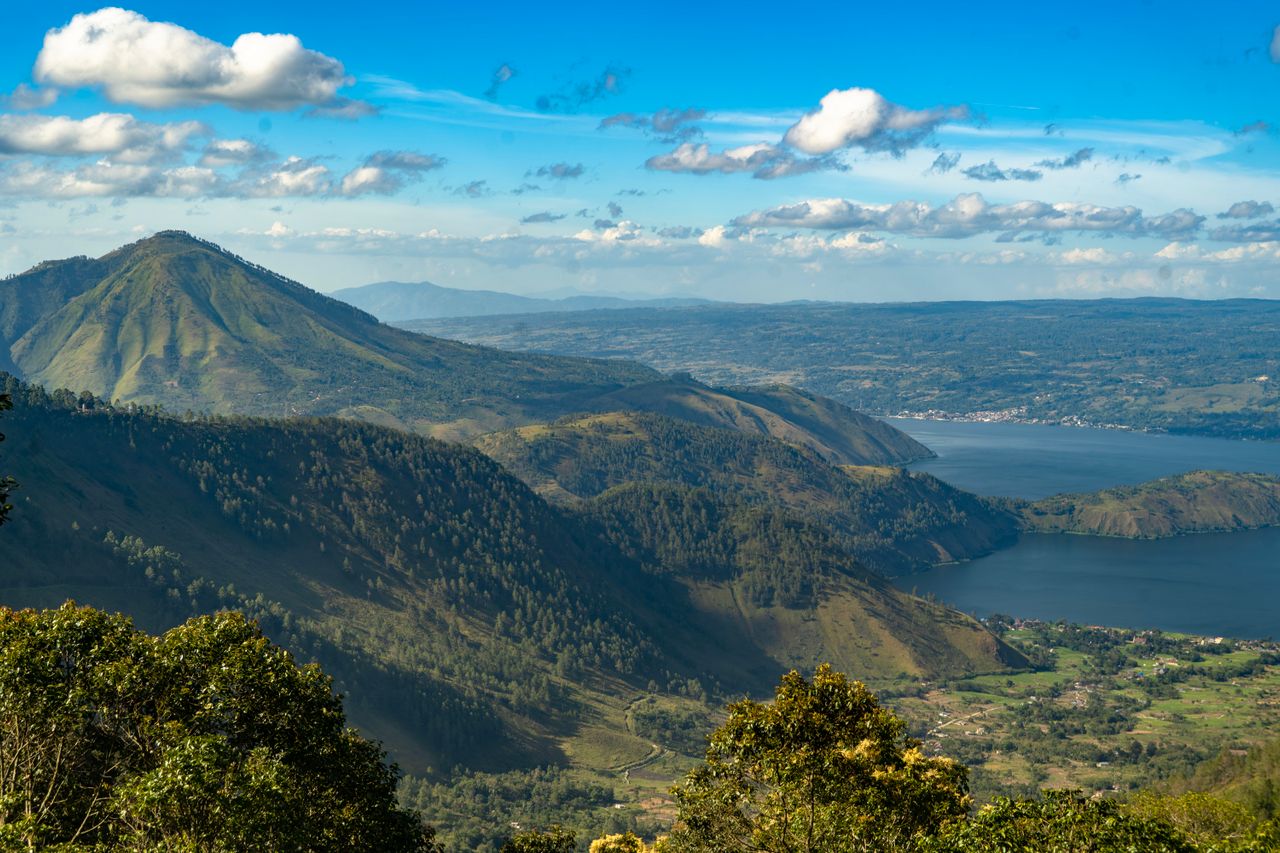
Jaco Island
Jaco Island
At the eastern tip of East Timor, the uninhabited island of Jaco is visited as a day trip from Tutuala. Sacred, integrated into Nino Konis Santana park, rich in bird species.
At the eastern edge of East Timor, separated from the mainland by a 600-metre strait, Jaco Island remains one of the most discreet territories in the Lesser Sunda Islands archipelago. Uninhabited and sacred to the Fataluku communities of Tutuala, it can be explored in a single day from Valu beach, provided you respect one strict rule: no visitor spends the night there.
Why visit Jaco Island
Jaco stands out for a rare combination: its status as a reserve integrated into Nino Konis Santana National Park (established in 2007), a sacred character that has prevented any permanent construction, and internationally recognized biodiversity. BirdLife International designates it as an important bird conservation area, and its coral reefs rank among the most pristine in the Coral Triangle region.
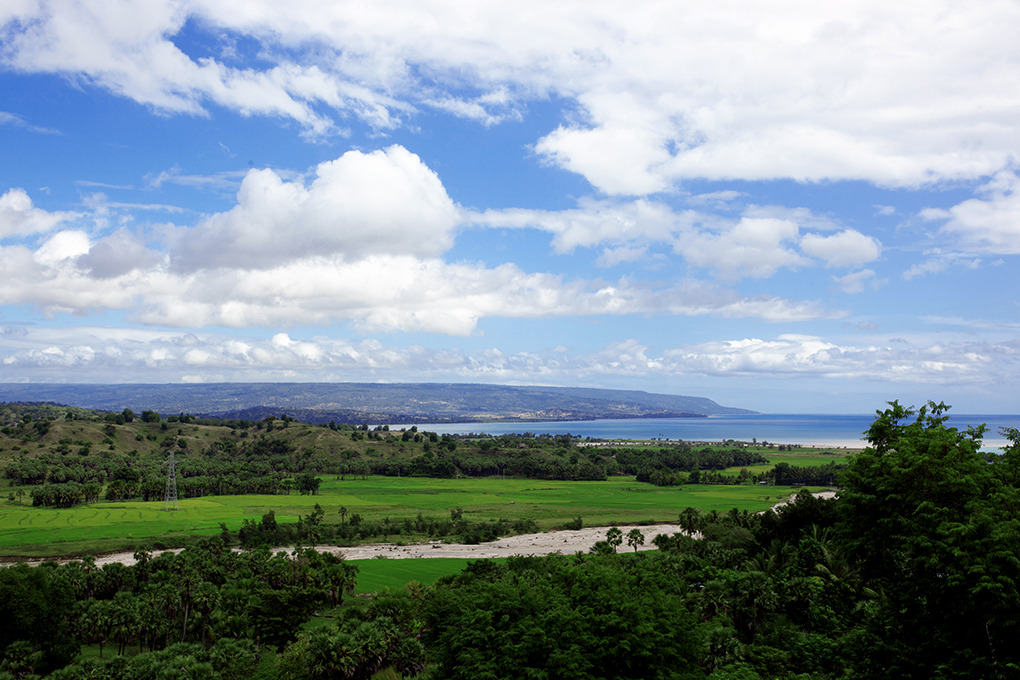
The island also offers striking visual contrasts: white sand beaches, shallow waters above clear seabeds, dry tropical forest in the background. All of this without vehicles, without roads, without accommodation, which makes the experience radically different from the more developed beach destinations of Southeast Asia.
A sacred island, guarded by the Fataluku
For the indigenous populations of Tutuala, Jaco is an island of spirits. This cultural dimension explains the ban on sleeping there: the territory belongs to the ancestors, and human occupation is forbidden. This ancient belief, still respected today, has paradoxically served the site's conservation by blocking any tourism development project.
Three ancient fortifications, called tranqueiras in Portuguese, bear witness to past defensive occupations: Lai Vai, Pitilete and Honolati. These structures, built by residents to protect their villages, remain visible as remnants within the vegetation. During the Indonesian occupation of East Timor, a metal-constructed lighthouse approximately 35 metres tall was erected on the island; it was decommissioned in 2010 before being dismantled.
What you'll observe on site
Beaches and strait waters
The western coast, facing Valu, features a succession of white sand beaches bordered by shallow turquoise waters. The southern coast is steeper, with low limestone cliffs. The island's subsoil is composed of limestone from ancient coral formations.
Bird species
Several species are regularly observed:
- Black-capped Cuckoo-Dove
- Pink-headed Imperial Pigeon
- Streaky-breasted Honeyeater
- Spot-breasted Wren-Babbler
- Timor Sparrow
- Blue-cheeked Sunbird
- Red-breasted Sunbird
Mammals and reptiles
The island is home to a population of Javan deer with a notable behavioral trait: in the absence of permanent freshwater, these cervids drink seawater to survive. Regarding reptiles, you will encounter mainly smooth-scaled night skinks and forest skinks, which are not easily frightened during midday.
Marine life
The reefs surrounding the island harbour coral fish, sea turtles, rays, and more rarely reef sharks. The Jaco Strait is also known for dolphin passages and, in season, cetaceans.
Practical information
Several rules structure the visit:
- No overnight stays on the island: you must leave Jaco before sunset, out of respect for customary rules.
- No infrastructure: no shops, drinking water, sanitary facilities or equipment rental. Everything must be brought from Tutuala or Valu.
- Waste: must be taken back to the mainland in its entirety.
- Useful equipment: personal snorkelling mask and snorkel, closed-toe shoes for forest walks, water, sun protection, cap.
- Crossing: arranged by local fishermen from Valu beach, with a return schedule to be agreed before departure. Moderate rate, to be paid in cash.
- Swimming in the strait: attempting to swim across is strongly discouraged, as currents are powerful.
When to go
The climate at the eastern tip of East Timor is tropical dry, marked by two seasons. The dry season, from May to November, is the suitable window for a visit: temperatures around 30°C, calm seas in the strait, good underwater visibility. The rainy season, from December to April, complicates road access to Tutuala and can make the crossing risky at times. The months of June to September generally offer the most stable conditions.
How to get there
Access requires patience. The standard route is as follows:
- International flight to Dili, capital of East Timor, via Presidente Nicolau Lobato Airport.
- Road journey Dili–Tutuala: allow approximately 6 hours on a mountain road, by private car or bus. The route passes through Baucau and Lautem.
- Tutuala to Valu beach: an 8 km track, passable only by 4x4.
- Crossing to Jaco: a few minutes by motorized canoe, operated by Valu fishermen.
On the island itself, no motorized vehicles: exploration is done on foot, along the coast or through dry forest trails.
Nearby attractions
The Tutuala region and Nino Konis Santana Park offer several extensions to a stay around Jaco: rock paintings in Ile Kére Kére cave, deserted beaches along the Valu coast, Fataluku villages with traditional stilt houses. Further west, Atauro Island, located off Dili, complements a East Timor itinerary focused on diving and marine wildlife observation well. For travellers combining East Timor and Indonésie, Balangan beach in Bali or Bedugul market offer a stark contrast to Jaco's raw character.
Frequently asked questions
Frequently asked questions
Preparing your trip
Jaco fits logically into an itinerary combining East Timor and eastern Indonésie, accessible from Bali or Kupang. To build a stay that includes this eastern tip and the major Balinese or Florenesian stages, consult our Indonésie travel suggestions and beyond.
Interested in this visit?
We can include it in your personalised itinerary.