Sumatra
Sumatra
Jungles with orangutans, active volcanoes, Lake Toba, mythical waves of the Mentawai: everything you need to know to plan a trip to Sumatra.
Sumatra is a vast territory still preserved from mass tourism. With its immaculate beaches, imposing volcanoes, mysterious lakes, and jungles teeming with endangered species, it stands out as an essential destination for nature lovers. Discover in this article its main attractions. But before diving in, let's talk a bit about the geography, history, and religions of this immense island.
Geography of Sumatra
With an area of 473,481 km², Sumatra is the third-largest island in Indonesia after New Guinea and Borneo, and the sixth in the world after Baffin Island. Anchored at the far west of the Indonesian archipelago, it is bordered to the west by the Indian Ocean and to the southeast by the Java Sea. The Strait of Malacca separates it from mainland Malaysia, while the Sunda Strait isolates it from the island of Java.
Sumatra is administratively divided into 10 provinces. At the northern tip lies Banda Aceh, which is home to the city of Aceh, tragically famous for being devastated by the 2004 tsunami. Just below sits North Sumatra province, which contains Medan, the capital and principal economic and cultural hub of the region. At the southern tip of the island is Lampung province, with Bandar Lampung as its capital.
A Brief History of Sumatra
Sumatra has been inhabited since prehistoric times. Before Islam became its dominant religion in the 13th century, the island experienced Hinduism and Buddhism. The 20th century was marked by the struggle for Indonesian independence, in which it actively participated. The years that followed saw Sumatra develop while facing various challenges, including ethnic and religious conflicts.
The 2004 Tsunami
The most significant event in Sumatra's recent history is undoubtedly the 2004 tsunami, which devastated much of its western coast. That year, on December 26, an undersea earthquake with a magnitude of 9.1 occurred off the island's west coast. This catastrophe triggered a devastating tsunami that caused the death of over 230,000 people.
The city of Banda Aceh was almost entirely destroyed. This tragedy not only transformed the region's landscape but also its social fabric, leaving scars still visible today. However, despite this tragedy, the resilience of the local people has enabled the region to rebuild and continue attracting travelers from around the world.
Religions in Sumatra
Islam is the dominant religion in Sumatra, but the island is also a true melting pot of religious diversity. Beyond Islam, recognized by approximately 85% of the population, several other religions are practiced.
Christians, notably Protestants and Catholics, represent about 10% of the population. This Christian presence is particularly visible in the Batak communities of northern Sumatra.
There are also Hindu and Buddhist communities, though these are minorities. These beliefs were introduced through successive waves of migration and trade. A notable example is Riau province, where several Buddhist remains can be found.
Finally, in the most remote regions, some populations continue to practice traditional and animistic beliefs, often integrated with official religions.
Tourism in Sumatra
Sumatra offers a unique experience for travelers eager for nature and adventure. Whether observing wildlife in its natural habitat, climbing volcanic mountains, or relaxing on idyllic beaches, this island has something to captivate all types of travelers.
National Parks
The island is home to some of Indonesia's most impressive national parks, such as Gunung Leuser National Park and Kerinci Seblat National Park. Gunung Leuser National Park, nestled in the northern section, is designated a UNESCO World Heritage Site. Known for its exceptional biodiversity, it is one of the few places in the world where you can still observe wild orangutans. The park also shelters endangered species such as the extremely rare Sumatran rhinoceros, the Sumatran elephant, and the Sumatran tiger.
As for Kerinci Seblat National Park, it holds the title of Indonesia's largest national park. This protected area spans four provinces and houses Mount Kerinci, Indonesia's highest active volcano, standing at 3,805 meters in altitude.
Like Gunung Leuser National Park, Kerinci Seblat National Park also presents incredible variety in flora and fauna. Naturalists will surely find their joy here.
Volcanoes
Sumatra is a volcanic island, and its landscapes are dominated by majestic mountains. As mentioned above, the highest volcano in the Indonesian archipelago stands here. In fact, it is also the country's highest point. It offers a considerable challenge for trekking enthusiasts. The climb will reward hikers with breathtaking views of the surrounding jungle. On clear days, the panorama stretches to the Indian Ocean.
Mount Berastagi, rising near the city of Berastagi, is another volcano favored by trekkers visiting Sumatra. Less high than Mount Kerinci, it is more accessible and promises a spectacular sight, especially at sunrise. Excursions to this volcano are also an opportunity to enjoy the natural hot springs found in the area.
Lake Toba
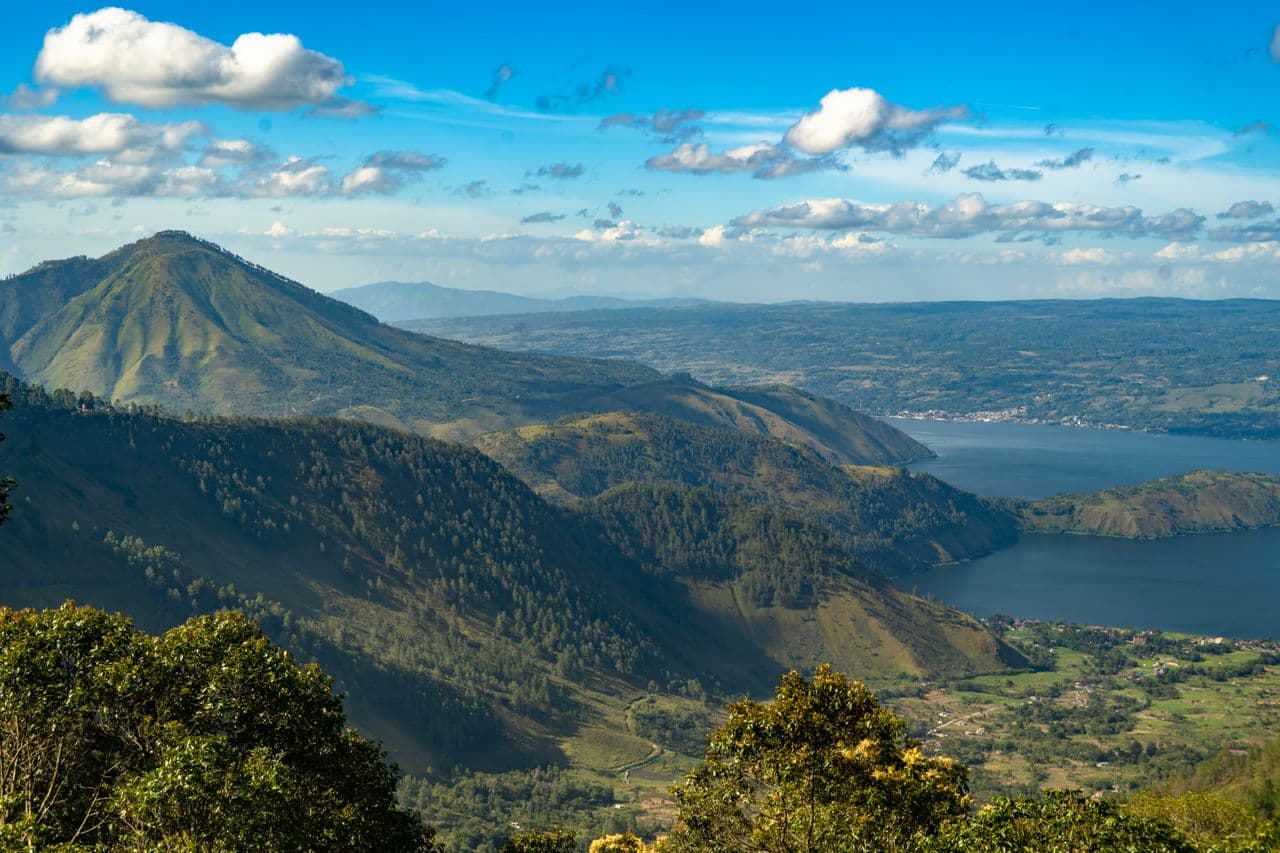
Counted among Sumatra's most popular tourist attractions, Lake Toba is the world's largest volcanic lake. This vast body of water formed approximately 75,000 years ago following a cataclysmic eruption of a supervolcano. It is surrounded by lush hills that strongly invite hiking. Samosir Island, a highly renowned retreat, is nestled at its center. Samosir is also an ideal place to discover Batak culture, one of Sumatra's indigenous ethnic groups.
Beaches
Sumatra's beaches, often overlooked, are no less paradisiacal. The island's western coast, caressed by the Indian Ocean, displays white sandy beaches embraced by turquoise waters, ideal for relaxation and swimming. Furthermore, thanks to their colorful coral reefs and abundant marine life, some are perfect for snorkeling and diving.
Bukit Lawang
Bukit Lawang is a tourist village situated at the edge of Gunung Leuser National Park. It is renowned for its orangutan conservation initiatives. Visitors can observe these primates in semi-freedom while supporting local efforts to preserve their natural habitat. Bukit Lawang is also an ideal starting point for treks into the tropical forest.
Pulau Weh Island
Pulau Weh, a small volcanic island located at Sumatra's northern tip, is a must-visit for travelers who want to dive and snorkel in Sumatra. This magnificent piece of land is blessed with crystalline waters protecting pristine coral reefs and abundant marine fauna. Its superb mountainous landscape also makes it a popular destination for hikers eager to explore.
Medan
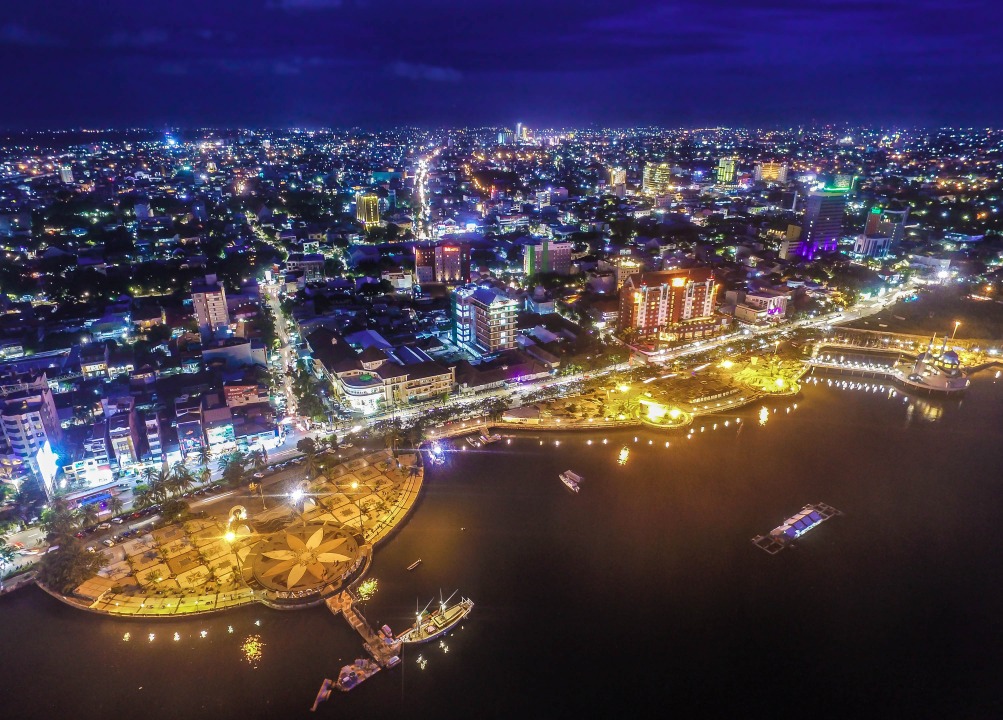
Medan is also worth visiting during your trip to Sumatra. The city is renowned for its ethnic and cultural diversity, with a population composed of Bataks, Javanese, Chinese, and Indians. This cultural richness is reflected in its rich cuisine and colorful festivals. The main tourist sites in Medan are its grand mosque and Maimun Palace.
Other Sites to Visit in Sumatra
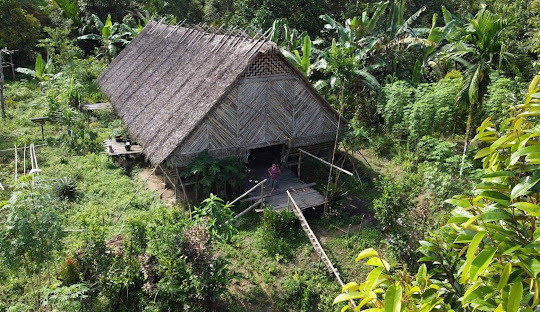
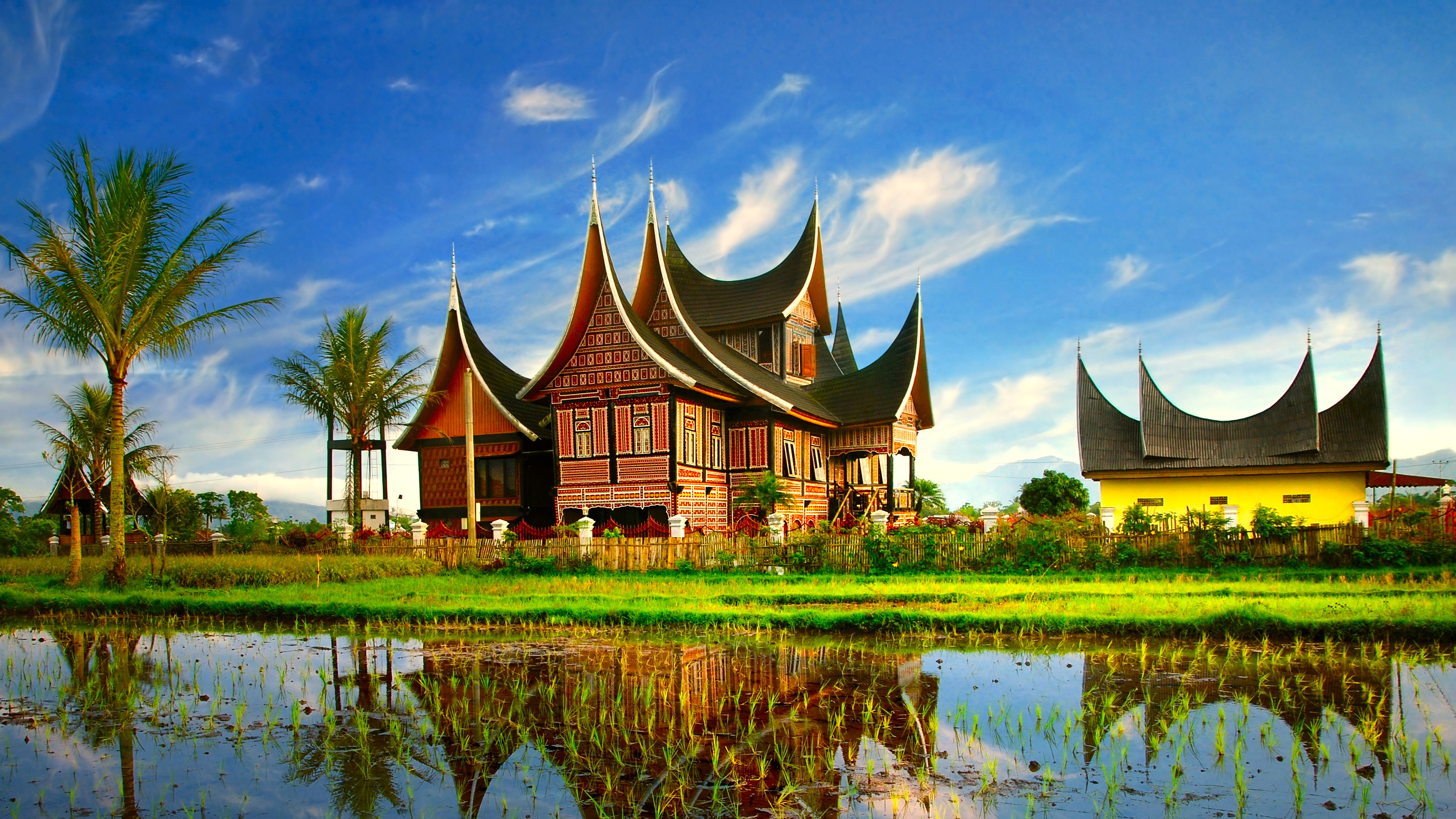
Sumatra is not limited to the attractions mentioned above. Other lesser-known but equally fascinating wonders also await you on this magnificent island. Worth mentioning are the city of Padang, renowned for its spicy cuisine and well-preserved colonial buildings; Siberut Island, where you can meet the Mentawai, an ethnic group living according to ancestral traditions, far from the modern world; and Lake Maninjau, another volcanic lake that offers spectacular views. It also provides a peaceful environment and is conducive to swimming.
Surfing in Sumatra
To speak of Sumatra without mentioning surfing would be a grave mistake. Struck by intense waves, the island is indeed a surfer's paradise. The Mentawai Archipelago is considered one of the world's best destinations for this activity. With their powerful and consistent waves, these islands attract surfers of all levels, from beginners to professionals. The beaches of Krui, on Sumatra's southern coast, are also increasingly popular among surfers seeking adventure.
When to Travel to Sumatra?
Sumatra enjoys a hot and humid climate. Obviously, the best time to visit is the dry season, from May to September. This part of the year is favorable for exploring national parks, hiking, swimming, lounging, and more.
During the rainy season, from November to March, some areas may be difficult to access due to heavy rains and flooding.
Sumatra is well-served by international and domestic flights. Kuala Namu International Airport, near Medan, is the main entry point for foreign visitors. There are also direct flights from Kuala Lumpur, Singapore, and Jakarta to other major cities on the island, such as Padang and Banda Aceh. For travelers coming from other Indonesian islands, regular domestic flights are available.
The island's road infrastructure varies considerably from region to region, and travel can be long and sometimes chaotic. Public buses and minivans are the most common means of transportation for intercity trips, though they can be crowded and uncomfortable. For greater comfort, rent a car and hire a driver.
Ferries and boats are used to travel between islands near the coast, such as Pulau Weh and the Mentawai Islands. For shorter distances within cities, taxis and motorcycle taxis (ojeks) are available, though price negotiation is often necessary.
Photos
Want to discover this destination?
Our local advisors design your tailor-made trip.