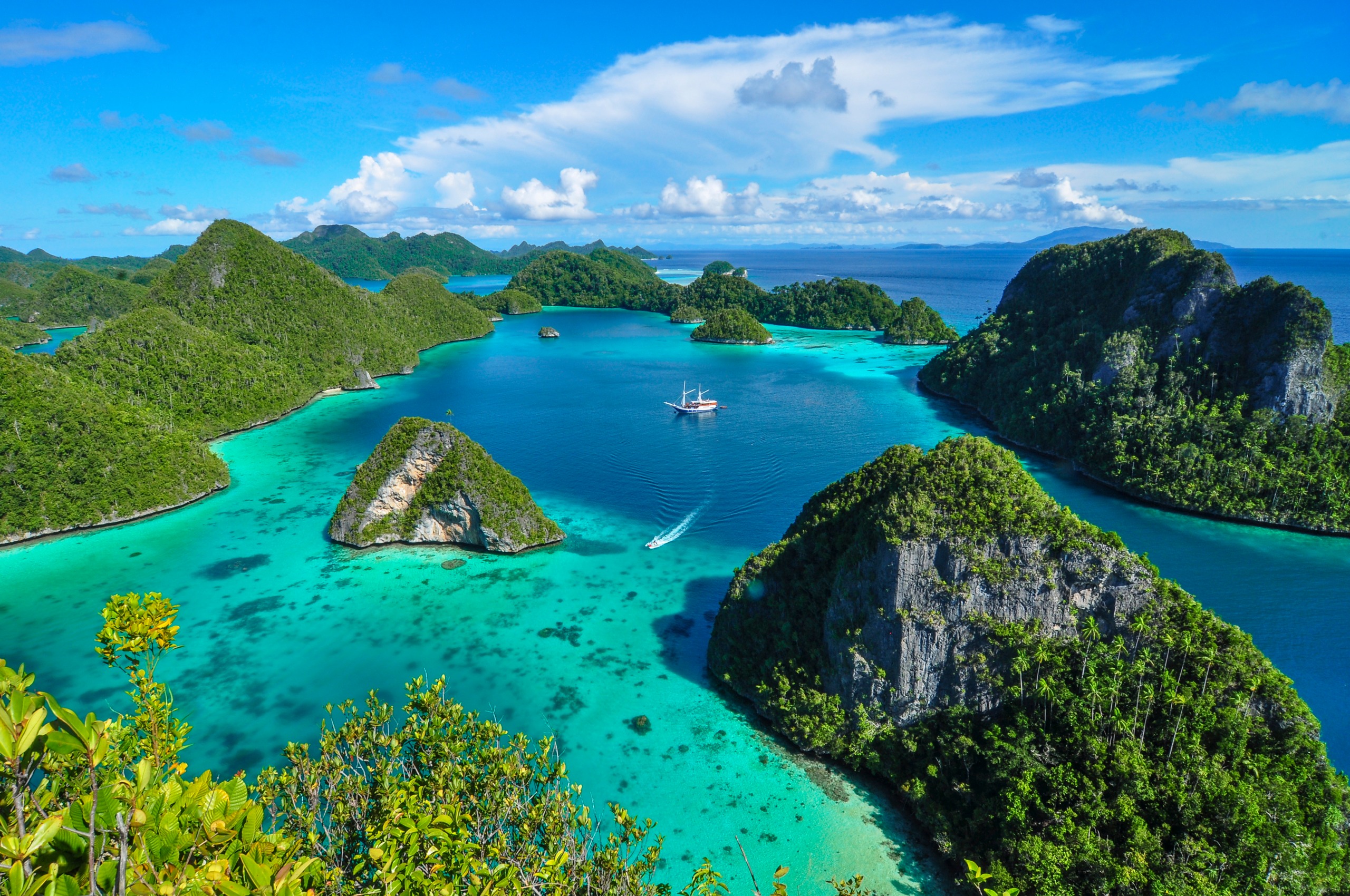
Travel to Sumatra: Essential tips before you go
The large Indonesian island of Sumatra is a perfect destination for nature-loving travelers. It boasts lush forests and rich biodiversity. Still spared from mass tourism
The large Indonesian island of Sumatra is a perfect destination for nature-loving travelers. It boasts lush forests and rich biodiversity. Still spared from mass tourism, this island promises you a peaceful stay, marked by relaxation and discovery. On the ground, you can enjoy a multitude of activities, such as climbing volcanoes or observing orangutans. All this tempts you? Perfect! But before you fly off, here are some essential tips for a successful trip to Sumatra.
Administrative formalities
To be authorized to enter Sumatra, you must have a valid passport. It must be valid for at least six months after your stated return date.
A visa is not necessary if your stay does not exceed 30 days. Beyond this period, you must obtain a visa from the Indonésie Embassy (47/49, rue Cortembert - 75116 Paris). However, you can obtain this document upon arrival in Indonésie. For more information on this subject, do not hesitate to contact the Indonésie embassy.
Health and vaccinations
There are no mandatory vaccinations to enter the territory. However, for preventive purposes, it is advisable to consult your doctor. Generally, doctors prescribe vaccinations against tetanus, hepatitis A and B, as well as typhoid.
A quick health note
Given that vegetation abounds in Sumatra, you must protect yourself from mosquito bites. Thus, bring mosquito repellent cream. For optimal protection, follow antimalarial treatment before your departure.
Since you're never safe from an ailment during a trip, pack a medical kit containing common and specific medicines, in case you suffer from an allergy or other conditions.
The best time to visit Sumatra
Sumatra enjoys a tropical climate. It rains year-round on the territory, both in summer and winter. The best season to visit is the dry period, between May and October. Temperatures are quite high, but with passing rains, they cool down during the day. The rainy season begins at the end of October and reaches its peak in December and early January. Despite the precipitation, some activities are possible during this period.
Generally speaking, the best months to visit Sumatra are January, February, May, June, July, August, and September.
Packing for Sumatra
A trip to Sumatra requires careful packing. Pack only useful and important items in your suitcase to lighten your load and have space for any souvenirs:
- Loose, light clothing to cope with the heat
- Rain-protective clothing: raincoat or waterproof jacket
- A waterproof backpack to organize essentials for your daily outings
- Quality hiking shoes
- A water bottle and/or small thermos to carry drinking water
- A medical kit to carry your medications and first aid supplies (bandages, cotton, etc.)
- A small waterproof bag to contain your survival kit: matches or lighter, penknife or Swiss Army knife, etc.
- Mosquito repellent cream
Transportation on Sumatra
In Sumatra, most roads are damaged. The most reliable way to travel from one point to another is by bicycle or motorcycle. However, you can travel around the island by bus and Bemos (minibuses). Fares are affordable, regardless of the distance.
Do you love traveling by train? Rejoice—Sumatra is one of only two Indonesian islands with a railway. By choosing this mode of transport, you gain access to various advantages:
- Inexpensive fares, regardless of class
- Beautiful views of wild landscapes
- Stops at interesting points
- Direct contact with locals
By traveling with your Azimuth Adventure Travel agency, you will benefit from a vehicle with a driver for all your travels.
Must-see activities

To organize your vacation activities, here's a short list of activities to try during a trip to Sumatra:
- Discover Sumatran orangutans in Leuser National Park, at Bukit Lawang
- Go surfing on the Kampar River
- Climb Mount Kerenci
- Admire the magnificent Lake Toba
- Enjoy an elephant ride
- Meet the Batak and Minangkabau peoples, etc.