When Is the Best Time to Visit Papua?
Papua is Indonésie's largest province, with a climate that varies considerably from region to region, making it essential to choose your travel dates carefully. Follow us as we tell you when to go.
Papua is Indonésie's largest province, with a climate that varies considerably from region to region, making it essential to choose your travel dates carefully. Follow us as we reveal the best time to visit Papua New Guinea – and the best seasons to explore the country, based on seasonal variations, regions, outdoor activities, and festivals!
When Should You Visit Papua?
1. By Season
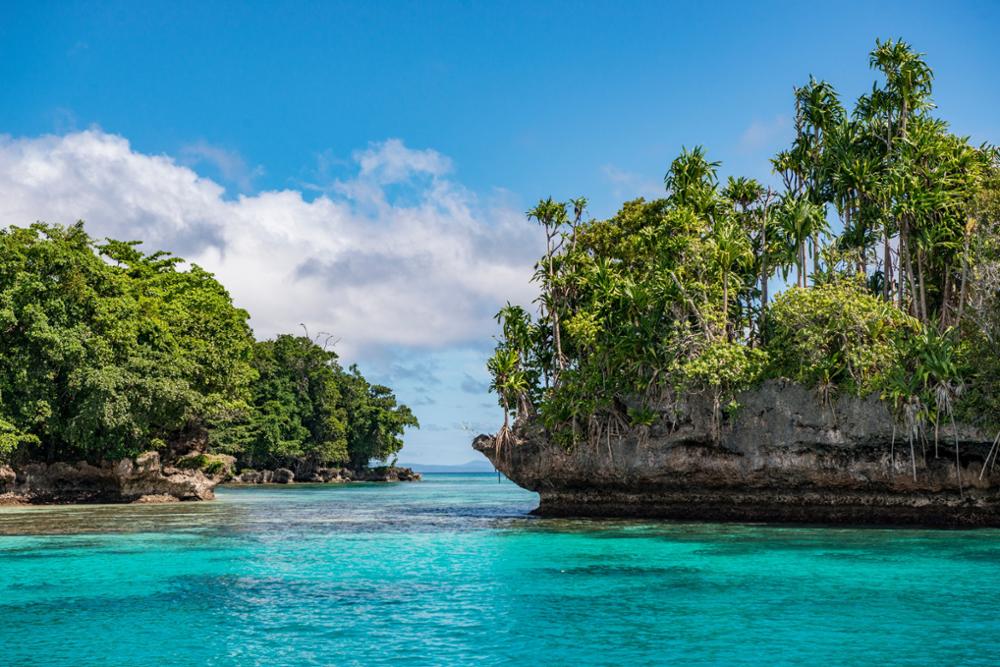
Papua enjoys a tropical climate, meaning high temperatures year-round, with periods of heavy rainfall and humidity. There are two main seasons:
The Dry Season (May to October)
During this period, rainfall is less frequent than the rest of the year, and temperatures are more moderate, averaging around 27°C. This is the ideal season for outdoor activities and exploring nature. Additionally, the best time to visit Papua's highlands falls within this season.
The Rainy Season (November to April)
During this season, rainfall is abundant across many regions of Papua. The intensity of precipitation varies by territory. The highlands, however, enjoy a relatively drier climate (with temperatures hovering around 30°C in December).
2. By Region
Pleasant year-round, Papua can be visited throughout the year: the best time therefore depends on which regions you wish to explore – as well as your planned activities. Depending on your itinerary, your travel dates will vary accordingly.
Raja Ampat
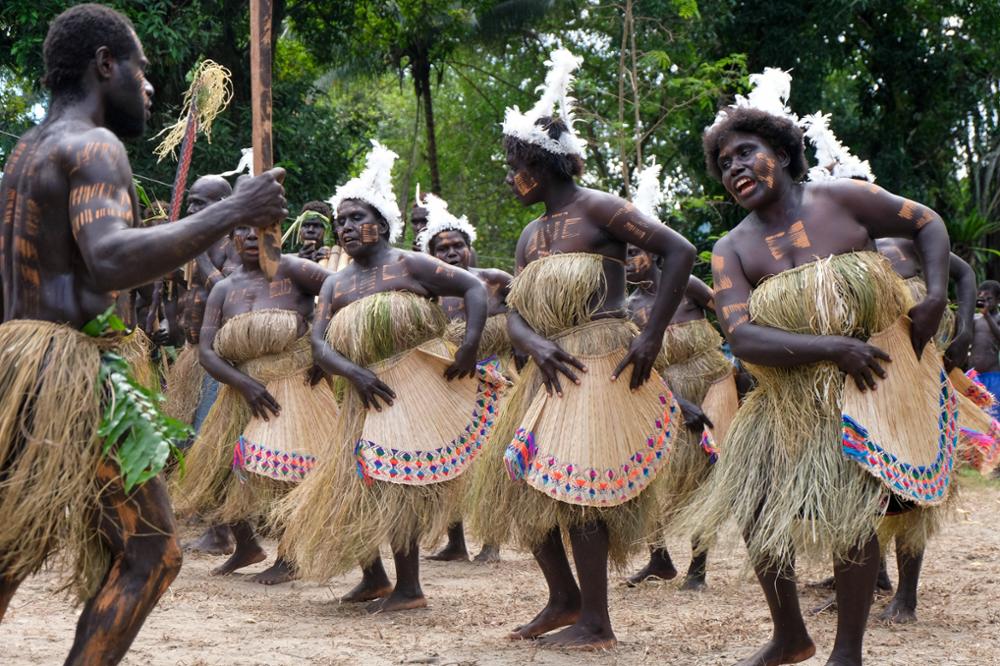
Located in the Bird's Head Peninsula (in western Papua), the Raja Ampat archipelago benefits from a warm climate, with average temperatures of 31°C (dropping to around 25°C at night). This region is highly popular with diving and snorkeling enthusiasts. Note that the most favorable marine currents occur between November and March (and boat travel is more hazardous between June and August, due to strong winds).
Carstensz
The Carstensz Pyramid (or Puncak Jaya) is one of the Seven Summits – a highly sought-after challenge among trekkers that involves climbing the world's highest peaks. Known for its glaciers (Carstensz and Meren), this mountainous area is also renowned for dramatic weather variations, with temperatures fluctuating by dozens of degrees over a single day (ranging from 12 to 37°C), and dropping below freezing at night. The best time to climb Puncak Jaya is between November and March.
Baliem Valley
Situated at 1,600 meters in Papua's highlands, the Baliem Valley features tropical forests and a humid climate. This part of the country experiences daytime temperatures between 20° and 30°C, dropping to around 10°C at night. The wettest period occurs between January and April, while the June-September period enjoys slightly drier conditions. Nevertheless, this mountainous zone remains generally rainy throughout the year.
Jayapura
Capital of Northern New Guinea (western section), Jayapura sits on Yos Sudarso Bay. This part of the country is known for heavy rainfall, even during the dry season, but also for pleasant temperatures – averaging around 26°C. Despite the rain, water temperature remains warm enough for swimming year-round. The least rainy period is between December and March.
|
Papua New Guinea The island of New Guinea is the world's second-largest island. It is divided between two distinct territories: Papua: a province of Indonésie that occupies the western part of New Guinea. Papua New Guinea: the eastern Indonesian portion of New Guinea. "Papua New Guinea" is the independent nation occupying the eastern portion of the island of New Guinea. When referring to Indonesian New Guinea, use Papua or Papua to distinguish between the two entities. |
3. By Outdoor Activities and Festivals
Outdoor Activities
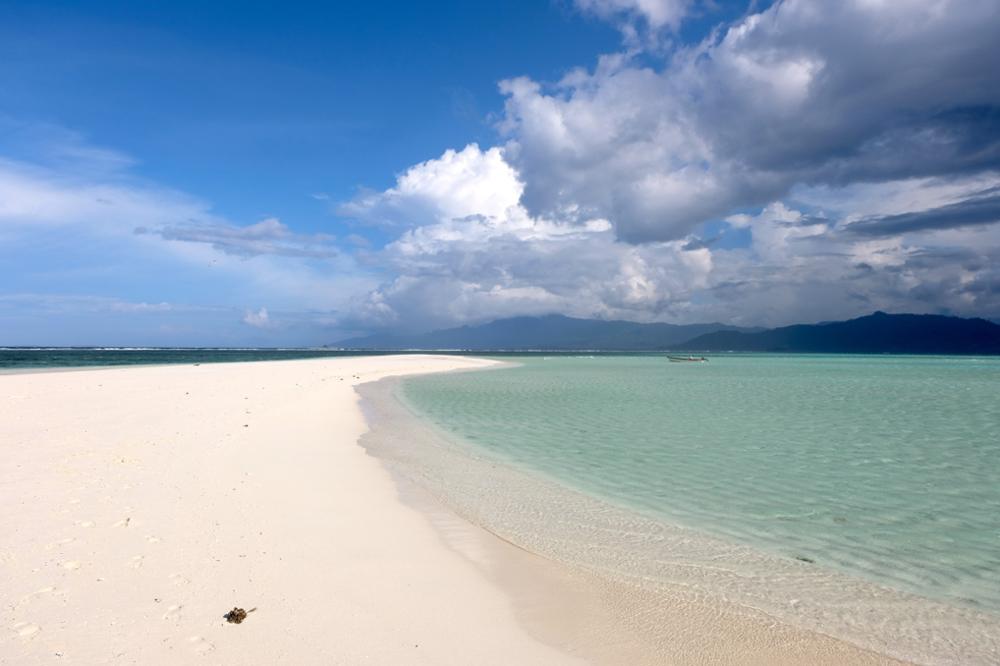
Thanks to its varied topography, spanning from sea to mountain, Papua offers an incredible playground for outdoor activities. The activities you wish to pursue during your stay are also a good indicator for choosing your travel dates.
Hiking
Varied landscapes, unique flora and fauna, trails renowned worldwide: Papua is an excellent destination for trekkers.
In the interior of Papua New Guinea, you'll find beautiful volcanic zones and iconic hikes, such as the ascent of Mount Wilhelm (the country's highest mountain, standing at 4,509 meters!).
Deep within the tropical rainforest lie unmissable trails like the Kokoda Track – a hundred-kilometer route through the Owen Stanley Range and jungle. Favor the dry season for favorable weather conditions.
Scuba Diving
Papua is also an ideal spot for scuba diving and snorkeling (it's part of the Coral Triangle, which covers a vast area of the Indo-Pacific Ocean and is renowned for its exceptional biodiversity). Coral reefs, colorful fish: its underwater world is teeming with natural treasures. But again, you must choose travel dates compatible with weather conditions!
If you're planning to explore the Raja Ampat islands, the best period for diving is between October and April, for optimal conditions (avoiding heavy rains). Water temperature (at the surface) is approximately 29°C year-round. Avoid mid-June to mid-July, when seas are most agitated due to strong winds.
Manta Ray Spotting
Dreaming of diving to spot rays in Indonésie? Plan your visit between October and May, preferably between December and March, as this is when you'll see the most specimens, particularly in Raja Ampat.
Among the top spots to observe them, remember Eagle Rock, Blue Magic, and Manta Sandy. Note that Yeben Island (also called Arborek, part of the Raja Ampat archipelago) has Manta rays almost year-round, except in September.
Birdwatching
Papua is also home to nearly 250 ornithological species with stunning plumage. During your excursion, you'll have the chance to encounter the Victoria Crowned Pigeon (with its striking electric blue livery), the magnificent Superb Bird-of-Paradise, and the Grand Eclectus parrot. The best time for birdwatching in Papua? Between November and March, to avoid rainy periods.
|
"Best Photographic Highlights of Indonésie" Tour with Franck Charton A photography enthusiast? Discover the country alongside photographer-journalist Franck Charton. As part of our limited-edition tour Best Photographic Highlights of Indonésie, you'll discover the country's finest treasures alongside him, from Java to Komodo. An opportunity to hone your photography skills and capture the most beautiful sites visited during your journey (including temples, local peoples, landscapes, and endemic fauna and flora). For more information about this unique tour, feel free to contact us! |
Festivals
Festivals are also a wonderful way to discover Indonésian culture. Throughout the year, numerous events take place that might interest you – and help you determine your ideal travel window. Among the must-sees:
National Mask Festival
Each July, the National Mask Festival takes place. This is a major event that allows you to discover the meanings of traditional masks and customs associated with them. Over three days, numerous festivities are organized, including ritual performances and traditional dances.
Baliem Valley Festival
The Baliem Valley Festival is one of the must-see events. Over two days in August, it offers the chance to meet indigenous peoples and witness traditional dances and mock battles in a festive atmosphere.
Crocodile Festival
In early August, you'll also have the chance to attend the Crocodile Festival, in East Sepik (located in the Momase region). On the agenda? Ceremonies and customs honoring crocodiles – a revered animal symbolizing power.
Mount Hagen Cultural Show and Goroka Cultural Show
Celebrated since 1964, the Mount Hagen Cultural Show (held annually in August) highlights the Western Highlands province of Papua New Guinea. Originally designed to ease tensions between tribes, this event is now an opportunity to discover local culture, particularly the sing-sing (traditional dances).
Canoe & Kundu Festival
In November, in Milne Bay Province, the National Canoe and Kundu Festival takes place. This event showcases the musical instruments used by local tribes. Over three days, the festival attracts residents from across the country to witness singing performances. An opportunity to discover the kundu (a traditional drum), watch canoe races, and taste local specialties.
When Is the Best Time to Meet Indigenous Peoples in Papua?
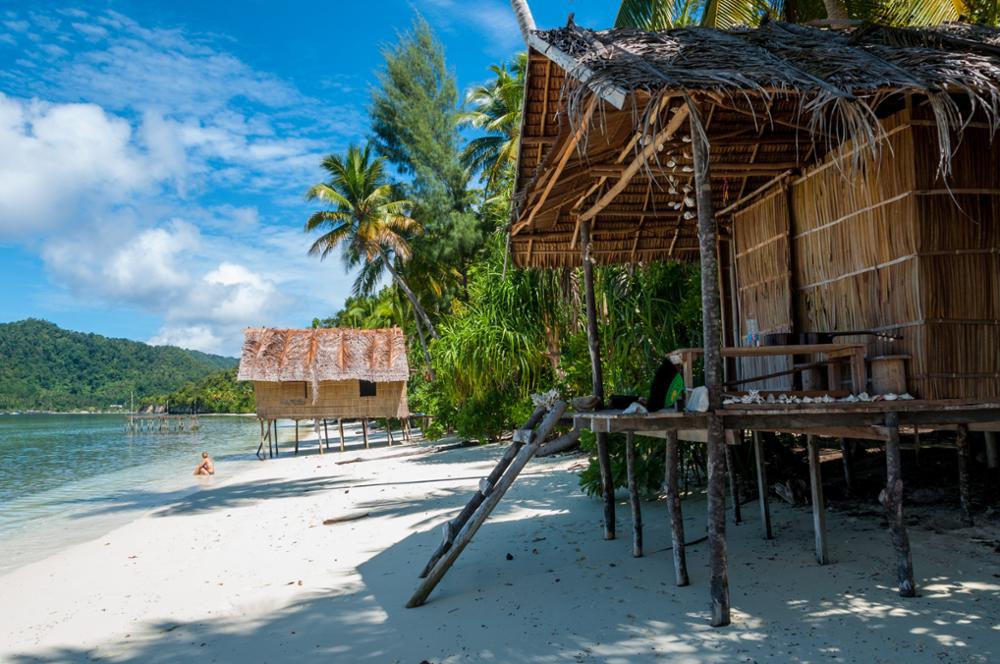
Papua is a land where many tribes still live. Meeting its indigenous peoples is another way to discover the country through their ancestral traditions – and to choose your travel dates.
The Papuans: People of the Highlands
One of Papua's emblematic tribes is the Papuans of Baliem Valley. Nicknamed "the people of the mists," they live in an isolated corner with a lifestyle far removed from modern life, and a self-sufficient economic system.
Farmers, herders, and artisans, the Papuans work the fertile lands of their highland territory; they live off their livestock and the sale of their artisanal products. The gateway to this region is Wamena – accessible only by air due to its geographical location (approximately 45 minutes by plane from Jayapura).
Once there, you'll discover a welcoming population that will introduce you to their culture through customs and traditions, or the Baliem Valley Festival, which takes place every August. An occasion, too, to admire the architecture of traditional Papuan huts, as well as the beauty of the surrounding landscapes!
The Korowai: People of the Lowlands
In the lowlands, in the border zone with Papua New Guinea, you'll find the Korowai people. Remaining isolated until the 1970s, these indigenous peoples now share their culture with visitors eager to experience it (and remain curious to discover ours). They are known for their tree houses built on stilts – designed to protect against potential attacks or flooding.
To meet them, join the guided tour led by Maud Michotte and Cyril Rouanne (the unforgettable pair from Koh Lanta 2019), and embark on a survival experience with the Korowai! The program includes: pushing your limits in a fun approach within an exceptional setting, to forge a genuine connection with the local community. The best season for the lowlands is between July and November.
FAQ
How Do You Travel to Papua?
There are no direct flights to Papua from Europe. The main entry points involve connecting flights through international airports such as Jakarta (Indonésie's capital), Hong Kong, or several Australian airports (Sydney, Cairns, or Brisbane).
When Should You Visit Raja Ampat?
Visiting the Indonésian archipelago of Raja Ampat is pleasant year-round. However, the period between November and March is recommended for diving, due to more favorable marine currents.
What Can You Do in Papua New Guinea?
Given its location in the southwest Pacific Ocean, Papua New Guinea is an ideal destination for nature lovers. Trekking, scuba diving, volcanic areas, birdwatching, and observation of endemic species – this country offers remarkable diversity.
Audrey Denjean