Visiting Raja Ampat: Our Complete Guide
Raja Ampat is an archipelago of 1,411 islands located at the northwestern tip of the Western Papuan peninsula. Situated at the heart of the Coral Triangle, the archipelago's waters are home to one of the
Raja Ampat is an archipelago of 1,411 islands located at the northwestern tip of the Western Papuan peninsula. Nestled at the heart of the Coral Triangle, the archipelago's waters are home to one of the highest concentrations of marine species in the world. It's hardly surprising that the archipelago is dubbed the "Amazon of the oceans." What to do in Raja Ampat? When and how to get there? Discover our complete guide to visiting the Raja Ampat islands.
Where are the Raja Ampat islands located?
The Raja Ampat archipelago comprises approximately 1,500 islands located at the eastern tip of Indonésie, at the northwestern extremity of the Papuan peninsula.
Did you know?
Raja Ampat literally translates to "four kings" in Old Malay. The name refers to a legend in which Gurabesi, a hero from Papuan legends, and Princess Boki Tabai, daughter of the Sultan of Tidore, discovered seven eggs, four of which hatched into the kings of the four main islands of the archipelago.
The Raja Ampat islands, epicenter of the Coral Triangle
The Raja Ampat archipelago covers an area of 46,296 km², much of which lies at the heart of the famous Coral Triangle. As a reminder, the Coral Triangle is a maritime zone in the Pacific Ocean covering the waters of Malaysia, Indonésie, the Philippines, and the Solomon Islands.
Often nicknamed the "Amazon of the oceans," this zone hosts the greatest marine biodiversity on the planet, with more than 75% of the world's coral species and over 2,000 registered fish species. Numerous pelagic species come to feed and breed here, including blue whales, dolphins, sperm whales, porpoises, dugongs, whale sharks, and sea turtles.
As you can see, the Raja Ampat islands rank among the best dive sites in Indonésie, indeed the world!
The main islands of Raja Ampat
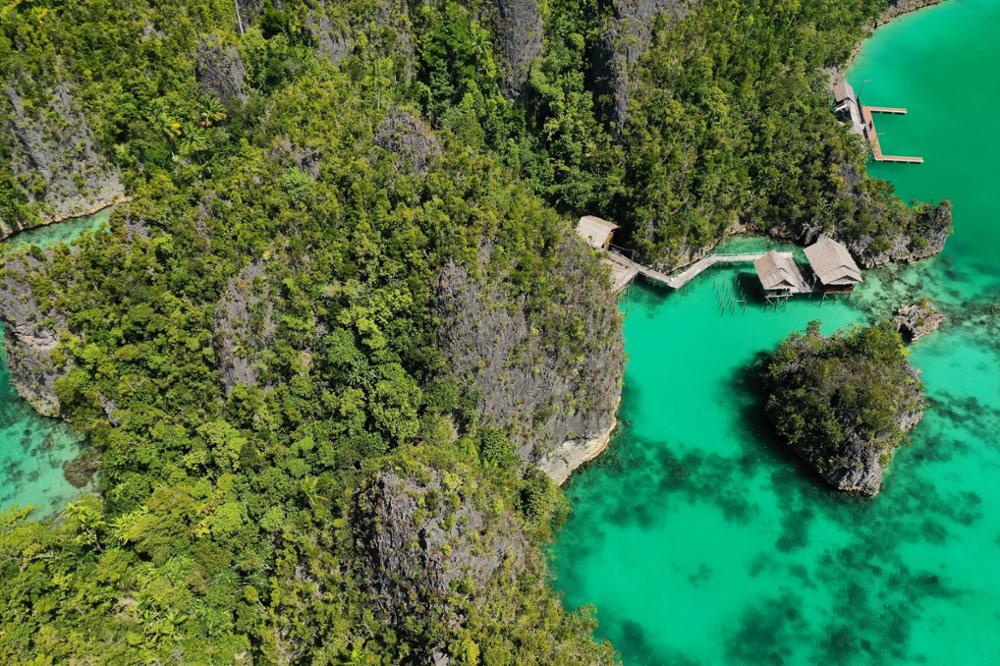
The Raja Ampat archipelago comprises 4 main islands (the four kings):
- Waigeo: it is the capital of the archipelago. Several other small islands popular with travelers gravitate around it, such as Gam, Kri, and Arborek.
- Batanta: home to a handful of fishing villages, waterfalls, and hiking trails, this island is among the least visited in the archipelago. It's the ideal place to venture off the beaten path.
- Salawati: this virgin island faces the Doberai peninsula. It has very limited infrastructure and remains scarcely visited.
- Misool: the most isolated island, home to the Misool Reserve—a paradise for diving and snorkeling enthusiasts. It also features lagoons, caves, lakes, and more.
What to do and see on the Raja Ampat islands?
Scuba diving and/or snorkeling
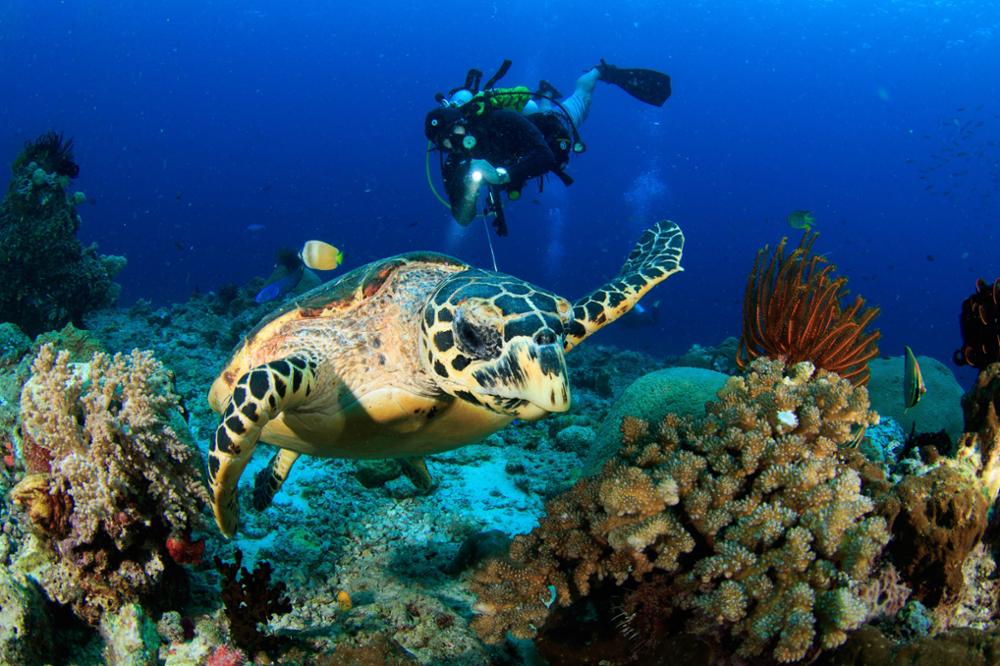
Home to 540 coral species, over 1,000 species of reef fish, and 700 species of mollusks, the Raja Ampat islands constitute one of the world's finest diving and snorkeling destinations. The region features 12 zones classified as "marine conservation areas" (such as Misool, the northern Dampier Strait, and Triton Bay), as well as Indonésie's largest marine national park (Cenderawasih Bay).
Among the fish and pelagics you can encounter at Raja Ampat are:
- Numerous reef fish species: groupers, wrasses, Napoleons, parrotfish, and more.
- Impressive schools of fish including tuna, giant trevally, snapper, batfish, and barracuda.
- Macrofauna species including pygmy seahorses, nudibranchs, and mantis shrimp.
- Pelagic species: numerous shark species (grey reef sharks, whitetip reef sharks, hammerheads, wobbegong sharks, whale sharks), sea turtles, dolphins, dugongs, and manta rays.
You can explore this underwater richness on a day excursion or a dive liveaboard cruise.
Good to know:
Although many dive sites are geared toward experienced divers (due to currents), it is entirely possible to scuba dive at Raja Ampat as a beginning-level diver.
Swimming with manta rays
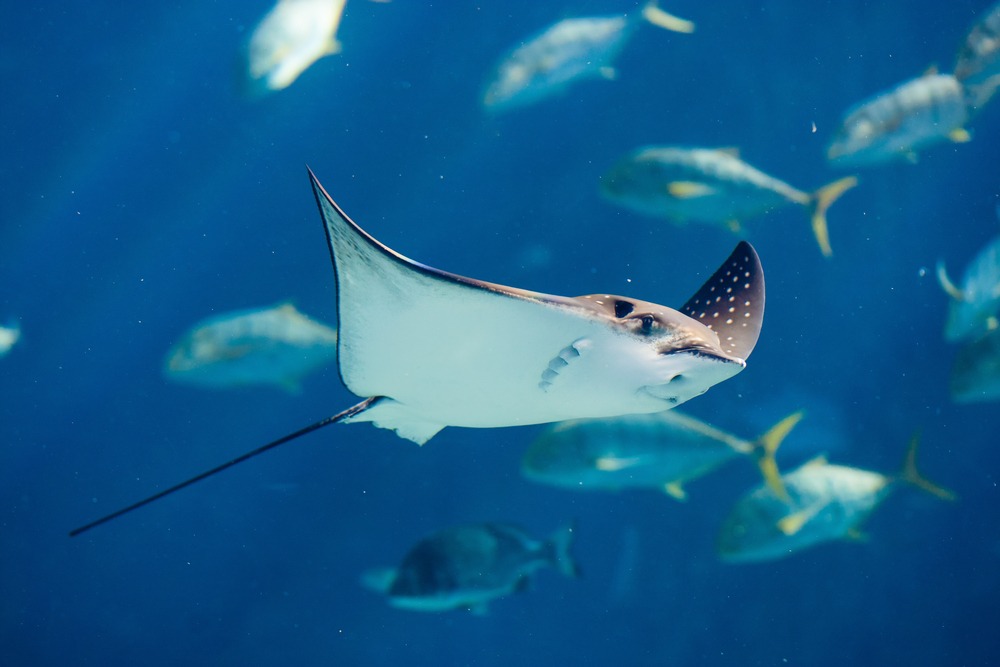
Whether you prefer diving or snorkeling, Raja Ampat's dive sites rank among the best places to see manta rays in Indonésie. You may spot giant black manta rays or mobula rays, particularly at Manta Point or Manta Sandy. Note that the best season for seeing manta rays at Raja Ampat is September through April.
Spotting birds of paradise
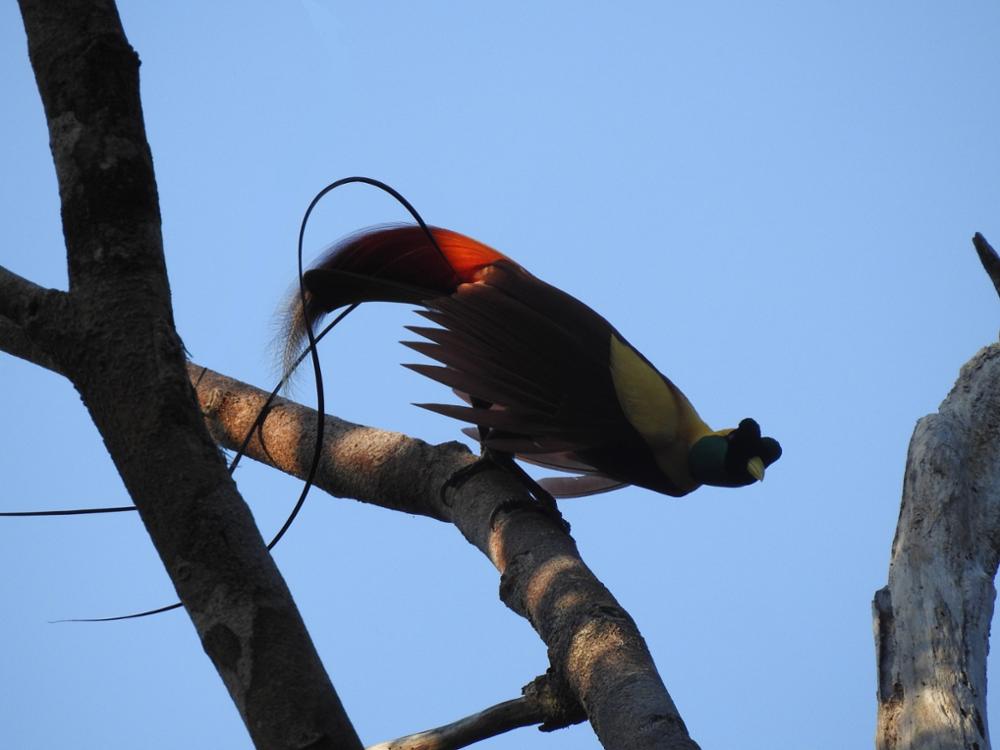
The Raja Ampat islands boast rich marine biodiversity, but that's far from all! The islands are home to magnificent wildlife species, including one endemic to Indonésie and New Guinea: birds of paradise. Also called "birds of paradise," these birds are renowned for their stunning colorful plumage and impressive courtship dances.
Two species are found here: the red bird of paradise (paradisaea rubra) and Wilson's bird of paradise (diphyllodes respublica). These sublime creatures are observable mainly on Waigeo and Batanta islands.
Note:
We strongly recommend hiring a local English-speaking guide to observe Raja Ampat's birds of paradise. This will help you spot them more easily and learn more about their habits.
Meeting the Papuans and visiting villages
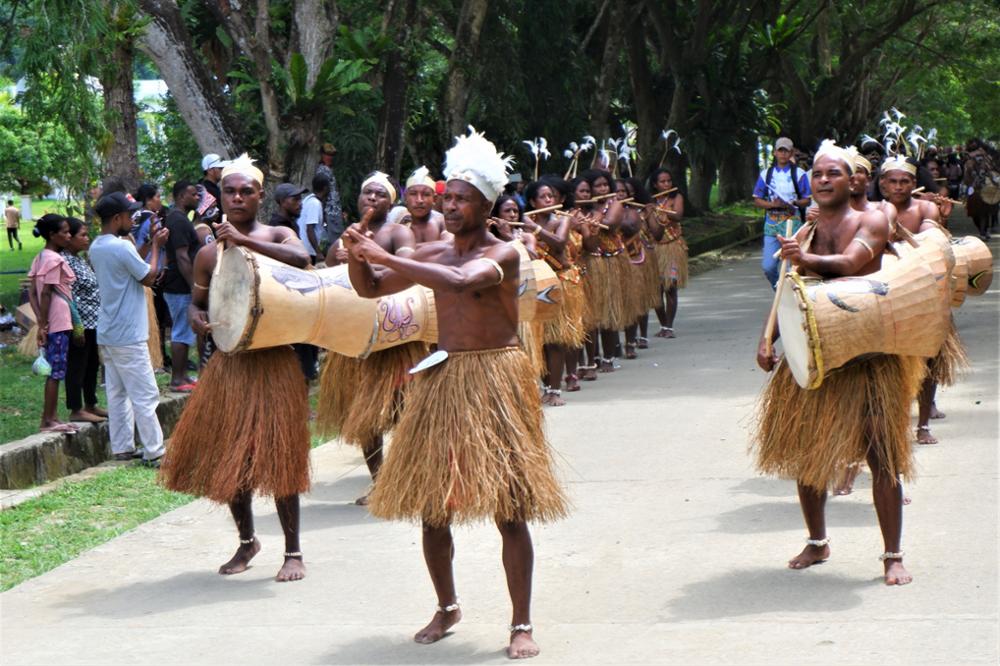
The Raja Ampat archipelago is home to 1,411 islands inhabited by only 50,000 people, spread across approximately 117 villages. During a stay in Raja Ampat, you can meet the Papuans who live in relative isolation from the outside world, learning more about their way of life and traditions.
For your information, Papuan culture among the local populations is predominantly Muslim and Christian. The Papuans of Raja Ampat are renowned for being exceptionally welcoming and hospitable. Among the must-visit villages are Yenbuba, Arborek, and Sauwandarek.
Taking in the views from scenic viewpoints

There are numerous viewpoints throughout Raja Ampat. These sites allow you to gain elevation and admire the archipelago's natural beauty. Among the most famous are:
- Pianemo Viewpoint: Located on the island of the same name, 60 km from Waisai, this is the most famous viewpoint in Raja Ampat. After climbing some 250 steps, you'll reach the summit, where you can enjoy sweeping views of rocky islets rising from crystal-clear turquoise waters.
- Telaga Bintang Lagoon: Located just a 5-minute boat ride from Pianemo, this is a starfish-shaped turquoise lagoon. To access it, you must climb a small karstic hill.
- Wayag Viewpoint: Located approximately 200 km from Sorong, this viewpoint is far less accessible than Pianemo, making it a much less-touristed spot. Again, it offers breathtaking views of an extensive string of atolls, even more expansive than those at Pianemo. Note that the viewpoint is undeveloped, and you'll need to scramble over rocks to reach it.
Remember:
To reach the viewpoints, you'll need to book an excursion. We recommend combining several stops at once (snorkeling break, viewpoint, Telaga Bintang lagoon, etc.). In either case, an entrance fee will be required upon arrival (the cost is often included in excursions).
What is the best time to visit the Raja Ampat islands?
With average temperatures ranging from 25 to 31°C year-round, the Raja Ampat islands enjoy a tropical climate throughout the year. While it's possible to visit the archipelago year-round, some seasons are more favorable than others.
Generally, the peak tourism season aligns with the dry season, which runs from October through April. This is when visitor numbers are highest and dive liveaboard boats are most abundant. And for good reason—it's the ideal season for diving at Raja Ampat. Starting in October, plankton proliferates and you have the best chance of spotting manta rays.
The rainy season, meanwhile, runs from May through September, with June and July being the wettest months. That said, rainfall doesn't always last long, and budget-conscious travelers can take advantage of favorable rates.
Do note, however, that wind risks are higher and the sea can be rough, which is not ideal for diving. Some dive centers even close during this period. During this timeframe, it's best to opt for a dive trip in northern Raja Ampat rather than the south, which is more exposed to wind.
How to reach the Raja Ampat islands?
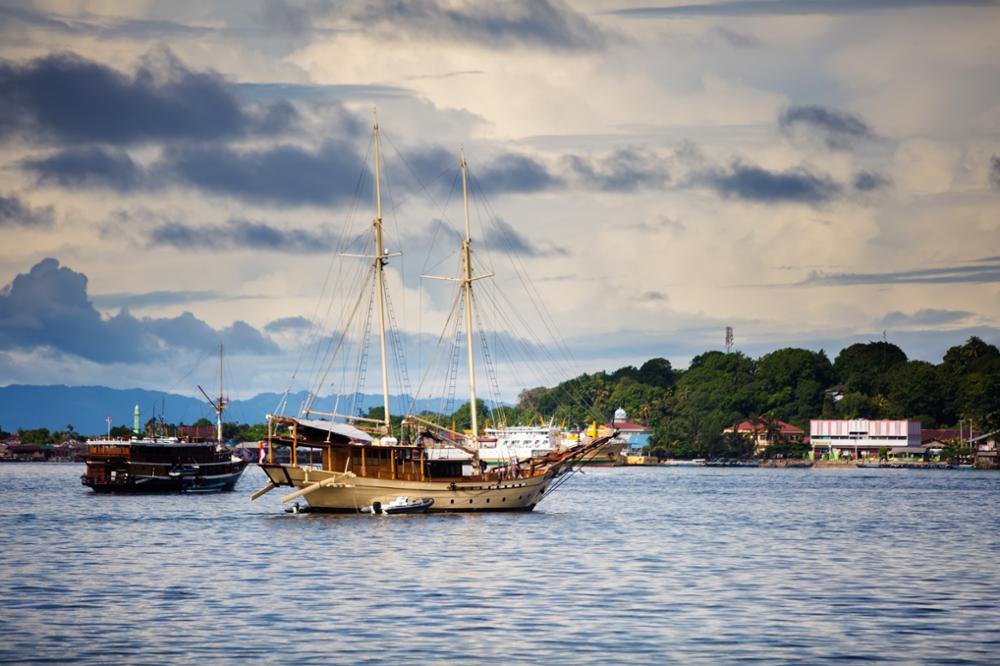
Most travelers reach the Raja Ampat islands by flying into Domine Eduard-Osok Airport in Sorong, in the Indonesian province of Western Papua. Local airlines offer regular flights from Jakarta, with some flights also available from Manokwari, Jayapura, Ambon, Makassar, and Manado.
Once in Sorong, you have several options depending on your final destination:
- Take a ferry to Waigeo (daily departures) or to Misool (two ferries per week);
- Take a speed boat directly to the island where you'll be staying;
- Fly to Marinda Airport in Waisai (Waigeo), the archipelago's only airport.
Remember:
A journey to the Raja Ampat islands requires patience. You may need to reserve half a day, or even a full day, for travel. As a rough guide, allow 4 to 6 hours of flight time between Jakarta and Sorong, and 2 to 3 hours of ferry travel between Sorong and Waisai.
Where to stay in Raja Ampat?
Several types of accommodation are available at Raja Ampat:
Home stays
Homestays are the most popular accommodation option in the Raja Ampat archipelago, as well as the most economical and authentic. Run by local families, they typically consist of bungalows built around the locals' homes with shared facilities. All homestays offer full board and numerous excursion opportunities.
Dive hotels
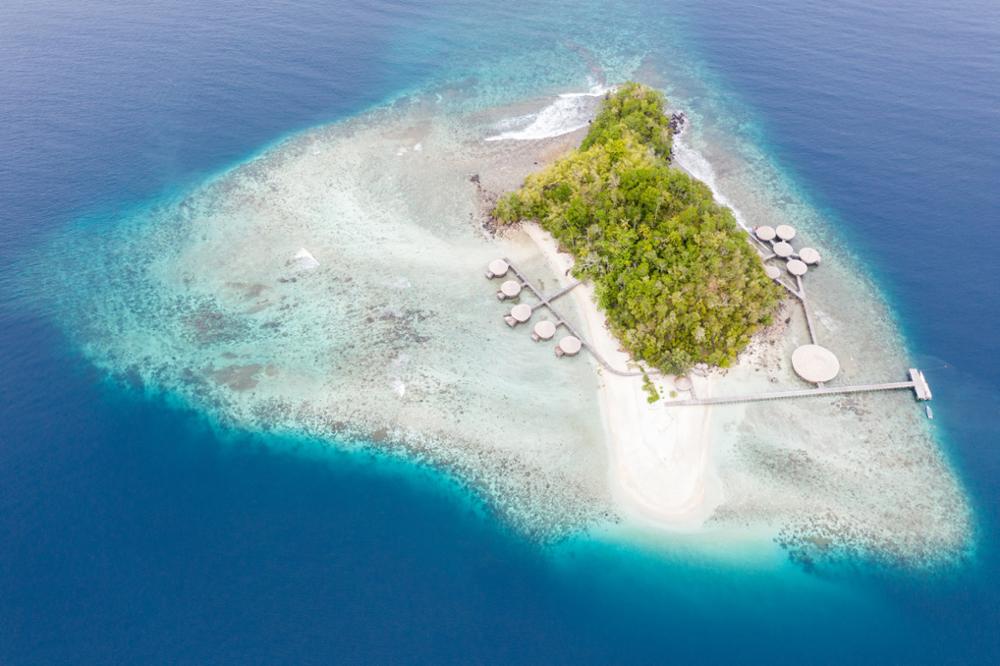
Numerous dive hotels operate throughout the Raja Ampat archipelago. These are ideal if you want some comfort while enjoying well-organized diving.
Dive liveaboards
If you want maximum diving and to discover the archipelago's most remote zones—away from crowds—consider a dive liveaboard. Some cruises even allow you to visit the Moluccan archipelago. Beyond diving, these cruises also offer activities like snorkeling, kayaking, and land-based hikes.
Important:
Be sure to book your accommodations online well in advance! To guarantee accommodation availability (especially during peak season), advance booking is essential. All homestays are bookable via www.stayrajaampat.com. This site connects locals with travelers and allows you to arrange transfers.
How long should you plan to spend visiting the Raja Ampat islands?
Given the distances and the complexity and cost of transfers, we recommend staying a minimum of 5 days, accounting for nearly two full days dedicated to travel (one day to get there and another to leave).
Essential things to know before traveling to Raja Ampat
Due to its remoteness, the Raja Ampat archipelago has minimal tourism infrastructure. You'll need to be fairly organized before you go. Here are essential facts to know before heading to Raja Ampat:
- There are few (or no) ATMs: Although you can prepay your accommodation, we recommend withdrawing cash before arriving to always have some on hand for transportation and excursions. Also consider downloading Wise to pay online for certain activities.
- There is no daytime electricity: Most accommodations have a generator for evening power. Bring a portable power bank to charge devices during the day.
- There are very few convenience stores: Plan ahead to bring essentials and toiletries (sunscreen, insect repellent, medications, snacks, etc.) as they may not be available locally.
- WiFi is rarely available: Connectivity is sparse at Raja Ampat. However, for those who need internet access, you can purchase a local SIM card (from Telkomsel) for 3G or 4G coverage.
What is the entry fee for the Raja Ampat islands?
All visitors must pay environmental service fees to receive a park entry permit (locally known as the "kartu TLPJL," meaning "entry card"). All permits must be presented upon arrival. They are valid for 12 months from the date of purchase.
Here are the entry permit rates for Raja Ampat:
- 700,000 IDR for international visitors,
- 425,000 IDR for Indonesian citizens
Children under 12 do not need a permit.
More information on rajaampatmarinepark.com
Florine Dergelet