Siberut
Siberut
150 km west of Sumatra, Siberut combines UNESCO primary rainforest, endemic primates and rare immersion among the Mentawaï people.
Siberut, the largest island of the Mentawaï archipelago, situated approximately 150 km off the west coast of Sumatra, is a natural and cultural treasure. It offers a unique experience, blending exceptional biodiversity with the ancestral traditions of the Mentawaï, a people who have lived in harmony with nature for centuries. This island, a true gateway to a wild world, invites you to discover a fascinating environment. Whether you are an adventurer, a wildlife and nature enthusiast or curious about traditional cultures, Siberut is a destination that immerses you in a preserved universe, far from modernity.
Geographic characteristics
Siberut belongs to the province of Sumatera Barat in Indonésie and covers an area of approximately 3,838 km², including neighboring islands. It measures approximately 86–110 km in length and 40 km in width, with a landscape that is predominantly low-lying, reaching a maximum elevation of 384 meters in its western section. Siberut is separated from the continent by the Mentawaï Strait and bordered by a marshy coastline where extensive mangrove forests develop.
Largely covered by dense tropical rainforest, Siberut constitutes a crucial ecosystem for the conservation of numerous endemic species. Its tropical landscape also includes savannas dotted with palms, coral reefs and numerous winding rivers. The east coast, more accessible, is lined with islets, bays and mangrove forests that can extend up to 2 km before giving way to nipah forests. In contrast, the west coast is more rugged and difficult to access, with rough seas and steep cliffs covered in Barringtonia forests.
Climate
Siberut's climate is typically equatorial, hot and humid year-round. Temperatures range between 22 and 31°C, with humidity levels between 81 and 85%. The dry season extends from February to June, while the rainy season lasts from July to January. Average annual precipitation reaches approximately 4,000 mm, promoting lush vegetation and abundant water courses that irrigate the island.
Biodiversity
Siberut is covered by a vast dense tropical rainforest where imposing trees reaching up to 60 meters in height flourish, intertwined lianas and numerous epiphytic plants. This ecological richness led UNESCO to classify it as a biosphere reserve in 1981. To further protect its unique natural heritage, Siberut National Park was established in 1993, covering approximately 1,905 km², nearly 60% of the island.
The park protects four major types of ecosystems:
- Mixed primary forest
- Swamp forest
- Coastal forest
- Mangrove forest
More than 864 plant species have been recorded there, alongside numerous endemic animal species, including 31 mammal species and 134 bird species, of which 19 are unique to the island.
Siberut is particularly recognized for its exceptional fauna, notably its unique primates. The island is home to:
- The simakobu
- The lutung
- Kloss's gibbon
- The bilou
- The Mentawaï macaque
- The bokkoi
- The Siberut langur
- The potto of the Pagai islands
These primates, essential to the island's ecological balance, are unfortunately threatened by deforestation and poaching. Furthermore, in addition to primates, Siberut also welcomes 4 endemic squirrel species as well as several hornbills and tropical reptiles.
The Mentawaï
In the heart of Siberut island, the Mentawaï people, also nicknamed the "flower-men," perpetuate an ancestral way of life deeply rooted in nature and spirituality. Descendants of a migration from Nias island, this tribe lived in isolation for centuries before being discovered by the Dutch in 1621.
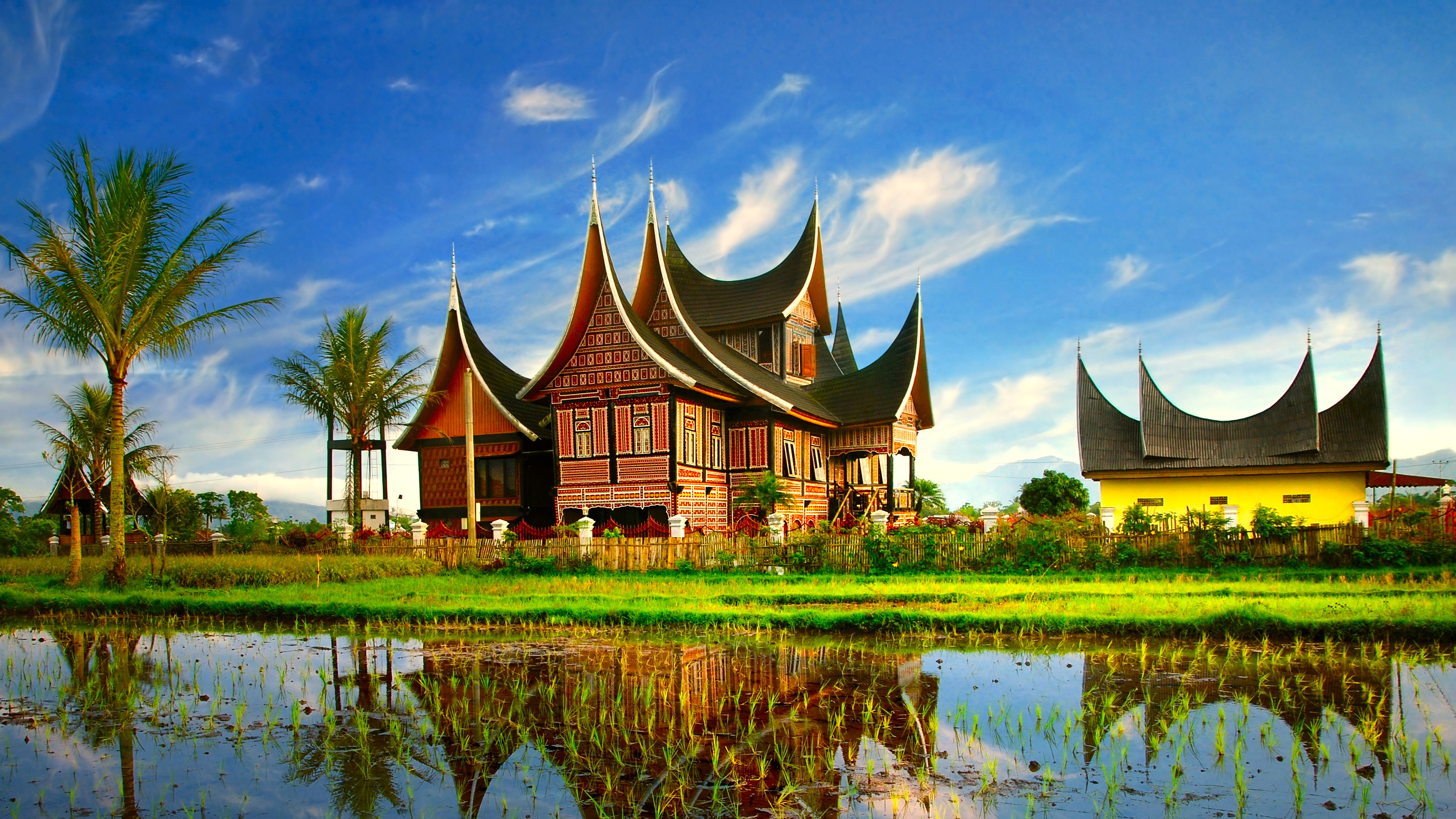
The Mentawaï live in communal dwellings called uma, built of wood and on stilts, harmoniously integrated into their forest environment. Each uma serves as the center of social life, where families gather to share meals, stories and knowledge passed down from generation to generation. Their semi-nomadic way of life is based on hunting, fishing and gathering, the raising of pigs and cattle and the consumption of sago.
Mentawaï culture is marked by animistic beliefs where the spirits of nature, ancestors and the invisible world hold a central place. The sikerei, traditional shamans, play an essential role as healers and spiritual guides, performing rituals designed to preserve the balance between humans and spirits. During ceremonies, the Mentawaï adorn themselves with flowers and plants to beautify their bodies and prevent their spirits from seeking to depart. These rituals are punctuated by chants, dances and offerings.
Tribal tattooing is another emblematic characteristic of the Mentawaï. Created through a traditional process using porcupine quill tips and natural pigments, it symbolizes belonging to a clan and spiritual connection with nature. Some men even go so far as to sharpen their teeth to a point, a practice considered a sign of beauty and strength. As for clothing, men wear a simple loincloth made from rubber tree bark, while women wear skirts made from palm or banana leaves.
Despite their attachment to traditions, the Mentawaï face growing challenges related to modernization and deforestation. While some communities attempt to preserve their way of life, others are gradually influenced by the evolution of the outside world. Yet their hospitality remains intact. Indeed, they willingly welcome visitors, sharing their food and performing their traditional dances with passion. With a population estimated at approximately 41,899 inhabitants in 2023, the Mentawaï represent the living soul of Siberut.
Getting there
The adventure to Siberut island begins in Padang, the capital of West Sumatra province. Accessible by air from Jakarta, Medan and other major Indonesian cities, Padang is the main departure point for reaching the Mentawaï archipelago. From Minangkabau International Airport, located approximately 20 km from the city center, visitors must reach Muara Padang port by taxi or bus.
From Padang, a ferry connects Siberut island several times a week, generally on Tuesdays, Thursdays and Saturdays. It is recommended to check schedules in advance, as they may vary depending on season and weather conditions. Two options are available:
- The slow ferry, which takes approximately 10 to 12 hours to reach Muara Siberut
- The fast boat, which considerably reduces travel time
Some travelers prefer to make a stopover on Sipora island before continuing to Siberut.
Once arrived at Muara Siberut, visitors must rely on traditional transportation methods. The island has only a few trails in the main villages, and most travel is done on foot, by canoe or by boat along the rivers.
In order to explore Siberut safely and access Mentawaï villages, it is strongly recommended to hire a local guide. Some tour packages include accompaniment from Padang, facilitating trip organization. Finally, as infrastructure is limited, it is more prudent to bring snacks and beverages for the journey.
Siberut today
Since 1976, the island has benefited from environmental protection measures, with the creation of a nature sanctuary, followed subsequently by the establishment of Siberut National Park. Despite these efforts, 70% of forests outside the reserve are threatened by logging concessions, jeopardizing the ecosystem and the way of life of the Mentawaï.
Local and international initiatives support biodiversity conservation and the transmission of traditions. UNESCO also launched a sustainable development program in 2001, but corruption has facilitated illegal timber exploitation on the island. Furthermore, responsible tourism remains a key solution for preserving Siberut.
Activities
Siberut attracts travelers seeking authentic experiences and ecotourism. Here are some must-do activities when visiting the island:
Hiking and trekking in the rainforest
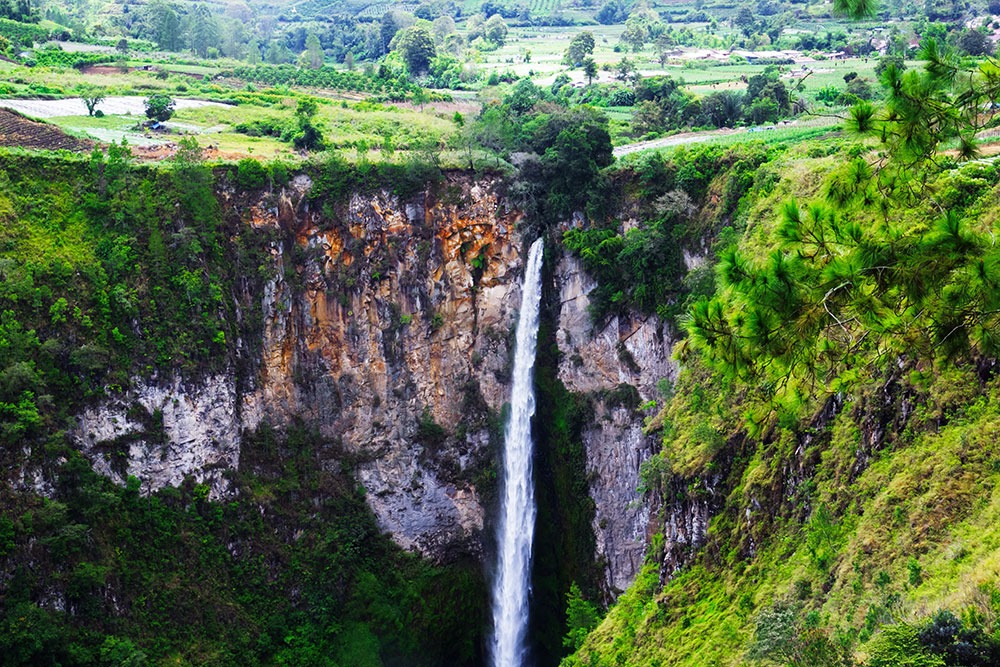
Exploring Siberut's rainforest, accompanied by a local guide, offers total immersion in an ecosystem rich in endemic fauna and flora. Muddy trails, hidden waterfalls and mysterious mangroves punctuate the adventure, where you can observe monkeys, exotic birds and other rare species.
Immersion among the Mentawaï
Staying in a traditional village allows you to discover the way of life of the Mentawaï. Housed in an uma, visitors participate in daily activities: craftsmanship, cooking, animistic rituals, and Turuk dance. The village shamans transmit their ancestral knowledge during sacred ceremonies.
Pirogue excursion
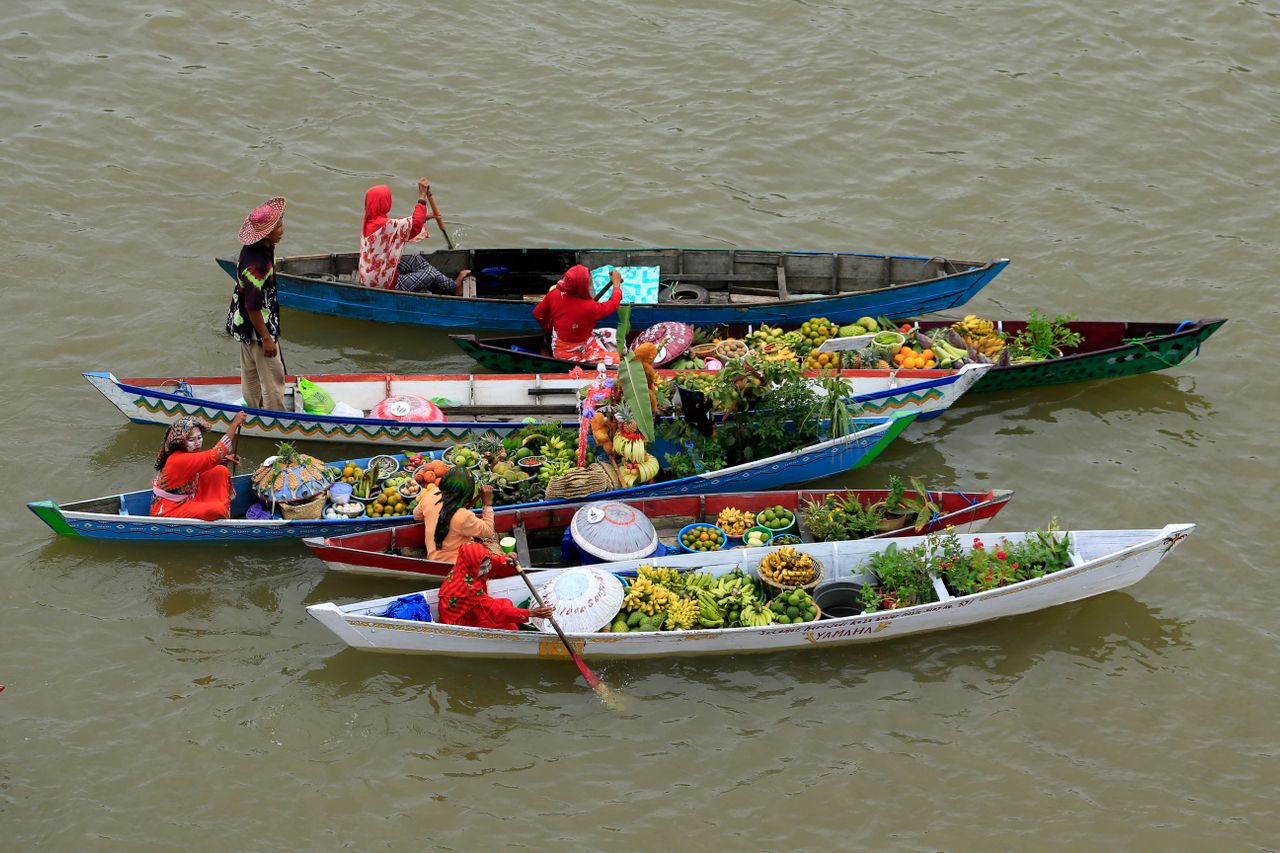
Navigating by pirogue along Siberut's winding rivers is another way to explore the island's wild beauty. This peaceful excursion allows you to admire mangrove forests, observe rare bird and animal species and enjoy the soothing silence of nature. The island's inhabitants still use these traditional boats to travel between villages and access remote areas.
Beaches, surfing and snorkeling
Siberut also offers paradisiacal beaches conducive to swimming and snorkeling, particularly at Katurei. The west coast, favored by surfers, promises spectacular waves for an unforgettable experience.
Want to discover this destination?
Our local advisors design your tailor-made trip.