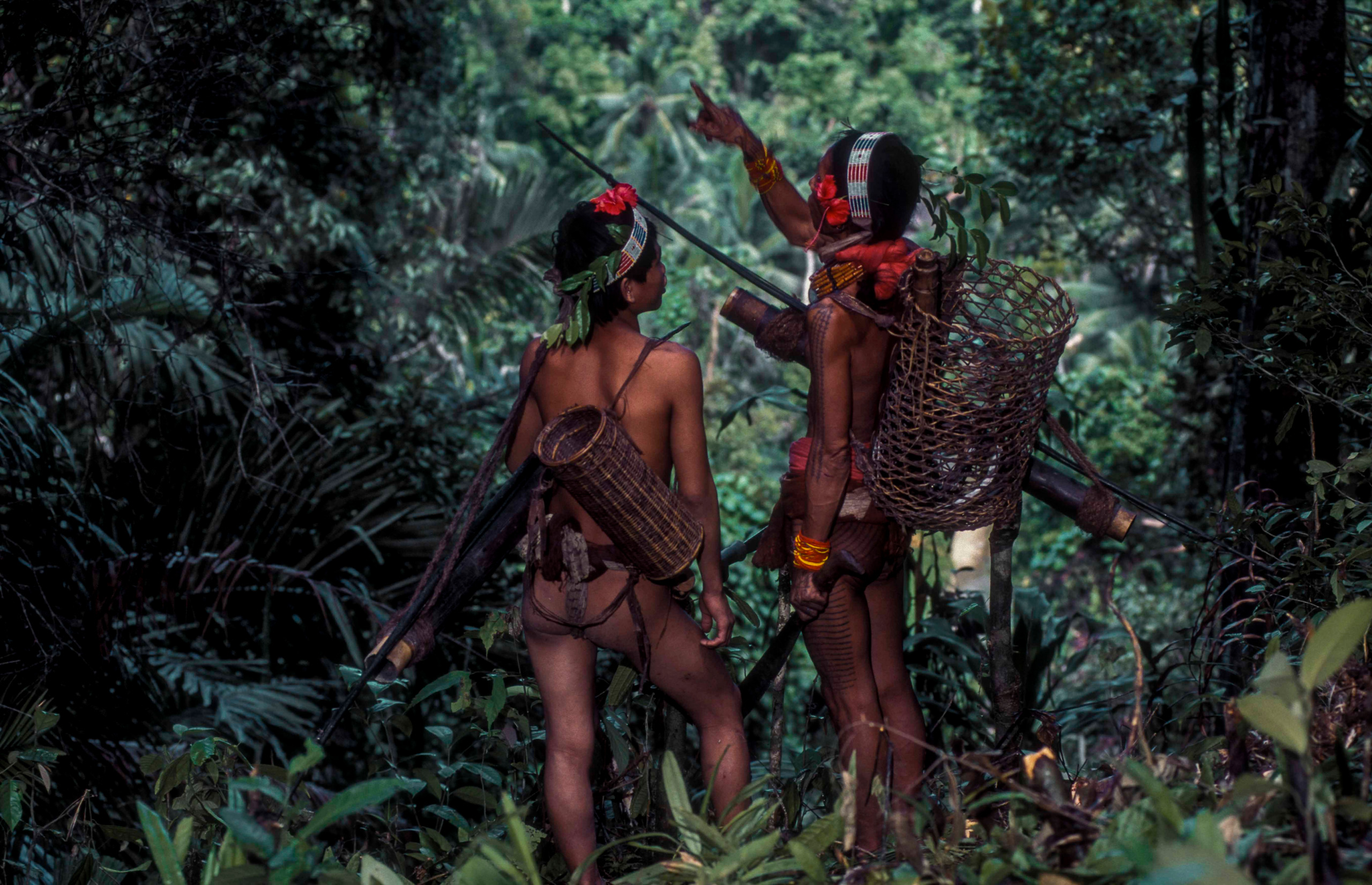
Who Are the Toraja?
Célèbes or Sulawesi is an island in Indonésie located east of Borneo, south of the Philippines and northeast of Java. With an area of 174,600 km², it is the fourth largest island in the archipelago (
Célèbes or Sulawesi is an island in Indonésie located east of Borneo, south of the Philippines and northeast of Java. With an area of 174,600 km2, it is the fourth largest island in the archipelago (and the eleventh largest island in the world), yet its population (17.4 million inhabitants in 2010) represents only 7% of the country's total. Its rather rugged terrain is primarily covered in tropical forest. Portuguese navigators were the first to refer to this island, calling it "Célèbes," while its name Sulawesi likely derives from the words Sula (island) and Besi (iron), a rare mineral in the Indonesian archipelago of which the southern part of the island is rich.
Deep in the mountains of the island's southern reaches lives a fascinating ethnic group known as the Toraja. Their population numbers approximately 650,000 people, of which 450,000 still live in the Tana Toraja district (the land of the Torajas). The vast majority practice Protestant Christianity or follow an animistic belief system called Aluk To Dolo (the Way of the Ancestors). The term "Toraja" derives from the Bugis language (the ethnicity of the coasts) and means "People of the Highlands."
Toraja Traditional Society
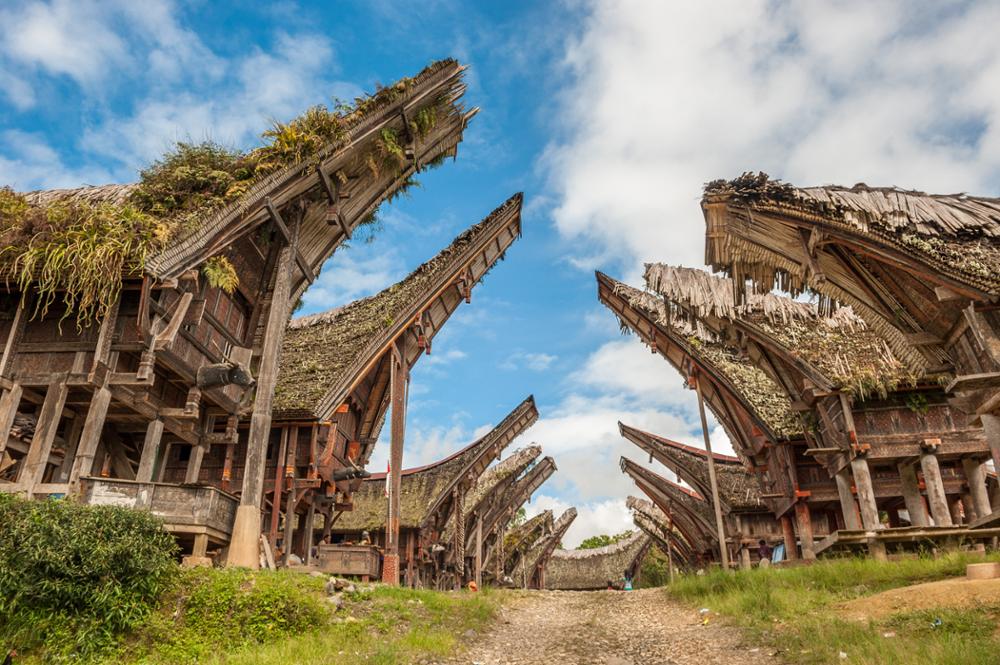
A magnificent region with impressive mountain landscapes where valleys are carpeted with rice paddies and lush vegetation, and where the architecture of bamboo and wooden houses—resembling the bows of colossal ships—are adorned with unique sculptures and engravings. Toraja traditional society places immense importance on family: each village comprises a single extended family whose heart is the ancestral traditional house called the Tongkonan. Toraja society originally also gave considerable prominence to social classes, distinguishing between nobles, commoners, and slaves (slavery was abolished by the Dutch colonial administration in 1909). Yet the most visible trace of this unique traditional society today is found in the funeral rites, which hold a paramount place in Toraja life and are particularly spectacular.
Toraja Funeral Rites
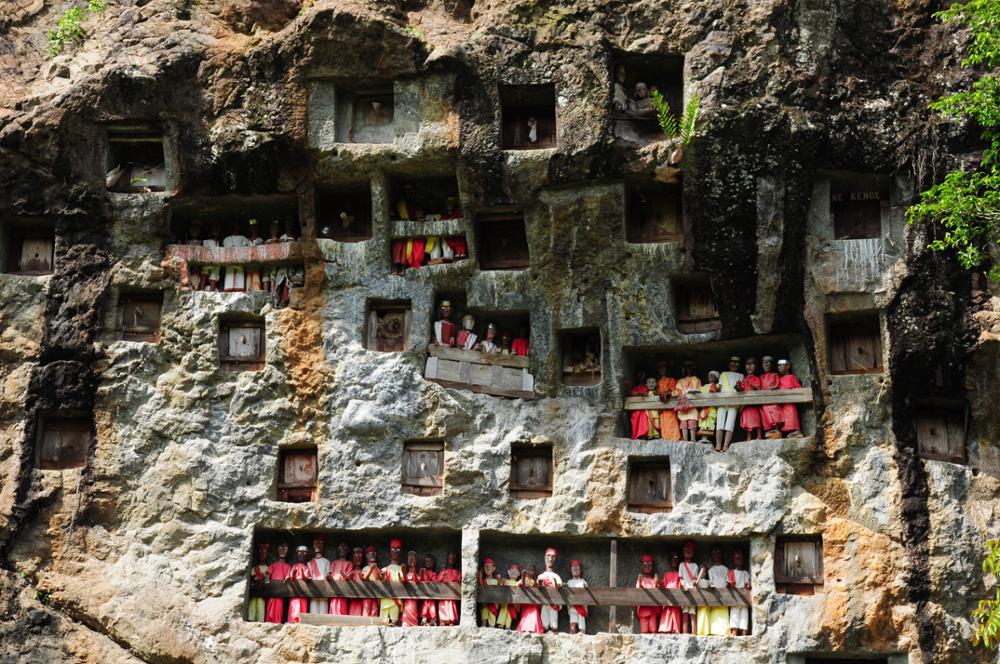
An official funeral may take place long after death, as it is necessary to accumulate great wealth (particularly in sacrificial animals) to honor the memory of the deceased. The unique characteristic of the Toraja is burial in tombs carved into cliffs, with balconies where wooden effigies of the deceased are placed. Each vault houses members of the same family. The tau-tau (a word derived from tau or to, "person"), wooden effigies, are placed in niches beside the tombs. Carved in the image of the deceased, they honor their memory. Thus the living can contemplate the dead and vice versa.
Funeral celebrations often gather several thousand people. Mortuary rituals involve numerous buffalo sacrifices. The Torajas believe that buffalo accompany the deceased to the land of the dead. To help them maintain their status in the afterlife, the greatest number are sacrificed, a sign of prestige. In light of funeral rites, myths and beliefs, the veneration of the dead in Toraja country is extremely complex and fascinating. It is also worth noting the magnificent traditions of community dances and songs during ceremonies.
The Toraja Economy
The Toraja economy is primarily agricultural (rice, cassava, and maize) as well as livestock, but this region is also where an excellent coffee grows, celebrated worldwide. Finally, since the 1980s, tourism has become an important source of income.