Padang
Padang
Capital of West Sumatra, Padang captivates with its Dutch colonial heritage, its globally celebrated rendang, and gateway access to the Mentawai Islands and Minangkabau highlands.
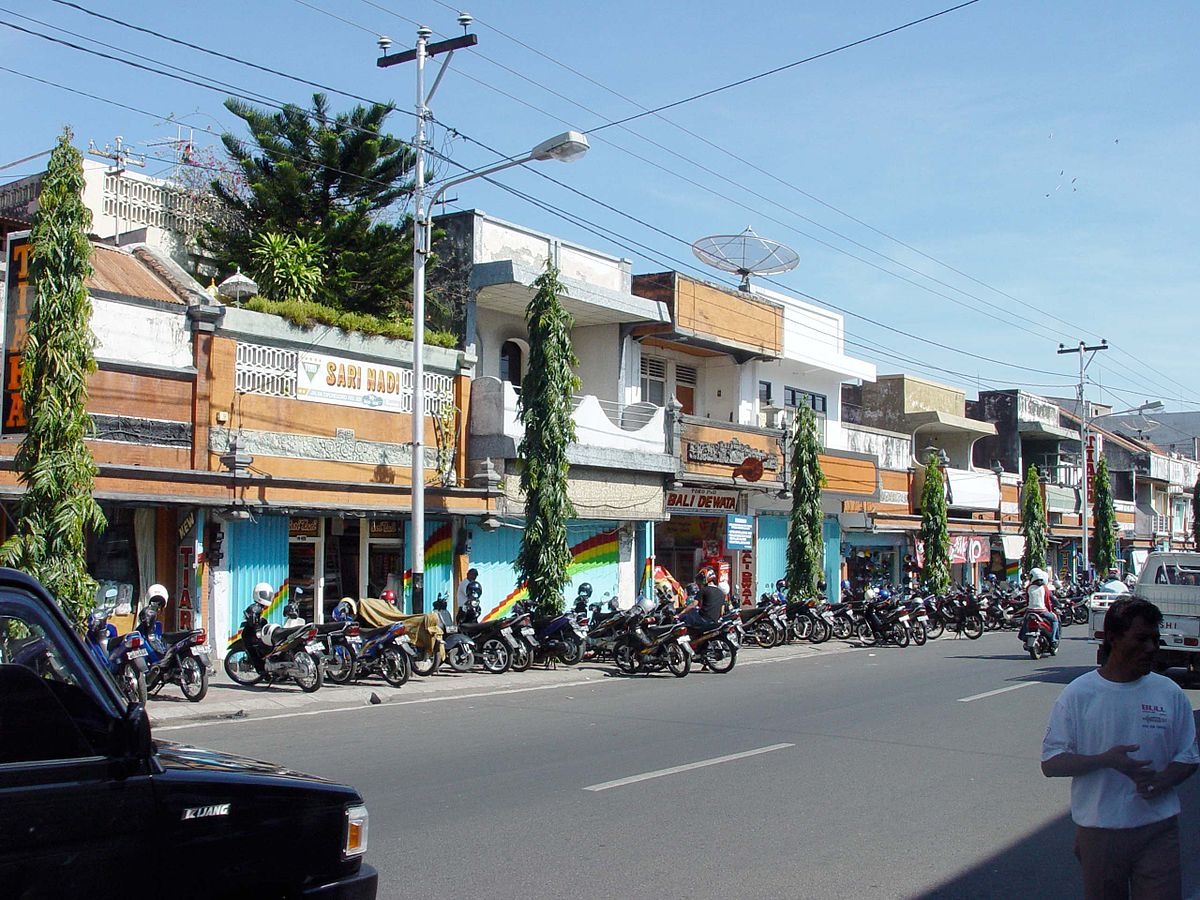
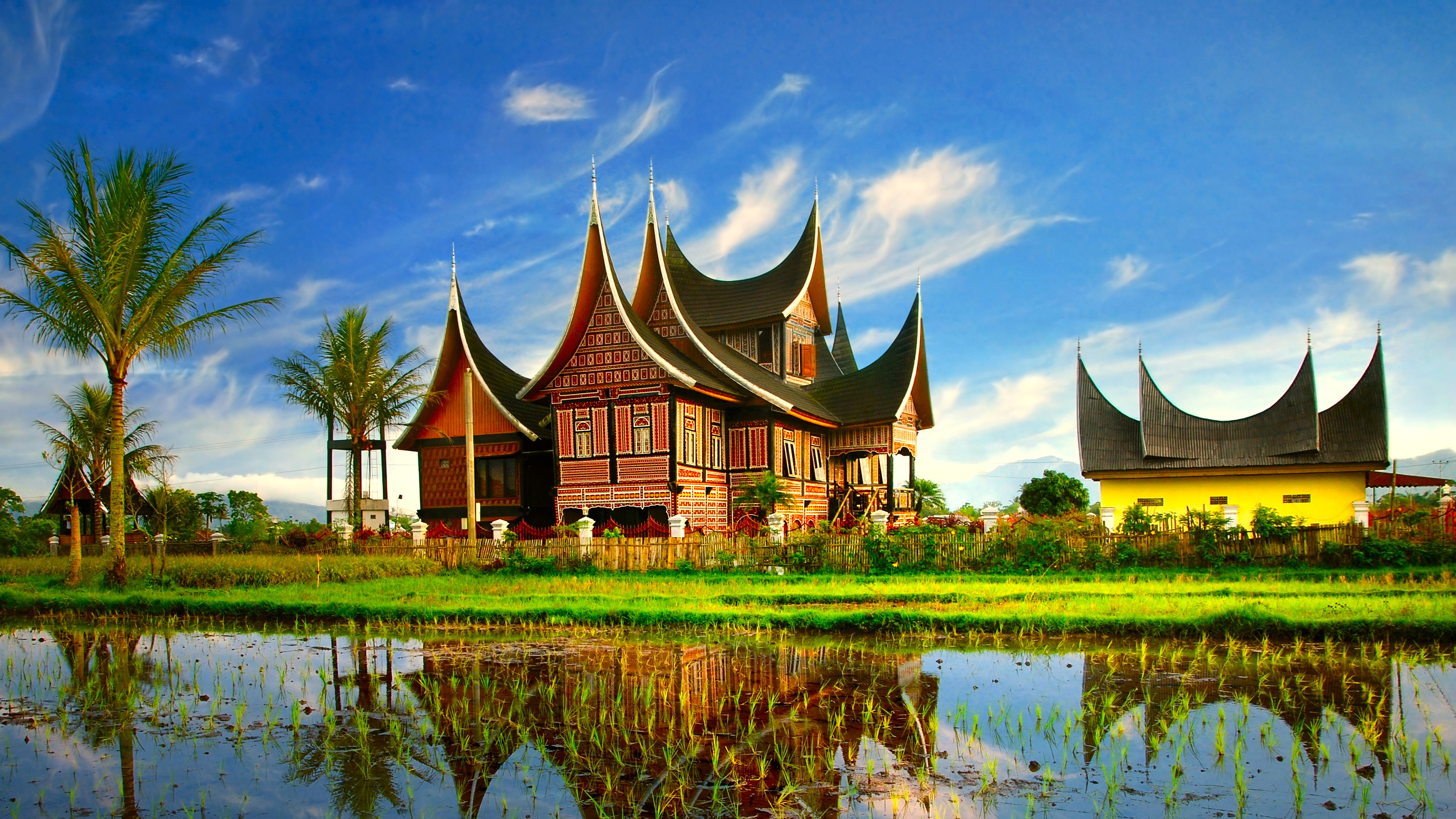
Capital of Indonesia's western Sumatra province, Padang ranks among the nation's most significant port cities. It has earned recognition as "Indonesia's most beautiful city" on two occasions, thanks to its immaculate streets and thriving urban character. Celebrated equally for its historic Dutch quarter with rich architectural treasures, stunning palm-fringed beaches, and exceptional regional cuisine, Padang makes for a delightful stop on any Indonesian journey.
History
Padang's story stretches back to the 15th century, when it was merely a small fishing village with a sparse population. Yet its strategic position along key trade routes made it a prize coveted by Sumatra's two most powerful kingdoms: the Minangkabau realm and the Aceh kingdom. It was Aceh that ultimately brought Padang into its commercial sphere, as the rival Minangkabau ruler deemed the modest settlement too insignificant for his kingdom's expansion.
However, the arrival of the Dutch in the 16th century transformed this humble fishing village into a thriving port city. August 7, 1669, is recognized as the official founding date of Padang—a date also marked by a popular uprising against the Dutch monopoly on commerce. The Netherlands had exclusive control over gold, tea, coffee, and spice trade. Notably, it was under Dutch occupation that Padang flourished as a major commercial hub with vastly expanded territories.
In 1781, Great Britain seized control of the city following military clashes with the Dutch. Years later, in 1793, French pirates attacked and plundered Padang before the British reclaimed it in 1795. By the mid-18th century, under the Treaty of London (March 17, 1824), Padang returned to Dutch rule through an agreement with Britain.
In 1833, Padang was struck by a devastating earthquake measuring 8.9 on the Richter scale, followed by a tsunami that inflicted severe damage on the city. Seized by panic, the Dutch abandoned Padang, which subsequently became the administrative center for the western Sumatra region. Despite Indonesia's independence proclamation on August 17, 1945, Padang remained under Allied occupation for 15 months. It wasn't until March 9, 1950, that the city was returned to the Indonesian Republic.
Today
Padang serves as both the capital of West Sumatra Province and the largest city on Sumatra's western coast. It functions as a vital economic hub, boasting the highest per-capita income in this region of the island. Padang also hosts the province's greatest concentration of higher education institutions and healthcare facilities.
Padang is recognized as Indonesia's most beautiful municipality. It earned this distinction twice, celebrated for its pristine streets. The city equally renowned for its stunning beaches fringed with coconut palms, architectural masterpieces in the historic Dutch quarter, and refined regional cuisine. Add to this numerous cultural attractions including the Muhammadan Mosque, the Aditya Warman Museum, the Chinese quarter with its vividly colored temples.
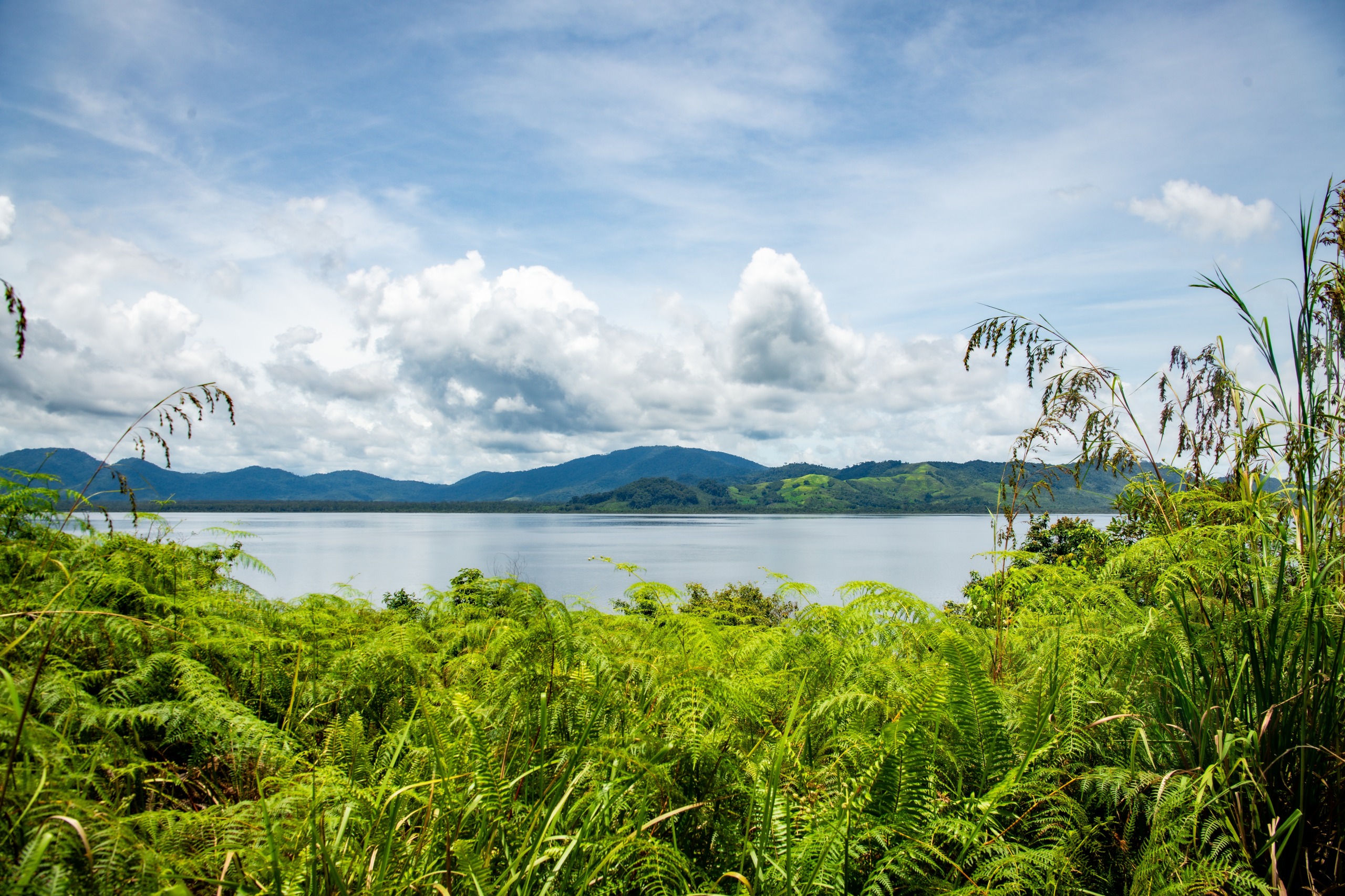
Padang also serves as an ideal gateway for those venturing into the Minangkabau highlands, seeking the region's finest beaches such as Tiku or the Painan Bay, or eager to explore the Mentawai Islands and their legendary surf breaks.
Climate
Padang enjoys an equatorial climate with an average temperature of 26.8°C. The ideal time to visit falls between April and August. Rainfall typically begins in October and intensifies during December and January.
Padang has an airport connecting it to major cities across Sumatra, as well as to Jakarta, the country's capital, and other destinations including Malaysia and Singapore.
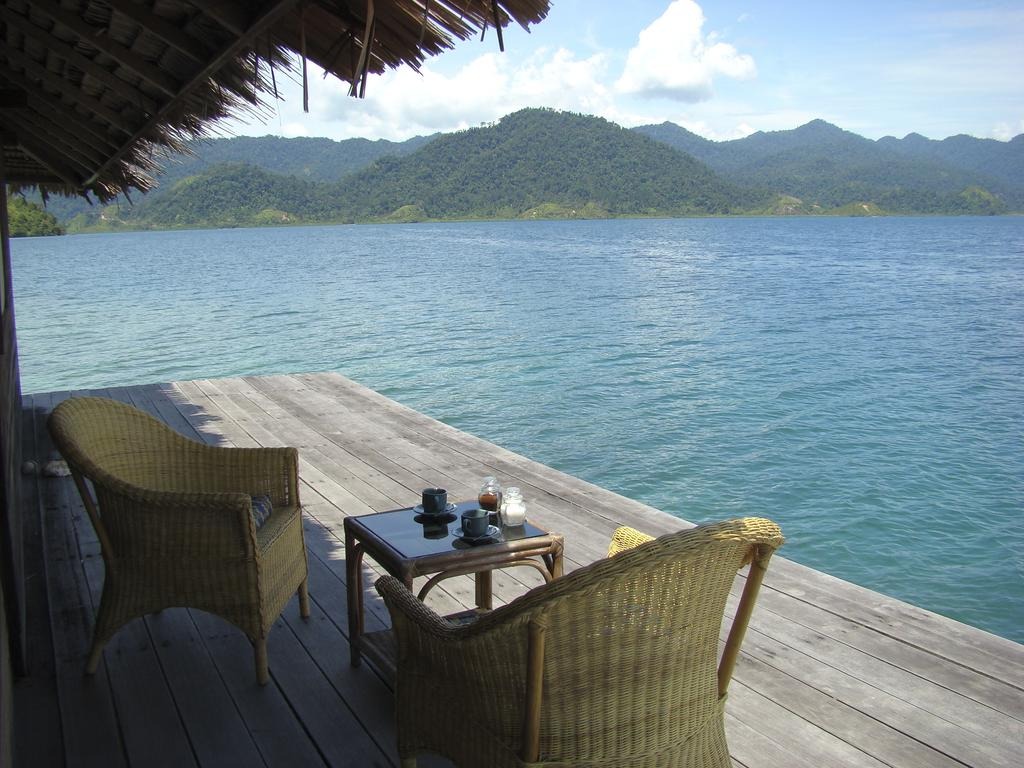
Accommodation in Padang
Want to discover this destination?
Our local advisors design your tailor-made trip.