Putussibau
Putussibau
Nestled along the Kapuas River, Putussibau opens the door to two major national parks in Borneo and the longhouses of the Dayak people in West Kalimantan.
Seeking a breathtaking wilderness destination for your Indonésie journey? Visit Putussibau, a city in the Kalimantan Barat (West Kalimantan) province on the island of Borneo. Come and encounter the Dayak people and witness their iconic longhouses. Explore Danau Sentarum National Park and its extraordinary biodiversity. Spot orangutans and proboscis monkeys. The region promises remarkable discoveries for ecotourism enthusiasts.
History
Putussibau spreads across the banks of the Kapuas River, Indonésie's longest watercourse. Originally, the area surrounding the Kapuas source was inhabited by the Taman Dayaks, a sub-group of the Dayak people, who are indigenous to the island of Borneo. Around the 7th and 8th centuries, a nobleman from the Kutai kingdom established a Hindu kingdom at the site of present-day Selimbau village. It later expanded to cover a fifth of present-day West Kalimantan by the 19th century. Selimbau's territories encompassed modern-day Putussibau, which subsequently saw the arrival of many Kayan Dayaks.
In 1823, Dutch authorities signed a treaty with Selimbau, transferring its sovereignty to them. The Dutch then progressively took control of the kingdom, leading to its official annexation in 1925.
By the late 19th century, Putussibau was an isolated village, threatened by headhunting. The colonial government established a post there in 1895 to administer the region and eradicate the headhunting tradition.
Following Japanese occupation and Indonésie's independence, Putussibau became part of the West Kalimantan province. The Kapuas Hulu Regency was created in 1953, with Putussibau as its capital.
Putussibau Today
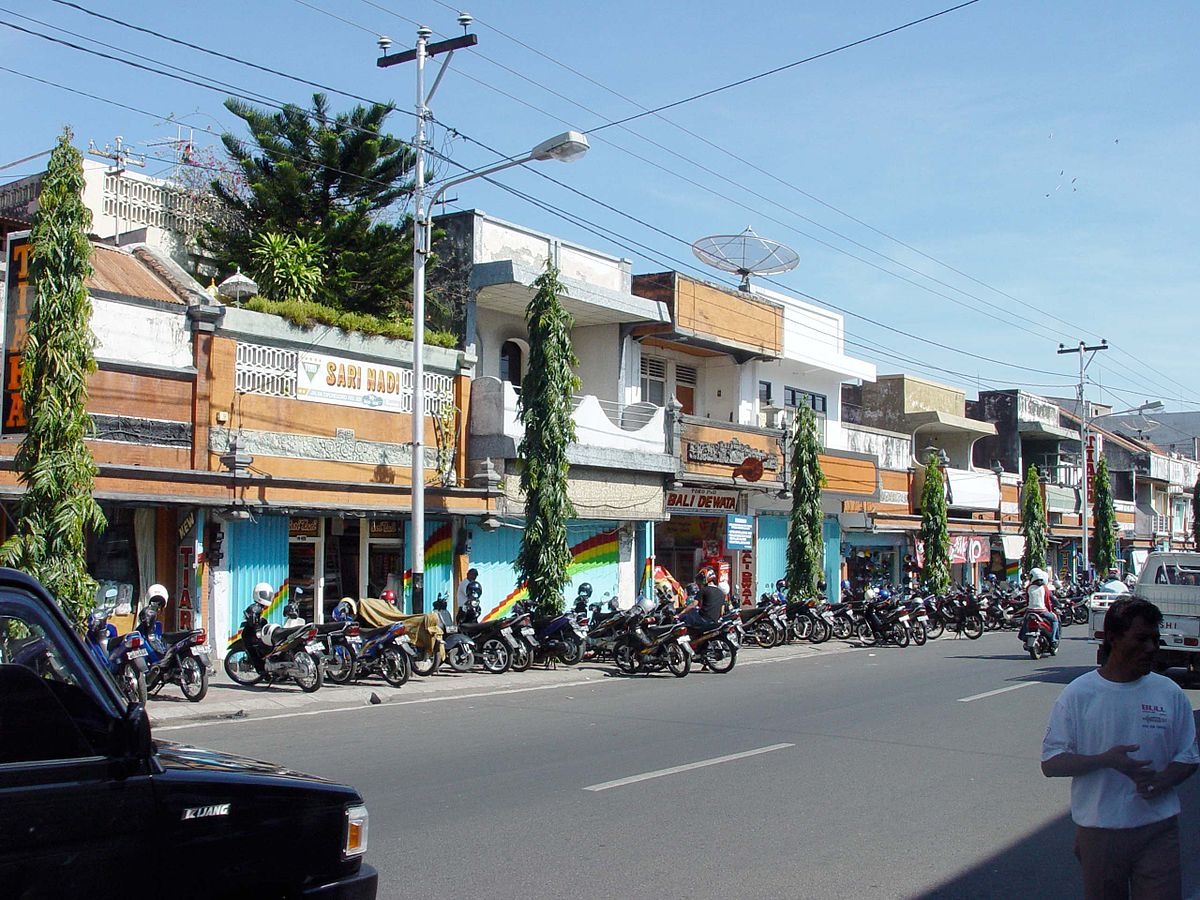
Putussibau ranks among the least populated areas on the island of Borneo. The Putussibau district, spanning 5,204.8 square kilometers, is home to only 26,500 residents (2020 census). It's also an underexplored destination for tourists. Yet the city lies close to impressive attractions such as Danau Sentarum and Betung Kerihun national parks. It stands as a premier ecotourism destination in the region.
What to Do in Putussibau?
Discover Dayak Culture
Explore Dayak culture by visiting villages surrounding Putussibau. The Dayak are renowned for their longhouses, which can stretch over 100 meters and are designed to shelter entire families. These structures also serve as ritual spaces. Once widespread, most of these dwellings were built along the Kapuas River, a vital water source and lifeline for locals, as well as a gateway to the outside world.
Take time to appreciate the traditional craftsmanship of this people, including rattan work, textiles, and wooden sculptures often adorned with symbolic patterns deeply rooted in their history and spirituality.
Explore Danau Sentarum National Park
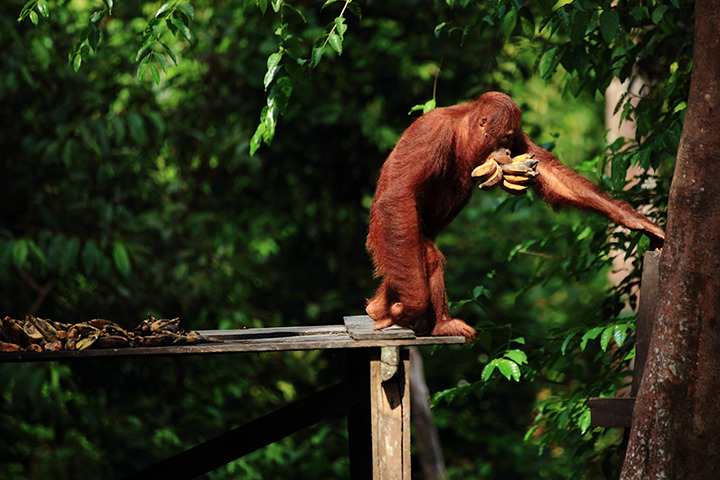
Danau Sentarum National Park hosts one of the world's most biodiverse lake systems. It encompasses 20 seasonal lakes surrounded by swamp forests. This is a destination that will captivate nature lovers. Approximately 240 fish species, including the Asian arowana, and 237 bird species, including the Storm's Stork, inhabit these waters. You can observe unique mammals such as the Proboscis Monkey and Bornean orangutan, an endangered species. Its faunal richness, the natural beauty of its lakes, and the chance to discover the culture of Malay fishermen make this park an essential destination for ecotourism.
Visit Betung Kerihun National Park
Betung Kerihun National Park covers 8,000 km² of montane tropical forests and lowlands. This spectacular site unfolds varied landscapes, with elevations ranging from 150 to 1,800 meters. Like Danau Sentarum National Park, it's celebrated for its rich biodiversity. During your exploration, you may encounter some of the 300 bird species, 162 fish species, and 54 mammal species sheltering here. The Bornean orangutan is also present. A botany enthusiast? Discover the park's 97 orchid species and 49 palm species as well.
When to Visit Putussibau?
Putussibau experiences an equatorial climate. The dry season, spanning June to September, is the ideal time to explore the region. Heavy rains during the wet season can make travel challenging.
Putussibau is accessible by air from Pontianak, which you can reach from other cities in Indonésie. Car travel is also possible. Keep in mind, however, that the journey takes more than 11 hours.
Want to discover this destination?
Our local advisors design your tailor-made trip.