Nias Island
Nias Island
Nias, a pristine island off Sumatra's coast: world-class surfing, stilt-built Ono Niha villages, megaliths and fahombo stone jumping. Another side of Indonésie waiting to be explored.
Well-known among surfing enthusiasts, the island of Nias remains a privileged destination for those seeking thrilling adventures or a true escape from the everyday. Still largely undiscovered, Nias has remained untouched by mass tourism and offers a journey filled with cultural and natural discoveries. If you love world-class waves, rice paddies, traditional villages, jungle and waterfalls, then this island is made for you!
Geography of Nias
Located 125 km off the west coast of Sumatra, it is the largest island connected to it. They are separated by the Mentawai Strait. Spanning 5,625 km², Nias is divided into four administrative departments known as kabupaten. Approximately 757,000 inhabitants live on the island, with Gunungsitoli and Teluk Dalam serving as its main cities.
The 131 Indonesian islands connected to Sumatra are mostly located in a subduction zone forming the mountain chain that runs across Indonésie all the way to the Lesser Sunda Islands. Like the rest of the Indonesian archipelago, Nias is therefore susceptible to natural disasters. Local residents suffered significantly from the earthquakes in December 2004 and March 2005, which caused extensive damage and loss of life.
Subject to a tropical climate, Nias's landscapes are predominantly characterized by jungle, hills and beaches. Much of the island's land is cultivated by the local population. Since the island remains economically disadvantaged, the local economy relies heavily on agriculture (rice, coconut, and other crops).
Traditions and Customs of Nias's People
The inhabitants are predominantly of Malay, Chinese and Batak origin. The arrival of the Ono Niha, the island's indigenous people, remains shrouded in mystery among researchers. On Nias, locals speak niha, a language with Sumatran and Austronesian roots. Very little is known about the past of this people, which remains an enigma.
A large portion of the population adheres to Christian faith, whether Catholic or Protestant. There are also Muslims on the island, and animistic beliefs of local populations remain deeply woven into local customs.
Before being colonized by the Dutch, the island served as an anchor point for the slave trade of merchants from Aceh. Slavery was not abolished until the 20th century. The arrival of colonists brought drastic changes to the islanders' way of life. They were forced to abandon their traditions and customs in favor of Christianity.
The Ono Niha are also renowned as former headhunters. Their societal structure is governed by a caste system. Historically, men could climb the social ladder by bringing a significant number of heads back to the village. They could also organize ceremonies and rituals to earn a more positive standing among other inhabitants.
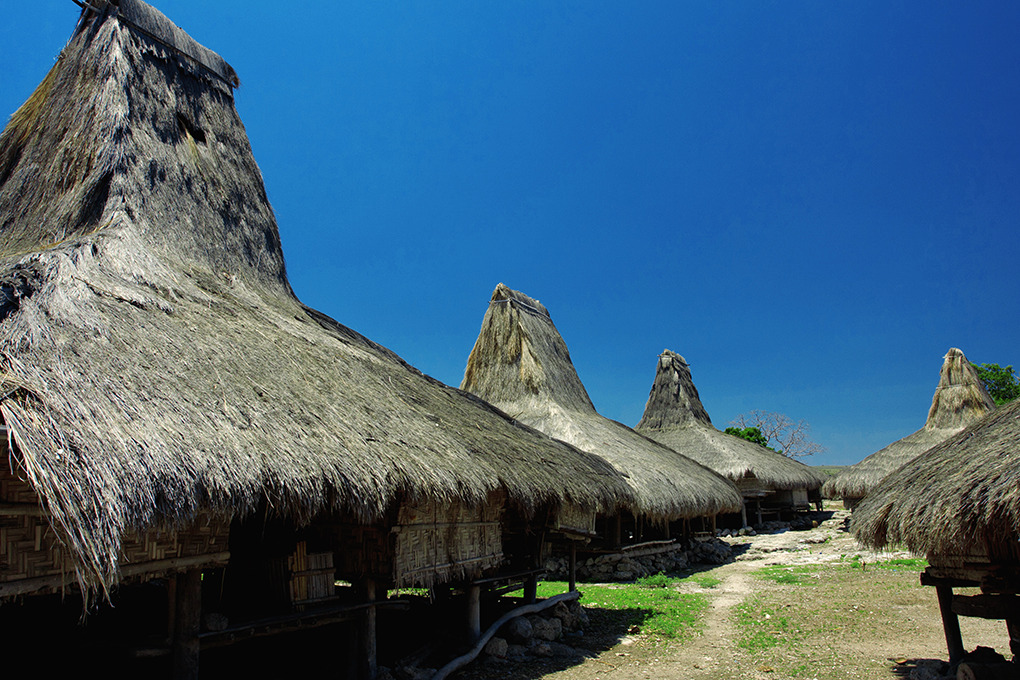
In the south of the island, it is possible to visit small villages to admire the architecture of traditional stilt houses. Visitors come particularly to observe the stone sculptures and famous megaliths of Nias. Serving as religious symbols or representations of social status, they are also erected to mark important moments in the lives of residents (birth, coming of age, marriage, etc.).
Nias is equally famous for its obstacle jumping spectacles. A stone wall erected in the center of villages serves as the stage for young men who challenge one another above it through warrior dances. These stone columns can reach several meters in height. Formerly, this was training to prepare warriors for future combat. Today, young men participate in this activity to preserve their culture and entertain visitors.
What to Do on the Island?
Beyond the traditions and rituals of its inhabitants, Nias is highly renowned throughout Indonésie for its surf breaks. Each year, the island hosts international surf competitions from June to August. Today, most tourists visit Nias to surf, with the best season running between May and September. Head to the south of the island at Lagudri Bay, or to the west in the Hinako Islands! In the north, Afulu is also celebrated for its waves.
The clarity of the water also makes the coasts ideal for snorkeling and sailing. Indeed, Nias is home to rich and abundant marine life. It's also possible to take cycling tours across the island's interior. With few vehicles on the roads, exploring the surroundings via small paths through rice paddies offers an authentic way to discover the island deeply!
Currently, there is only one airport on Nias, located in Gunungsitoli. Domestic airlines offer daily flights from Medan, the capital of Sumatra. The journey takes approximately one hour.
Alternatively, you can take a ferry from Sibolga or Singkill to the kabupaten capital. We recommend flying, as it offers far greater comfort. Boats are often crowded and the crossing can be arduous. Ferries travel at night, and it's strongly recommended to purchase your tickets a few hours before departure. Departure is typically scheduled for 8 PM but is frequently delayed. Journeys last between seven and ten hours, with prices varying depending on your departure point—tickets are more expensive from Sibolga.
Given the limited development of tourism, Nias remains a poorly equipped island in terms of hospitality infrastructure. However, you can find affordable beachfront cabins called losmen. Most are located near the island's most popular surf breaks.
Want to discover this destination?
Our local advisors design your tailor-made trip.