Pulaki Temple
Pulaki Temple
A seaside temple in northwest Bali founded in the late 15th century, Pura Pulaki stands at the heart of the Pesanakan complex, renowned for its sacred monkeys.
Pura Pulaki is a seaside temple in northwest Bali, located in Buleleng Regency, near the village of Banyupoh. It belongs to a chain of coastal temples believed to spiritually protect the island and forms the central element of the Pesanakan complex, which brings together several neighboring sanctuaries. Built on a hillside facing the sea, it stands out for its austere architecture, colonies of monkeys considered sacred, and its place in a history that intertwines maritime trade, Balinese Hinduism, and prehistoric human presence.
Why visit Pura Pulaki
- A seaside temple less crowded than its southern counterparts (Tanah Lot, Uluwatu), allowing you to observe Balinese rituals in a more local atmosphere.
- A historically rich site, founded according to tradition in the late 15th century by Javanese priest Dang Hyang Nirartha.
- Clear views over the Bali Sea, with the temple perched on a hill approximately 25 meters above the shoreline.
- A logical stop on the route between Lovina and Bali Barat National Park, in a part of the island that remains rural.
History
Human occupation of the site is ancient: stone tools discovered nearby in 1987 bear witness to presence dating back to prehistory. Before the 14th century, the area welcomed traders who traveled maritime routes connecting Java to the Moluccas, with Pulaki serving as a waypoint for spice and merchandise traffic.
The religious history of the place shifted in the late 15th century with the arrival of Dang Hyang Nirartha, a Hindu priest from the Majapahit kingdom in Java after that empire's gradual collapse. He introduced Shaivism to Bali and founded several coastal temples, including Pura Pulaki, whose founding is estimated at 1489. Local legend recounts that macaques guided Nirartha to the present site, explaining the sacred status accorded to the site's monkeys.
The temple then passed through a long period of obscurity. In 1920, a Chinese merchant leased the region from the Dutch colonial government. It was not until 1950, after Indonesian independence, that the Indonesian government reclaimed control of the site and began its restoration, restoring Pura Pulaki to its role as a regional religious center.
What to see
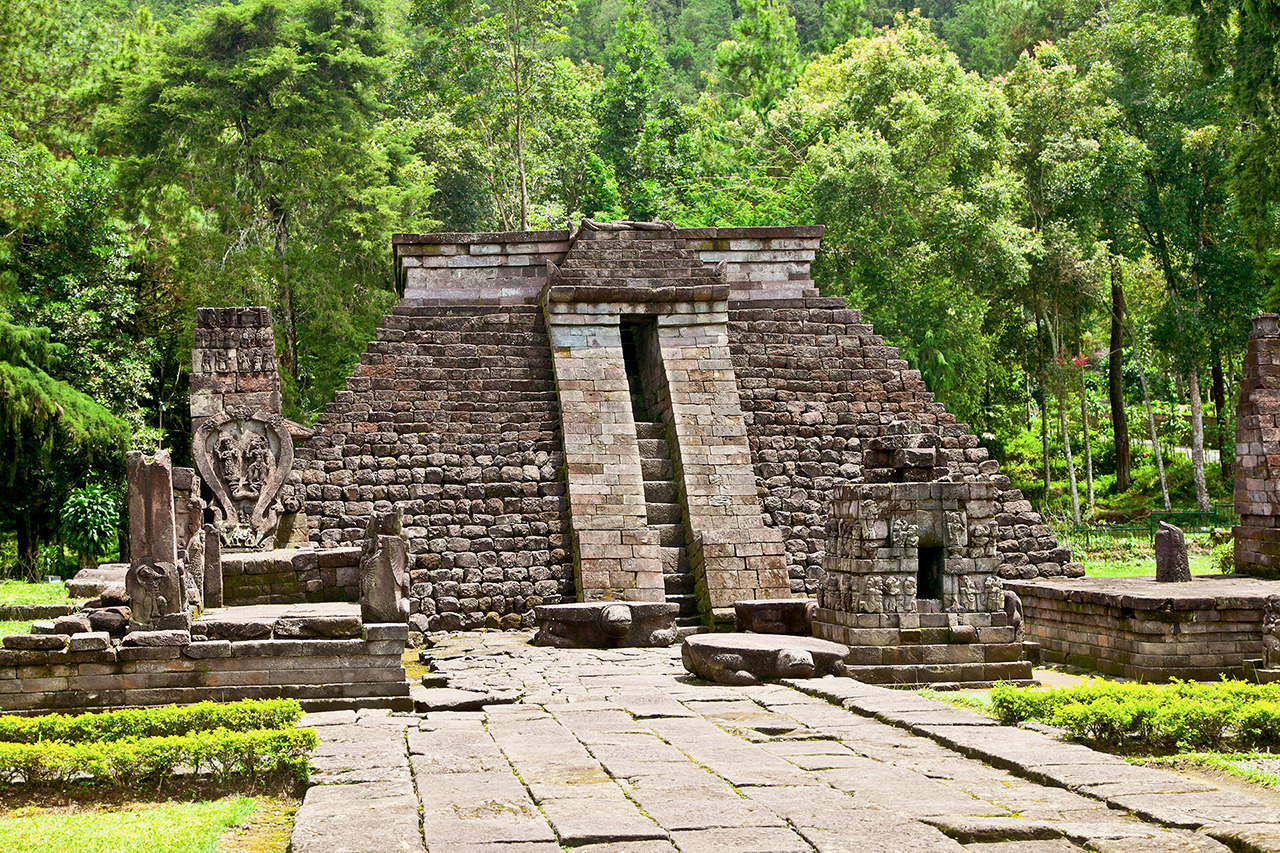
Like all Balinese temples, Pura Pulaki is organized into three successive enclosures: jaba pisan (nistaning mandala, outer sanctuary), jaba tengah (madya mandala, central sanctuary) and jero (utamaning mandala, main sanctuary reserved for the faithful). The ensemble is characterized by austere architecture, with geometric reliefs and tiered roofs typical of Balinese Hindu sanctuaries.
The Pesanakan complex, of which Pura Pulaki is the main element, comprises several satellite sanctuaries:
- Pura Pemuteran, 1 km to the west, renowned for its hot springs.
- Pura Kawat, approximately 2 km to the southeast.
- Pura Pabean, 400 meters to the northeast, linked to the site's historical commercial function.
The temple is also known for its monkey colonies, which roam freely in the outer enclosures. Considered sacred, they are fed by visitors and the faithful. Barriers have been installed to protect sensitive areas. It's best to keep glasses, phones, and bags out of reach: these animals are quick and opportunistic.
Practical Information
Wearing a sarong and sash is mandatory at the entrance. You can rent them on site if you don't have any. Entry fees remain modest, typically a few tens of thousands of rupiah, and a donation is generally requested.
Attire should be appropriate (shoulders covered). During ceremonies, certain inner areas are reserved for the faithful: you should not cross marked areas and should ask before photographing worshippers.
When to visit
The dry season, from May to October, remains the most comfortable period: the northwest coast of Bali is one of the island's driest regions, and roads are more passable than during the rainy season (November to March), when brief but intense showers can occur.
To observe the temple during active worship, aim for ceremony days. Odalan (temple anniversaries) follow the Balinese pawukon calendar of 210 days and feature processions, chanting, and offerings. Full moons (purnama) and new moons (tilem) also attract many faithful.
How to get there
Pura Pulaki is not served by public transport and remains accessible by car or scooter. From Denpasar, allow approximately 3 hours of driving via the island's center. From Lovina, the journey is considerably shorter (45 minutes to 1 hour). The western route, which skirts Bali Barat National Park, is longer but allows you to combine the visit with trekking or snorkeling in Pemuteran.
Nearby
The region offers several natural extensions to your visit:
- The hot springs and coral reef of Pemuteran, 1 km away.
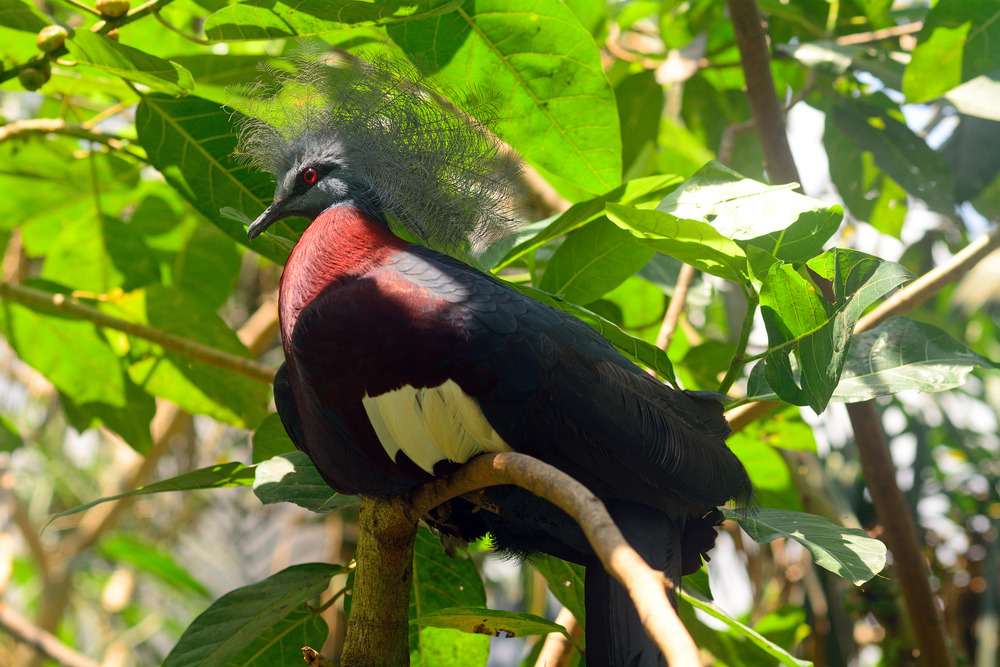
- Bali Barat National Park, home to the rare Bali starling.
- The island of Menjangan, accessible by boat, renowned for diving.
- The Bali Botanical Garden, in Bedugul, on the return route toward the island's center.
Travelers extending their itinerary toward the east of the archipelago can also consider Komodo Island or Rinca Island, accessible from Bali by domestic flight to Labuan Bajo.
Frequently asked questions
Frequently asked questions
Yes. Wearing a sarong and a sash tied at the waist is mandatory, as in all Balinese Hindu temples. Rental is generally available at the entrance.
They are not aggressive but opportunistic. Avoid hand-feeding them, keep your glasses, phone, and bags held close, and do not approach them if traveling with young children.
Allow 45 minutes to 1 hour for the temple alone, and half a day if you combine Pura Pulaki with Pemuteran and another sanctuary in the Pesanakan complex.
Yes, provided you respect the faithful: appropriate dress, no entry into inner areas reserved for worshippers, discreet photography. It is the best time to grasp the ritual use of the place.
It is possible but long: approximately 3 hours of driving from Denpasar or Kuta in each direction. It's better to incorporate the temple into a multi-day itinerary in the northwest, staying in Lovina or Pemuteran.
Plan your trip
Pura Pulaki fits naturally into an itinerary that combines the north and west of Bali, still preserved from mass tourism. To build a coherent stay around temples, national parks, and neighboring islands, consult our Indonésie travel suggestions.
Interested in this visit?
We can include it in your personalised itinerary.