Top 5 Nature Activities in Borneo
Borneo is one of the world's largest islands. Three states share it: Malaysia (Sabah and Sarawak), the Sultanate of Brunei, and Indonesia (Kalimantan). From lush forests to stunning diving spots
Borneo is one of the world's largest islands. Three states share it: Malaysia (Sabah and Sarawak), the Sultanate of Brunei, and Indonesia (Kalimantan). From lush forests to spectacular diving spots, Borneo island harbors incredible biodiversity, making possible countless nature activities, whether in a group or solo. If you're planning to explore this legendary island, here's our top 5 adventure destinations in Borneo!
5/ Scuba Diving at Sipadan and Derawan

Derawan Archipelago © Sony Herdiana
Like most Indonesian islands, Borneo offers numerous diving spots, perfect for snorkeling and encountering local aquatic wildlife! The main diving sites are located at Sipadan (Redang Island and Tunku Abdul Rahman Marine Park) and Derawan (Sangalaki, Kakaban, and Maratua). In their waters, you'll find Manta rays, brilliantly colored corals, pygmy seahorses, leafy sea dragons, and frogfish. A truly unforgettable visual feast!
4/ Canoeing on the Wetland Lake of Sentarum
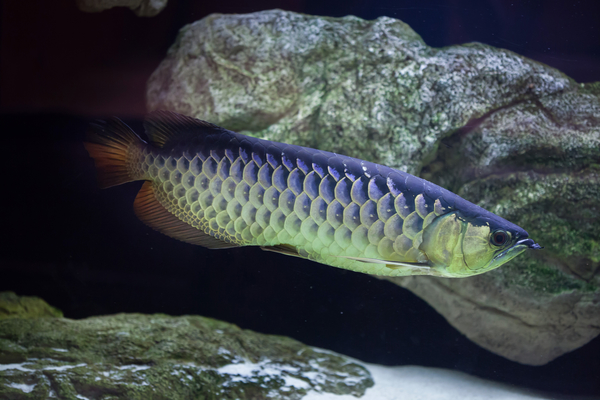
An Asian arowana © Vladimir Wrangel Shutterstock
Little-known among foreign visitors, Lake Sentarum is situated in West Kalimantan, the western part of Borneo. It offers magnificent landscapes and rich, surprising biodiversity. It's the perfect place to admire the island's fauna and flora. Composed of several basins, the lake stretches across 1,320 km2. A true sanctuary for wildlife, the reserve hosts numerous fish species such as the Asian arowana. You'll also find primates like the proboscis monkeys and orangutans, as well as reptiles like saltwater crocodiles. Those seeking to immerse themselves in nature and observe Indonesia's animal kingdom will not be disappointed by this experience.
3/ Rock Art Discovery in the Caves of East Kalimantan
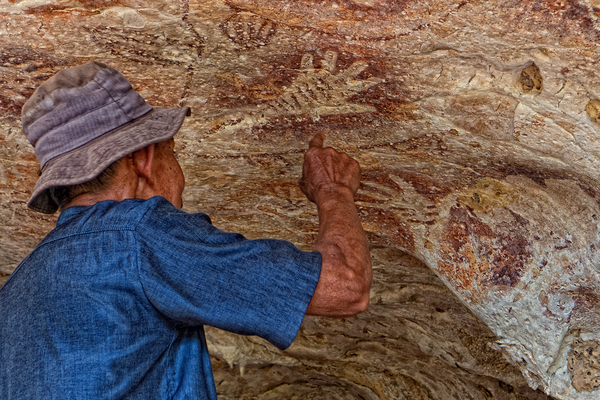
Rock paintings in the caves of East Kalimantan © Dominique Clarisse
Furthermore, the caves of East Kalimantan are seldom visited by tourists because they remain little-known. Veritable archaeological treasures, they bear witness to the rock art of Borneo's ancient aboriginal peoples. In 1994, researchers and explorers studying these caves discovered a series of hand stencil paintings, flying lizards, and other symbolic motifs. In Indonesia, at that time, only the existence of the rock caves of Sulawesi was known. Archaeology and speleology enthusiasts will be delighted to discover these places still unknown to the general public.
2/ Orangutans of Tanjung Puting National Park

Orangutan of Tanjung Puting National Park © Dominique Clarisse
Most tourists begin their circuit in Borneo at Tanjung Puting National Park to encounter orangutans, one of the world's most endangered primate species. To observe them, head to the reserve's rehabilitation center. There, rangers and primatologists collaborate to ensure their well-being and development, with the goal of protecting them from poaching and deforestation. In the end, it's a pleasant moment of awareness and observation for anyone who loves nature and orangutans!
1/ Navigating the Mahakam River and Meeting the Last True Dayak
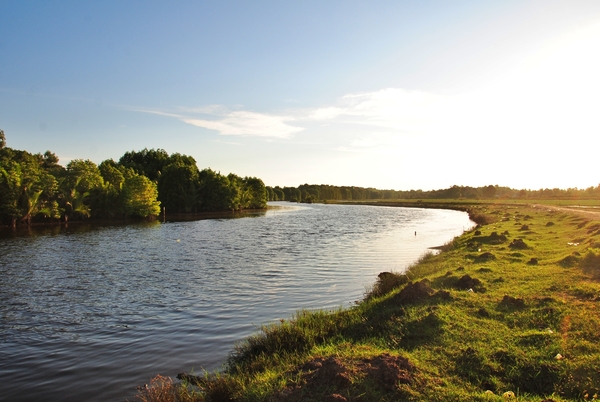
Mahakam River © Sufri Sarudin
Finally, nothing compares to the experience of navigating the Mahakam River, which leads straight into Dayak country. The latter, famous for being former headhunters, live primarily in the Indonesian and Malaysian parts of Borneo. The best-known are the Iban of Sarawak and the Ngaju of Kalimantan. Today, agriculture and blowgun hunting constitute their main livelihoods. Deeply attached to their cultural heritage, these ethnic groups fiercely preserve their traditions, as illustrated by the distinctive architecture of their dwellings. Built with elongated bamboo, Dayak houses can reach 100 meters long by 15 meters wide and can accommodate ten to twenty families. Visitors seeking immersion in another culture will find a complete change of scenery in Dayak territory!