What are the must-see volcanoes of Java?
The island of Java is a premier destination for trekkers and lovers of volcanic landscapes...Fumaroles, night hiking, blue flames, sunrise and sulfur lake: discover all the wonders of Java's volcanoes!
The island of Indonésie is a premier destination for trekkers and lovers of volcanic landscapes... Fumaroles, night hiking, blue flames, sunrise and sulfur lake : discover all the wonders of Java's volcanoes !
Merapi (or Java's most active volcano)
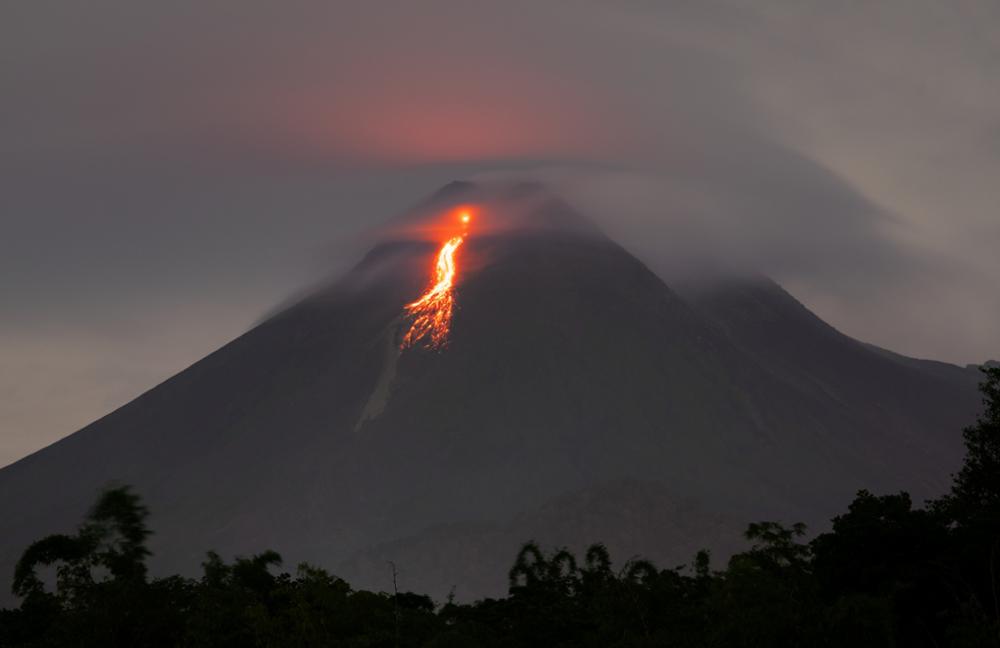
North of the city of Yogyakarta stands the volcano Merapi. Rising to 2,900 meters above sea level, it is the most active crater in Indonésie, with nearly 50 explosive eruptions between 1548 and 2010!
Known for its steep slopes, this volcano requires good physical fitness – especially towards the end of the trek, when the path gives way to scree. Plan for around 4 hours of hiking from the village of Selo (and 3 hours of descent).
During your ascent, you can admire tropical vegetation, rice paddies and bare rock. Our tip? Set out for your trek between midnight and 1 a.m. to enjoy a spectacular sunrise!
|
Practical information Difficulty : challenging Note : avoid the two monsoon periods (June-September and December-March) due to lahars – mudflows of volcanic origin. Entrance fee : free |
Mount Bromo
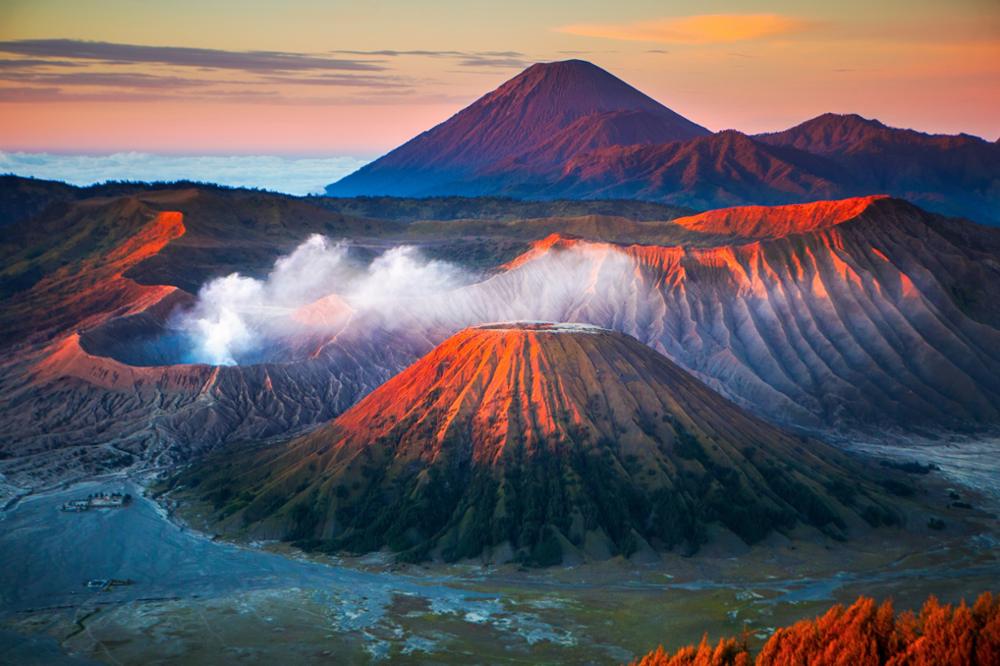
Located southeast of Surabaya, Mount Bromo rises to 2,329 meters above sea level at the heart of the Tengger Caldera. Revered as a deity since the 15th century, the volcano receives annual offerings (animals, agricultural products, etc.) from members of the Tengger ethnic group during the Yadnya Kasada ceremony.
Without technical difficulty, Mount Bromo is accessible to all trekkers. However, volcanic dust and sulfur emissions often envelop the trail in white smoke. Be sure to bring a mask or scarf to help you complete the ascent.
Before starting your trek, plan for 1 hour of hiking from the small village of Cemoro Lawang, or opt for a jeep ride. To avoid crowds and engine noise, start early in the morning (around 3 a.m.).
|
Practical information Difficulty : easy Entrance fee : to see the volcano up close and access its famous sea of sand, you must pay an entrance fee (around €14). The rest of the park is free. |
Kawah Ijen volcano
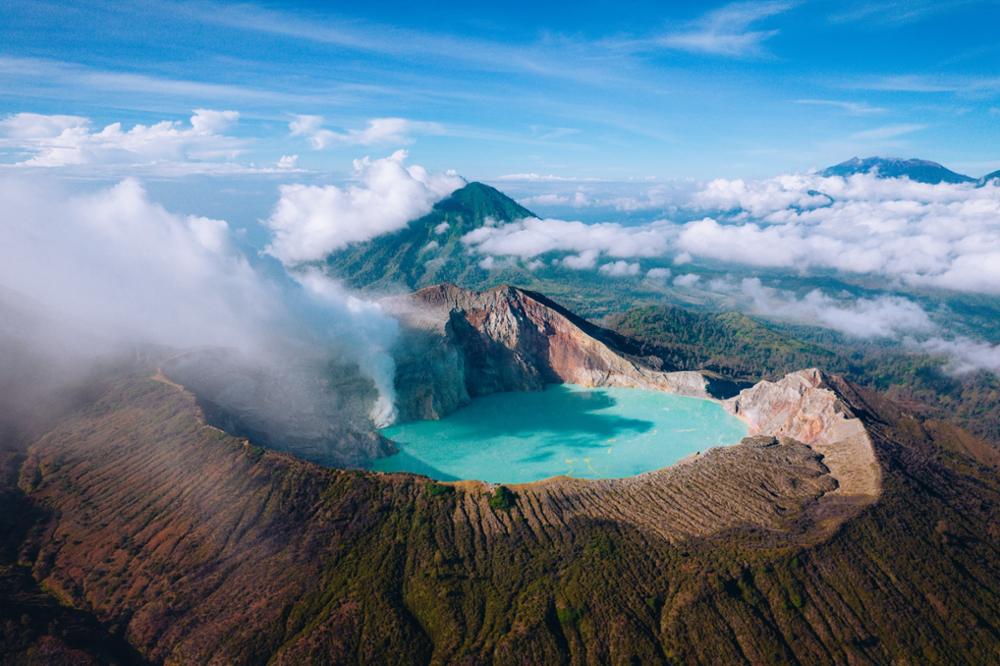
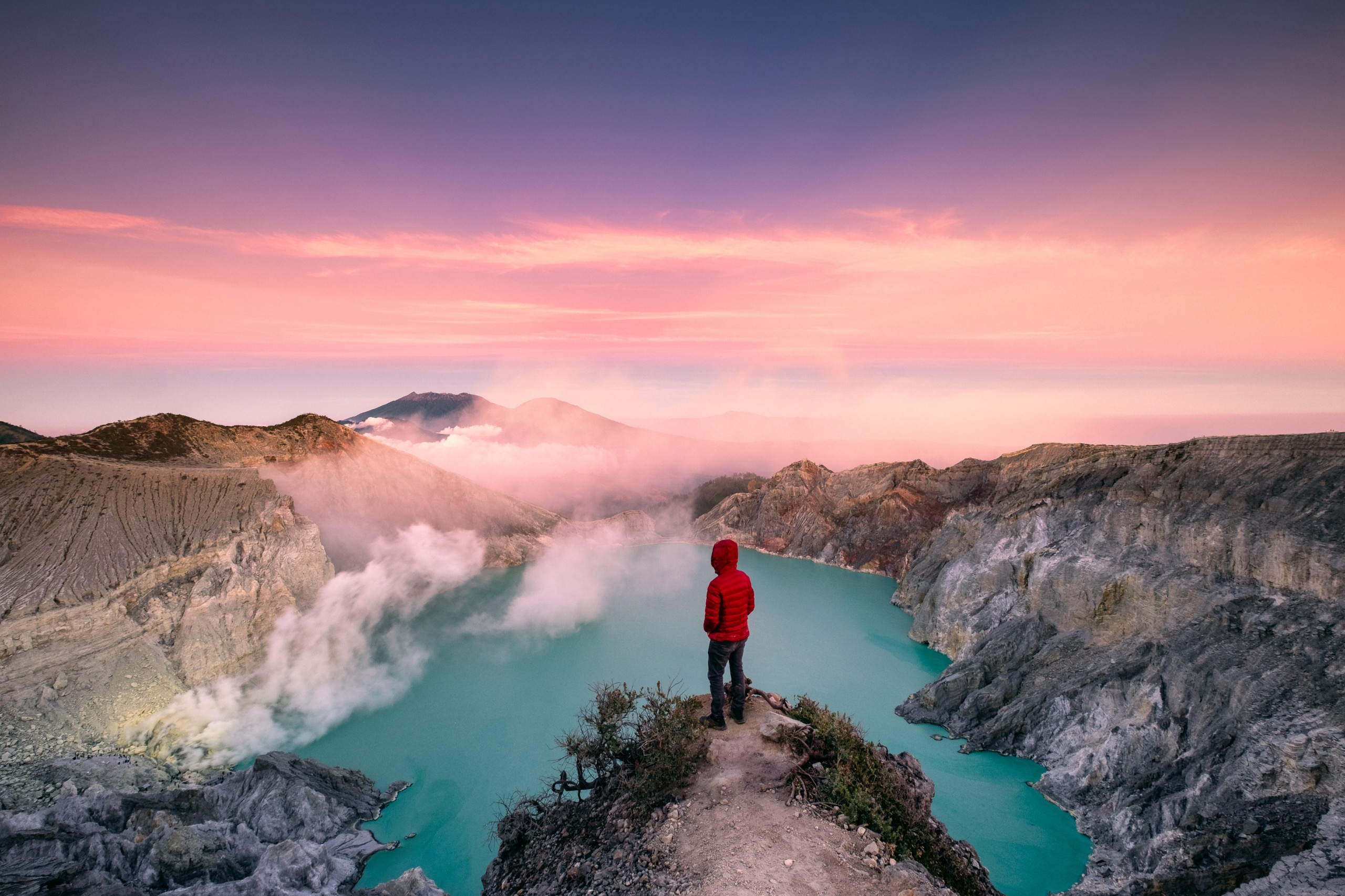
Kawah Ijen is renowned for its blue flames – formed by sulfur vapors at high temperature. To catch a glimpse of them, many hikers opt for a night-time ascent (allow about an hour's drive from the town of Banyuwangi before reaching the trailhead).
Once there, you'll embark on an hour's hike (including 600 meters of elevation gain over 3 km) before reaching the crater. Once you arrive at the volcano, you'll be able to see the famous flames and witness the sunrise…
Note that a daytime ascent allows you to admire the sulfur lake in all its splendor – its emerald or turquoise waters – as well as the surrounding panorama.
|
Practical information Difficulty : easy Entrance fee : volcano entry is charged (around €6 per person) Note : the daytime ascent is less touristy than the night-time excursion! |
Mount Lawu volcano
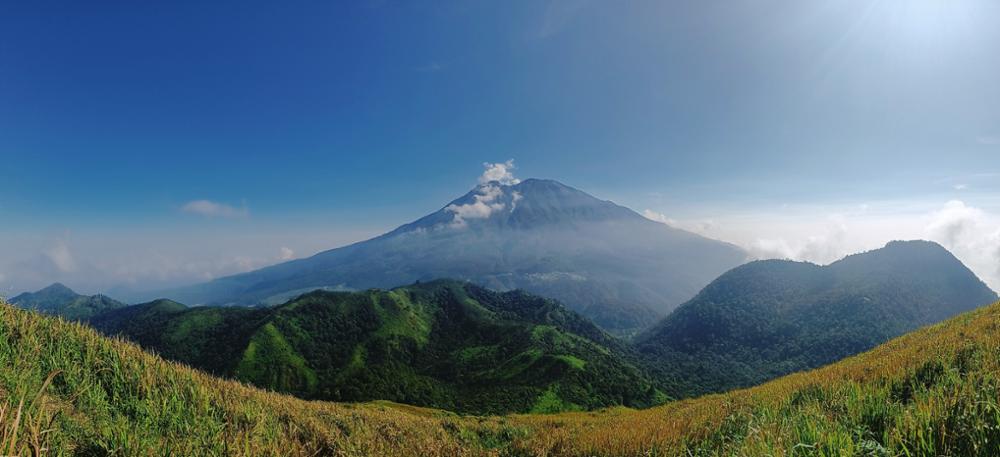
Rising to 3,265 meters above sea level, Mount Lawu volcano overlooks the province of Central Java. Dotted with a fumarole zone at 2,550 meters (on its southern face), this stratovolcano is also graced with three temples: Cetho, Kethek and Sukuh.
There are several trails for exploring Mount Lawu, including two main routes starting from two base camps:
- Cemoro Kandang (central Java side): this is the less steep of the two trails, but also the longer one.
- Cemoro Sewu (eastern side): this is the steepest trail, but it doesn't require advanced hiking experience.
During your trek, you'll encounter many locals on pilgrimage, and can admire tropical forests, savannas and rice paddies!
|
Practical information Difficulty : easy Note : the dry season (April-October) is recommended for the ascent. During the rainy season, trails become very muddy and practically impassable. |
Climbing Java's volcanoes, with or without a guide?
While several volcanoes on the island of Java can be accessed without a guide, it is nonetheless recommended to hire a professional to conduct your ascent. Why?
Equipment requirements vary from one volcano to another, and only an expert will be able to equip you appropriately.
Weather is quite changeable and can make the ascent hazardous – even with careful planning. In the event of a shift in wind direction, clouds of smoke or rockfall can occur. In such cases, your guide will know how to react and suggest an alternative course of action.
Difficulty can arise at any time: fatigue, accident, lack of resources… A professional guide knows how to prevent such incidents and, if necessary, help you deal with them.
Finally, note that a guide is not necessarily an expert on all volcanoes… So make sure to travel with someone experienced – or opt for a Java volcanoes tour !
Audrey Denjean