What to Do in Java? Unmissable Attractions to Discover
The island of Java is often overlooked by travelers in favor of its neighbor, Bali. Yet it has much to offer. Cradle of Indonesian culture, it boasts a fascinating historical and
The island of Java is often overlooked by travelers in favor of its neighbor, Bali. Yet it has much to offer. Cradle of Indonesian culture, it boasts a fascinating historical and religious heritage. It is also a land of nature where volcanoes, mountains, forests, and rice paddies converge... Discover the unmissable things to do and see during a stay on the island of Java...
Visiting Java's major cities
Java is home to some of the country's largest cities, each boasting fascinating historical and cultural heritage. Here are the main cities of Java worth discovering during your visit:
Jakarta
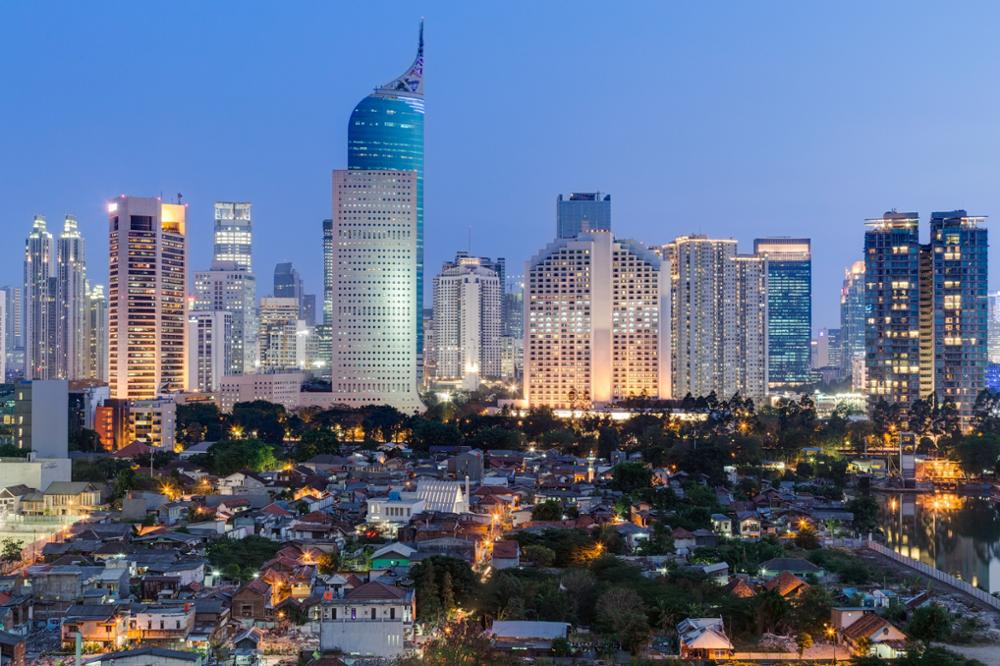
Located on the northwestern coast of Java, Jakarta is Indonésie's economic capital. Often compared to an ant colony, it is one of the most populous cities in the world and one of Southeast Asia's largest metropolitan areas. A cosmopolitan city, it is characterized by many influences: Javanese, Chinese, Arab, Indian, and European.
Among the must-see sites, you can find:
- The old city (Kota Tua) and its Dutch colonial buildings,
- The Glodok Chinese quarter,
- The old Sunda Kelapa port,
- The National Monument (Monas),
- The National Museum,
- The Istiqlal Mosque, one of the largest mosques in Southeast Asia,
- Jakarta Cathedral...
Jakarta is set to lose its status as Indonésie's capital soon. The reason? The city is threatened by climate change (notably rising waters), overpopulation, and significant pollution. That's why President Widodo announced in 2019 his intention to establish a new political and administrative capital at Nusantara, on the island of Borneo. Set to be inaugurated this year, the city is still under construction and will require many more months of work.
Yogyakarta
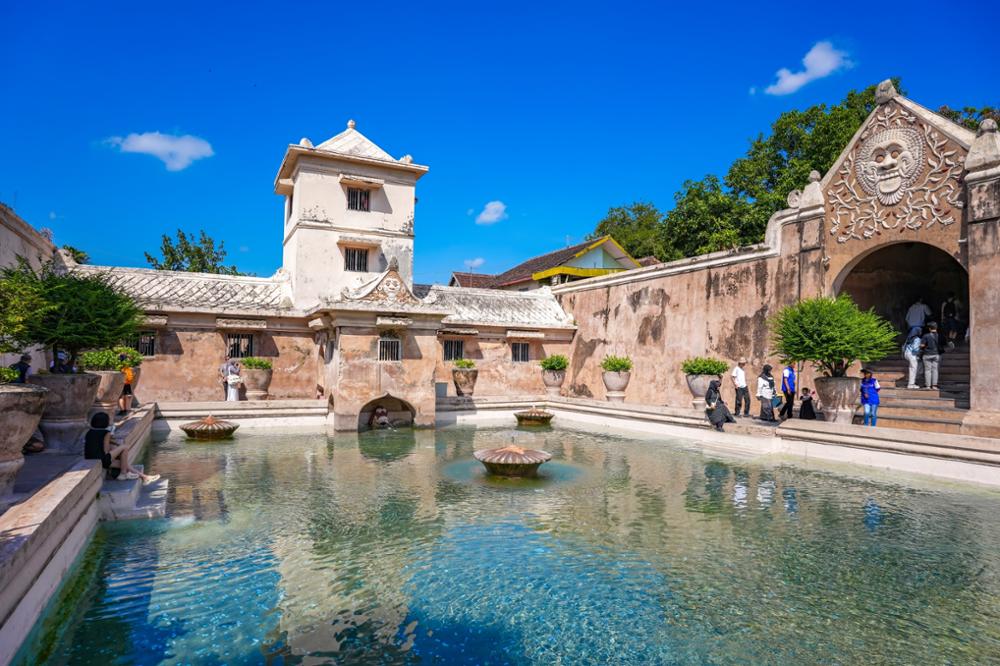
Located at the foot of Mount Merapi, in the Opak plain in the southeast of Java, Yogyakarta is definitely a must-see city in Java. Considered the cradle of Javanese civilization and the cultural capital of the island, the city is brimming with sites and monuments of interest.
Here are the main attractions to discover in Yogyakarta:
- Malioboro Avenue, the city's main shopping thoroughfare,
- The Kraton palace, a complex housing the sultan's palace, museums, mosques, and other buildings. Protected by ramparts, more than 20,000 people live there. Ramayana dance performances are often held here,
- Traditional performances of wayang kulit (shadow puppet theater),
- Visits to Batik workshops (opportunity to take a class),
- The Taman Sari water castle,
- The artistic district of Prawirotaman,
- Beringharjo Market (Pasar Beringharjo)...
Yogyakarta absolutely must feature on your travel itinerary. Especially since it is located near the temples of Borobudur and Prambanan, other must-see sites in Java. You can easily combine the visits.
Surakarta (Solo)
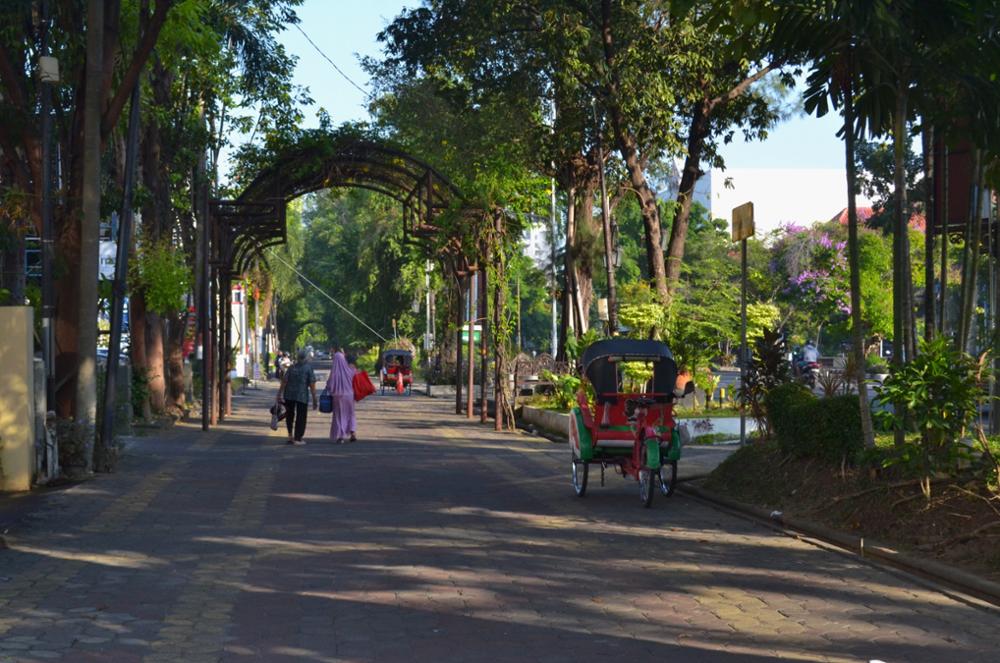
More commonly known as Solo, the city of Surakarta is located 60 km east of Yogyakarta. Quieter and less touristy than previous cities, it is considered, along with Yogyakarta, to be the cradle of Javanese culture. It is particularly known for being a major hub for batik production, a wax-resist fabric dyeing technique.
Among the things to see and do in Surakarta, you can mention:
- Visiting the many markets including Pasar Klewer, Indonésie's largest textile market,
- Visiting the Danar Hadi and Radya Pustaka museums,
- Visiting a workshop and attending batik classes,
- Visiting the Keraton Kasunanan, the city's royal palace,
- Watching a performance at the wayang orang theater,
- Exploring the temples of Cetho and Sukuh
- Visiting Puro Mangkunegaran, a palace complex that serves as the residence of the Duke of Mangkunegara...
Admiring Java's most beautiful temples
With a population that has been variously animist, Hindu, Buddhist, and Muslim, religion is omnipresent in Java the gentle. Among the religious heritage sites not to be missed, one can mention:
The Borobudur Temple
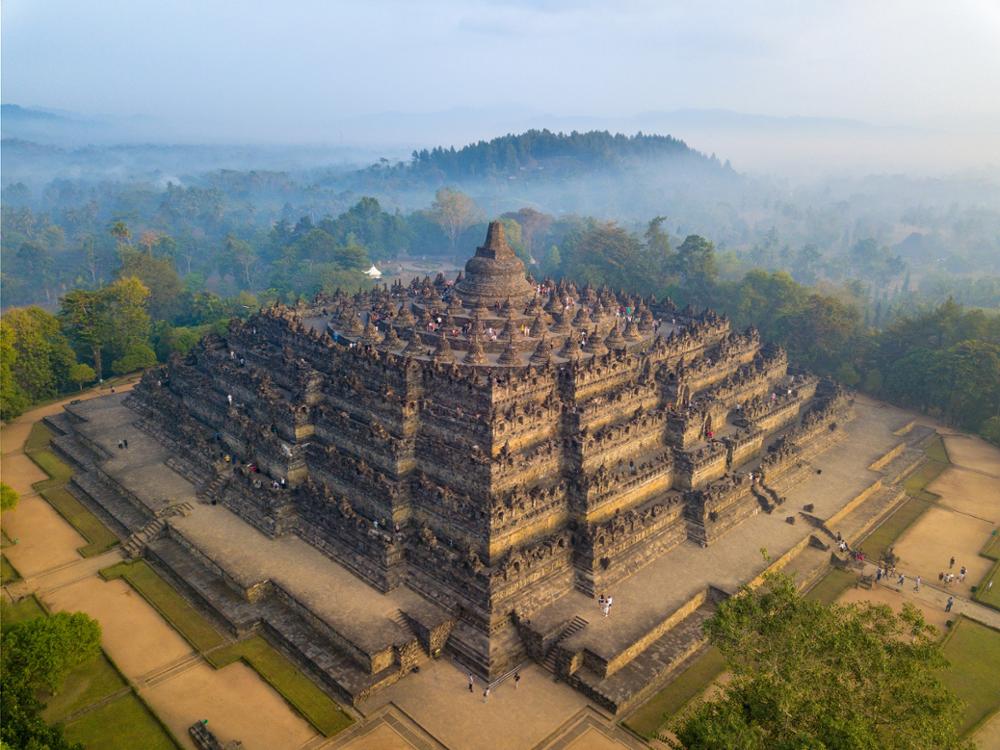
The Borobudur Temple (Candi Borobudur in Indonesian) is the world's largest Buddhist monument. Built between the late 8th and early 9th century by Smaragunta, a ruler of the Sailendra dynasty, it was constructed using 1,600,000 blocks of volcanic stone. On the bases of the stupa, you'll find various illustrations representing the main stages of Buddha's life.
From its summit, you can see some of the region's volcanoes, such as Merapi. This jewel of Buddhist art, located approximately 40 km northwest of the cultural city of Yogyakarta, is now a UNESCO World Heritage Site. As you can understand, a visit to Borobudur Temple is an unmissable part of any trip to Java. We recommend visiting at sunrise or sunset for spectacular views.
The Prambanan Temples
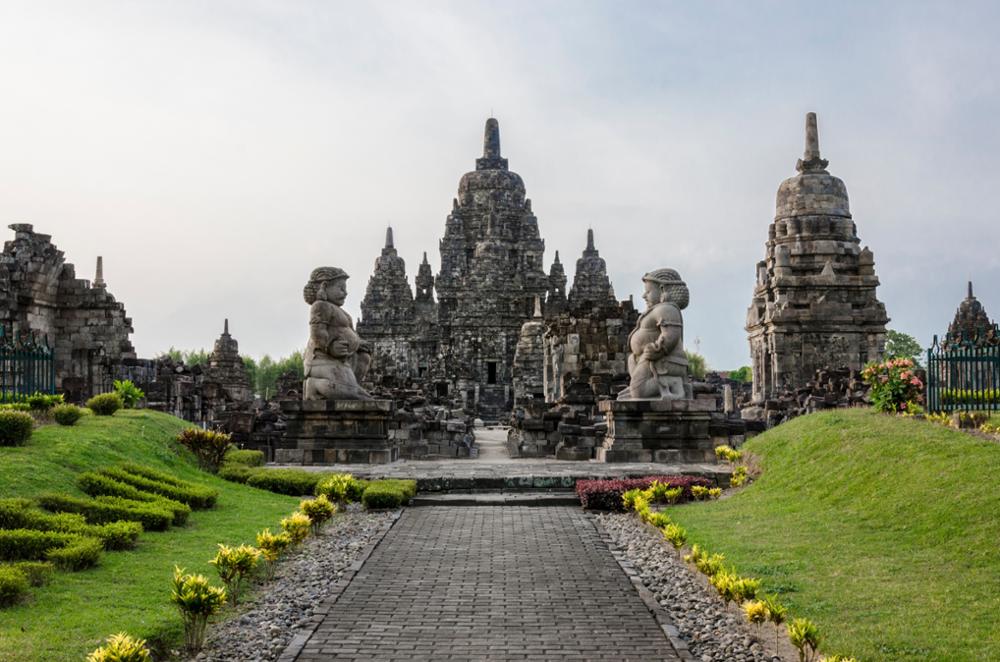
Here is another UNESCO World Heritage Site: the Prambanan Temples (or Candi Rara Jonggrang for locals). Comprising 240 Shivaite temples, the complex is Indonésie's largest Hindu sanctuary. Built between 835 and 856 under the Sanjaya dynasty of the first Mataram kingdom, it houses three temples dedicated to the three great Hindu deities: Shiva, Vishnu, and Brahma. There are also three temples dedicated to the animals that serve as mounts for these gods.
Again, we recommend scheduling a visit to the Prambanan Temples at sunrise or sunset. You can also plan time to watch a traditional performance of the Ramayana ballet at the theater.
Embarking on a volcano ascent
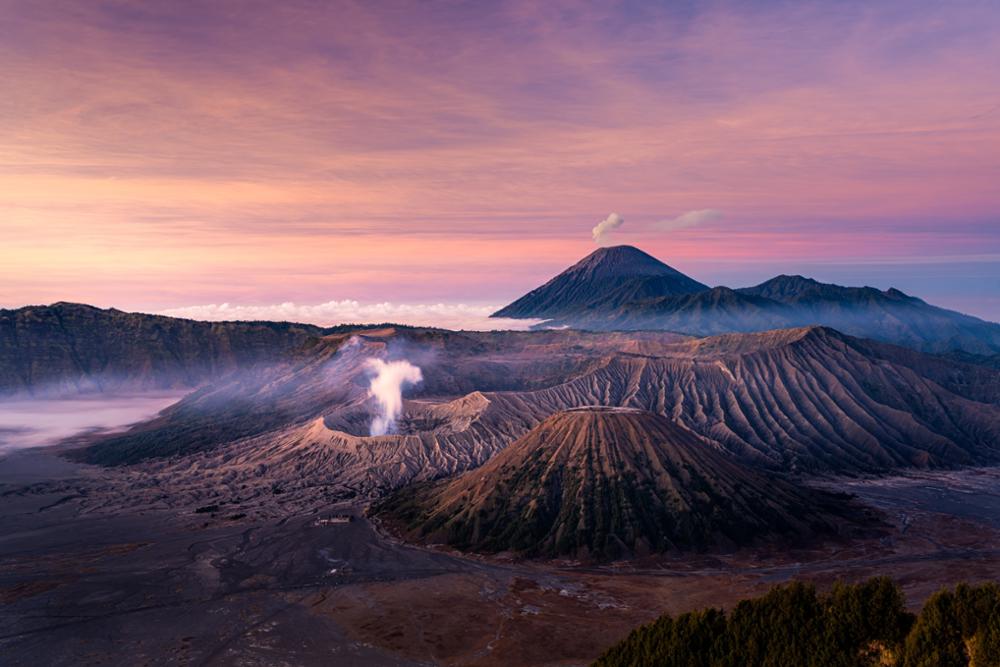
With its many volcanoes on its territory, Java is a paradise for volcanologists and trekking enthusiasts. Among Indonésie's finest volcanoes. In total, there are 45 volcanoes and 20 volcanic craters and cones (such as those of the Dieng volcanic complex). Whether you're an expert or a weekend hiker, you'll definitely find a volcano for your climbing challenge!
Among Java's must-see volcanoes where you can climb, we recommend:
|
Volcano name |
Altitude |
Characteristics |
Trekking level for ascent and walking time |
|
The Mount Bromo |
2,329 m |
|
Easy: 45 minutes of walking or ascent by jeep. |
|
2,769 m |
|
Easy: 3 hours round trip.
| |
|
The Merapi volcano |
2,900 m |
|
Difficult: approximately 4 hours for ascent and 3 hours for descent. |
|
The Lawu volcano |
3,265 m |
|
Moderate: between 6 and 9 hours round trip (option to do the ascent over 2 days). |
|
The Mount Semeru |
3,676 m |
|
Difficult: allow at least 2 days of walking to reach its summit. |
We highly recommend hiring a local guide when undertaking volcano expeditions in Java. They will help you conduct your expedition under the best conditions and in complete safety. They will also know how to react in case of unforeseen events (weather, for example). Don't hesitate to contact us to organize your expedition with one of our local guides.
Exploring Java's most beautiful national parks
Besides its volcanoes, Java captivates nature lovers with its national parks, the main ones being:
Ujung Kulon National Park
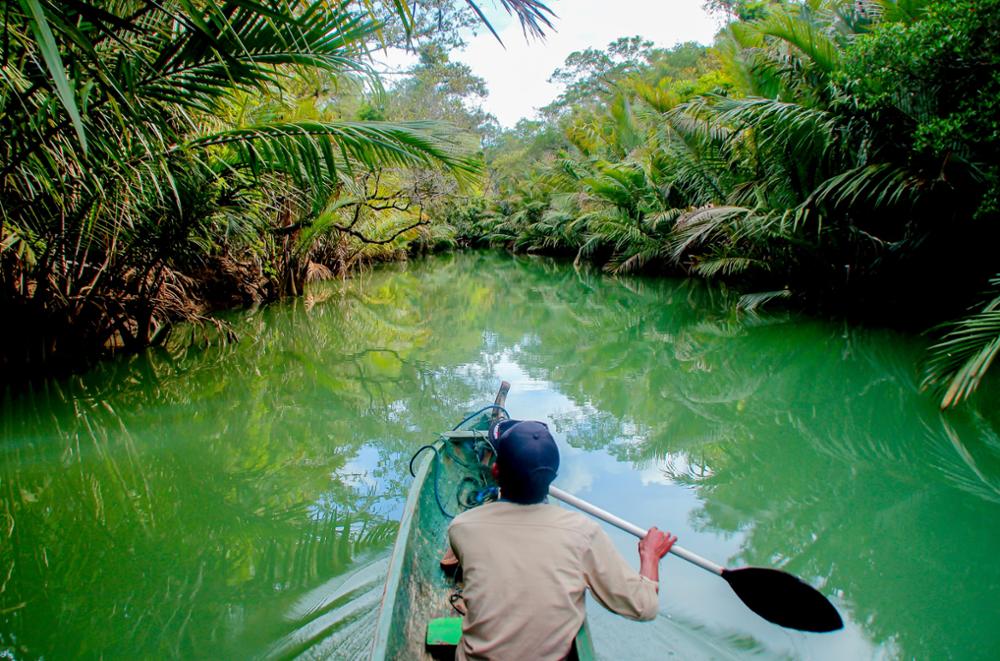
Located at the northern tip of Java, bordering the Sunda Strait, the Ujung Kulon National Park encompasses the entire peninsula of the same name, surrounding islands, and the Gunung Honje mountain chain. It is known for being the refuge of the Javan rhinoceros (Rhinoceros sondaicus), a critically endangered species.
While you'll need great luck to spot Javan rhinoceros in the park, you can always admire other wild animals such as gray gibbons, Asian wild dogs, banteng, Javan langurs, crab-eating macaques, Javan deer, and numerous reptile and bird species. It's the ideal place to enjoy nature during an Indonésie trip with children.
Note also that the park is an exceptional site for scuba diving and surfing. The Krakatoa volcano is also found there, and its summit is accessible by hiking.
Meru Betiri National Park
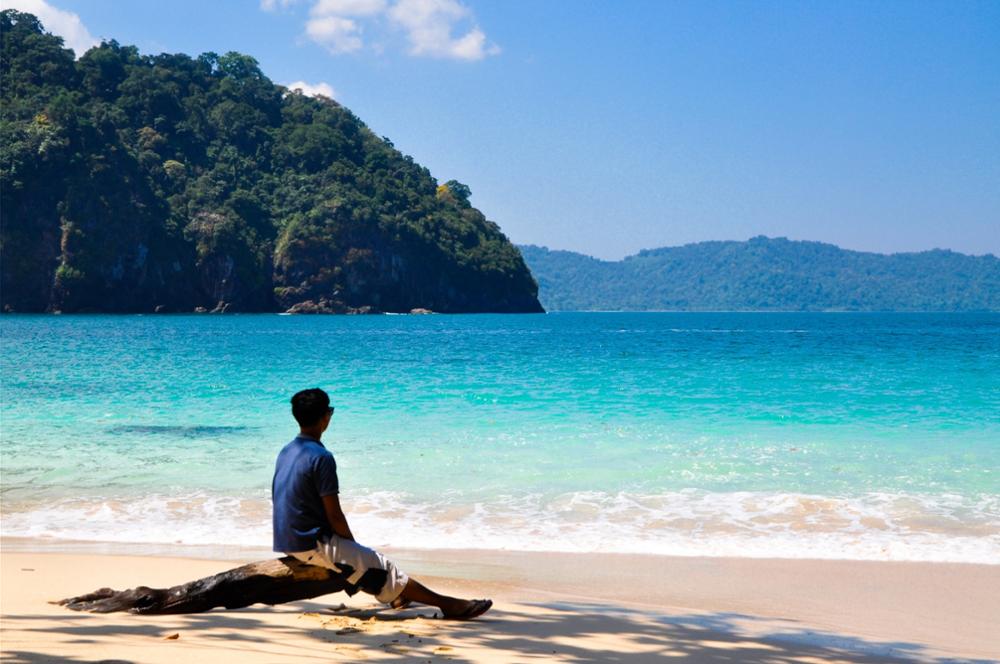
Located in southeastern Java, straddling the provinces of Banyuwangi and Jember, the Meru Betiri National Park is a natural jewel spanning approximately 50,000 hectares. Listed as a UNESCO World Heritage biosphere reserve, it contains mangroves, marshes, tropical forests, and pristine beaches...
It is home to numerous wild animals such as spotted civets, deer, leopards, Javan flying squirrels, white cockatoos, Javan eagles, wild cattle, wild boar, and the famous reticulated python. Sukamade Beach is famous for being an important sea turtle nesting site.
Baluran National Park
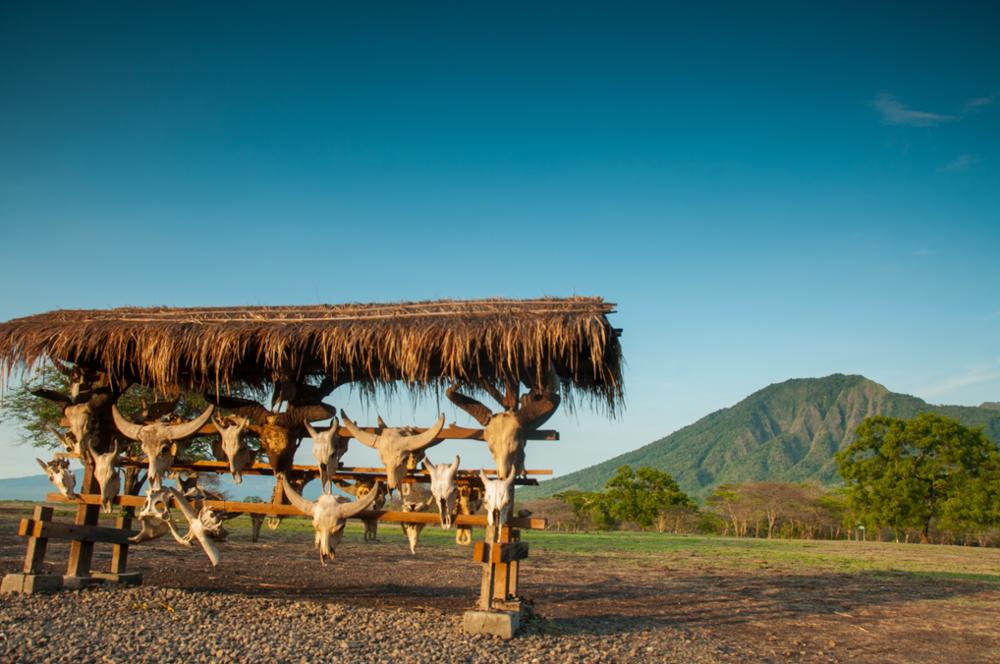
Located in the far northwestern corner of Java, Baluran National Park offers a journey within a journey. Indeed, you'll find savanna landscapes as well as mangroves and forests!
Nicknamed "little Africa," the park is a privileged reserve for 200 species of wild animals. During a safari hike, you can see Javan deer and buffalo, wild boar, many primates such as macaques and langurs, as well as numerous birds like the Javan eagle.
On the fauna side, the site is equally rich: it contains over 400 plant species, including endangered species like jujube, Tamarindus indica, Dioscorea hispida, Aleurite moluccana, and Corypha utan. Finally, the park has sandy beaches and coral reefs harboring rich marine biodiversity.
Relaxing on Java's most beautiful beaches
Java's beaches are not renowned for being the most attractive. While you'll find some paradisiacal beaches on the East Coast (like Pangandaran Beach, Green Bay, and Watu Karung), Java's most beautiful beaches are mainly found in neighboring archipelagos:
The Karimunjawa Archipelago
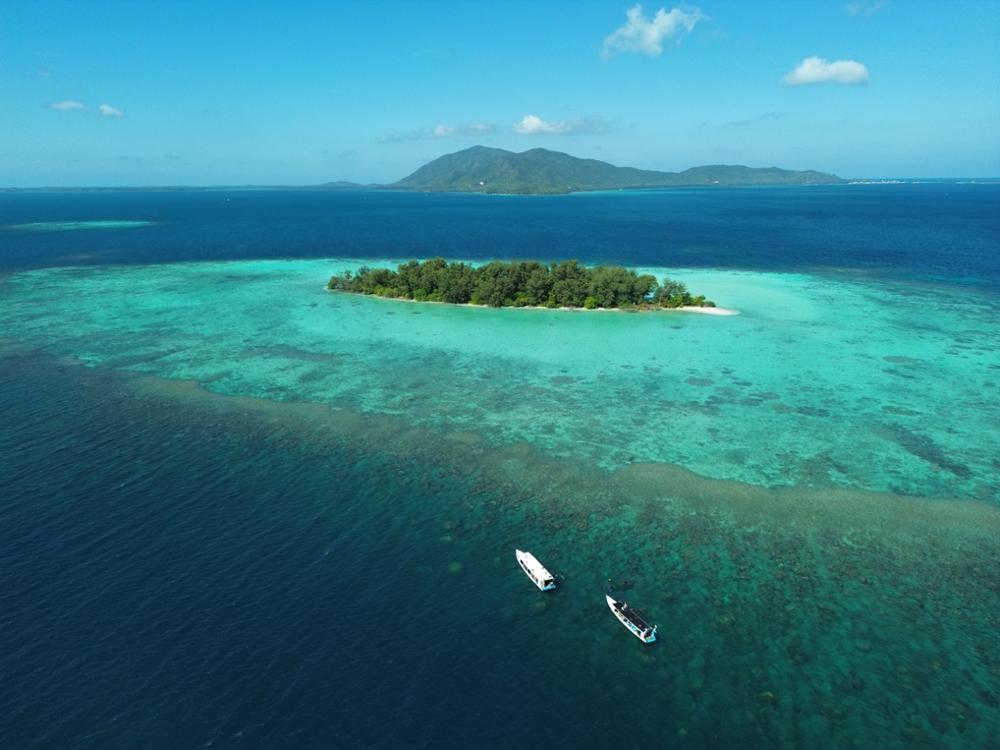
Located on the north coast of Java, approximately 80 kilometers from Jepara, the Karimunjawa Archipelago is THE destination to prioritize if you're looking for postcard-perfect beaches. Composed of 27 islands, of which only 7 are inhabited, the archipelago offers total escape where you'll encounter very few tourists.