Fort Rotterdam
Fort Rotterdam
A 17th-century Dutch bastion in Makassar, Fort Rotterdam houses the La Galigo museum and the cell of national hero Diponegoro.
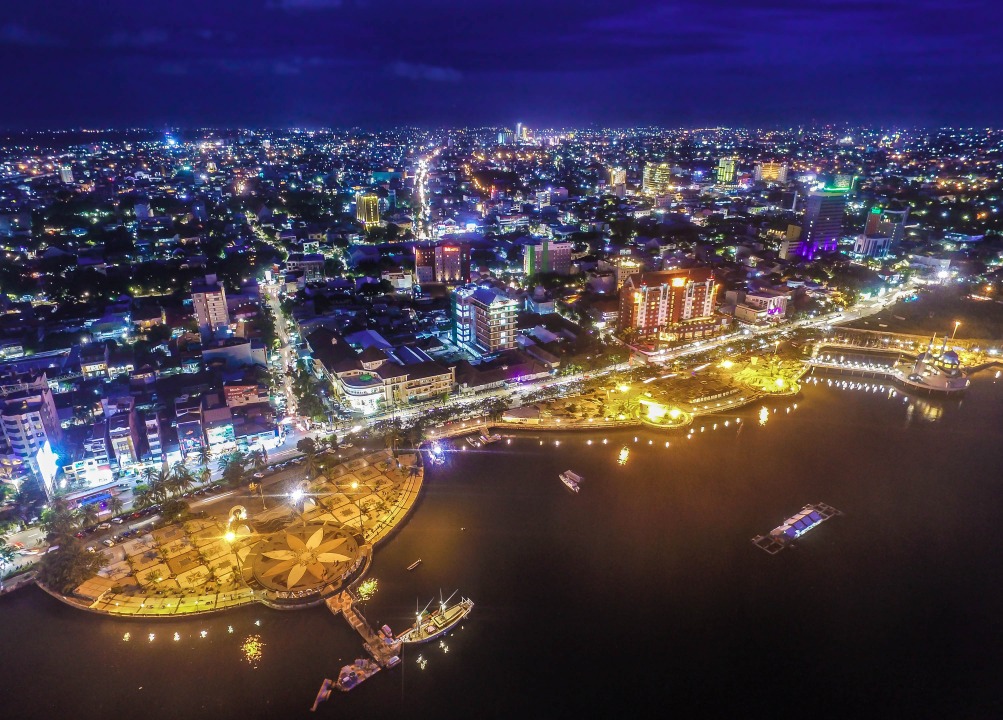
Fort Rotterdam dominates the waterfront of Makassar, on the western coast of Sulawesi island. A Dutch bastion built in the 17th century on the remains of a fortress from the kingdom of Gowa, it now houses an ethnographic museum, national archives, and several centuries of colonial and Indonesian history.
Why visit Fort Rotterdam
The site offers one of the best-preserved Dutch colonial architecture complexes in eastern Indonésie. Beyond the ramparts and bastions, the complex houses the La Galigo museum, dedicated to the cultures of southern Sulawesi (Bugis, Makassars, Toraja). It is also a place of remembrance: Prince Diponegoro, an Indonesian national hero, was held here until his death. The visit combines military history, memory of Javanese resistance, and ethnographic heritage on a single site, in downtown Makassar.
History of the fort
Fort Rotterdam was built in the 17th century by Dutch colonists, in stone and terracotta, on the site of an ancient fort from the kingdom of Gowa named Jumpadang. The handover of the site to the Dutch was part of the Treaty of Bungaya, signed in 1667 following the defeat of Sultan Hasanuddin by the Dutch East India Company. The Dutch rebuilt the complex according to a plan reminiscent of the city of Rotterdam, hence its current name.
The complex initially served as a spice warehouse and later as a prison. It was here that the Javanese prince Diponegoro was imprisoned after the Java War (1825–1830) and remained detained until his death in 1855. Regarded today as a national hero, his cell remains one of the highlights of the visit.
The fort ceased all military function after 1937. During the Japanese occupation, it served as a base for scientific research in agriculture and linguistics. Left abandoned in the decades that followed, it underwent restoration work starting in the 1970s, which restored it to its current appearance.
What to see on site
The ramparts and bastions
The fort is surrounded by a stone rampart with several bastions. Some still preserve old period cannons. From the ramparts, views extend over the inner courtyard and Makassar's harbor. Most of the visible buildings date from the Dutch colonial period; two structures date back to the Japanese occupation.
The La Galigo Museum
Located within several fort buildings, the La Galigo Museum houses traditional objects from southern Sulawesi. The collections include:
- folk clothing and ceremonial textiles;
- regional musical instruments;
- gold objects, ceramics, and old manuscripts;
- ancient currencies;
- archaeological collections with arrows, flint, and prehistoric tools.
The exhibition traces the history of local kingdoms, successive influences, and the daily practices of Bugis and Makassar populations.
Archives and research institute
The fort also houses the Institute of History and Archaeology as well as the National Archives, which occupy several restored buildings. These institutions are not fully open to visitors but testify to the site's current scholarly role.
Practical information
- Location: downtown Makassar, along Jalan Ujung Pandang, facing the waterfront.
- Access: on foot from most downtown hotels, or by taxi/Grab from Sultan Hasanuddin Airport (approximately 30 to 45 minutes depending on traffic).
- Duration of visit: allow 1.5 to 2.5 hours to explore the fort and La Galigo museum.
- Admission fees: fort entry is free or symbolic; modest entrance fee for the museum.
- Best time: mornings are preferred by locals and school groups, and the light is softer. Check museum opening days on-site, as some galleries close early in the week.
- What to bring: modest clothing out of respect for the site, water, and a hat (limited shade in the courtyard).
Nearby
Makassar is the gateway to southern Sulawesi and allows you to extend your visit with other Indonesian experiences:
- a broader exploration of Makassar and its street food;
- a stopover in Bali to enjoy the Bali Botanical Garden;
- an evening dedicated to Balinese dances;
- an excursion to Mount Galunggung in Java.
Frequently asked questions
Frequently asked questions
After taking control of Fort Jumpadang in 1667, the Dutch rebuilt it following the plan of the city of Rotterdam, hence its current name.
Diponegoro was a Javanese prince who led the Java War (1825–1830) against the Dutch. Captured through betrayal, he was transferred to Makassar and held at Fort Rotterdam until his death in 1855. He is now regarded as an Indonesian national hero.
Allow 1.5 to 2.5 hours to explore the ramparts, courtyard, La Galigo museum, and Diponegoro's cell.
The museum occupies several fort buildings but requires a separate entrance fee, usually modest. It houses ethnographic and archaeological collections from southern Sulawesi.
It is not essential, but an English-speaking guide helps contextualize the colonial history and the figure of Diponegoro, as explanations on-site often remain in Indonesian.
Plan your trip
Fort Rotterdam naturally fits into an itinerary combining Sulawesi and other islands of the archipelago. To design a customized stay including Makassar, Toraja country, and other Indonesian regions, consult our Indonésie trips.
Interested in this visit?
We can include it in your personalised itinerary.