Where, When, and How to See Komodo Dragons?
Where, When, and How to See Komodo Dragons?
Endemic to the country, Komodo dragons are among the iconic animals to see in Indonésie. These giant creatures with prehistoric features inhabit certain islands of Komodo National Park.
Endemic to the country, Komodo dragons are among the iconic animals to see in Indonésie. These giant creatures with prehistoric features inhabit certain islands of Komodo National Park. We'll tell you more about these lizards considered the largest on the planet, and give you all our expert tips for seeing them safely. Discover where, when, and how to see Komodo dragons.
Komodo Dragons at a Glance
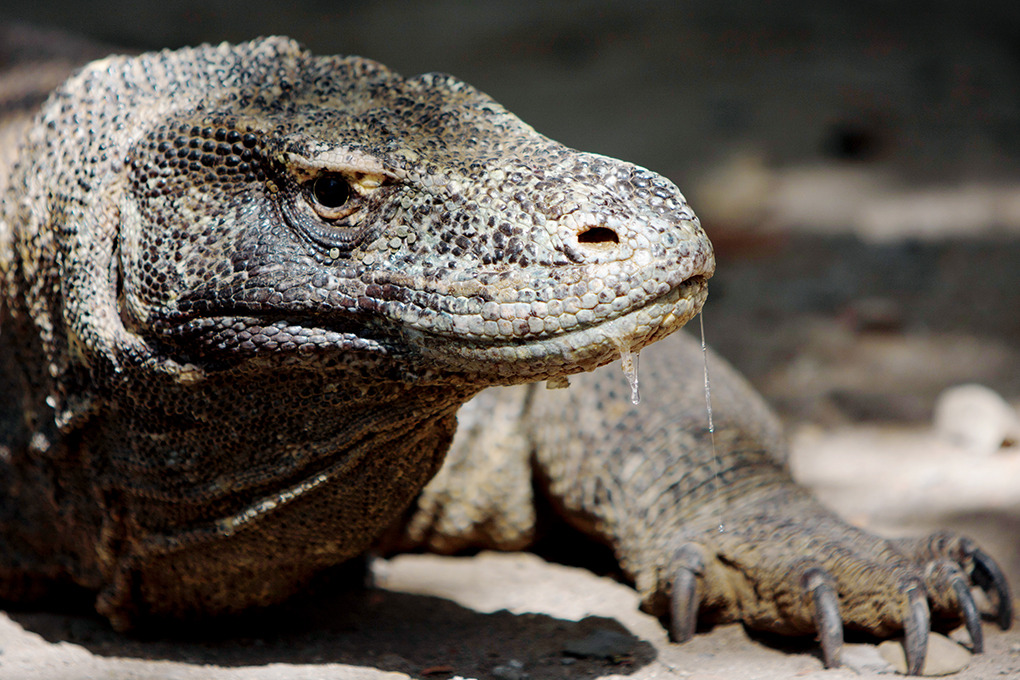
Komodo Dragon
Varanus komodoensis
- 📍 Location: Indonésie (Komodo, Rinca, Flores)
- 📏 Size: up to 3 m
- ⚖️ Weight: up to 90 kg
- 🍖 Diet: carnivorous
- ⚠️ Status: protected species
What Do Komodo Dragons Look Like?
Komodo dragons are giant lizards belonging to the Varanidae family. They are the largest monitor lizards on the planet. An adult Komodo dragon can measure three meters in length. Its weight ranges from 80 to 150 kg. Due to their unique form and imposing size, they eerily resemble dinosaurs.
They are characterized by a massive body equipped with four muscular limbs whose feet end in powerful, sharp claws. They have a large flattened head and powerful jaws and possess 60 sharp teeth as well as a bifid (forked) tongue that they project from their mouth to capture odor molecules in the air, allowing them to gather information about their surroundings and the possible presence of prey.
What Do Komodo Dragons Eat?
Komodo dragons are formidable predators. They can see up to 300 meters; and thanks to their powerful sense of smell, they can detect carrion from five to ten kilometers away. When they hunt, their speed reaches nearly 20 km/h. They can climb up to ten meters into trees to track their meal and dive to depths of 4.5 meters to seize aquatic prey.
In addition to their saliva composed of numerous bacteria, the world's largest lizards possess venom glands whose action allows them to neutralize their prey by causing blood coagulation and increasing blood pressure.
Generally speaking, Komodo dragons feed on carrion. However, they also eat the meat of goats, wild boars, monkeys, deer, horses, and water buffalo. They are fond of small birds. Sometimes, they swallow their young to survive. Furthermore, these enormous monitor lizards have the bad habit of exhuming human corpses in order to eat their remains. This is why villagers relocated their graves and covered them with stones.
What Are the Predators of the Komodo Dragon?
The Komodo dragon has no natural predators apart from humans. However, its congeners can be considered true dangers. Indeed, they are territorial animals and it frequently happens that males fight violently with each other to claim territory or a mate. Furthermore, the survival rate of newborns is very low: some individuals can be observed practicing cannibalism in times of food scarcity.
What Is the Life Expectancy of Komodo Dragons?
The Komodo dragon can live up to fifty years, or even longer.
Is the Komodo Dragon Threatened?
The Komodo dragon is classified as a vulnerable species by the International Union for Conservation of Nature (IUCN). Among the reasons for the decline in its population, we can cite:
- Loss of habitat caused by human activities;
- Illegal logging;
- Poaching;
- Climate change and natural disasters;
- Decline in prey populations.
Conservation programs are being implemented to try to ensure the survival of the species. In 1980, Komodo National Park was created to preserve endemic species of the territory, including the famous Komodo dragon.
Where to See Komodo Dragons?
Currently, there are approximately 5,700 Komodo dragons. Listed among the world's most threatened species, these giant lizards are endemic to Indonésie. They are found nowhere else in the world.
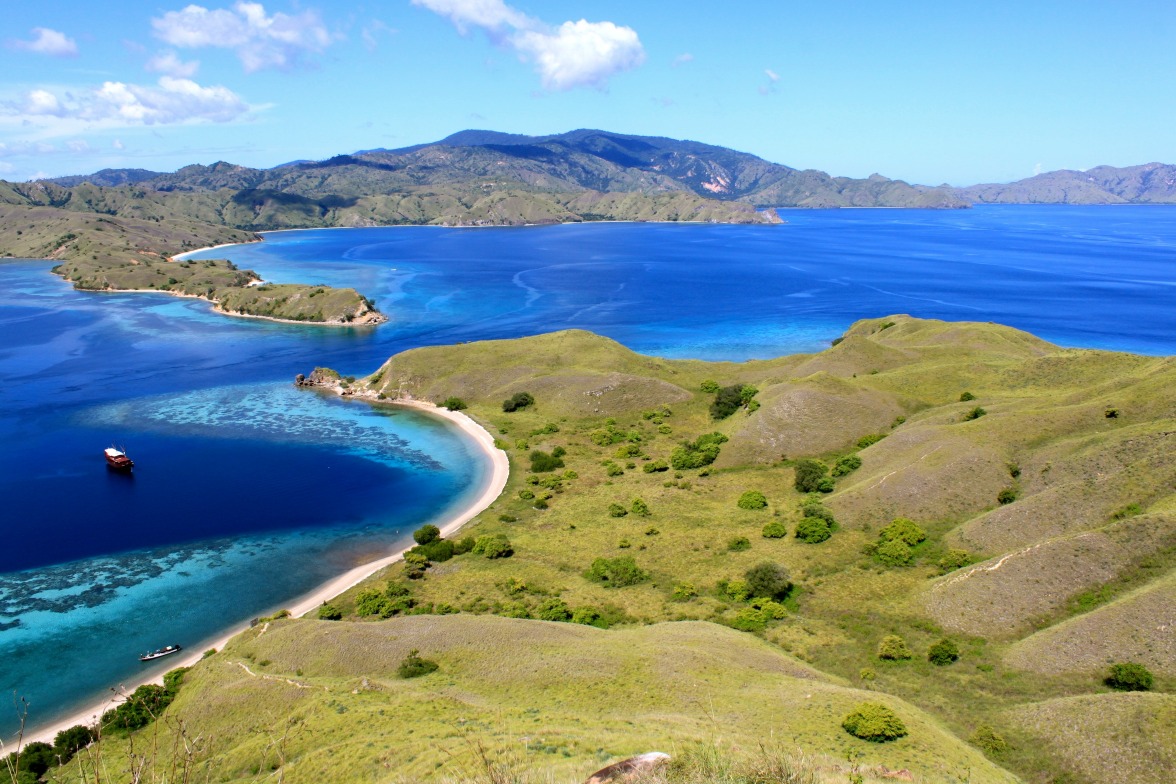
Komodo dragons originate from a few Indonesian islands in Komodo National Park, located in the center of the Indonesian archipelago, between the islands of Sumbawa and Flores. Their natural habitat is shared among the following islands:
- Komodo Island;
- Rinca Island;
- Nusa Code;
- Gili Motong Island.
Two of the islands constitute the park's main destinations for seeing Komodo dragons, namely:
Komodo Island
Considered the largest of the islands in Komodo National Park, Komodo Island is home to many wild Komodo dragons. Dotted with green and rocky hills, the island is ultra-wild and an ideal place for hiking in nature. It is located approximately 3 to 4 hours by boat from Labuan Bajo, the main access port.
Rinca Island
Located less than 2 hours by boat from Labuan Bajo, Rinca Island is smaller than Komodo Island. The concentration of Komodo monitor lizards per square meter is higher there. The island has numerous hiking trails for seeing Komodo dragons. It is less steep and less wild than Komodo Island, making it a more popular destination for families.
Which Site to Choose: Komodo or Rinca?
While Komodo Island is known for its steep and untamed nature, Rinca Island is appreciated for its easy hiking trails suitable for all levels. It is also more quickly accessible than its neighbor (2 hours by boat versus 3 to 4 hours for Komodo Island). You'll find more Komodo dragons there, but they are more spread out than on Rinca Island where they are more concentrated.
In any case, whether you go to see Komodo dragons on Rinca Island or Komodo Island, you won't be disappointed: you can be almost certain to see them on either one!
🚤 How to Get to Komodo National Park?
The islands of Komodo National Park are only accessible by boat from the town of Labuan Bajo, a small port city located at the western tip of Flores Island. Depending on your starting point, you can reach Labuan Bajo by boat or by plane. You will then need to board another boat or book a day excursion to reach Rinca Island or Komodo Island.
When to See Komodo Dragons?
The dry season is the ideal period to encounter Komodo dragons. It runs from April to December. Temperatures can easily reach around 40°C and the weather remains humid most of the year. To enjoy the best climatic conditions, prioritize the months of June, October, and November.
💡 Good to Know
The dry season is also the best time to dive in the waters of Komodo Park.
What Precautions Should You Know Before Seeing Komodo Dragons?
Is the Komodo Dragon Dangerous to Humans?
Due to their venom and formidable strength, the Komodo dragon can be dangerous to humans. Their bites can cause potentially fatal infections. That said, as mentioned by the Indonésie tourism office: incidents involving humans remain exceptional, with Komodo dragons being "generally remote from inhabited areas and attacks being mainly accidental".
What Are the Safety Guidelines for Seeing Komodo Dragons?
First and foremost, know that you must absolutely hire a professional guide to see Komodo dragons safely. Certified guides know the best observation points and can protect you from a possible attack.
Among the guidelines to follow during an excursion to see Komodo dragons, we can mention:
- Follow the guide's instructions carefully;
- Always stay as a group;
- Maintain a safe distance from the animals;
- Avoid sudden movements;
- Don't shout or make too much noise.
What Equipment Should You Bring to See Komodo Dragons?
Here is a list of equipment to bring when going to see Komodo dragons:
- Hiking shoes
- Light and loose-fitting clothing to withstand the heat and avoid mosquito bites
- Waterproof backpack to store your belongings and protect them from rain
- A water bottle or small thermos to have drinking water at all times
- A first aid kit for any accidents
- A survival kit: pocket knife or Swiss Army knife, matchbox or lighter, etc.
Do you need help organizing your stay and seeing Komodo dragons in their natural habitat? Contact us for our expert advice and to be accompanied by a local guide.
In the meantime, discover How to visit the Komodo Islands?
Photos
Give it a go!
Our local experts arrange this activity for you.