Where to Dive to See Manta Rays in Indonesia?
Did you know that Indonesia is among the world's best diving destinations to see manta rays? From Nusa Penida to Komodo and Raja Ampat, all that's left is to choose your destination to fulfill this dream
Did you know that Indonesia is among the world's best diving destinations to see manta rays? From Nusa Penida to Komodo and Raja Ampat, all that's left is to choose your destination to fulfill this dream. One thing is certain: witnessing the graceful ballet of manta rays is an experience that leaves an indelible mark on the mind…
1. Nusa Penida near Bali
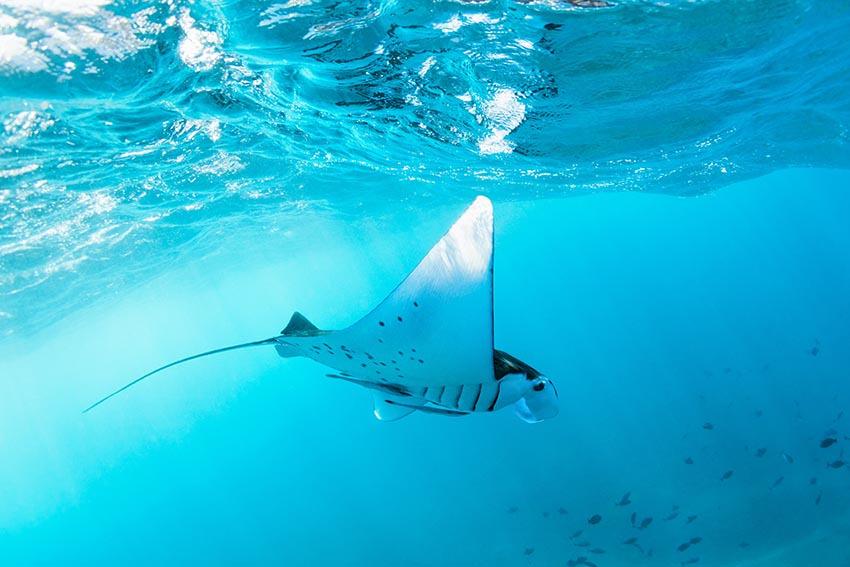
Traveling in Bali and keen to dive with manta rays? Head to the island of Nusa Penida, where you can dive at Manta Point, a dive site recognized worldwide for its impressive concentration of manta rays. Indeed, this dive spot features cleaning stations, which explains why manta rays visit here by the thousands each year.
The advantage? This dive site is accessible to all levels, from beginner divers to the most experienced. In fact, the cleaning stations are located between 5 and 10 meters deep. You can even admire the manta rays while snorkeling or freediving!
Although manta rays are present year-round, the best time to observe them (due to diving conditions) spans from August to October. Beyond the manta rays, the luckiest divers might encounter a rare and utterly impressive species of fish: the ocean sunfish, also called Mola Mola (particularly from July to October).
Good to know: to dive with the manta rays of Nusa Penida, you can depart by boat directly from Bali or get closer by staying in Lembongan, an island near Nusa Penida located just 30 minutes by boat from Bali.
2. Komodo National Park
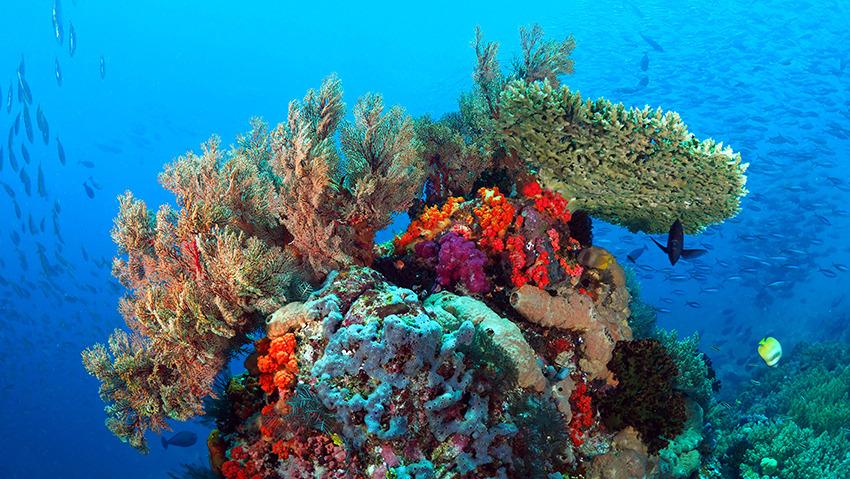
Located between the islands of Sumbawa and Flores, Komodo Island is renowned worldwide for its unique residents: the Komodo dragons. But that's not all! Komodo is also reputed to be one of the world's best places to dive with manta rays. The reason being that Komodo's waters are rich in plankton, making it a favorite feeding ground for manta rays.
Among the best dive spots to observe manta rays at Komodo, you can find Manta Point where you may spot white-tip reef sharks, surgeonfish and small mantis shrimp, or Manta Alley which is relatively shallow (between 10 and 20 meters). You might also encounter them at the dive site called Golden Passage.
For the best visibility and weather conditions, we recommend diving with manta rays between May and November.
Worth noting: Access to the island is only possible via liveaboard dive boat. A perfect opportunity to make the most of this unforgettable experience, while also discovering the many other dive sites of the marine park.
3. Raja Ampat
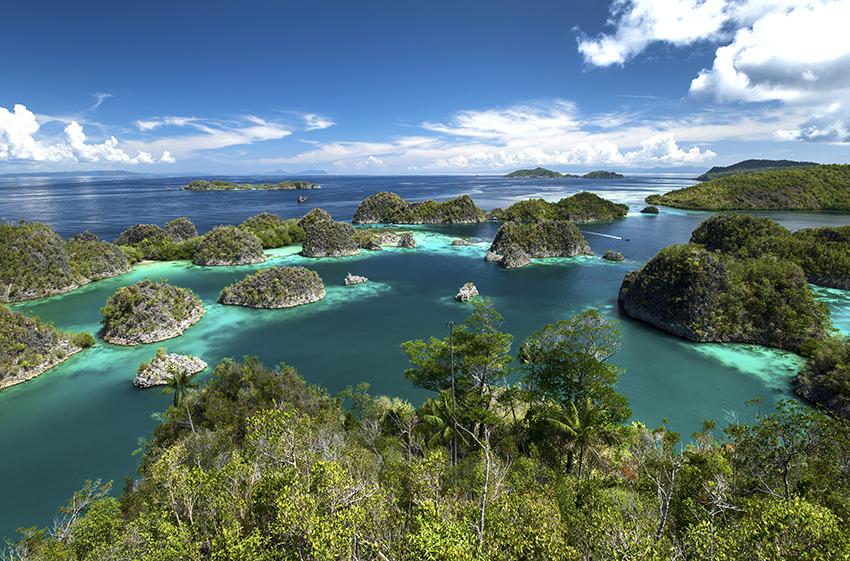
Located in the Indonesian province of West Papua, Raja Ampat is a destination that captivates many divers. And for good reason: the archipelago is among the few places in the world still preserved from mass tourism due to its remoteness from other Indonesian islands. The archipelago is notably part of the Coral Triangle zone, which holds the greatest marine wealth on the planet.
In addition to discovering an extraordinary variety of corals and fish, the waters of Raja Ampat are home to some of the largest specimens, including the famous manta rays. You can even observe 2 species there: reef manta rays and oceanic manta rays. Among the dive sites where you can see manta rays at Raja Ampat are Manta Ridge, Manta Sandy, Eagle Rock and Wayag Lagoon, as well as Blue Magic.
The best time to try to see manta rays at Raja Ampat is from October to May, and more particularly from December to March. Near Yeben Island, there is however a location where manta rays gather almost year-round (except in September).
Good to know: The journey to Raja Ampat is not for the faint of heart, but that's what allows the archipelago to maintain preserved biodiversity. You need to fly to Sorong via Manado or Makassar and then take a boat from Sorong. Furthermore, you must obtain special government residence authorization to visit and a permit to dive in the national park (The money collected is dedicated to the conservation of the national park).
Reminder of good conduct rules for diving with manta rays
As with any other wildlife species, it is important to adopt respectful behavior when diving with manta rays so as not to disturb or frighten them. Here are the best practices to follow:
-
Never touch manta rays,
-
Never feed them,
-
Do not approach, chase or block their passage,
-
Remain as still as possible and let the manta rays approach while staying calm,
-
Keep at least 3 meters distance,
-
Do not swim above the cleaning station, but stay low at the bottom level, while being careful not to damage the corals,
-
Do not use camera flash,
-
Listen carefully to the dive briefing and follow your divemaster.
Florine Dergelet