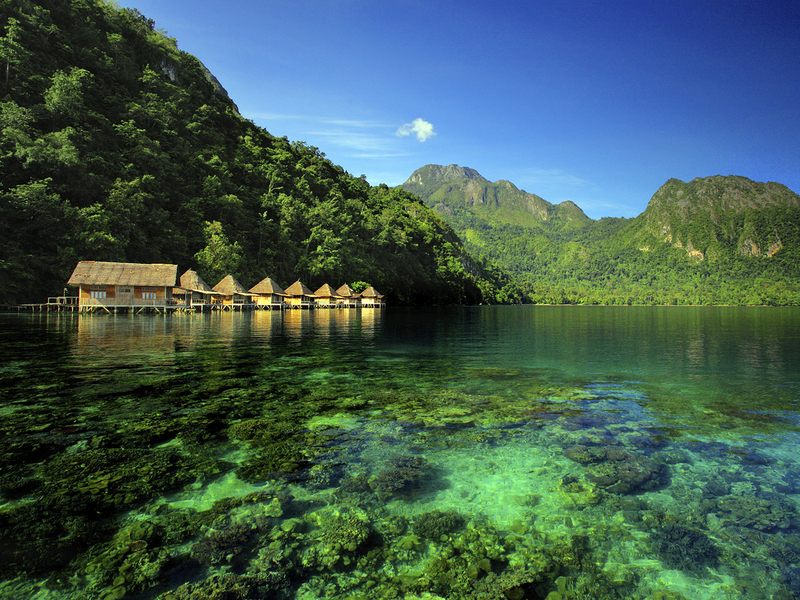
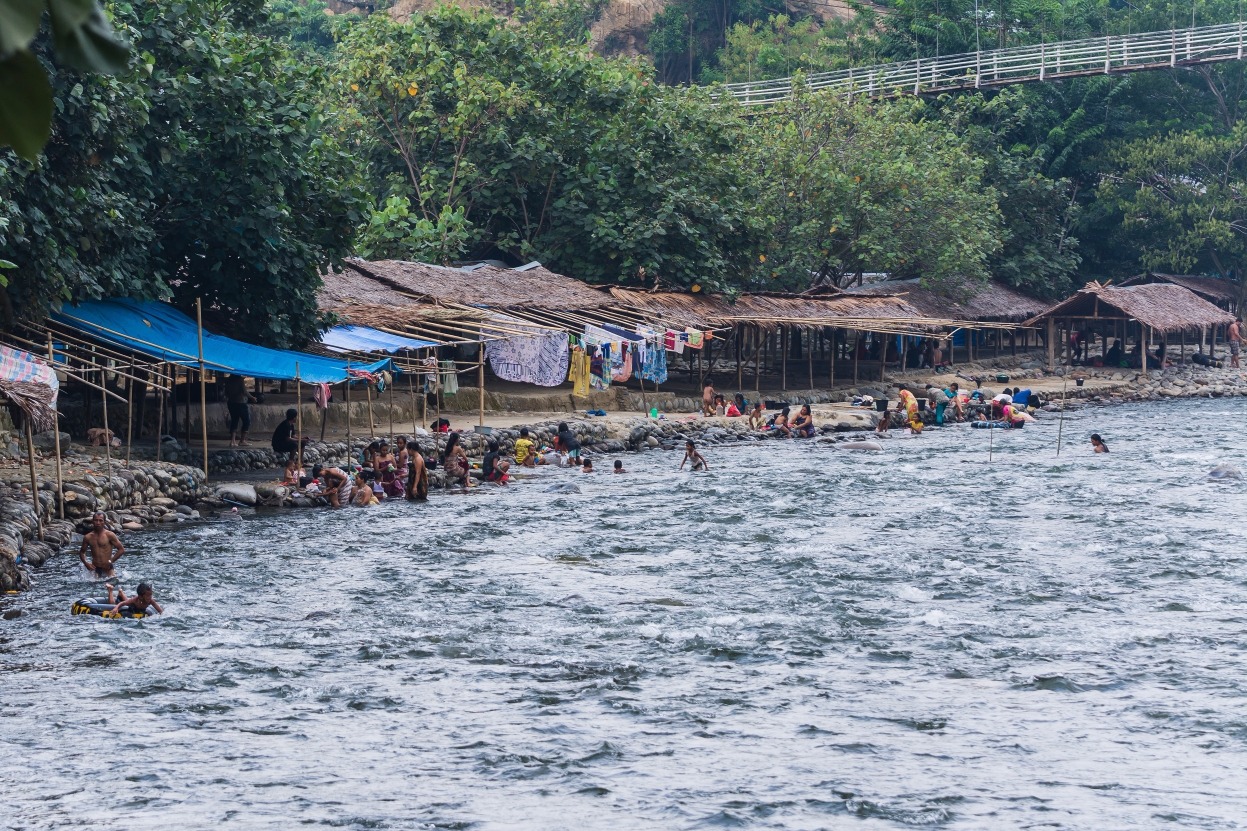
Sumatra, Natural Paradise of Indonesia
Sumatra is the world's seventh largest island, spanning 473,481 km². Rich with incredible biodiversity, it offers lush landscapes, highlighted by its numerous volcanoes and national parks.
The Geography of Sumatra
Sumatra is the world's seventh largest island and spans 473,481 km². Rich with incredible biodiversity, it offers lush landscapes, highlighted by its numerous volcanoes and national parks.
Its current name comes from Samudra, which was formerly the capital of the Kingdom of Pasai, in northern Sumatra. The island is home to over 50 million inhabitants and is divided into ten provinces: Nanggroe Aceh Darussalam, Bengkulu, the Bangka Belitung Islands, Riau, Jambi, Kepulauan Riau, Lampung, Sumatera Utara (North Sumatra), Sumatera Selatan (South Sumatra), and Sumatera Barat (West Sumatra).
Separated from Java to the south by the Sunda Strait, and from Malaysia to the north by the Strait of Malacca, the island's main cities are Medan, Palembang, Padang, Percut Sei Tuan, and Aceh. The Indian Ocean borders its western coasts.
Sumatra experiences significant seismic and volcanic activity. It is home to the famous Bukit Barisan volcanic chain, which includes Mount Kerinci. This is the island's highest peak, reaching 3,805 meters in elevation.
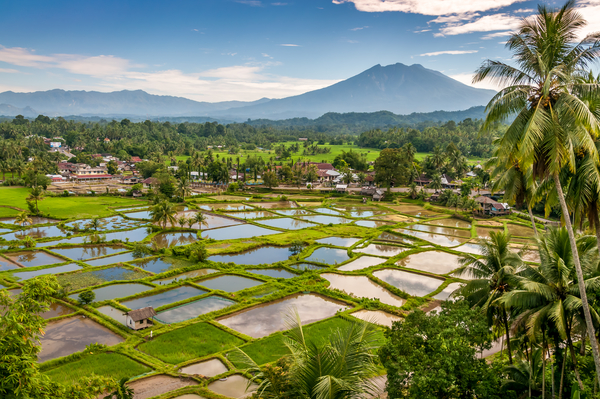
Landscapes of Sumatra
Sumatra, an Island of Ethnic and Natural Diversity
Moreover, many ethnic groups coexist on the island. As a result, over forty languages are spoken on Sumatra. The most representative peoples are surely the Batak, the Acehnese, the Minangkabau, and the Malays. The majority of the population is Muslim. However, there is a presence of minority religions, such as among the Batak who follow Christianity. Each of these peoples possesses its own unique culture, craftsmanship, and arts.
Sumatra is notably known for its vast tropical rainforests and the diversity of its fauna and flora. It boasts a great variety of tropical flowers and plants such as the titan arum, carnivorous plants, Indonesian orchids, and Sumatran pine.
The island is also home to numerous animal species, including over five hundred and eighty bird species. It harbors the famous Sumatran tigers and rhinoceroses, orangutans, and Malayan tapirs. Furthermore, national parks are responsible for protecting all these animals. They have research and care centers that contribute to their conservation.
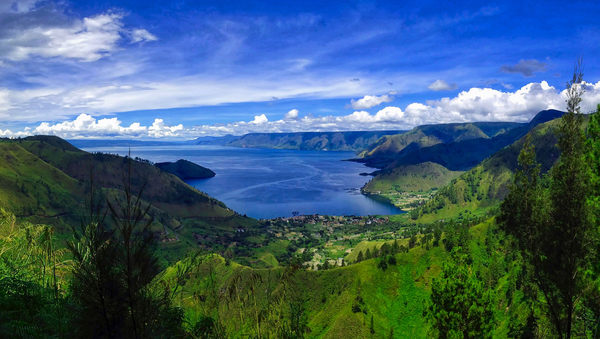
Toba, the World's Largest Volcanic Lake
Located in the north of the island, Lake Toba is the world's largest volcanic lake. There are many protected natural sites in Sumatra such as the reserves of Gunung Leuser, Bukit Barisan Selatan, and Kerinci Seblat. It is possible to visit them to admire the island's incredible biodiversity.