Nyepi Laut: the day of 'ocean silence' celebrated on Bali's southern islands
You may be familiar with Nyepi, the Hindu New Year celebrated in Bali with a day of silence. But have you heard of Nyepi Laut? Also known as 'the silence of the ocean,' it is one of the most important celebrations
Sept. 16, 2024You may be familiar with Nyepi, the Hindu New Year celebrated in Bali with a day of silence. But have you heard of Nyepi Laut? Also known as 'the silence of the ocean,' it is one of the most important celebrations on the southern islands of Bali. Celebrated only on Nusa Penida, Nusa Lembongan and Nusa Ceningan, Nyepi Laut is devoted to honoring the god of the oceans. Discover everything you need to know about Nyepi Laut.
What is Nyepi Laut?
What does Nyepi Laut stand for?
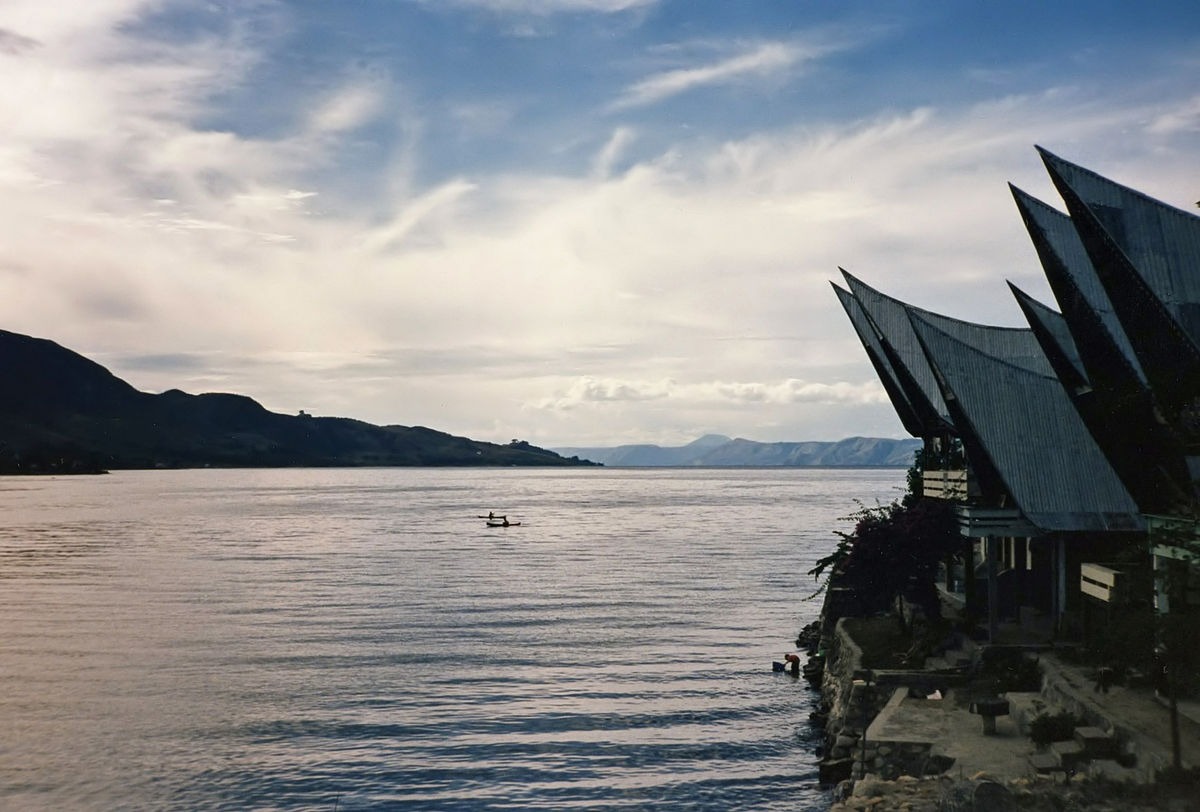
Nyepi Laut corresponds to the day of 'ocean silence.' It takes place each year on the 4th full moon of the Balinese calendar (bulan purnama sasih kapat). Celebrated on Bali's southern islands, Nyepi Laut aims to honor Dewa Baruna, the God of the seas and oceans. It is an ancient ritual, followed by the inhabitants since the 17th century, under the reign of Dalem Waturenggong.
According to tradition, the day of ocean silence not only honors the God of the oceans but also strengthens the relationship between people and nature. It manifests itself through the complete cessation of maritime activities.
By granting the sea a day of rest, the inhabitants demonstrate their gratitude for the generosity they have received from it. It is also an opportunity for the sea to regenerate. According to local beliefs, if traditions are not respected on Nyepi Laut, misfortune or disaster could strike...
Where does Nyepi Laut take place?
As mentioned earlier, Nyepi Laut is celebrated only on Bali's southern islands, namely: Nusa Lembongan, Nusa Ceningan and Nusa Penida.
How long does Nyepi Laut last?
Nyepi Laut lasts 24 hours. The day of ocean silence begins at 6 a.m. and ends at the same hour the following day.
What happens during Nyepi Laut?
During Nyepi Laut, all maritime activities come to a standstill for 24 hours. Everything is done to avoid disturbing the tranquility of the waters:
No boats operate: whether fishing boats, private boats, tourist transfer boats connecting Bali to the islands...;
All water activities are prohibited: diving and snorkeling are not allowed, nor is freediving;
Fishing and other maritime harvesting (such as seaweed harvesting) are banned;
Swimming is forbidden and beach walks are discouraged.
To pay homage to the God of the oceans, the inhabitants of Nusa Lembongan, Nusa Ceningan and Nusa Penida engage in meditation and silent contemplation on the importance of the aquatic environment and nature in general.
Numerous ceremonies also take place on the day of ocean silence. The most important one is held on Nusa Penida island: at Penataran Ped temple (when Nyepi Laut falls on odd years) or at Batumedawu temple (when Nyepi Laut falls on even years).
How to respect Nyepi Laut traditions as a tourist?
What are the rules of good conduct?
Attending Nyepi Laut during a stay on the islands of Nusa Penida, Nusa Lembongan and Nusa Ceningan is a chance to experience a spiritual moment with the locals. Discover what to do and not do on the day of ocean silence to respect local traditions:
- Do not go to the beaches or swim (this would be seen as a real disrespect for local customs);
- Be discreet and silent when with locals;
- Dress appropriately if you visit ceremony sites: wear a sarong to cover your legs and wear a shirt or t-shirt that covers your shoulders.
What to do during Nyepi Laut at Nusa Penida, Lembongan and Ceningan?
While all sea activities are prohibited during Nyepi Laut, it is still possible to venture out and explore the islands (unlike Nyepi, the day of silence in Bali during which you are forbidden to leave and speak). You can join the ceremonies organized for the occasion or discover inland treasures.
Must-see sites to discover at Nusa Penida during Nyepi Laut:
- Kelingking beach, Nusa Penida's iconic vista (to be admired from atop the cliff since you should avoid getting near the water);
- Broken Beach and Angel Billabong (always keeping your distance from the water);
- The troglodyte temple Pura Goa Giri Putri;
- Teletubbies Hill;
- The weaving village of Tanglad.
Must-see sites to discover at Nusa Lembongan and Nusa Ceningan during Nyepi Laut:
- Devil's Tears viewpoint (do not approach the sea);
- The underground house of Gala-Gala;
- The yellow bridge connecting Nusa Ceningan island where you can admire the numerous seaweed fields;
- Blue Lagoon at Nusa Ceningan (keeping your distance from the sea)...
You can also use this day to take a break, explore the interior of the islands by scooter, taste delicious Balinese cuisine at one of the island warungs or head to a bar with a view to enjoy the sunset...
When are the next Nyepi Laut celebrations?
Nyepi Laut always takes place the day after the 4th full moon of the Balinese calendar. In 2024, it will be held on October 18. In 2025, the day of ocean silence should take place on October 7 or 8.
Key takeaway
All boat companies connecting Bali to the islands close on Nyepi Laut day. In other words, no boats operate that day. If you wish to experience the day of ocean silence at Nusa Penida, Nusa Lembongan or Nusa Ceningan, you must plan ahead by arriving the day before. Similarly, plan your itinerary accordingly so you are not stranded on the day itself.
Do you want to immerse yourself in Indonesian culture? Discover all the most important festivals and celebrations in Indonésie to experience a unique moment with the locals.
Florine Dergelet
Florine DergeletA web writer for over 10 years, Florine Dergelet is a traveler driven by a desire to discover the world with an open heart. Each of her articles is an invitation to slow down, listen, and understand. For her, travel is not about checking countries off a map, but about forging bonds—often invisible yet always powerful—with places, peoples, and all manner of creatures from the animal kingdom. Her philosophy? Advise travelers with ethics, awaken their consciousness about animal welfare, respect for cultures, and the importance of humble and sustainable tourism. Because the most beautiful memories are often born far from the spotlight, in the shadow of a trail, in the midst of a conversation, or in the quiet breath of a world we finally take time to truly listen to…