The Place of Art in Indonesian Culture
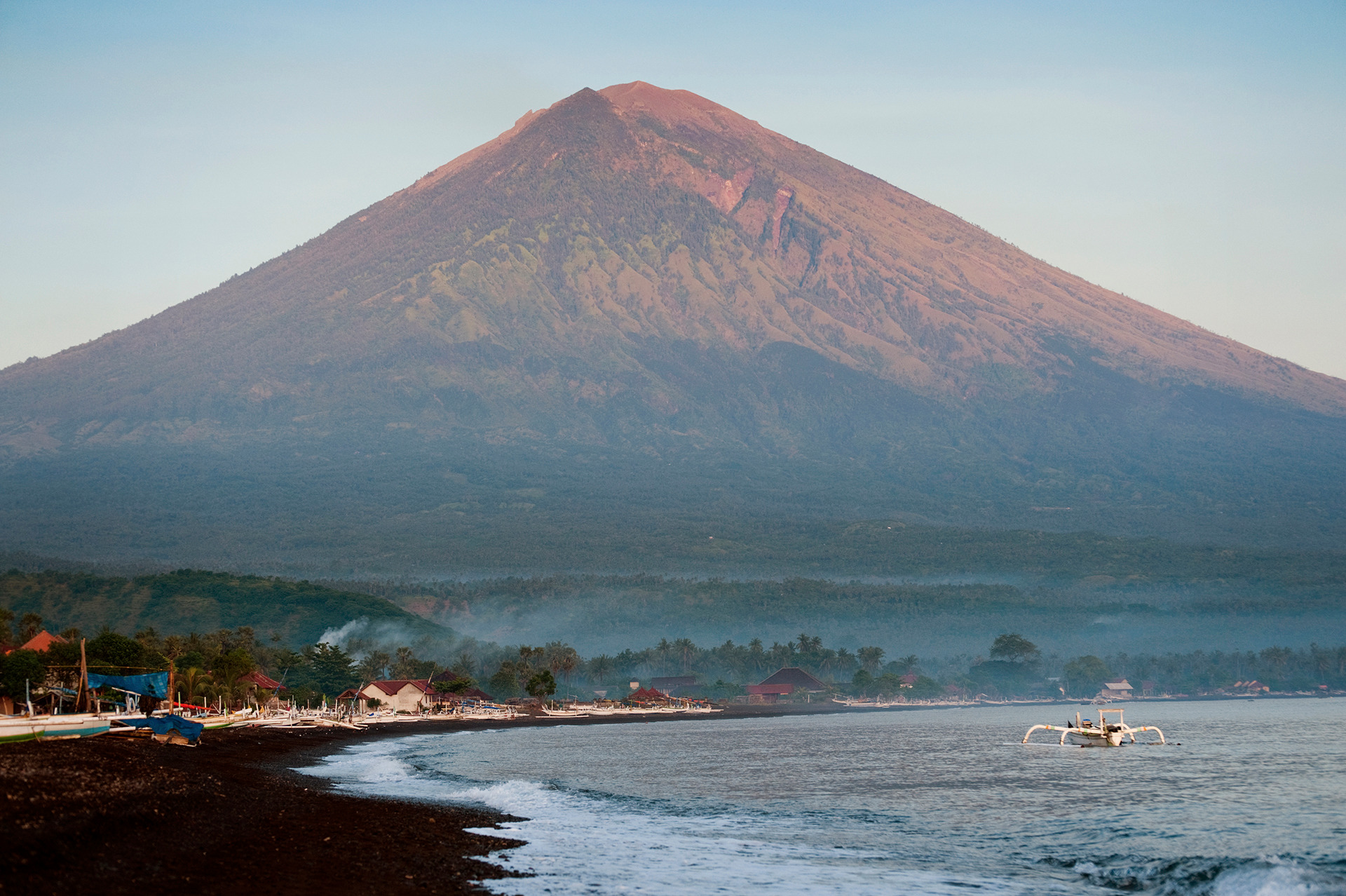
Indonesia is a country with rich and vast culture. An archipelago of varied ethnicities, beliefs and customs, it abounds with things to see and discover. We suddenly think of the image of
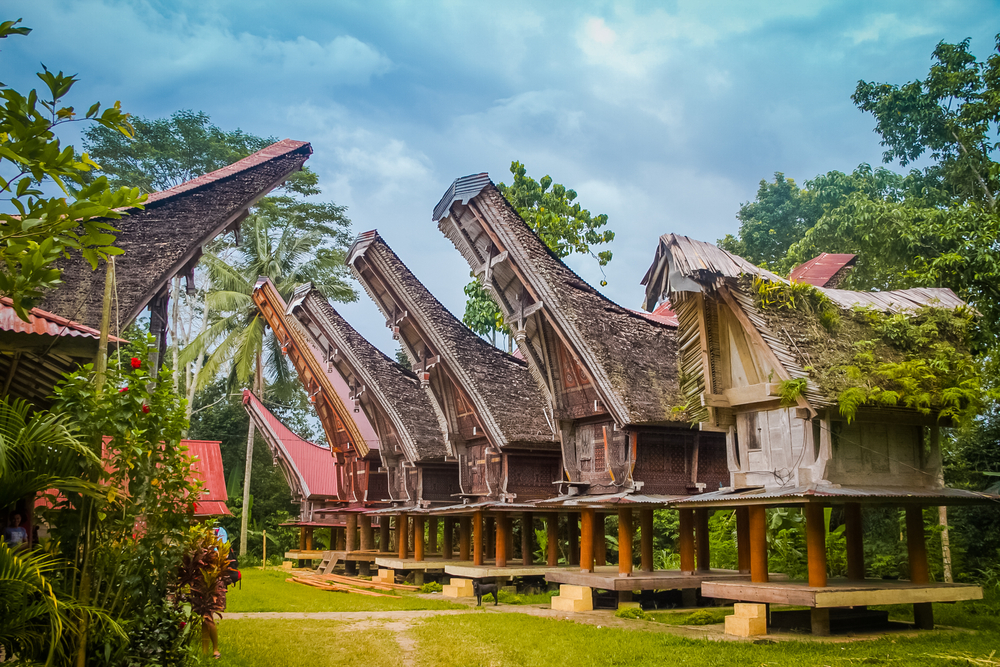
Indonesia is a country with rich and vast culture. An archipelago of varied ethnicities, beliefs and customs, it abounds with things to see and discover. Images of traditional dances celebrating the Hindu-Buddhist historical heritage of Java, gamelan performances, and the refined architecture of Balinese temples come readily to mind. A result of numerous influences, notably due to its central place in international trade, Indonesian culture remains a delicate blend of Chinese, Indian, Arab and European inspirations.
Indonesian Art, Fruit of a Rich Historical Past
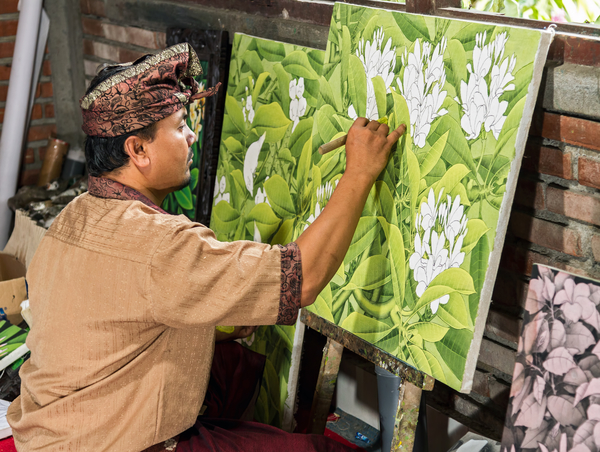
Artist in front of his canvas in Ubud, Bali, photo © Dima Fadeev via Shutterstock
From a historical perspective, several artistic forms succeeded one another in Indonesia over the centuries. Notable among these is rock art found in prehistoric caves in Sulawesi. The temples of Borobudur and Prambanan on Java are likewise grandiose testimonies to the influence of ancient Hindu and Buddhist kingdoms. Islamic art from Aceh, in turn, pays homage to the Muslim culture that has governed Indonesian society for several centuries.
Indonesian craftsmanship remains rich, refined and of very high quality. Textiles, including the famous batiks and ikats, wood carvings, pottery, masks and puppets are just a few examples of the breadth of knowledge and talent among craftspeople throughout the archipelago.
Gastronomy, architecture, painting, artistic performances and literature—Indonesian artists excel brilliantly across numerous fields. The international reach of Indonesian art is immense. Java, for example, is renowned for its traditional craftsmanship and its dance, theater and music performances. How could one not think of Yogyakarta, the cultural and artistic capital of the island?
For its part, Bali displays an artistic status of equal magnitude and becomes a showcase of Indonesian culture during the twentieth century. Thus, Balinese paintings remain a powerful symbol of the island's influence on the rest of the archipelago. Historically, these were restricted to the Kamasan and Wayang styles inspired by great Indian epics and other Javanese legends.
Like Tahiti for Paul Gauguin, Bali gradually became an artistic refuge for many foreign personalities. It welcomes numerous renowned artists, such as Australian Donald Friend, German Walter Spies and Dutchman Adolf Bonnet. Influenced by Balinese exoticism, painters find inspiration in baroque style and tropical, vibrant themes. Thus, the cities of Ubud and Butuan gain considerable importance on the island. The former remains the artistic capital of Bali.
The Place of Indonesian Art Today
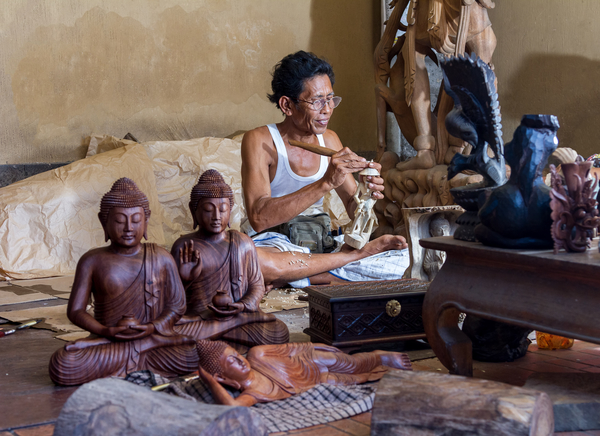
Craftsman carving wood in Ubud, photo © Dima Fadeev via Shutterstock
Today, contemporary Indonesian artists continue to display their works in national galleries and even abroad. However, contemporary Indonesian art is the fruit of artists' relentless struggle to gain recognition for their talent and work. Indeed, in the 1970s, a rebellion against artistic institutions emerged. Led by artists from Yogyakarta and Bandung, this revolt opposed the refined and traditional art promoted by the dogmas of the time. Artists had little choice in artistic expression and therefore had to turn to decorative arts, painting or sculpture.
Under the New Indonesian Art Movement, many people began openly criticizing the artistic system. They accused it of perpetuating a form of elitist and heavily Westernized art. This movement thus sought to establish a discipline that was more accessible and democratic. As a precursor to contemporary art in Indonesia, artists claiming the New Art movement began exhibiting their works in new forms: photography, installations, realistic paintings, object displays, and more.
Some are now very famous in Indonesia, such as Dede Eri Supria and Hardi. Contemporary art thus gradually asserted itself and became more democratic across Indonesia. Events were created to allow new artists to share their world and works. This is the case, for example, of the Art Jog festival held annually in Yogyakarta. It brings together the work of Indonesian and international artists.
Street artists also display their talent publicly, notably by developing street art in certain Indonesian regions. Many museums are also open to the public to help spread Indonesian artistic culture. We recommend visiting those in Jakarta, Yogyakarta and Ubud.
Whether contemporary or traditional art, there is truly something for every taste!
Some Art Museums in Indonesia
To learn more about Indonesian art and its evolution, here are some museums worth visiting:
- Museum Sana Budaya, in Yogyakarta
- Museum Bentara Budaya, in Jakarta
- Bali Museum, in Denpasar
- Museum Puri Lukisan, Neka Art Museum, Museum Rudana and Agung Rai Museum of Art, in Ubud.
Now that you have more information about Indonesian art, it's time to discover it all for yourself!