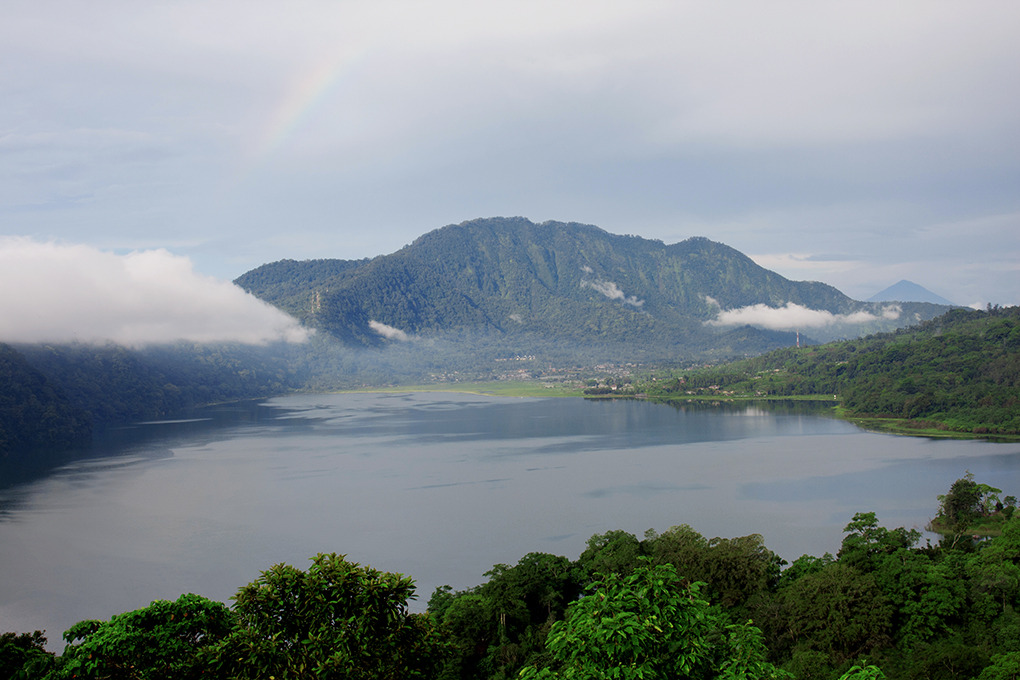
Nine Animals to See in Indonesia
A land of colors and life, Indonesia is home to one of the world's richest flora and fauna. With 10% of the world's rainforest and 17% of the planet's animals concentrated on its lands
A land of colors and life, Indonesia is home to one of the world's richest flora and fauna. With 10% of the world's rainforest and 17% of the planet's animals concentrated on its lands and waters, Indonesia sets numerous records and stands out as a premier destination for wildlife safaris. During your journey, you'll have the opportunity to witness remarkable animals, some of which, facing extinction, are the last representatives of their species. Make the most of your trip to encounter nature, its awe-inspiring inhabitants, and understand at a glance the impact of deforestation, human activities, and climate change on the world around us:

The Komodo Dragon
It is one of the world's and Indonesia's most mysterious animals. The world's largest monitor lizard, this immense reptile measuring 3 meters long and weighing approximately 90kg is endemic to Indonesia. It is found notably on the islands of Komodo, Rinca, Flores, Gilli Dasami, and Gilli Motang, but you'll have the best chance of observing the Komodo dragon in Komodo National Park. It is a fascinating animal, a cousin of dinosaurs, making it one of the world's most ancient species. The Komodo dragon is also known for its aggressiveness, so don't get too close—binoculars are your best friend!
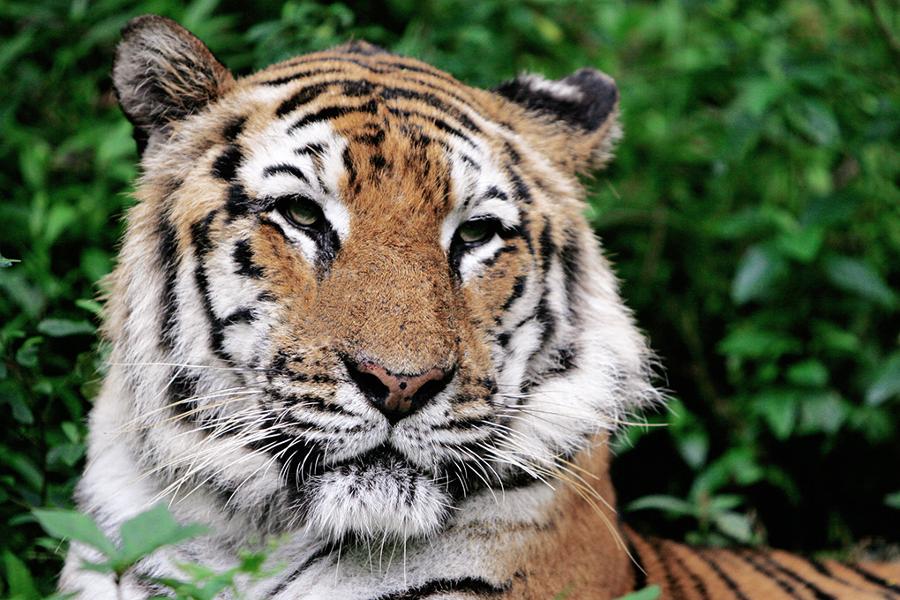
The Sumatran Tiger
Another endemic animal of Indonesia, the Sumatran tiger is the smallest of the tiger family. It remains very dangerous, however, and you'll have very little chance of encountering one. Unfortunately, this tiger is critically endangered, with fewer than 500 animals recorded. The Javan tigers, meanwhile, were declared extinct in 2003.
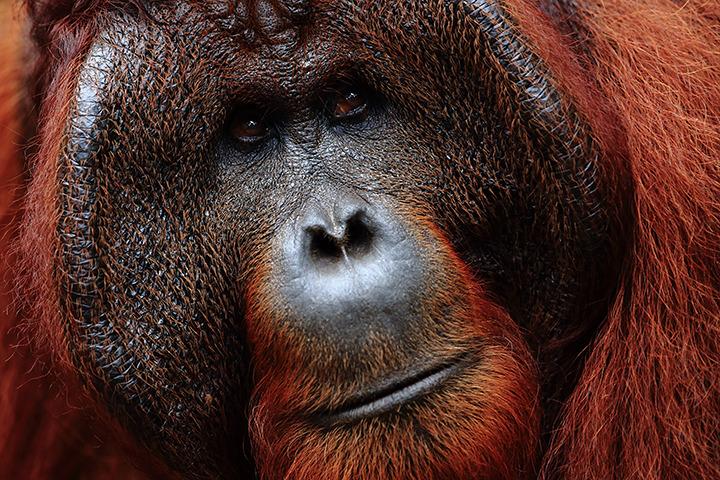
The Orangutan
This forest giant, whose name translates as "person of the forest", is one of Indonesia's most emblematic animals. Inhabiting the jungles of Sumatra and Borneo, this orange-haired ape is known for behavior similar to that of humans, making it an absolutely fascinating animal to observe. Unfortunately, it too is endangered, and its population continues to decline due to deforestation. Take advantage of your trip to Indonesia to encounter the last orangutans.
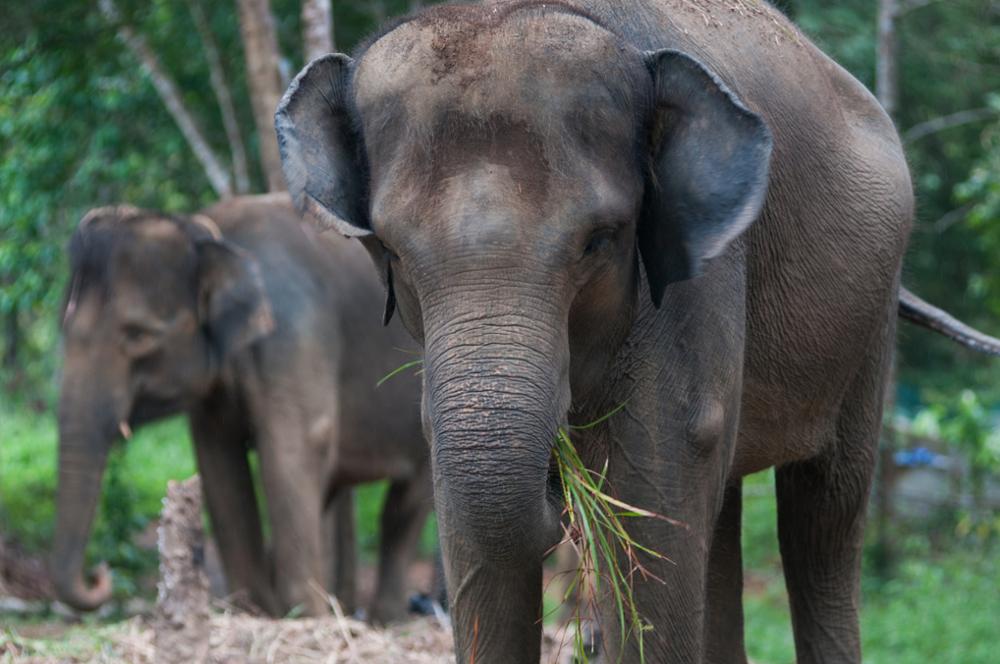
The Sumatran Elephant
This Asian elephant is likewise critically endangered due to poaching and habitat degradation. With its large ears, it distinguishes itself from other Asian elephants. Approximately 2,000 Sumatran elephants remain, most of which inhabit protected reserves. Other types of elephants are also found in Indonesia, including the exceptionally rare pygmy elephant, or Borneo elephant, whose population consists of only about a hundred individuals.
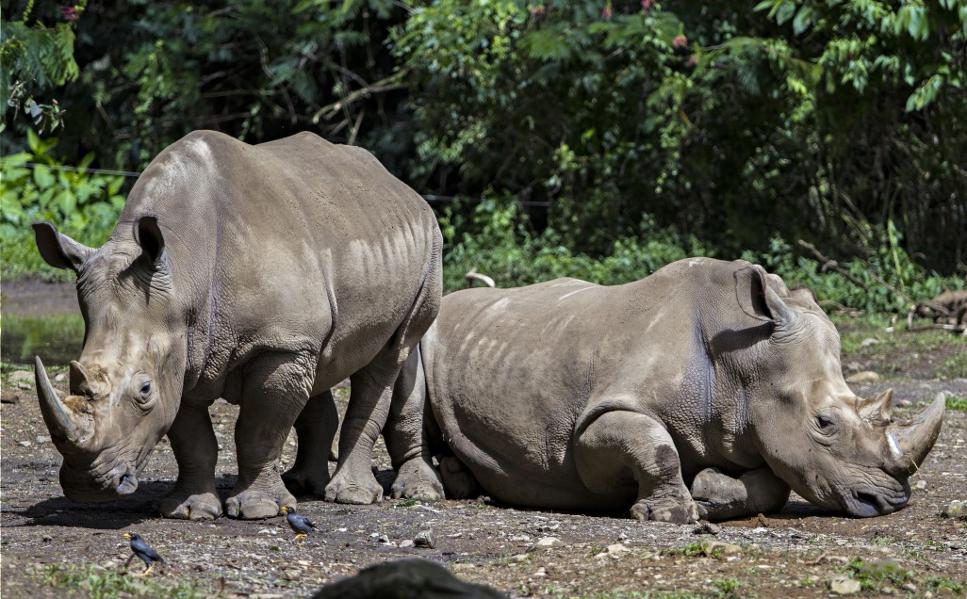
The Javan Rhinoceros
Along with the Javan leopard, it is one of the most difficult animals to observe in Indonesia, as very few remain. The Javan rhinoceros is smaller than its African counterpart, measuring approximately 3 meters in length and 1.4–1.7 meters in height. It also distinguishes itself by its single horn, which measures only 25cm. WWF estimates that only about sixty Javan rhinoceroses remain on Earth.
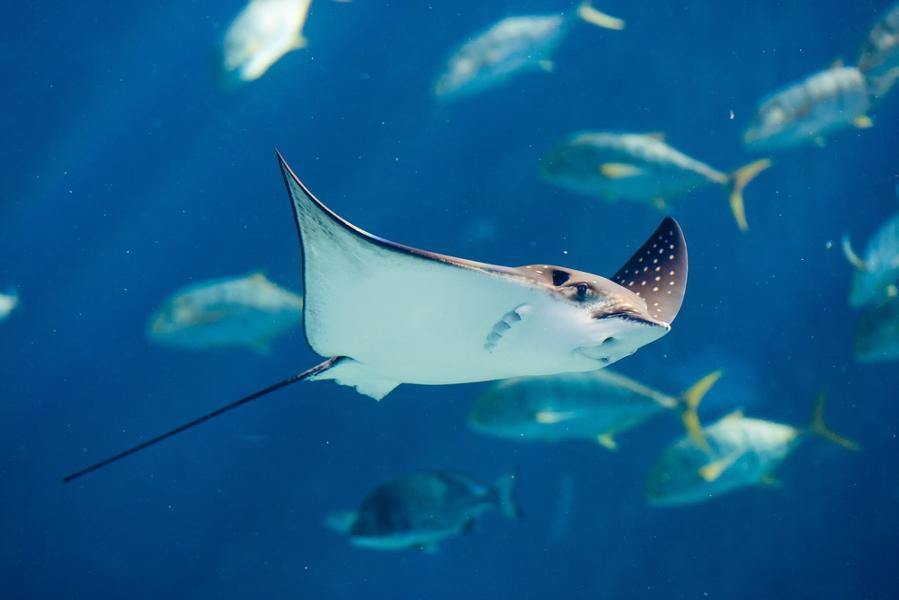
The Manta Ray
On the marine side, Indonesia is a truly colorful paradise. It is one of the world's most beautiful destinations for diving and boat excursions, as you can encounter incredible marine species, including the manta ray. They are found in numerous locations around the archipelago's islands, but Indonesia is also home to the world's largest sanctuary. Also called the "devil of the sea," this immense ray measures up to 8 meters in wingspan and weighs up to 2 tonnes! A true marine dance spectacle to observe without restraint.
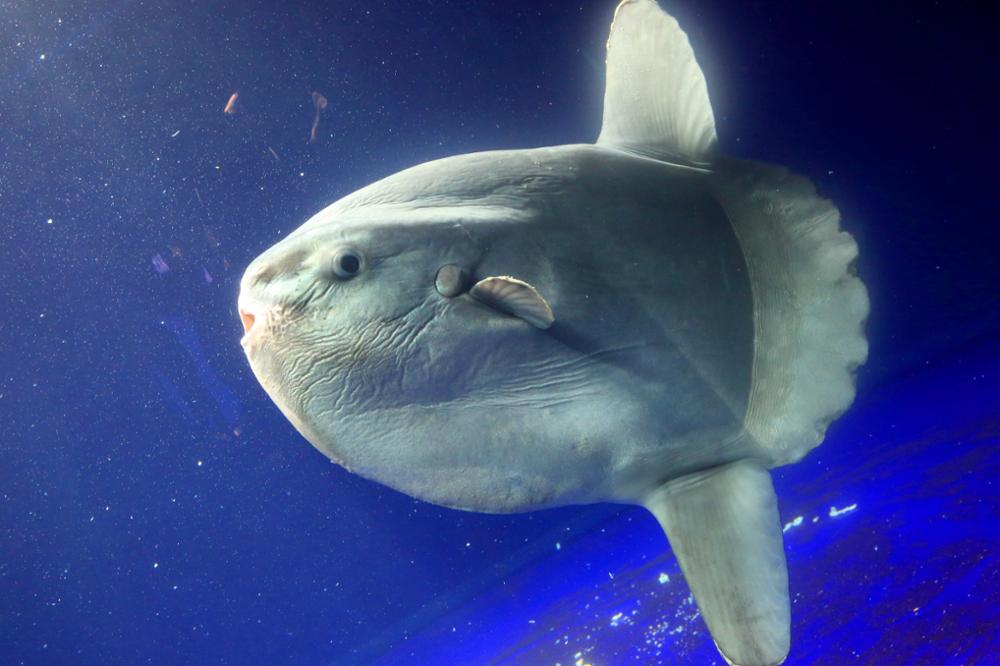
The Mola-Mola
The mola-mola, or ocean sunfish, is another mysterious marine species. Living in deep waters, this immense fish measuring more than 3 meters in length and nearly 4 meters in height can weigh almost 2 tonnes, earning it the title of the world's heaviest bony fish.
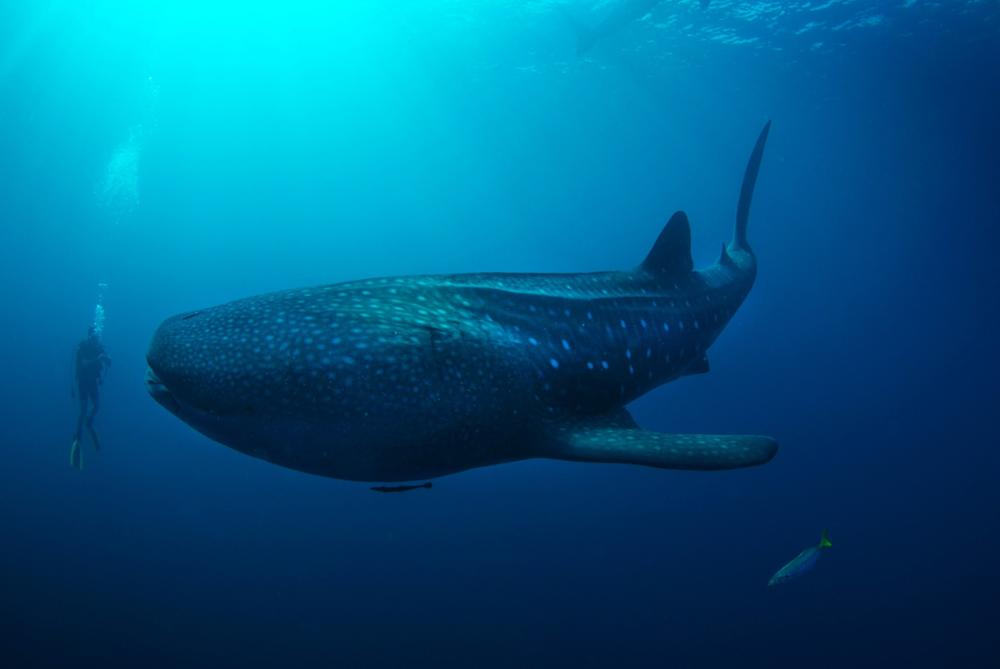
The Whale Shark
During your diving or boat excursions in Indonesia, you'll also have the opportunity to see the ocean's great inhabitants: dolphins, sharks, and whales. You'll notably encounter whale sharks, the world's largest fish, which can reach lengths of 20 meters! Completely harmless, they feed only on plankton and algae.
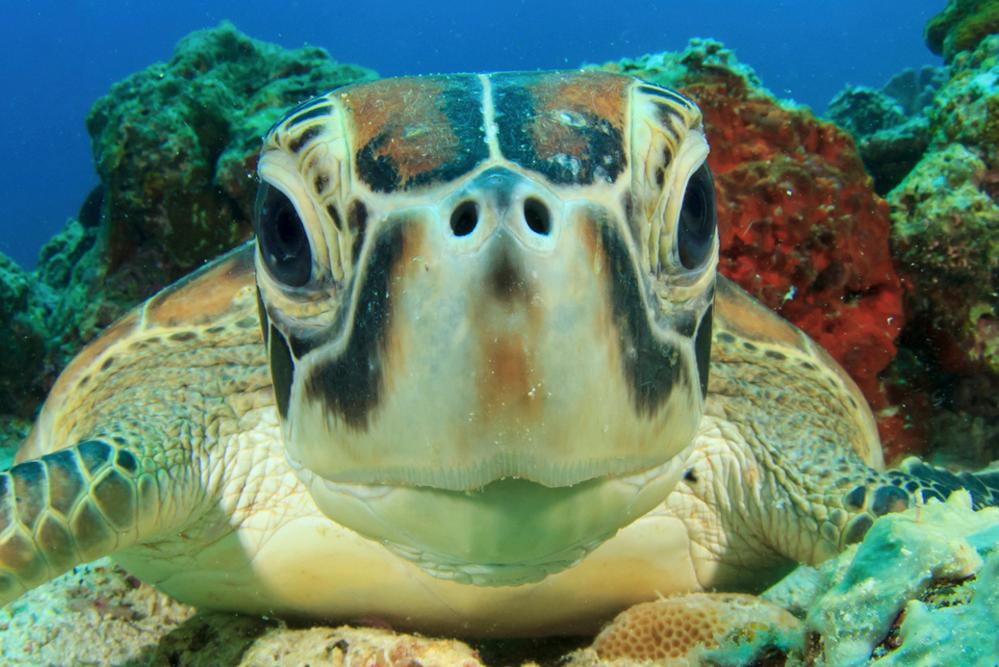
The Turtle
Between land and sea, you can admire the many turtles of Indonesia. The archipelago is home to eight species of sea turtles, including the leatherback turtle, the green turtle, and the hawksbill turtle. You can choose to observe them in their natural state during a diving session, or prefer to visit one of the many turtle conservation centers.
Marion Biremon