Encounter with the Batak Ethnic People
Encounter with the Batak Ethnic People
Europeanized, the term Batak, derived from Battak or Batta, designates the ensemble of Toba, Karo, Simalungun, Pak Pak, Angkola and Mandailing communities. All speak a different version of the Austronesian dialect
Europeanized, the term Batak, derived from Battak or Batta, designates the ensemble of Toba, Karo, Simalungun, Pak Pak, Angkola and Mandailing communities. All speak a different version of the Austronesian dialect, yet share the same writing system. A closer look at this intriguing ethnic group of Indonésie.
History and Key Facts About the Batak
Proto-Malay peoples are the direct ancestors of the Batak. Since time immemorial, they have lived isolated from the rest of the world, around Lake Toba in Sumatra. In 1825, despite Indian influence and contact with foreigners, these Indonésian minorities managed to preserve their authenticity. Located in different areas, each of the 6 Batak clans possesses its own cultural identity.
The possession of arable land and the pursuit of ancestral favor have always been sources of conflict between neighboring clans. On the other hand, social disputes are often observed within a single village. Dutch colonial occupation aggravated the situation. Despite their common origins, the Batak tribes remain fragmented to this day.
Location in Indonésie
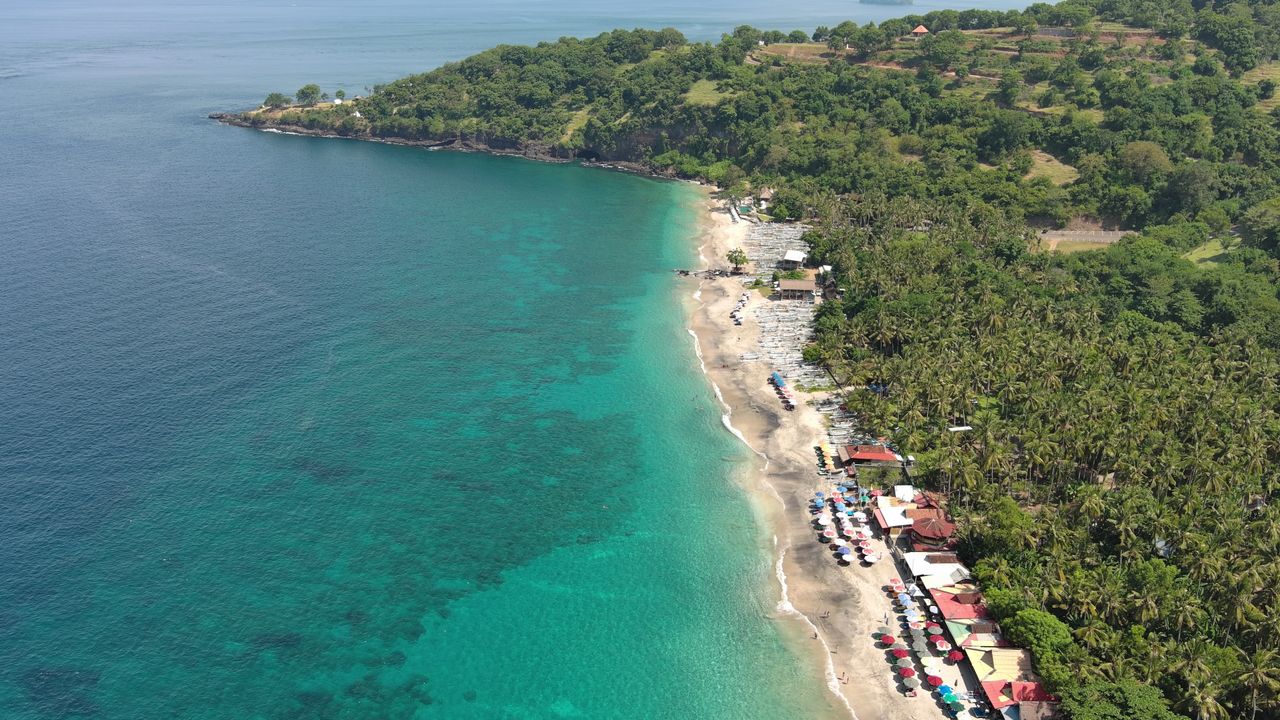
Farmers and hunters by tradition, the Batak have made their home in the verdant province of North Sumatra, in the land of orangutans. In the 21st century, more than 6 million people inhabit these lands. The Toba are situated in the center, while the Pak Pak, Karo and Simalungun occupy the north. The Mandailing and Angkola live peacefully in the south.
Batak Home and Village
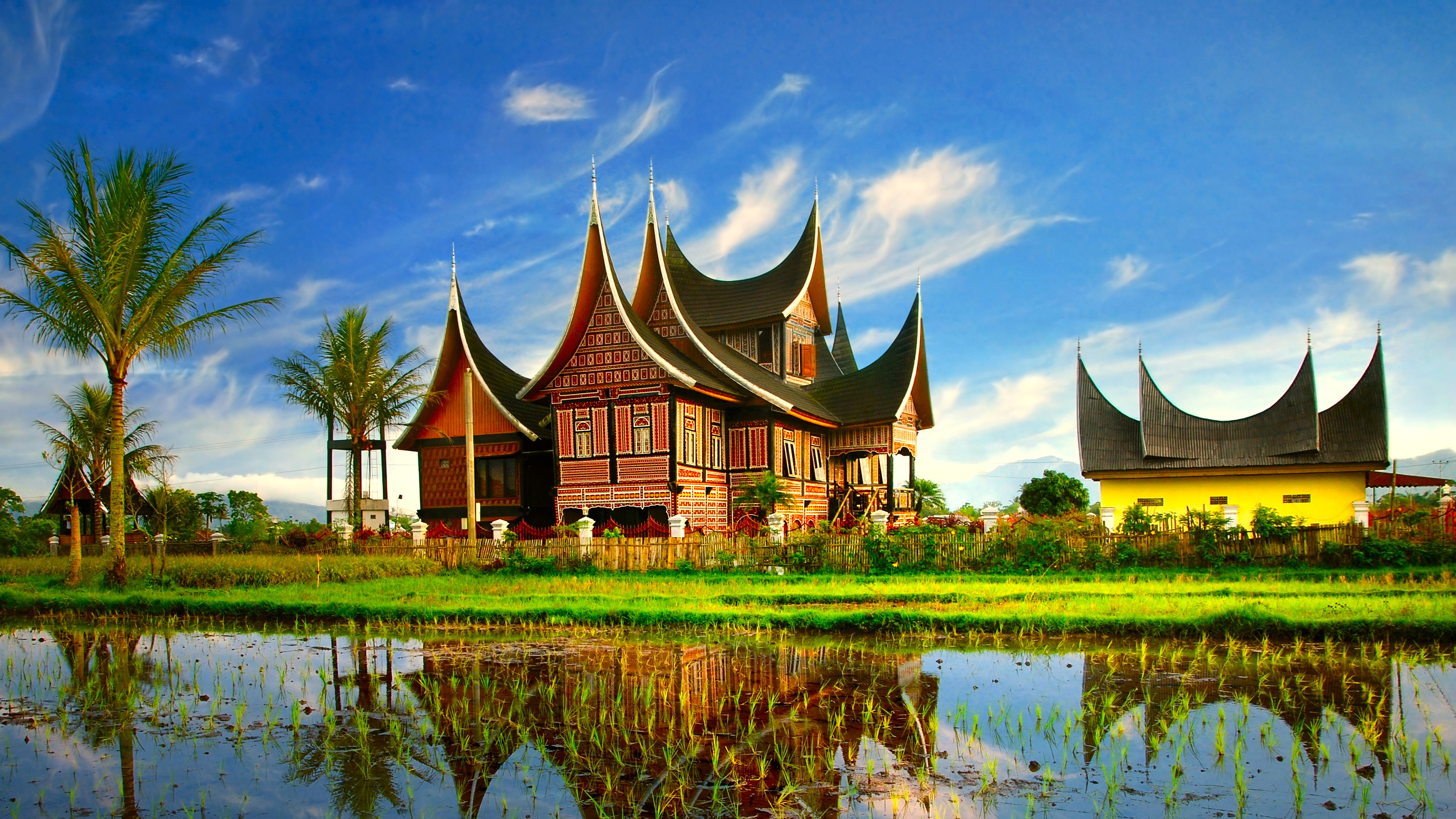
Built on three levels, a Batak house represents the three-dimensional nature of the universe. Pointing toward the sky, the saddle-shaped roof depicts the dwelling of the gods. The middle section of the home embodies the living space of humans. At the level of the stilts, the basement of each dwelling evokes the realm of ghosts and demons.
Bamboo and wood are the preferred building materials. Relief patterns adorn the exterior of each structure. The largest residences are decorated with protective animal heads.
Widely spread throughout Sumatra, Toba hamlets are composed of small, picturesque individual houses. In contrast, within a Karo clan, a dozen families live together in long wooden dwellings.
Religions and Traditions
Spirit Worship
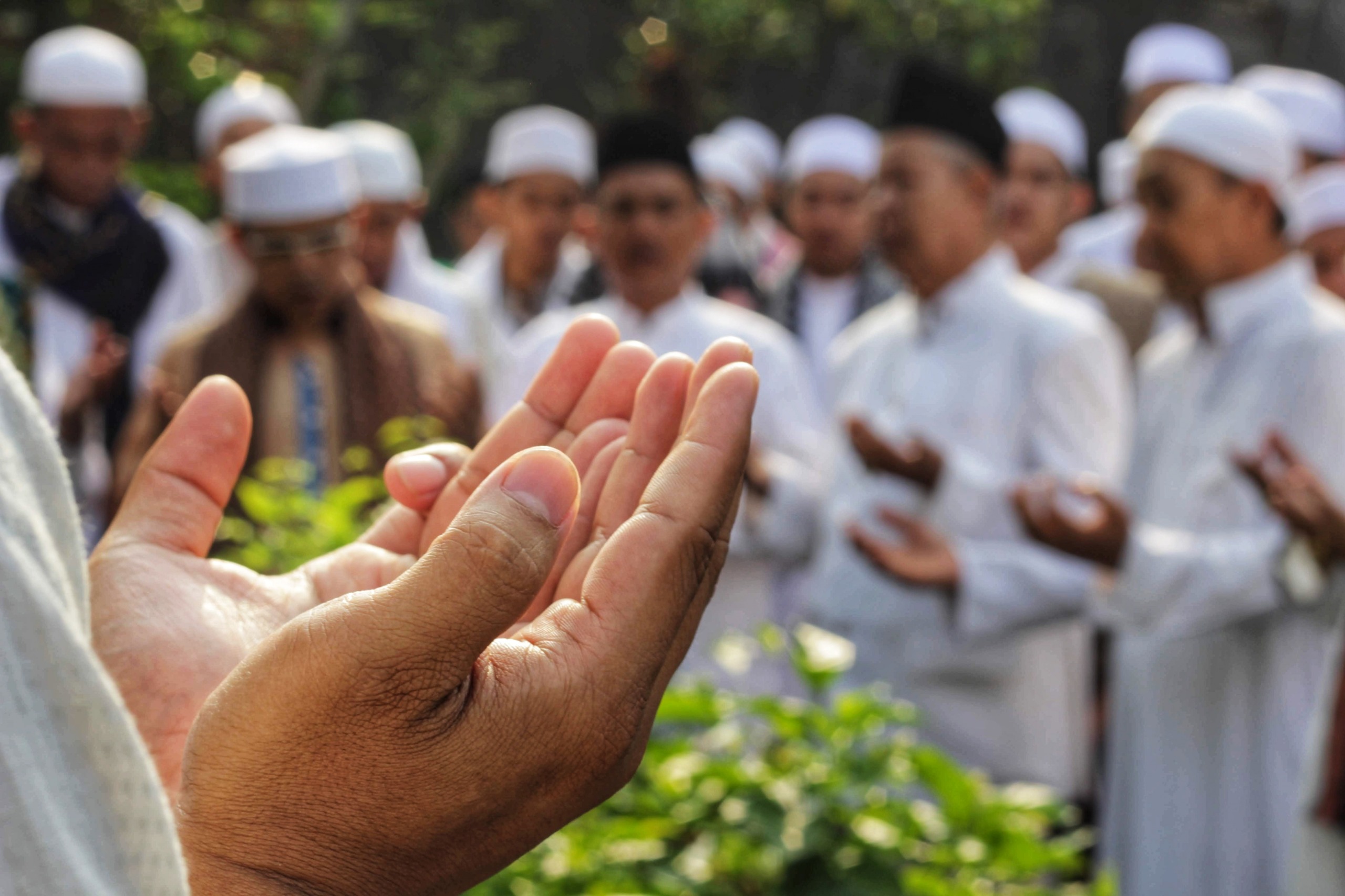
Of animistic faith, the Batak associate spirits with everything that exists on earth. Objects, plants, animals, stones, and more. The Datus, priests and masters of rituals, are the ministers of the spiritual and esoteric world. They are healers and diviners. They are sometimes assisted by women necromancers. Today, the majority of the tribe has converted to Protestantism or Islam.
Cannibalism
Formerly, the Batak were reputed to be cannibals. Highly controversial, this fact has never been justified. Numerous travel accounts evoke the subject. They emanate from explorers such as Marco Polo, Dutch colonists, or evangelists. All collected writings agree on one point. This practice was often a punishment reserved for prisoners and those guilty of heinous crimes. Adultery, betrayal, incest… From another perspective, the rumor of Batak anthropophagy may have been a deterrent method devised by village chiefs to protect their lands from foreign invasion.
Batak Marriage
Batak men and women of the same Marga (alliance coming from the father) cannot marry each other. They must seek their partners elsewhere in the hamlet. Once all traditions are respected (gifts, presents, special services…), the woman joins her husband's Marga.
A brief note:
Natives of the Toba clan are recognizable by their embroidered, handmade clothing. Textiles hold great importance for the tribe. During a wedding, the presentation of the ceremonial cloth ulos ragidup to the bride's mother concretizes the official union of the two families.
Organization of Society
Although placed under the authority of the Indonésian government, the Batak people possess their own social leaders, the Jajas. These are village chiefs gathered in council. Settling disputes collectively or unilaterally, they have full powers regarding marriage and succession.
Batak society has been organized into castes since its origins. The families of founders and the Datus occupy the highest levels of the hierarchy. Office workers are the most respected. Agricultural workers are at the lowest rung of the social ladder.
The Batak hold high-ranking positions in the administration of North Sumatra. Throughout Indonésie, they are prominent businesspeople and members of the social elite.
Give it a go!
Our local experts arrange this activity for you.