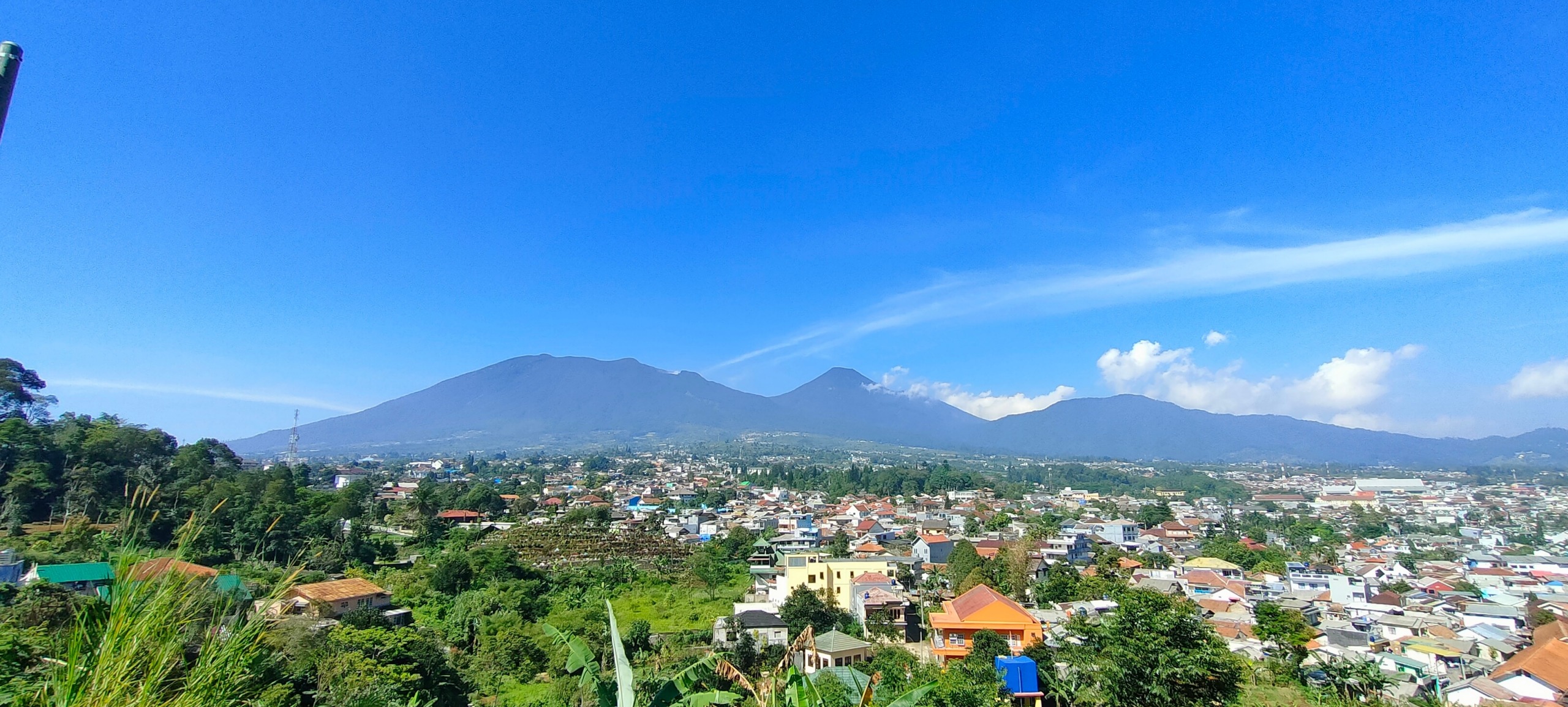
Tengger-Bromo-Semeru
Giant caldera, smoking Bromo crater, and Semeru peak: Bromo Tengger Semeru National Park concentrates Java's most spectacular volcanic landscapes, inhabited by the Tengger people and their ancestral Hindu rituals.
At the heart of East Java, Bromo Tengger Semeru National Park brings together active volcanoes, a giant caldera, and a black sand plateau. Mount Bromo (2,329 m) continuously belches sulfurous smoke above a sea of sand. Semeru (3,676 m), Java's highest peak, dominates the horizon. Between the two, the Tengger people perpetuate unique Hindu rituals on this predominantly Muslim island.
Practical Information at a Glance
- Entrance: Paid entry — differentiated rates for Indonesian residents and foreigners, payable at the park entrance.
- Access: From Probolinggo (north) or Malang/Tumpang (south) by 4×4 jeep rented locally; paved road to Cemoro Lawang, then dirt track.
- Recommended duration: 2 to 3 days minimum for Bromo plus Semeru hike (additional 4–5 days with permit).
- Clothing: Warm garments essential — temperatures near 0 °C at night and sunrise.
- Semeru ascent: Permit required, daily quota limited, online booking via SIMAKSI system.
- Accessibility: Very limited — rugged volcanic terrain, unmodified stairs to Bromo crater.
What to See
The Tengger caldera spans approximately 10 km in diameter. At its center, the sand sea (Segara Wedi) surrounds several volcanic cones including Bromo and Batok. The Bromo crater is reached on foot or horseback from the parking area, then by a staircase of several hundred steps. Semeru, meanwhile, requires a multi-day expedition with overnight camping.
History and Context
The Tengger people are descended, according to tradition, from refugees of the Hindu kingdom of Majapahit (14th–15th centuries). They have preserved a form of Javanese Hinduism mixed with animism. The name "Tengger" is said to come from the final two syllables of the legendary names Roro Anteng and Joko Seger, founding ancestors. The national park was officially established in 1982 and covers approximately 800 km².
Highlights of Your Visit
Sunrise from Mount Penanjakan
The Penanjakan viewpoint (2,770 m) offers the classic view of smoking Bromo with Semeru in the background. Jeeps depart Cemoro Lawang around 3 a.m. Arrive early: the platform fills quickly, especially on weekends.
Crossing the Sand Sea
From the parking area at Bromo's base, traversing the black volcanic sand on foot or horseback is an experience in itself. The atmosphere — smoke, silence, low-angle light — is striking at dawn.
Mount Bromo Crater
The staircase leads to the edge of the active crater. The ground trembles slightly, sulfurous emissions are noticeable. Stay within marked areas; the crater can emit ash without warning.
Kasada Festival
Each year, at the full moon of the 14th month in the Tengger calendar, residents throw offerings — vegetables, live animals, money — into Bromo's crater. This ritual, Yadnya Kasada, attracts pilgrims from across Java and remains one of Indonesia's most vibrant Hindu rites.
Semeru Ascent
The trek to Semeru's summit passes through Lake Ranu Kumbolo, an iconic campsite at 2,400 m. The final ascent to Jonggring Saloko crater is reserved for experienced hikers and subject to strict weather conditions.
Etiquette and Visit Rules
- The temple Pura Luhur Poten, at Bromo's base, is an active place of worship: remove your shoes before entering, wear a sarong (often provided at entry).
- Do not throw anything into the crater outside of Kasada — it is forbidden and dangerous.
- Respect marked safety zones around the crater; volcanic alert levels can change rapidly.
Photography Tips
Golden light in the first 30 minutes after sunrise is ideal from Penanjakan. To avoid crowds in your frame, position yourself slightly away from the main platforms. An ND filter can help capture crater smoke in long exposure. Protect your camera from fine volcanic dust.
Location and Access
The park is located in East Java province. The two main entry gates are Probolinggo (northern access, most frequented) and Tumpang near Malang (southern access, for Semeru). From Surabaya, allow approximately 3 hours' drive to Probolinggo. Public minibuses connect Probolinggo to Cemoro Lawang. Renting a 4×4 jeep with driver remains the most practical way to explore the caldera.
Nearby Attractions
- Surabaya — Indonesia's second-largest city, logistics hub with international airport.
- Malang — charming colonial town, alternative base for south-side park access.
- Ijen Crater — another active volcano in East Java, famous for its turquoise acidic lake and sulfurous blue fire visible at night.
- Bali — accessible by ferry from Banyuwangi (eastern Java), often combined in circuit itineraries.
Frequently asked questions
The dry season (April to October) guarantees clear skies for sunrise. During the rainy season (November to March), clouds often obscure the view from Penanjakan, but the park remains open.
For Bromo alone, a guide is not mandatory. For Semeru ascent, an experienced guide is strongly recommended and SIMAKSI permit is required.
Temperatures at Penanjakan often drop to 2–8 °C before dawn. Pack a fleece jacket, windbreaker, gloves, and a beanie. A dust mask is useful near the crater.
Yes, this is a classic East Java circuit. Bromo is typically visited first (accessible from Probolinggo or Malang), then you head to Banyuwangi for Ijen, before ferrying to Bali.
Photography is generally permitted outside the temple. Inside, ask the guardians for permission and avoid photographing ceremonies without explicit consent.
If the alert level is raised, authorities may close access to the crater or certain zones. Check the status with PVMBG (Indonesian volcanic agency) before you depart.
Want to discover this destination?
Our local advisors design your tailor-made trip.