Indonesian Spices
You probably already know that Indonésie is one of the world's largest producers of spices. Known for its diverse arts and cultures, the Indonesian archipelago is equally renowned for the wide variety and quality of its spices, an integral part of the history of this young nation.
You probably already know that Indonésie is one of the world's largest spice-producing countries. Known for its diverse arts and cultures, the Indonesian archipelago is equally renowned for the great variety and quality of its spices, an integral part of the history of this young nation.
A Bit of History
The Portuguese were the first Europeans to take an interest in the spices of the Moluccas, and between the 16th and early 17th centuries, they competed with the Spanish for control of the spice market. It was then the Dutch who conquered the monopoly of this lucrative market.
Spices were indeed, at that time, the main and most precious merchandise, and prices sometimes reached—or even exceeded—that of gold! Why? Because spices have significant properties, particularly for health. In days past, spices were highly prized by Europeans, as they warmed bodies during winter. We also know that spices were already used in the time of the Egyptian pharaohs (cinnamon, pepper, and cloves notably) for the preservation of mummies. Spices are also widely used in cuisines around the world.
The Countless Indonesian Spices
Here is a description of the main spices of Indonésie, which will, I hope, make your mouth water.
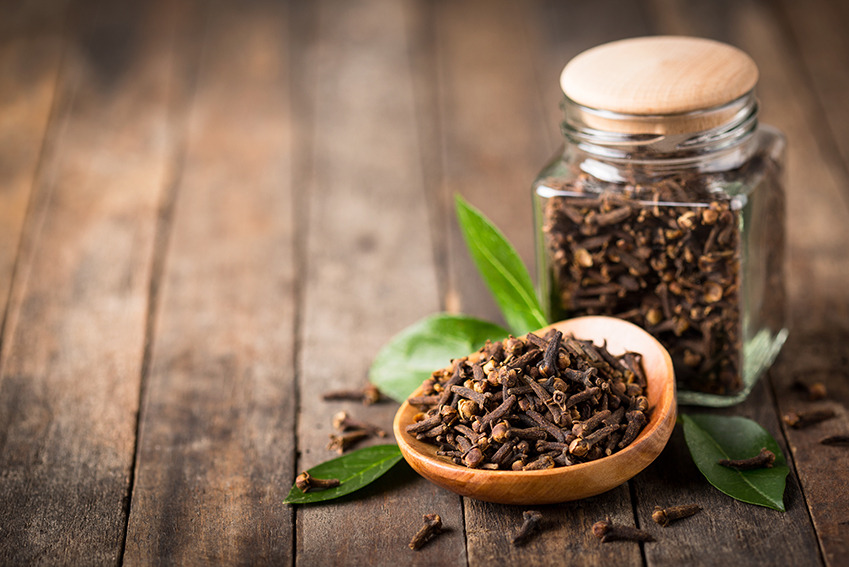
Clove (Cengkeh in Indonesian)
The clove (clove in English) is a spice originating from the Moluccas (Ternate & Tidore), which sometimes exceeded the price of gold in Europe. As an anecdote, the tradition in the Moluccas is to plant a clove tree each time a child is born, as the belief holds that it promotes the growth of the newborn.
The Moluccas are currently the world's largest producer of cloves, and other production areas are located in North Sulawesi, Aceh, West Sumatra, Lampung, and Central Java.
The clove is probably the oldest spice, as it has been known and used for thousands of years, well before the Christian era.
Beyond cooking, the clove is also used as a remedy against allergies. This spice indeed contains many substances that enter into the composition of, for example, anti-inflammatories, antibiotics, and essential oils. It is thus with clove that toothaches, inflammations, and digestive system disorders are treated. It can also relieve sinusitis. This spice is also good for the skin, as it helps eliminate facial spots and heal acne wounds.
In cooking, clove is generally used to enhance flavors, such as in curry, for example. Middle Eastern dishes are very often garnished with it. It can also serve as a decoration on cakes, and in some regions of Indonésie, its powder is mixed with coffee to refine the aroma.
Nutmeg (Pala)
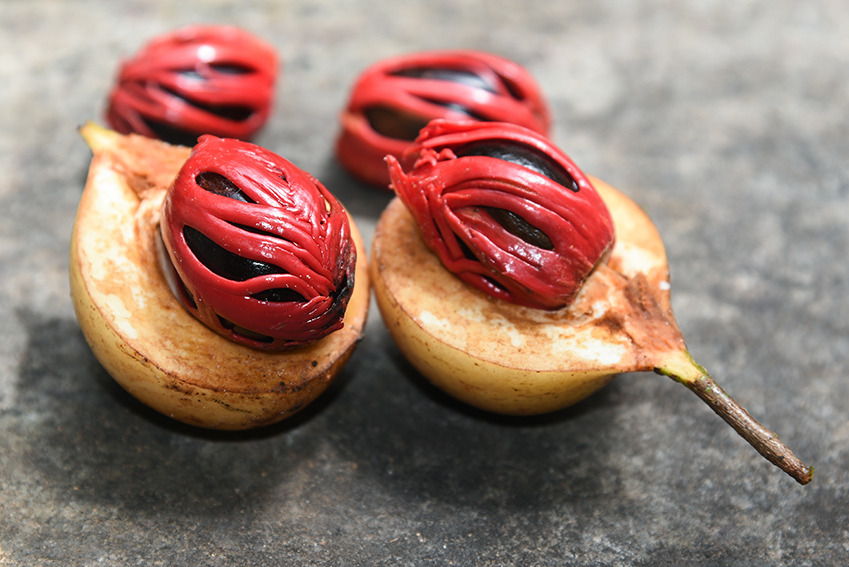
Nutmeg is cultivated on fertile, dry soil, primarily in the north and southeast of Sulawesi, in Bengkulu (Sumatra), in Papua, and of course in the Moluccas (notably in the Banda archipelago, from where it originates). Indonésie is the world's third-largest producer of nutmeg.
In the past, Arabs traded nutmeg with Europe at the onset of winter, as this spice was considered an excellent meat preservative. It was therefore highly prized, and when the Dutch discovered the Banda archipelago, the English were not long in confronting them to seize the monopoly of this trade. At the time of the Black Death, nutmeg was so in demand that its price could exceed that of gold, and it is said that some sailors who returned from the islands and managed to conceal some could buy a castle with the profits they made.
Nutmeg contains calcium and magnesium, which are excellent for bone growth and the body's general health. It also warms the body, preserves metabolism, and contributes to the natural detoxification process.
Nutmeg also contains an essential oil that significantly reduces cancer cells in the blood. This spice is also excellent for skin and blood circulation.
In cooking, nutmeg is used to flavor meats, soups, and more. Mixed with hot beverages, it warms the body and is equally effective in eliminating unpleasant odors from certain ingredients (fish, etc.).
Pepper (Lada, Merica)
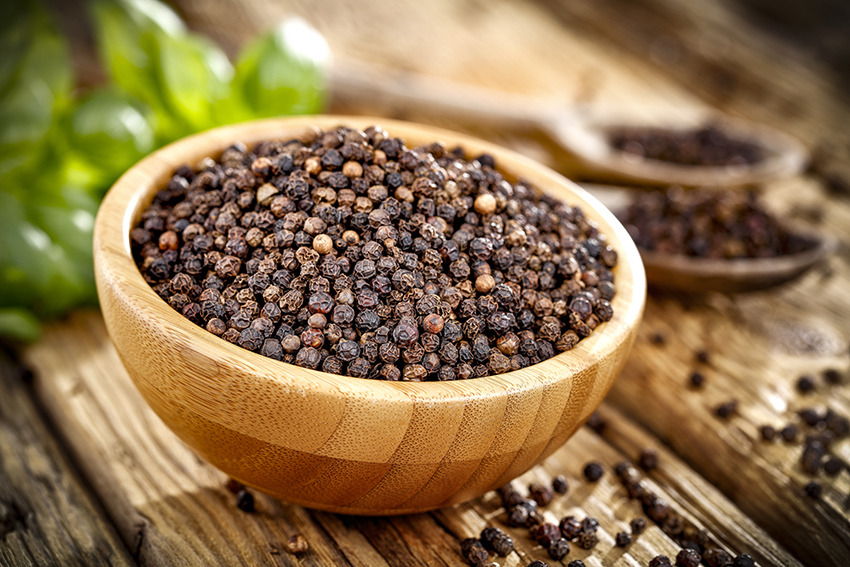
Brought from India well before our era, pepper is known in two forms: black pepper and white pepper. The Indonesian archipelago is the world's second-largest pepper producer (80% of production is exported), and the province of Lampung (Sumatra) is known as the largest black pepper producer. White pepper is mainly cultivated in the Bangka region. Other producing provinces include: Aceh, Jambi, West & East Kalimantan, Lampung, the Lesser Sunda Islands, South & Southeast Sulawesi, North & South Sumatra, and Yogyakarta. Indonesians are rather fond of white pepper.
Pepper warms the body and is effective against colds, flu, headaches, and stomach aches. Its pleasant yet strong aroma is also used to treat flu. And pepper is of course one of the main ingredients in culinary dishes worldwide.
Cardamom (Kapulaga)
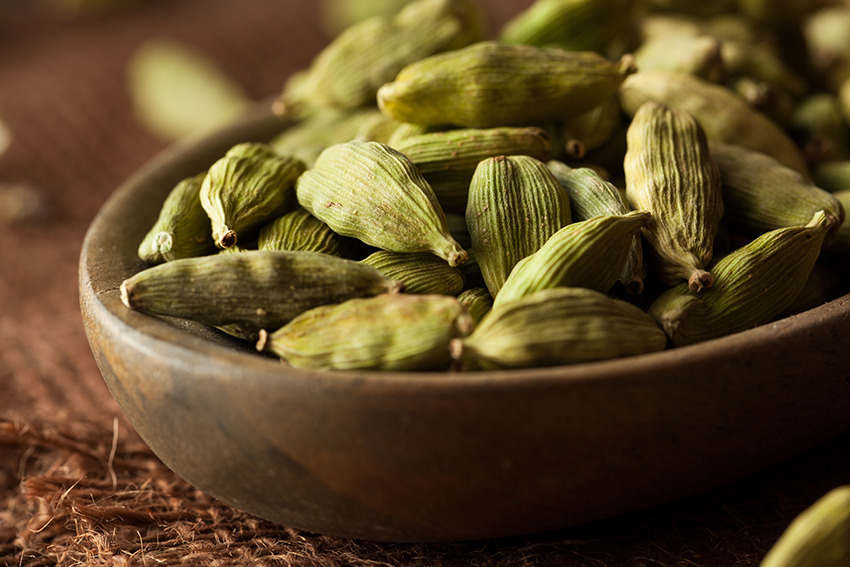
Cardamom is cultivated mainly in the west and center of Java, as well as in South Sumatra. It is considered one of the most expensive spices in the world after saffron and vanilla, whose price is set at the same level as gold in current international trade. Its seeds and roots are not only used regularly in cooking and pastry-making, but also in medicine, as it has the virtue of curing stomach spasms.
Cardamom is also found in India, Bhutan, Bangladesh, and Nepal, as Central Asian cuisines are very fond of it. There are in fact two types of cardamom: Javanese cardamom and Indian cardamom. Black cardamom is generally used for making curry, while green cardamom is used in the making of coffee, tea, and biscuits.
In Indonésie, there is even a beer (pletok) made with cardamom!
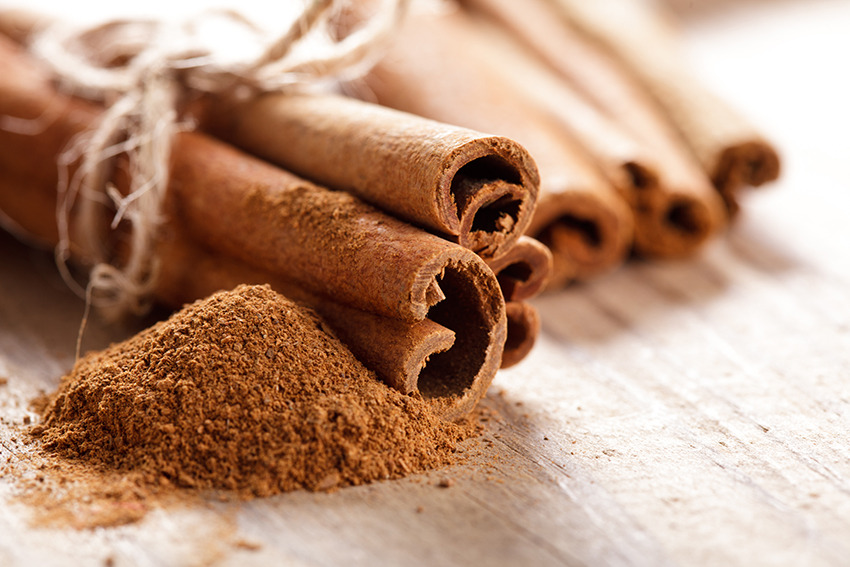
Cinnamon (Kayu Manis)
Originating from the region of the Kerinci volcano (between Jambi and West Sumatra), cinnamon is a type of wood whose aroma is vibrant with that typical spicy and sweet taste when cooked. Cinnamon is mainly cultivated in West Sumatra, Jambi, and Yogyakarta.
There are four types of cinnamon: Ceylon, Cassia, Saigon, and Korintje. Indonésie is the leading producer of Cassia cinnamon, a type of cinnamon that is very fragrant, spicy, and quite bitter.
Indonesian cinnamon is known under two names: "Kerinci" (cinnamon produced around Mt. Kerinci—in the province of Jambi) and "Verra" (cinnamon cultivated in other regions of Indonésie). The main importers of Indonesian cinnamon are the United States (46%), the Netherlands (11%), Germany (4%), and Singapore (4%).
This spice subtly flavors your cappuccino, for example. It is also used in traditional medicine, as it contains many substances such as eugenol, calcium oxalate, fat, and asparagine. Cinnamon indeed allows for blood sugar control (a study proved that adding cinnamon to desserts reduces blood sugar without eliminating the sweet taste), relief of headaches, and prevention of infections, just as it does for rheumatism.
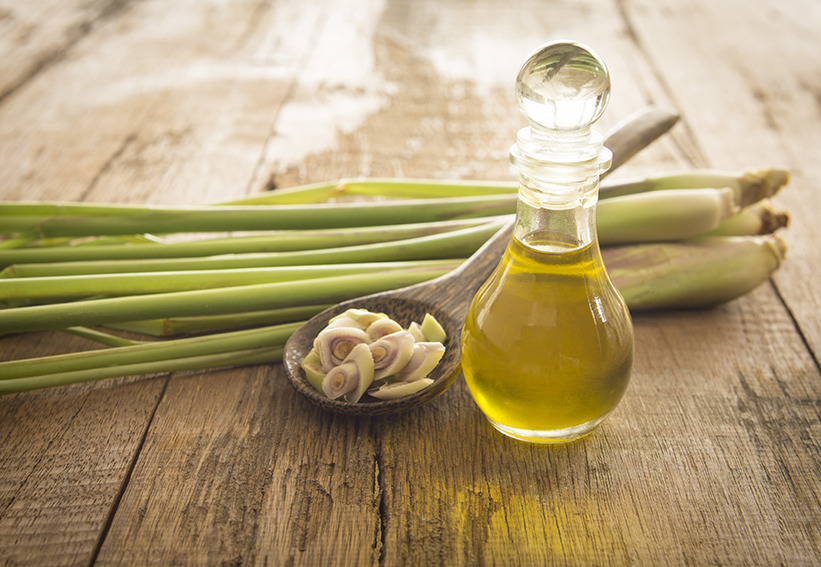
Lemongrass (Serai)
In the form of thick-skinned herb, colored yellow or green, lemongrass is part of the grass family and is often used in cooking. Beyond its repellent effect on mosquitoes, this spice is also used as an essential oil to, among other things, improve digestion, hydrate and nourish the skin, as well as eliminate body odors.
Lemongrass is of course used in cooking, and in Indonésie, it often flavors dishes such as rendang, soups, rawon, etc.
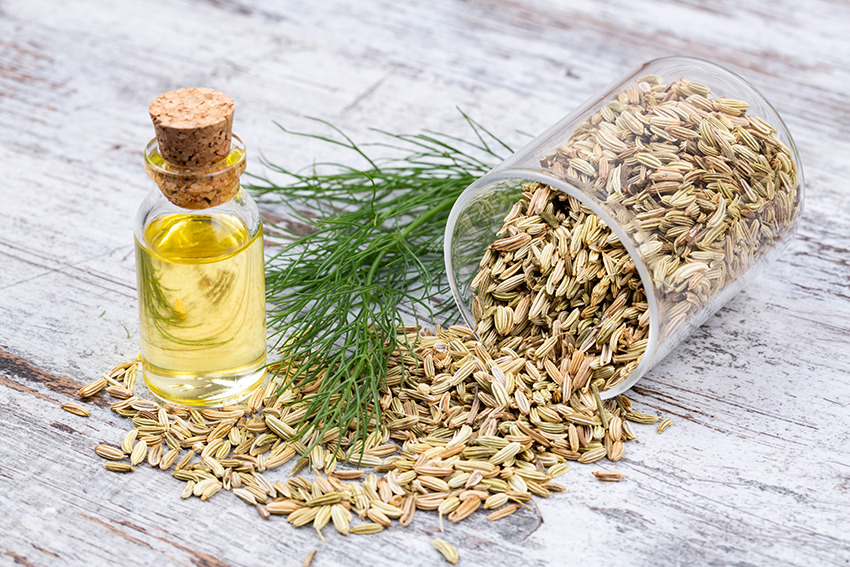
Fennel (Adas)
Baby oils are mainly composed of fennel seeds. In cooking, fennel is often mixed into salads and used as a substitute for celery in soups.
Fennel oil is an excellent anti-inflammatory, diuretic, and antimicrobial agent. In phytotherapy, this spice treats digestion, nausea, diarrhea, jaundice, lack of appetite, coughs, asthma, hernias, insomnia, kidney stones, rheumatism, and even vision. Fennel also helps increase the volume of breast milk and relieves menstrual pain.
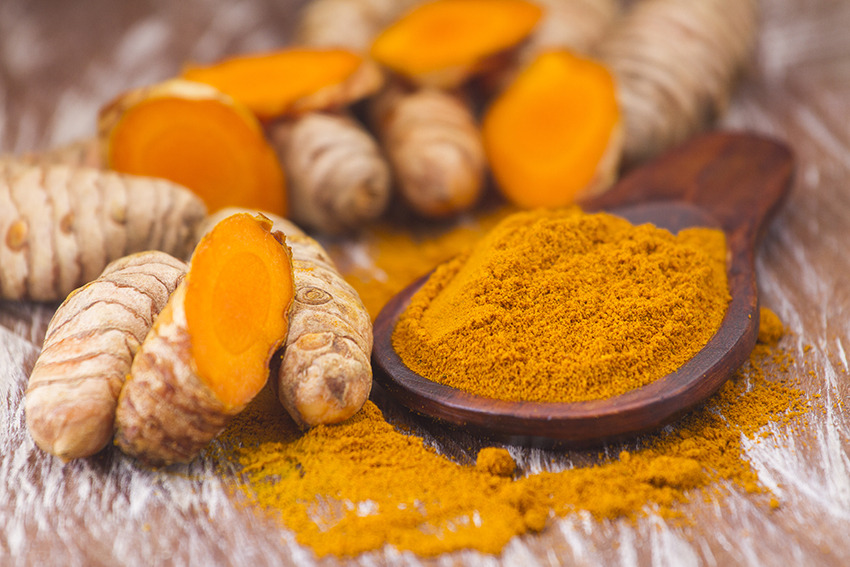
Turmeric (Kunyit)
Dried rhizome of a herbaceous plant, turmeric is closely related to ginger. This spice is sometimes also called "Indian saffron" because of its orange color. Turmeric is cultivated mainly in Java and is often used as a natural colorant in cooking, particularly in curry dishes. In Indonésie, turmeric is associated notably with typical dishes such as rendang or gulai.
In medicine, the main advantage of turmeric is treating stomach aches and digestive problems, but it also serves to improve breathing and soothe severe itching. This spice is also applied as an antiseptic for skin abrasions or cuts.
Star Anise (Bunga Lawang)
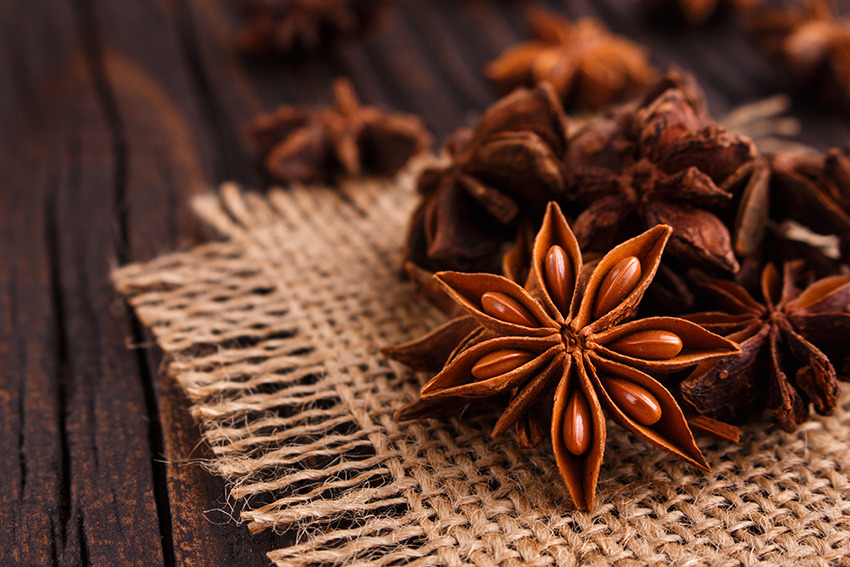
The flowers of the Chinese star anise, with their distinctive strong odor, are used to enhance the flavor of foods, just like cinnamon and clove. In India, star anise is mixed into curry-based dishes, and it is also found in Vietnamese, Thai, and Indonesian fare. In Indonésie, for example, these are gulai and rendang, and generally Javanese and Balinese dishes, which most use star anise.
The taste is similar to that of anise, and star anise oil is excellent for health.
Coriander (Ketumbar)
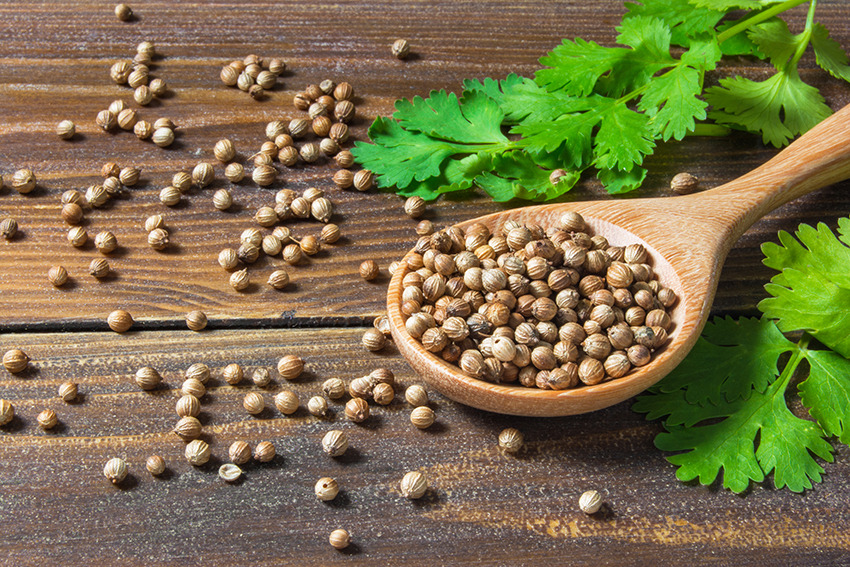
Coriander is one of the most popular spices in Indonésie and has the same appearance as pepper. Its skin is simply a bit coarser and smaller. It grows in plains and mountainous regions.
In Indonésie, coriander is used in cooking as celery is used. Ground into powder, it has the virtue of intensifying flavors, particularly in curry dishes or in chili sauces. In terms of health, coriander relieves bloating and promotes intestinal transit. It also seems that this spice facilitates breastfeeding.
Ginger (Jahe)
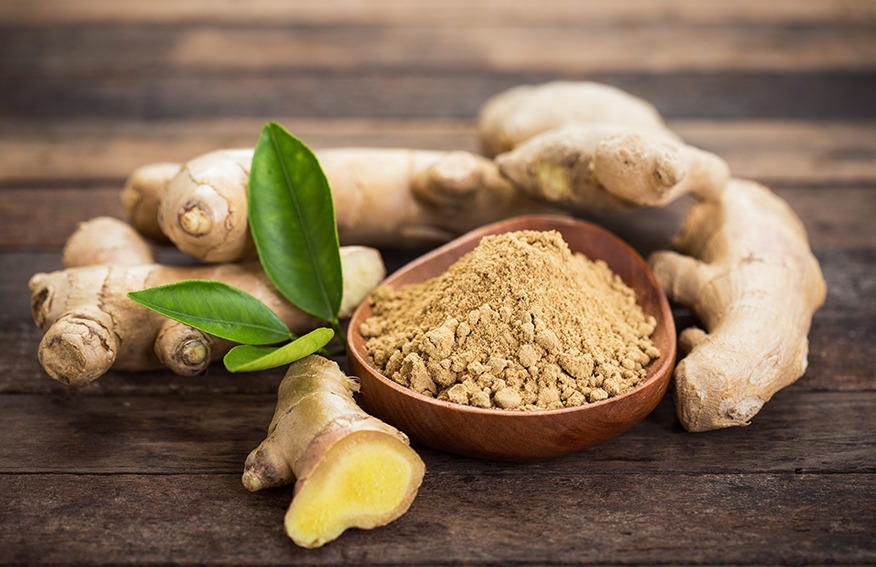
Ginger was often consumed by soldiers of the East India Company, during the colonial era, to warm their bodies. Hence its popularity in Europe. Besides, in medieval times, ginger was part of beer's composition, in order to enhance its aroma.
In Indonésie, the main production centers are located in Java, Sulawesi, North Sumatra, and Lampung. There are three types of ginger: white ginger (jahe emprit) for foods and traditional herbal beverages; yellow ginger (jahe gajah) for foods; and red ginger for medicines and for making ginger oil. There are altogether nearly 90 types of ginger.
The dominant flavor of ginger is due to a ketonic compound (zingeron) and its virtues are many: the spice prevents colon cancer, heart disease, rheumatism, digestive problems, as well as certain nauseas.
Ginger is also delicious as an infusion or mixed with tea or coffee. In Indonésie, one of the most popular drinks is wedang jahe, which can be found in sachets in supermarkets.
Candlenut (Kemiri)
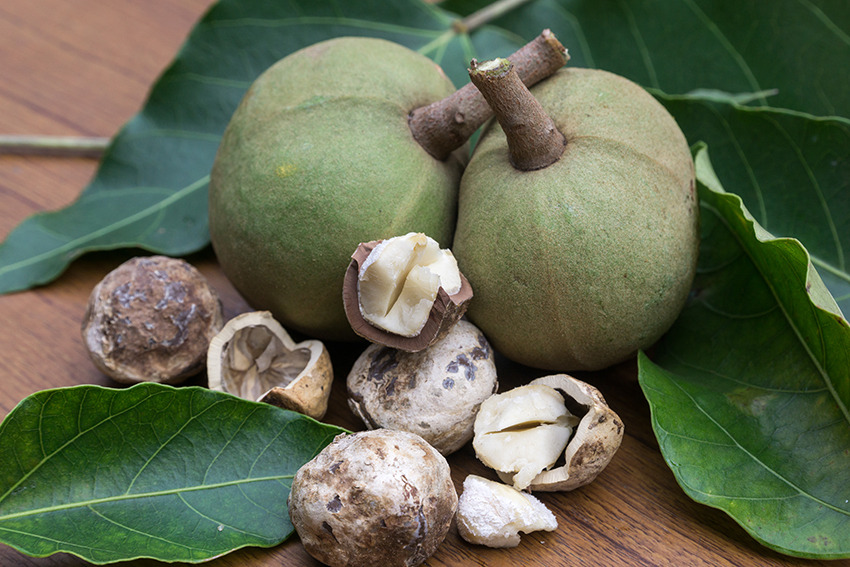
Originating from the Moluccas and known by various names in Indonésie, the candlenut enhances the salty flavor of certain dishes. This spice is mainly produced in Central and West Sulawesi, as well as in Sumbawa. In these regions, candlenut often substitutes for coconut milk in vegetable dishes, as it contains a lot of oil.
Candlenut has a high phosphorus and calcium content, and its oil is used to make hair grow and thicken it. It is also used to relieve canker sores and toothaches, and as a medicine to treat diarrhea.
In cooking, candlenut is used to thicken sauces, particularly in soto and rawon. This nut also fixes spices to other ingredients.
Vanilla (Vanila)
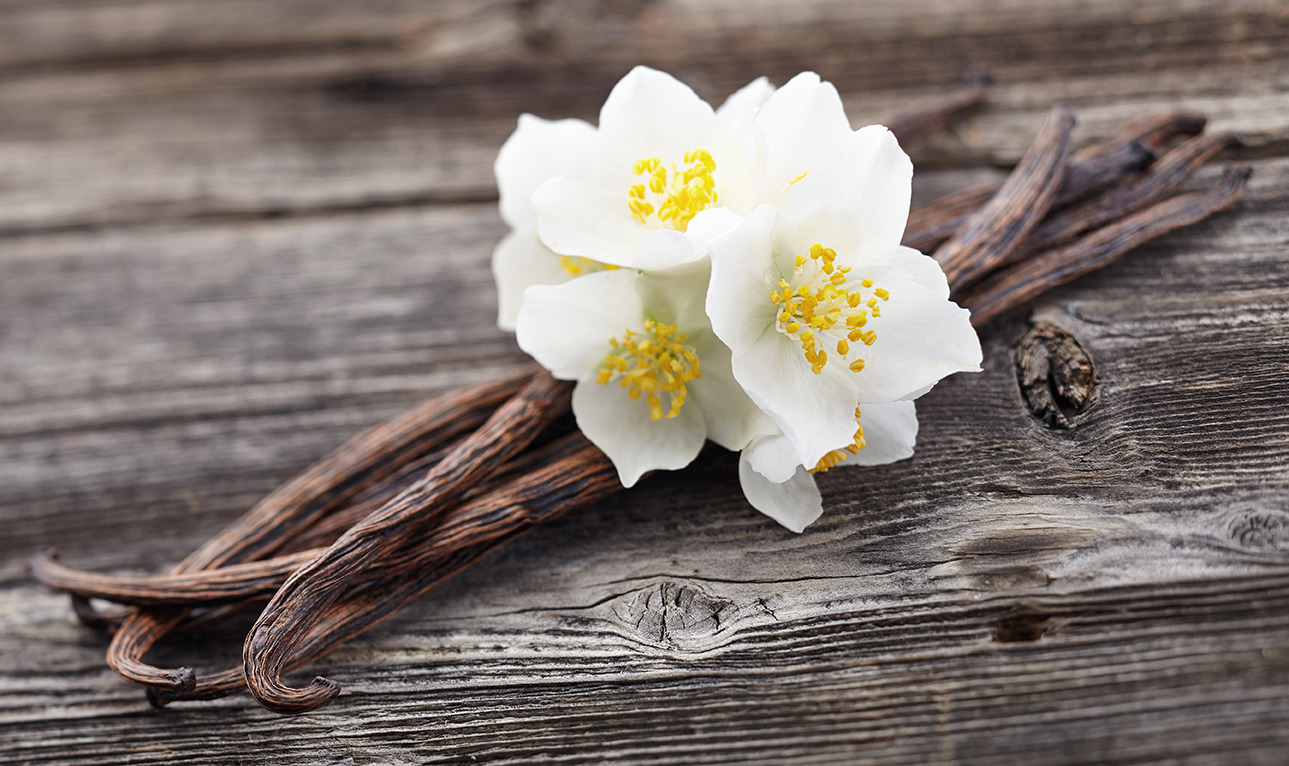
Indonesian vanilla is among the most remarkable. Most of the pods cultivated on the islands are of the Planifolia type, that is, sweet, piquant, and oily.
The climate, soil properties, and processing methods all contribute to giving vanilla a unique smoky taste with earthy undertones. It is a bean highly prized for desserts, chocolates, and caramels. The smokiness, which pairs so well with sweets, also gives an unexpected boost to savory dishes like barbecue sauces, curries, brown butter, and cream sauces.
Cumin (Jinten)
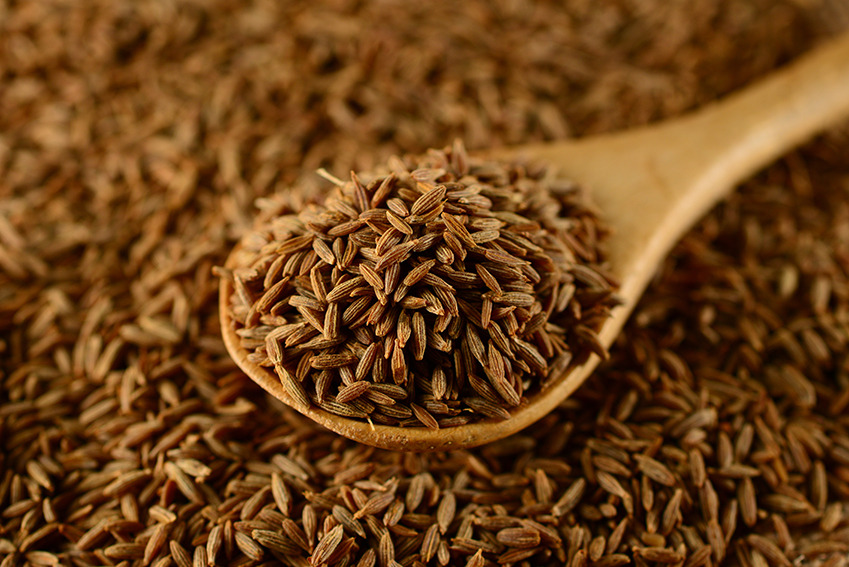
Cumin generally grows in cool regions or mountains. This spice is often mixed with coriander to flavor meat dishes. And, like coriander, cumin oil can be used in the making of liqueurs. Cumin seeds are fragrant, with a slightly spicy taste. Cumin also serves to warm the body and promote digestion.
Tamarind (Asam)
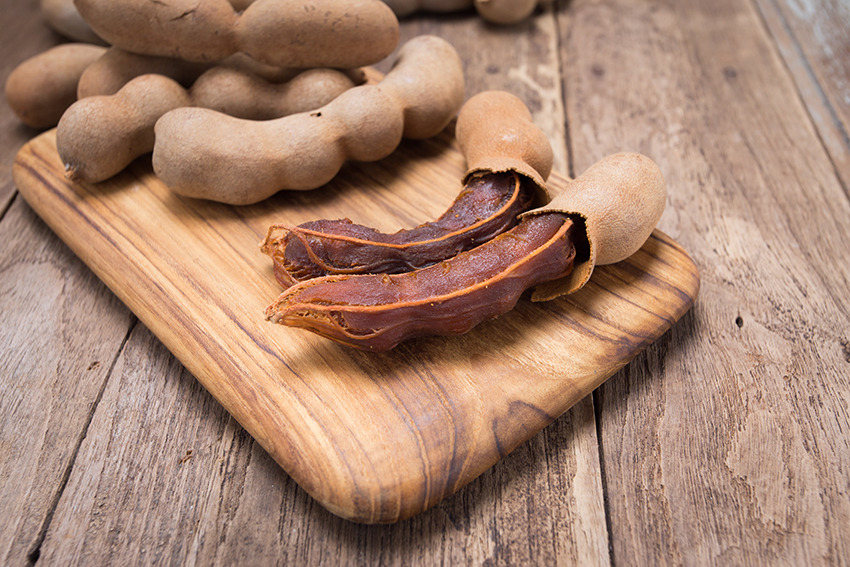
There are two types of tamarind. Asam kandis has a sour taste, while the skin of the fruit has a chelate taste. It is used in jams, curries, and for marinating fresh fruits. This type of tamarind is very popular in Sumatran dishes, such as the famous pindang. Tamarind is also used as a natural colorant.
Imported from India a very long time ago, asam Jawa is a kind of sour fruit, commonly used as a spice in many Indonesian dishes to compensate for the acidity of certain foods. It is therefore found in vegetables or in pempek soups.
Galangal (Kencur)
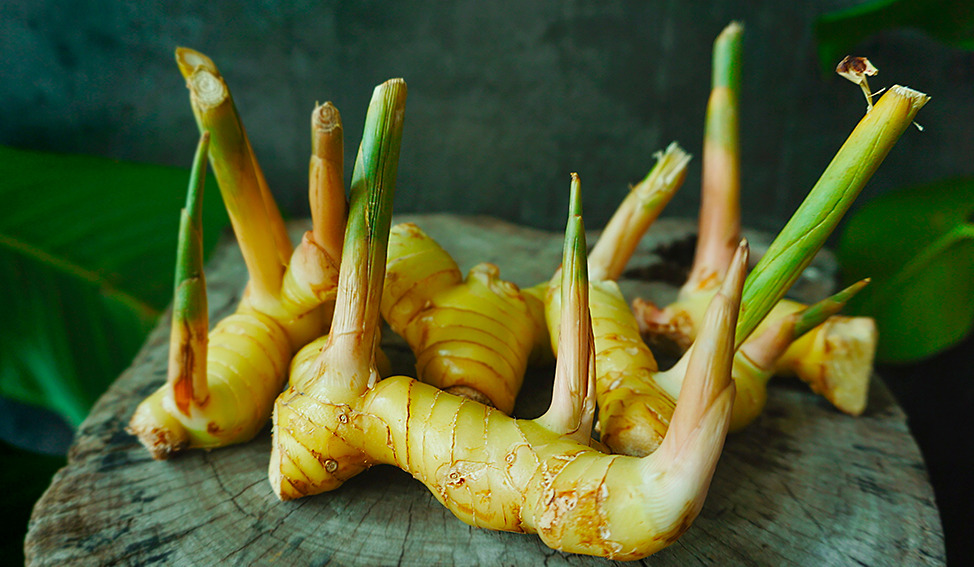
The rhizome of galangal contains essential oils and alkaloids that are used as stimulants. This spice grows easily on plateaus where the soil is loose. Medicine has demonstrated that galangal has numerous virtues, including those of treating colds, ulcers, and coughs.
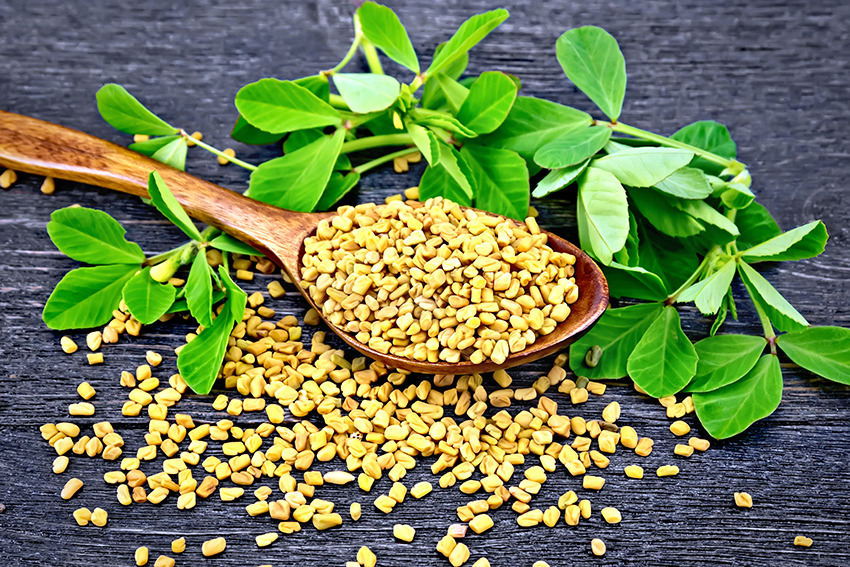
Fenugreek (Kelabat)
Fenugreek is very regularly used in Indian, Pakistani, and Sri Lankan dishes. In Indonésie, this spice is popular in Aceh, particularly in curry fare. Fenugreek leaves are used for medicine and its seeds for cooking. When roasted, these release a beautiful fragrant aroma.
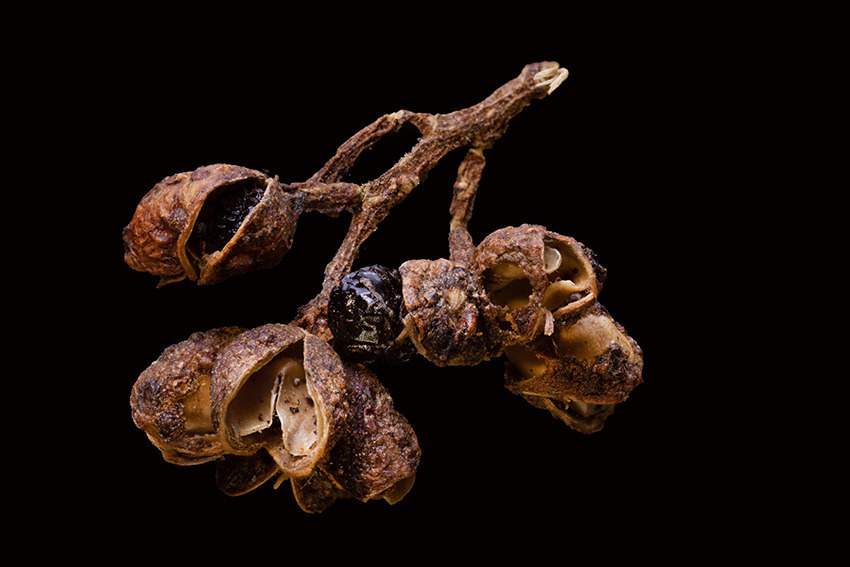
Andaliman (Andaliman)
Originating from North Sumatra, Andaliman comes from the outer skin of the fruit of several plant species belonging to the zanthoxylum family. This spice is better known by the name "Batak pepper." Andaliman has a sweet yet "biting" citrus aroma, which produces a dry or numbing sensation on the tongue, even though it does not "warm" as much as chili or pepper. This sensation of "electrical discharge" on the tongue is due to the presence of hydroxy-alpha-sanshool.
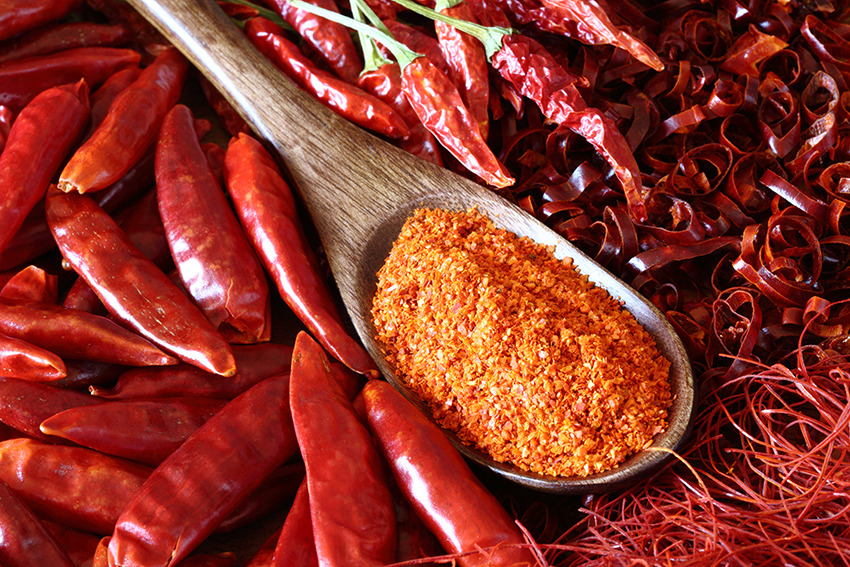
Red Chili Pepper (Cabai)
Red chili peppers can be classified as vegetables or spices, depending on how they are used. As spices, hot peppers are very popular in Southeast Asia to enhance flavors. Red chili pepper is a plant product cultivated by many Indonesian farmers because its selling price is high and it presents several health benefits: capsaicin acts for example in treatments against cancer. The relatively high vitamin C content of chili peppers can also meet daily needs.
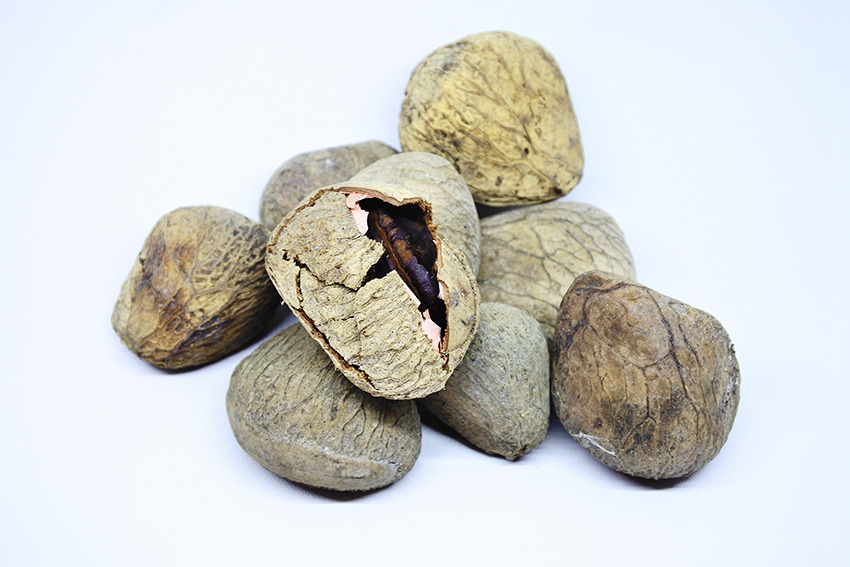
Pangium Edule (Keluak)
Pangium edule is a tree-shaped plant that grows wild or semi-wild. The Sundanese (who inhabit West Java) call it picung or pejung, as do the Javanese of Central Java. The flesh of this fruit, used as a spice, is dark brown in color and has a soft texture. The seeds are also used as a spice in Indonesian cooking: they are what give a black color to rawon, to kluwek (seasoned meat), to brongkos, and to konro soup.
Translated & adapted from Indonesian and English by Dominic Clarisse
Sources: Mikirbae, LifeBrown, Bobo & IndonesiaExpat
A great thank you to our English-speaking partner, Kubu Nature Homeware, for their help in writing this article. Feel free to contact them () if you would like more information, or simply to obtain these precious spices of Indonésie.