Bali expects its visitors to respect its sacred temples
With over five million visitors each year, Bali is a privileged destination for travelers. While they contribute to the development of the famous Indonesian island, the latter is not
With over five million visitors each year, Bali is a privileged destination for travelers. While they contribute to the development of the famous Indonésie island, the latter is not spared from the pitfalls of mass tourism. Disregard for rules and lack of respect for traditions have recently prompted authorities to crack down on undisciplined tourists. Here's what you need to know.
Undisciplined tourists in the spotlight
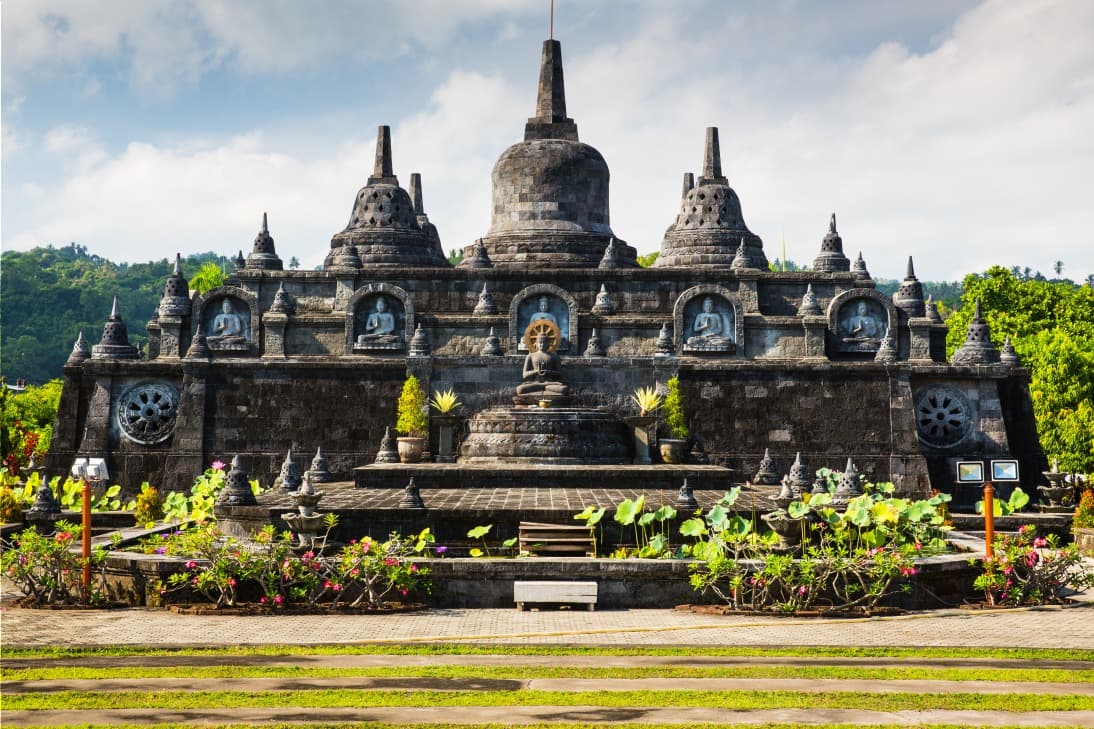
Nicknamed the Island of the Gods, Bali seduces visitors, among other things, through its countless temples and Hindu culture that offer a spectacle rich in colors. While the influx of tourists is beneficial for the island's economic development, the phenomenon is not without consequences on the preservation of local traditions. From tourists strolling in bikinis to those climbing on sacred temple grounds to take selfies, Balinese residents are concerned about the rise of such thoughtless and disrespectful attitudes.
What caused an uproar among locals last September was the photo of a Danish tourist in the sacred temple of Puhur Luhur Batukaru. He was sitting on a throne reserved for the most important deity in local Hinduism. The photo went viral and offended many Balinese people, prompting authorities to react. Given strict laws on blasphemy, the Indonesian Hindu Religious Council declared it had instructed police to investigate and find the tourist responsible. This incident also prompted authorities to consider stricter laws against tourists: it was, in a sense, the straw that broke the camel's back.
Bali's vice governor, Tjokorda Oka Artha Sukawati, stated at a regional council meeting: "This is the government's attempt to maintain the Pura temples", adding that "temples must be preserved because they are the spirit of Bali's cultures and customs". Beyond dress code guidelines—namely covering the chest, belly, and thighs—the government is reconsidering visits to sacred temples by unaccompanied tourists.
Proper conduct to observe in temples
Here are the essential rules to follow if you wish to visit Bali's sacred temples:
- Do not enter so-called "main" temples without permission, unless invited by a local and dressed appropriately.
- Dress properly. Since legs are considered the impure part of the body in Hindu culture, they must be covered with a sarong. To respect tradition properly, don't forget the selendang, a prayer shawl to tie around the waist. Bali's most visited temples typically lend sarongs and selendings at the entrance.
- Never touch a Balinese person's head. Balinese people consider this part of the body sacred, as it contains the soul.
- Never position yourself higher than a priest during a ceremony.
- Do not walk in front of worshippers while they are praying, in order to avoid disturbing them.
- Pregnant women, those who are menstruating, or those who have recently given birth must not enter a temple, as they are considered impure in Hindu religion.
To avoid any misstep, the ideal approach is to visit Bali's temples with an English-speaking guide. Not only will you deepen your knowledge, but you will also understand the importance of respecting all the religious traditions that have made Bali's reputation.
Florine Dergelet