Frequently Asked Questions
Planning a trip, especially to a country on the other side of the world, always raises questions. What is the best season to visit Indonésie? Can you pay in dollars in
Planning a trip, especially to a country on the other side of the world, always raises questions. What is the best season to visit Indonésie? Can you pay in dollars in the country? What type of clothing should you bring? We've compiled for you the most frequently asked questions by travelers heading to Indonésie.
Do I need a visa to visit Indonésie?
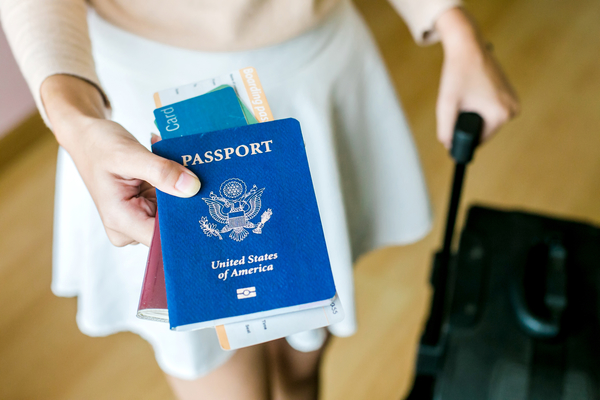
photo © Taiwan Jz via Shutterstock
If you're planning a trip of 30 days or less, since June 2015, you no longer need a visa to visit Indonésie. At most major international airports (including Jakarta, Bali, Lombok, Surabaya, and Yogyakarta), you can therefore enter Indonésie without any administrative formalities or expenses.
If you're planning a trip of 30 to 60 days, you can request a VOA (Visa On Arrival) upon your arrival in Indonésie. This visa costs $35 for a 30-day visa, renewable once for an additional month. To extend it, you must visit the immigration office before your initial visa's expiration date—at least one week earlier to be safe. Please note that the extension process takes more than one business day. You'll need to go to the immigration office to submit your passport and extension request form, then return a few days later for your photo to be taken and to collect your passport. Plan to stay in the same city for a few days to complete these procedures.
Let's talk money... Can you pay in euros or dollars in Indonésie? Do you need to exchange money and where? Are there ATMs in Indonésie?
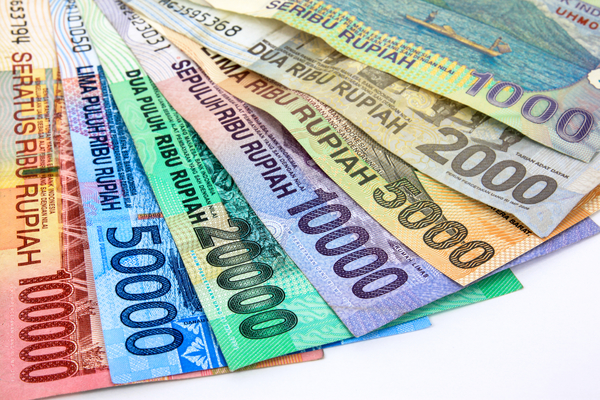
Photo © club4traveler via Shutterstock
In Indonésie, in the vast majority of cases, it's not possible to pay in anything other than Indonesian rupiah. So you won't be able to use euros or dollars for your daily expenses. If you arrive with cash and want to exchange it, try to avoid doing so at the airport. Exchange fees there are very high. Wait until you reach the city center and look for an authorized exchange bureau. Never exchange money at small shops on street corners or on the beach, even if—especially if—the exchange rate looks very favorable. In Bali, you'll find BMC exchange bureaus scattered throughout the island (Kuta, Legian, Seminyak, Ubud, and even Lombok).
To avoid running around town looking for an exchange bureau, the simplest solution to get rupiah is to withdraw money from an ATM using your bank card. You'll find ATMs that accept Visa and Mastercard very easily at the airport and in cities of all sizes. To find them, it's simple—Mastercard and Visa logos are always displayed on ATMs that accept these cards.
What is the electrical system in Indonésie?
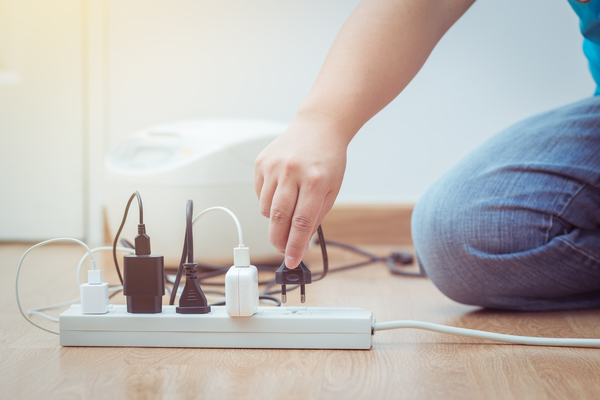
photo © sirastock via Shutterstock
For travelers from English-speaking countries, electrical outlets, voltage, and frequency are the same (230 V, 50 Hz in many places, though some areas use 110 V at 60 Hz). You should check your destination's specific requirements, but many outlets and voltages will be compatible with English-speaking regions. Refer to your destination's specifications before travel.
For travelers from North America, note that you'll need an electrical adapter, as electrical outlets in Indonésie differ from those in Canada and the US. Additionally, be aware that the standard voltage in Indonésie (230 volts) is higher than in North America (110 volts), and the frequency is different as well (60 Hz in North America versus 50 Hz in Indonésie). Small devices like camera chargers, phone chargers, or laptop chargers generally don't require a voltage or frequency converter. To be sure, check that the following information is printed on the device: "INPUT: 100-240 V, 50/60 Hz". For larger appliances like hair dryers or electric razors, they often need to be used with a voltage and frequency converter to avoid damaging them.
Why are meals (except breakfasts) and domestic flights not included in most Azimuth itineraries?
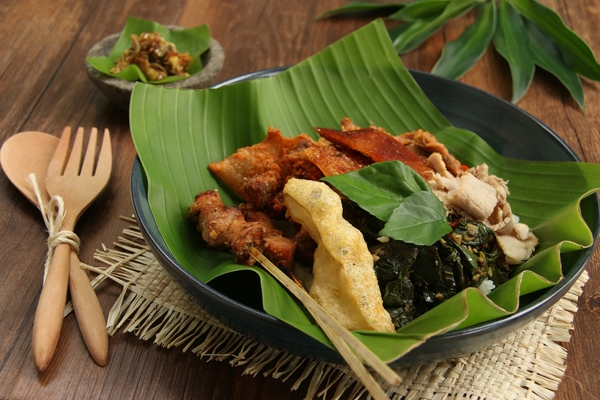
Babi guling dish, photo © by Ariyani Tedjo via Shutterstock
The magic of travel often comes from happy accidents... You've made a wonderful encounter and want to extend the moment? Someone just recommended a restaurant you'd like to try? Azimuth itineraries give you enough flexibility to decide on the spot and at the last moment what you'd like to do. It's also a way to account for unexpected travel situations. Feeling a bit worn out by jet lag? Exhausted after a day of souvenir shopping? No problem—you can easily dine comfortably at your hotel.
By giving you the option to choose where you want to eat and how you travel between different legs of your journey, we primarily want to avoid forcing you into a rigid schedule that won't match your expectations. We know that travelers don't all have the same priorities: tight budget or luxury vacation, we give you the option to choose flights that best suit your needs and desires, so you can create a tailor-made trip that's truly yours.
What are the best airlines to reach Indonésie?

photo © Shutterstock
It all depends on your priorities. You won't choose the same airlines or routes depending on whether you prefer a budget flight or maximum comfort. For more information, we invite you to consult our article dedicated to this topic.
https://www.voyageindonesie.com/choisir-billet-avion-indonesie/
What type of clothing should I bring?

photo © Chutima Chaochaiya
If you're staying in Bali for your entire visit, pack the same clothes you would take to Spain or southern France. Still, bring some clothing that covers a bit more for temples (short-sleeved t-shirts rather than tank tops, long skirts or pants).
If you're visiting Java or other islands, you may feel more comfortable if your t-shirts aren't too low-cut, and if your shorts or skirts reach mid-thigh or below. Javanese women, regardless of their religion, generally don't wear low-cut tops or thin-strapped tank tops. Even if nothing prevents you from wearing them, you might feel self-conscious, which isn't pleasant when you want to stroll leisurely through the city.
If you're heading to a beach on an island other than Bali (or a less-visited beach in Bali), bring shorts and a tank top, which should ensure a swim and sunbathing away from prying eyes. Note that outside Bali, sea swimming remains quite rare, and when Indonesians do swim, they typically do so fully clothed—both men and women.
What's the weather like in Indonésie? What is the best time to visit if I want to go diving? And to climb a volcano?
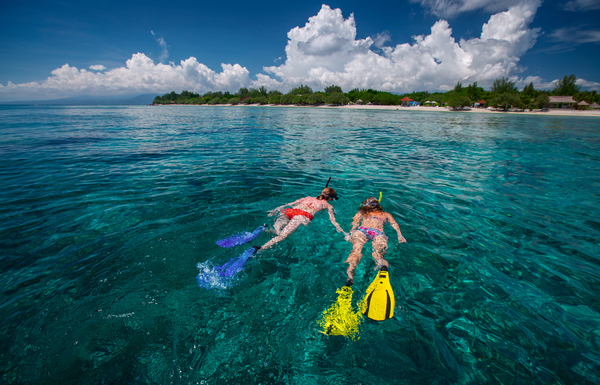
photo © Dudarev Mikhail via Shutterstock
Indonésie is a tropical country where temperatures remain stable throughout the year (roughly 25 to 30 degrees Celsius). On the island of Java, in theory there are two seasons: the dry season, lasting from May to October, and the rainy season, stretching from November to April. In theory only, since climate change makes it difficult to predict the exact length of seasons. Should you avoid the rainy season at all costs? Not necessarily. A humid season doesn't mean rain from morning to evening. Generally, mornings are quite clear. The sky gradually clouds over (you'll have time to see it coming!), and mid-afternoon brings showers. They typically last 30 minutes to two hours, sometimes longer, but rarely into late evening. Seasons in Bali are much the same as on Java. The rainy season is less pronounced there, however. Also note that it rains more in the north of the island than in the south. It's entirely possible to travel during the rainy season; some travelers even find it more pleasant thanks to daily showers cooling things down.
One exception, however: if you're planning to climb one or more volcanoes, prefer the dry season for added safety.
If you're coming to dive, it's possible year-round, but visibility is better when it's not raining. However, depending on your destination, you can only see certain species during the rainy season, such as Manta rays at Komodo, for example.
Is Indonésie a safe country?
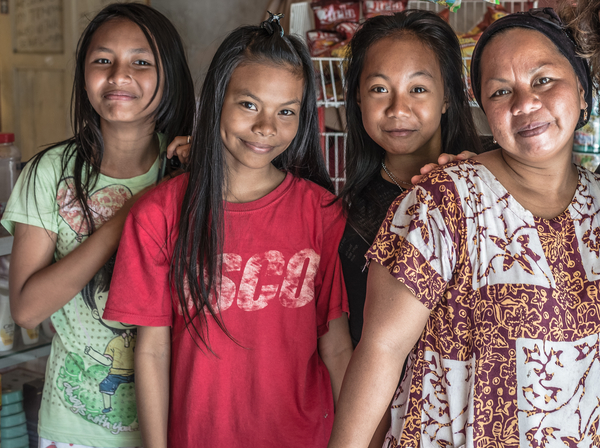
photo © Fabio Lamanna via Shutterstock
One of the most striking aspects for travelers returning from Indonésie is undoubtedly the friendliness and warmth of Indonesian people. Those interviewed upon returning from their vacations almost universally say they always felt completely safe. If you travel on the island of Java, the smile and hospitality of Javanese people will immediately put you at ease. Whether on the bus, train, or street, you'll always find someone to help in case of unexpected situations, sometimes even if you haven't asked for help! The tragic series of bombings in May 2018 that particularly affected the city of Surabaya sparked a wave of indignation throughout Indonésie. More than ever, Indonesians loudly proclaim their motto: unity in diversity. Moreover, unlike some destinations where tourists might be viewed with suspicion, foreign travelers visiting Indonésie are always welcomed with a smile.
What should I pack in my toiletries and first-aid kits? What vaccinations should I get before flying?
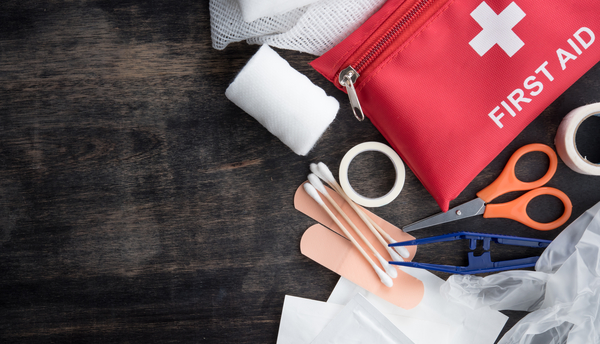
photo © Showcake via Shutterstock
If you're staying on a "classic" itinerary (Java-Bali, for example), there's no need to stock up on antimalarial medication. Bali and Java have no malaria, chikungunya, or yellow fever. Cases of dengue exist but remain very rare. A few practical tips to avoid mosquito bites: in the evening, wear light, long-sleeved clothing and apply mosquito repellent lotion. If you forgot to bring some before departure, don't worry—you'll find it cheaply at any supermarket. Know this: mosquitoes will bother you less if you've just taken a shower and are wearing freshly washed clothes!
For women, note that you won't find tampons in Indonésie, with the possible exception of Bali. If you're traveling with a baby or young child, it's better to bring paracetamol suppositories, as pharmacies don't stock them.
If you're coming from Europe or Canada, no vaccination is mandatory. However, if you're arriving from a country with a yellow fever transmission risk, a yellow fever vaccination certificate is required. You'll find all recommended vaccinations on the Pasteur Institute website: http://www.pasteur.fr/fr/centre-medical/preparer-son-voyage/indonesie
Where is it possible to eat? What? At what price?
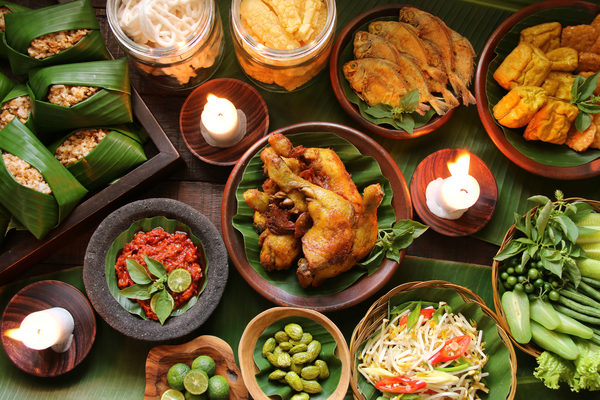
photo © Ariyani Tedjo via Shutterstock
Indonésie is a paradise for food lovers. It's easy to find things to eat thanks to its warungs, small family restaurants.
Contrary to some misconceptions, the food at these street restaurants is often better and fresher than at some tourist-focused establishments. Only the ambiance and décor are more attractive. Indeed, warungs don't have menus but offer a more or less limited selection of dishes (many warungs offer only one or two dishes). Food is purchased and prepared in the morning for the day, and warungs close when they have nothing left to sell. Thus, there's no risk of vegetables or meat sitting in a fridge for several days.
If you tend to get sick while traveling, avoid eating raw vegetables. If you stay in Java and Bali, there's nothing to worry about regarding water. Indonesians never consume tap water without first boiling and cooling it. Ice cubes are also made from boiled water and usually come from a factory.
Prices at warungs are unbeatable. You can get a complete meal, drink included, for 1 or 2 euros. Don't worry—you won't break the bank if you prefer a "proper" restaurant either; a dish typically costs between 4 and 6 euros.
What mode(s) of transport should I use? At what price?
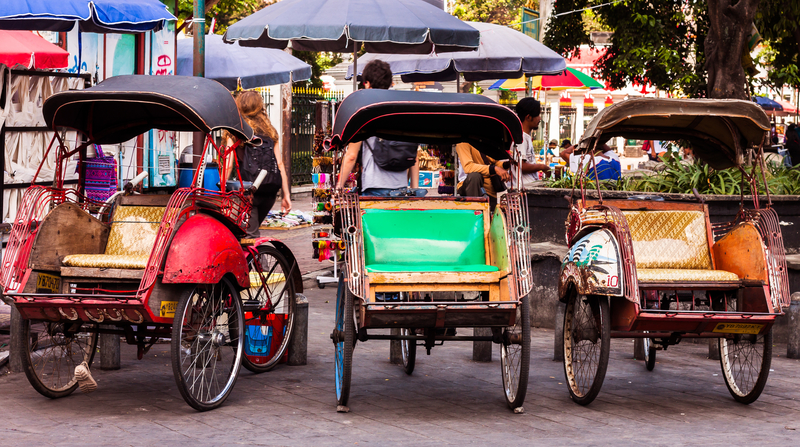
photo © Kasia Soszka via Shutterstock
When you book an itinerary with Azimuth, guides and transportation are included in the package. However, you'll most often have free evenings, half-days, or full days that you can spend as you wish, according to your preferences.
To get around major cities and their surroundings, the transport option with the best value for money is arguably ride-sharing services like Uber. In Indonésie, the two major companies sharing the market are Grab and Go-jek. For each trip, you can choose whether you want a private car, an official taxi, or a motorcycle. The Android and iPhone apps are very user-friendly and let you order a vehicle easily using just your GPS location. Car rides rarely exceed a few euros.
If you pass through Yogyakarta or Solo and want to try the becak (the traditional rickshaw), don't be fooled! This mode of transport, though far more romantic and exotic than a car, is often pricier! It's best used for short distances.
Is it possible to travel during Ramadan? What changes?
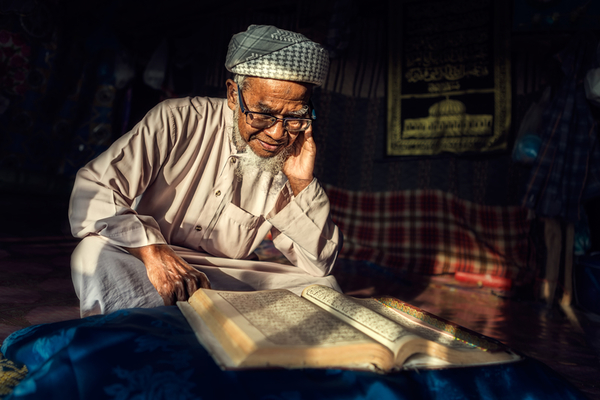
photo © Shutterstock
It depends on your destination. If you stay in Bali, Ramadan has little noticeable impact on daily life. On the other hand, if you're in Java or another predominantly Muslim island, the pace of life changes during this period. You'll find it more difficult to find food during the day. Many restaurants close, and those serving food install curtains or keep their doors closed so that people eating aren't seen from outside. Even though it's not forbidden to eat and drink during this time, it's good to know that people who aren't fasting generally avoid eating and drinking in public during Ramadan. However, Ramadan is an appreciated time for everyone as the sunset fast-breaking hour approaches. In mid-afternoon, the streets gradually fill with vendors selling sugary drinks, fritters, and various snacks. In the evening, restaurants are packed and the city comes alive again.
Should I leave a tip?
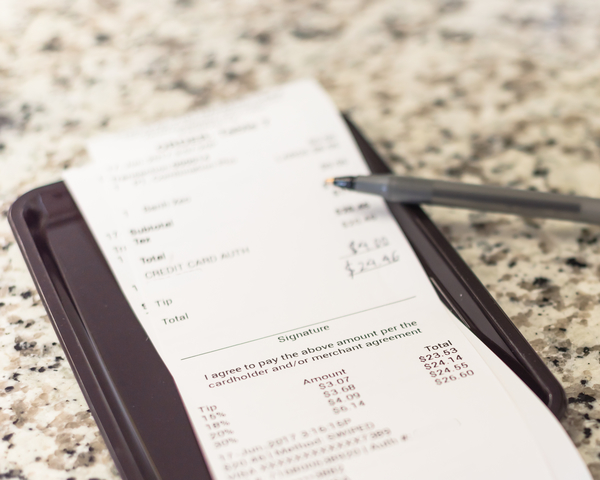
photo © Trong Nguyen
In Indonésie, tipping is not a local custom. If you eat at a small restaurant and give more money than you owe, or leave money on the table as you leave, staff will likely chase after you to give it back! In the most touristy places and establishments accustomed to receiving foreign tourists, you'll often find a tip jar next to the cashier. The guides who accompany you during your trip are all paid by Azimuth according to prevailing rates. You're therefore in no way obligated to leave a tip at the end of your stay. However, if you feel like making a small gesture of thanks, this little bonus will always be greatly appreciated by whoever receives it.