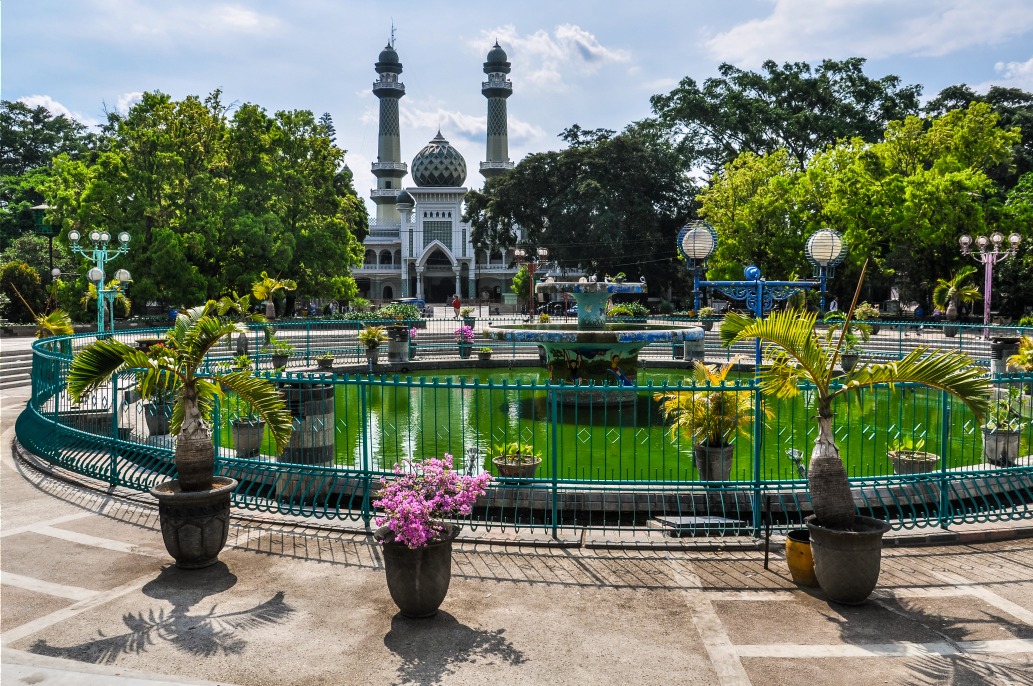
Kupang
Kupang, capital of East Nusa Tenggara at the tip of Timor, is a maritime crossroads between Indonesia, Australia and Timor-Leste. Vibrant market, ikat textiles and an ideal base for exploring Rote and Semau.
Kupang is the capital of East Nusa Tenggara province, at the western tip of Timor island. A bustling port city, it serves as a gateway to Timor-Leste, Rote and Flores. Its atmosphere blends Melanesian, Portuguese and Dutch cultures, visible in the architecture, cuisine and markets. It's not a postcard destination, but a living crossroads where eastern Indonesia reveals itself unfiltered.
Quick facts at a glance
- Air access: El Tari international airport, served from Bali, Jakarta and Darwin (Australia).
- Maritime access: regular ferries to Rote, Flores and Timor-Leste from Tenau port.
- Recommended duration: 1 to 2 days, mainly as a base for nearby islands.
- Language: Indonesian; some English speakers in hotels and agencies.
- Currency: Indonesian rupiah (IDR); ATMs available in the city centre.
- Best time to visit: dry season from April to November — Kupang is one of Indonesia's most arid cities.
What to see
Central Kupang is organised around the waterfront and the central market of Pasar Inpres, where spices, ikat textiles and local products are traded. The historic quarter preserves some Dutch colonial-era buildings. The city has several old Protestant churches, reflecting a Christian majority rare in Indonesia. The Museum Negeri NTT houses collections of traditional textiles, ceramics and ethnographic objects from the province's islands.
History and context
Kupang was one of the first European trading posts on Timor: the Portuguese settled here in the 16th century, followed by the Dutch who made it their regional base from the 17th century onwards. The city is also known for welcoming William Bligh in 1789, after the mutiny on the Bounty — he landed here after a voyage of over 6,000 km in an open boat. This maritime history still marks the city's identity.
Highlights of your visit
Pasar Inpres and the waterfront
The central market is the pulse of Kupang. Early in the morning, fishermen and traders converge here. The waterfront offers clear views of the Semau Strait and the island of the same name, accessible by local boat.
Museum Negeri NTT
This provincial museum holds ikat textiles from Timor, Rote, Flores and Sumba — one of the region's most comprehensive collections. A useful stop before visiting the craft villages on neighbouring islands.
Semau Island
Less than an hour by boat from Kupang, Semau offers uncrowded beaches and accessible snorkelling reefs. An easy day trip to arrange.
Oesao village and Timorese weavers
Around Kupang, several villages continue the traditional Timorese ikat weaving. Geometric patterns and natural dyes vary according to clans and villages.
Photography tips
Pasar Inpres market is most photogenic early in the morning, before 8 am, when light is soft and activity is at its peak. The waterfront offers beautiful lighting at sunset across the strait. Always ask permission before photographing people — locals are generally welcoming but appreciate politeness.
Location and access
Kupang sits on Timor's north-western coast. El Tari airport is about ten kilometres from the centre. Taxis and ojek (motorcycle taxis) provide connections. Tenau port, west of the city, serves neighbouring islands and Timor-Leste. For getting around town, angkot (shared minibuses) cover the main routes.
Nearby areas
- Rote Island — Indonesia's southernmost island, renowned for its surf waves and savanna landscapes.
- Semau Island — a quiet beach getaway less than an hour by boat away.
- Soe — a cool mountain town, gateway to traditional villages in the interior of Timor.
- Timor-Leste — the border is accessible from Kupang, with air and land links to Dili.
Frequently asked questions
The dry season, from April to November, is ideal. Kupang receives little rain compared to the rest of Indonesia, but the wet season (December-March) can make some roads and maritime crossings difficult.
Both. The city deserves a day's exploration for its market, museum and waterfront. It's mainly the essential logistical hub for reaching Rote, Semau, Flores or Timor-Leste.
Regular ferries depart from Tenau port to Rote. The crossing takes about two to three hours depending on the type of boat. Short flights also exist from El Tari airport.
Yes, at Pasar Inpres market and in a few shops in the centre. For pieces directly from the weavers, an excursion to villages around Kupang is preferable.
British and most foreign nationals can obtain a Visa on Arrival valid for 30 days, extendable once. Check the conditions in force before your departure, as rules may change.
Kupang is predominantly Christian, the atmosphere is relaxed. In churches, respectful attire is expected (shoulders and knees covered). In markets and on the street, light but decent clothing is appropriate.
Want to discover this destination?
Our local advisors design your tailor-made trip.